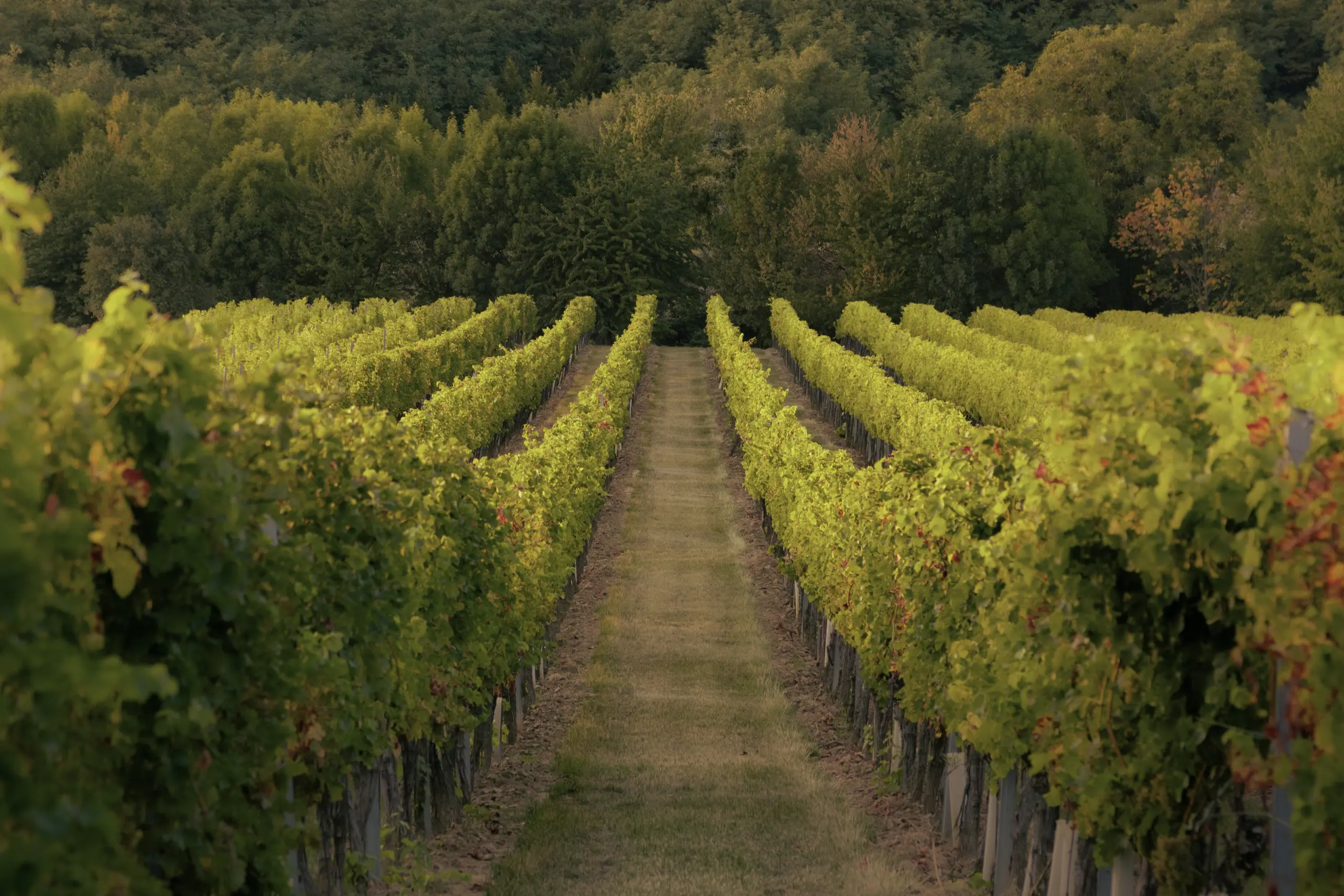
Vine
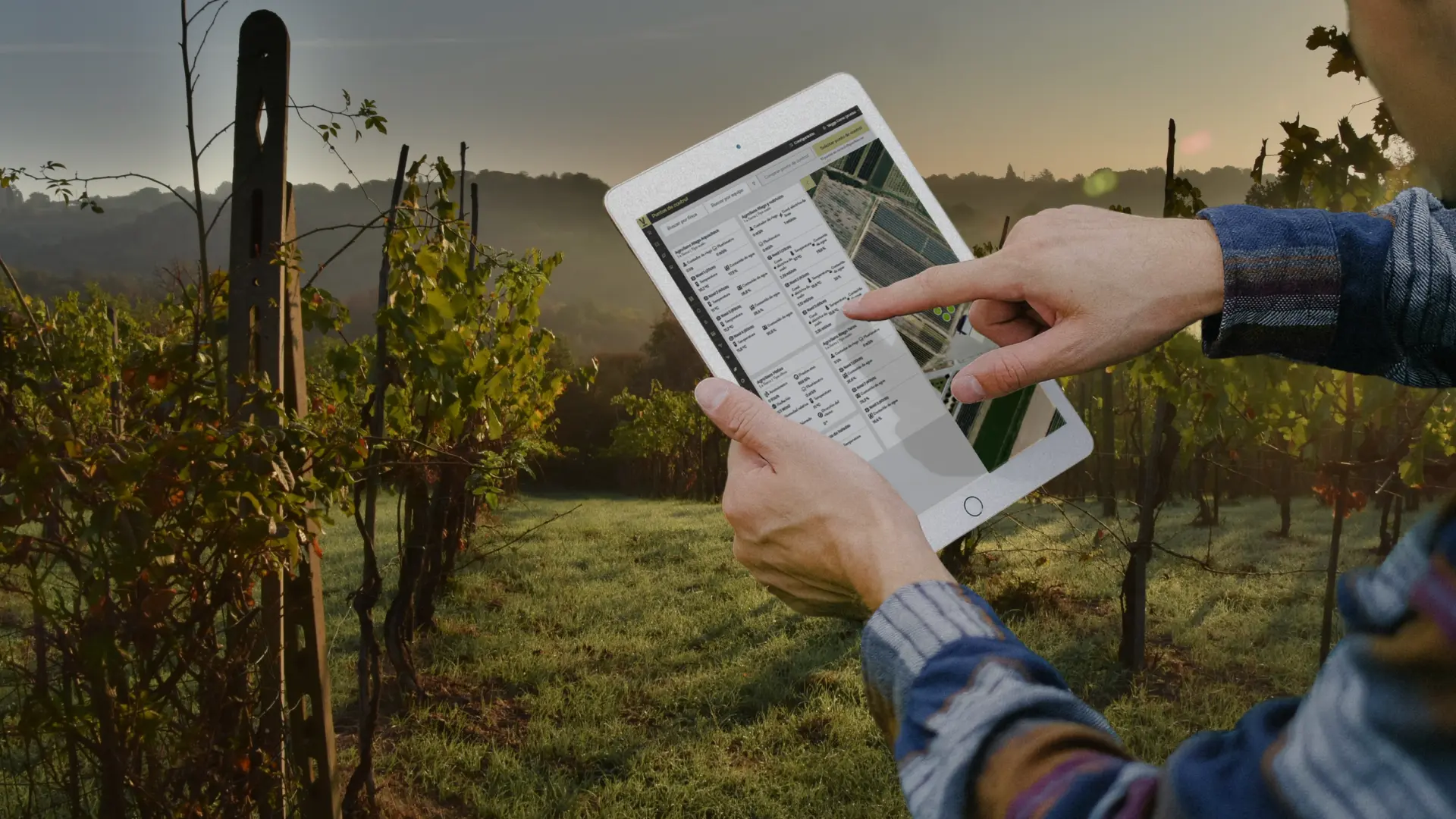
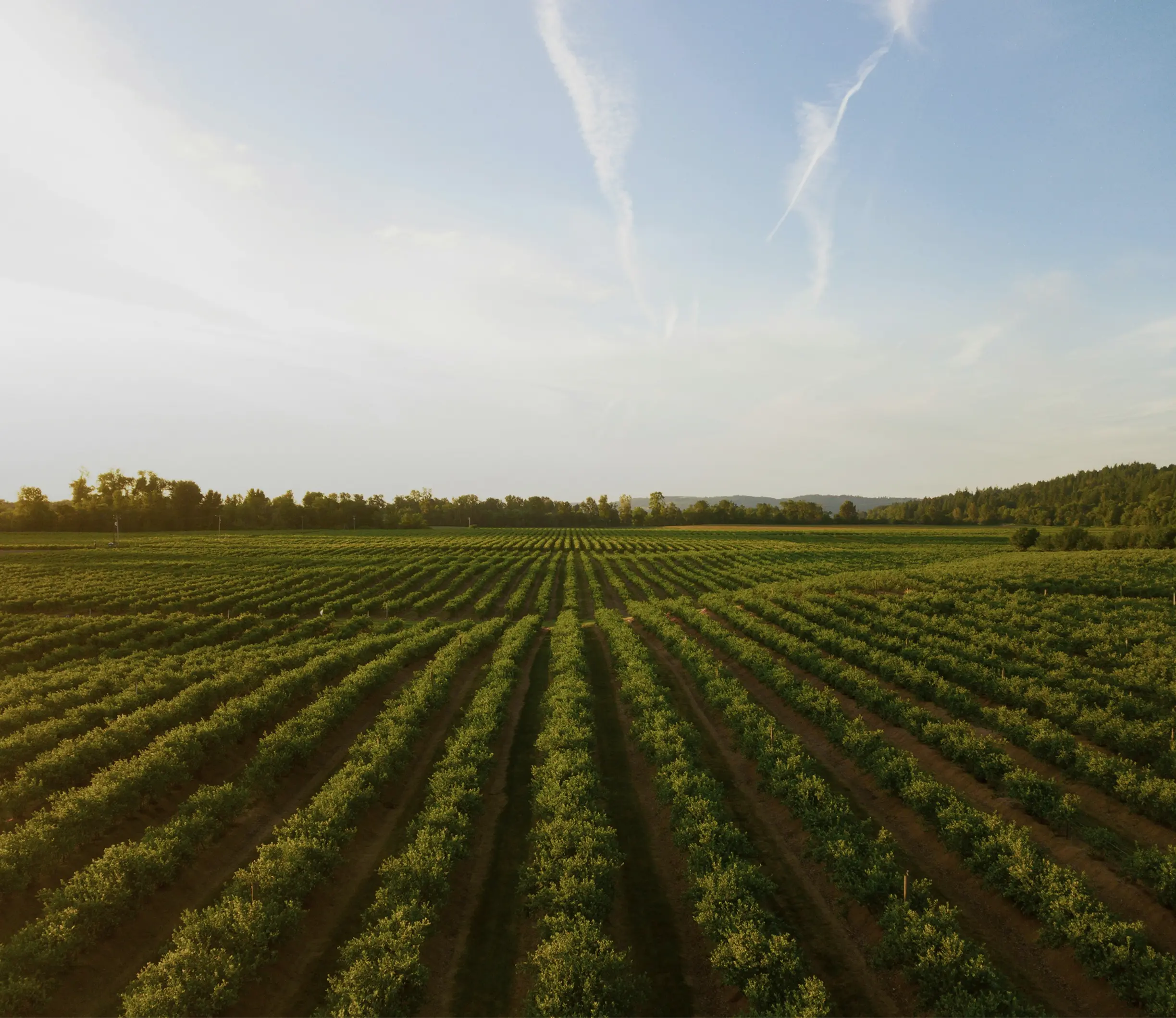
Vines require precise management of water, fertilizers, and pest control to ensure the highest quality wine. With VEGGA, manage your vineyard digitally, optimize fertigation, and make quick and accurate decisions to improve productivity and yield for each plot.
Major Challenges Facing the Vine
Optimize water use
to improve productivity and wine quality by adjusting risks according to the grapes’ phenological stages.
Manage Fertilizers Effectively
by controlling the timing and dosage of application to influence the wine’s physicochemical parameters—such as alcohol content, acidity, pH, sugars, and polyphenols—which affect its flavor, aroma, and texture.
Control of agricultural inputs
used on the farm to maintain uniformity within each plot and optimize harvest times.
Preventing Pests and Diseases
ensuring the health of the vineyard and the quality of the grapes.
Anticipating climatical risks
such as frosts during critical stages of bud break, flowering, and fruit set, which can damage buds, flowers, or clusters and affect the yield and quality of the must.
How VEGGA Helps with Wine
1 / 5
Irrigation Control
Manage and monitor the data from your Agrónic controllers from anywhere. Save time and water, resolve incidences, and ensure your crops get exactly what they need.
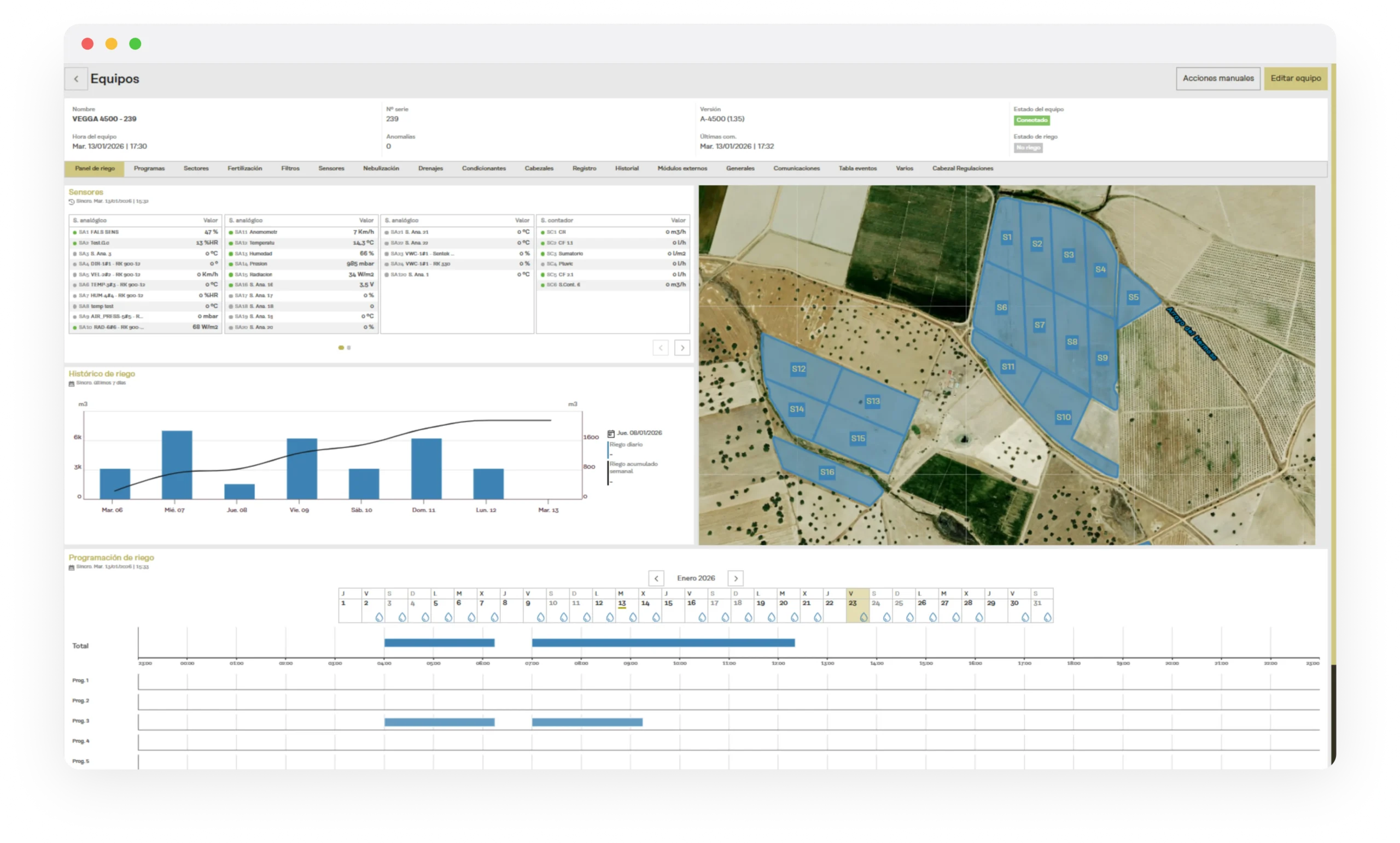
- Manage fertigation precisely by using programming and monitoring of the irrigation system.
- It balances water supply with irrigation pulses based on the plant’s needs and its stage of growth.
- Access irrigation reports and historical data, including audits, to support decision-making and improve water use efficiency.
2 / 5
Agroclimatic monitoring
Get real-time climate, crop, and soil data based on sensor readings and agroclimatic indices, and make more informed decisions for your farm.
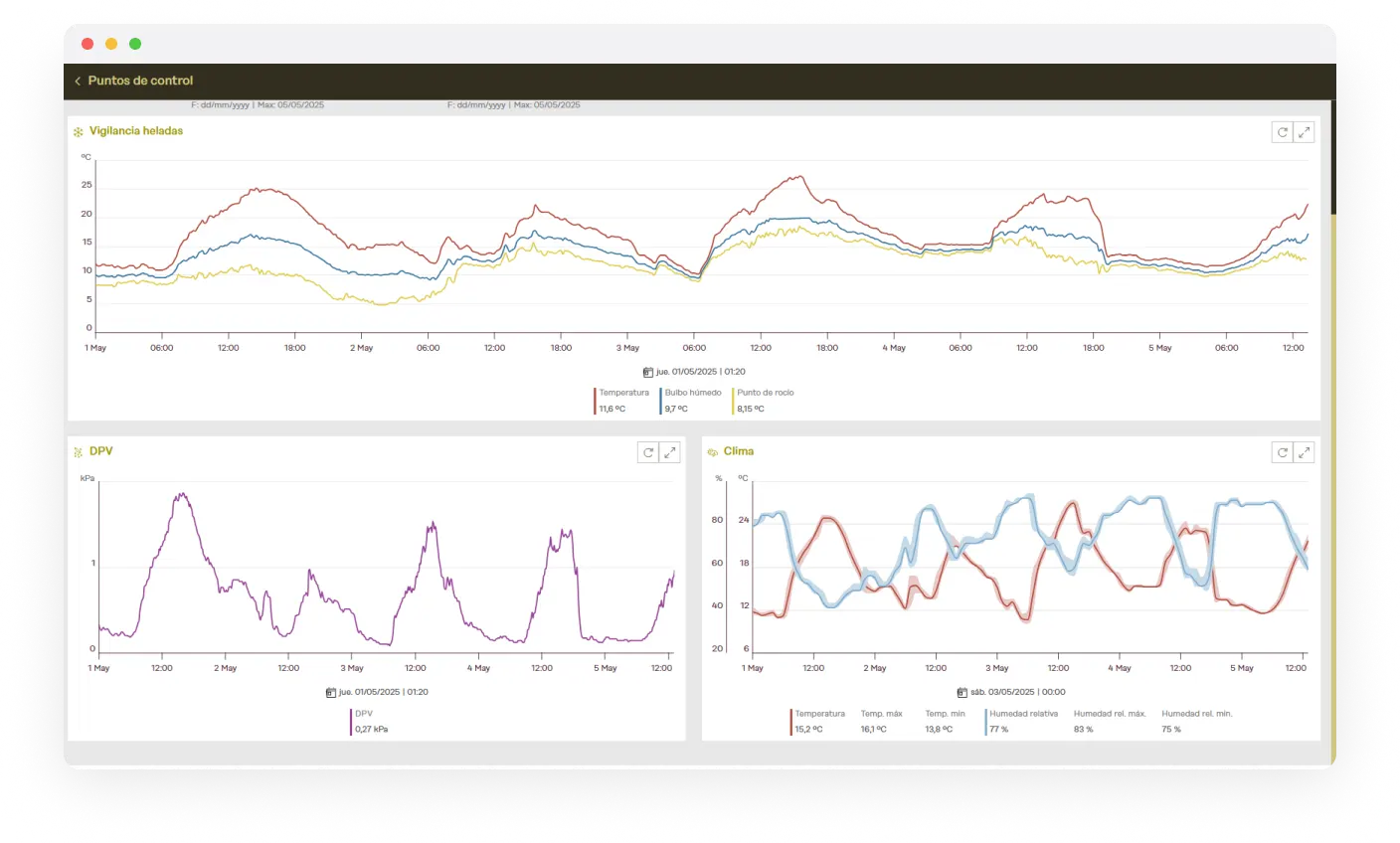
- Using soil sensors, it provides insights into water and nutrient levels to help plan irrigation and fertilization.
- It monitors weather conditions in real time, helping you determine the optimal time for irrigation, fertigation, and treatments based on weather risks.
3 / 5
Assisted irrigation
Precision-adjust and automate the irrigation of your crops using smart algorithms based on historical data, sensor readings, and weather forecasts—all without the need for daily monitoring.
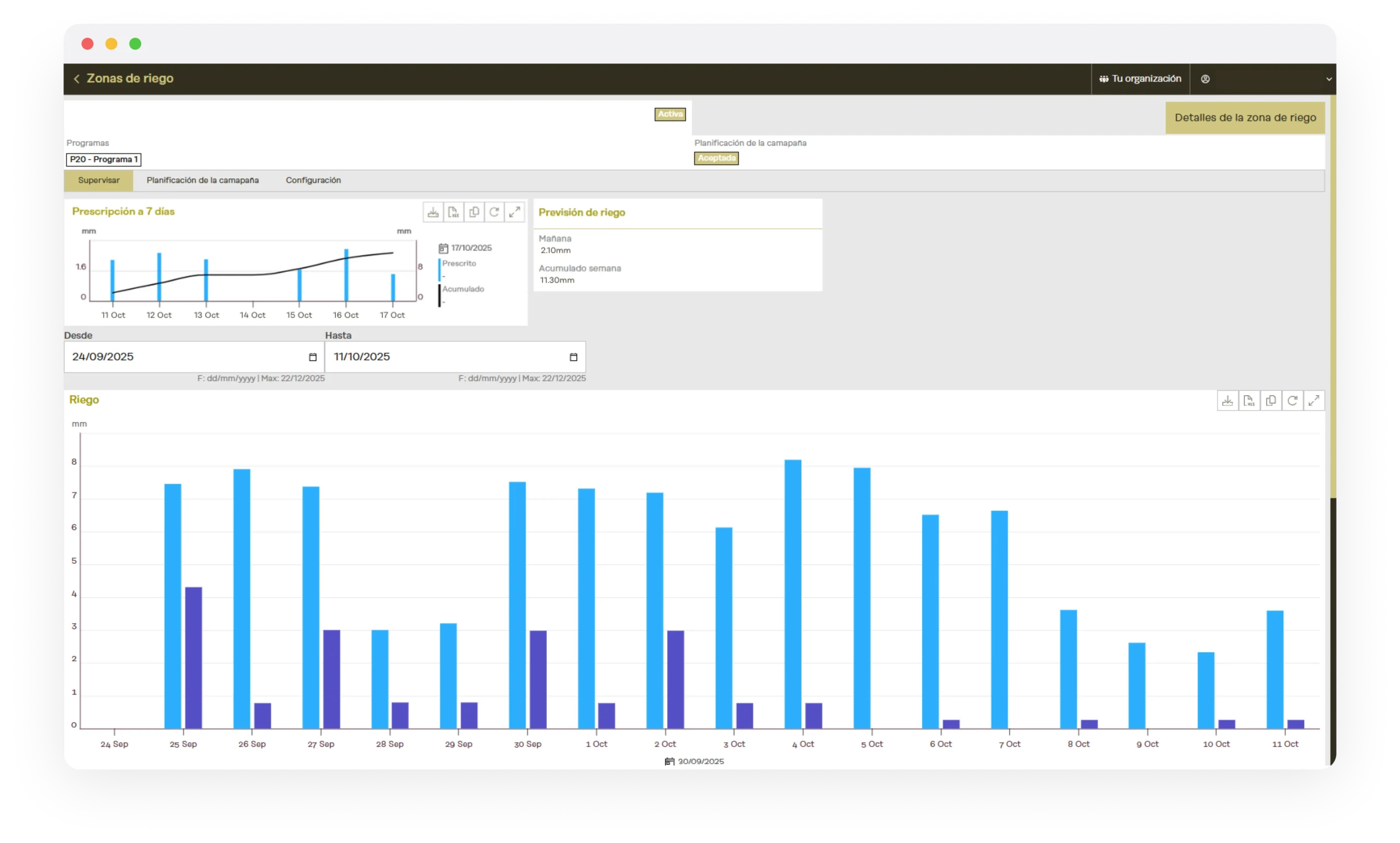
- Predict the water needs of your vineyard to improve stability, uniform ripening, and wine quality through efficient water use.
4 / 5
Crop Protection
Anticipate pests and diseases and apply plant protection treatments at the optimal time, minimizing residues, costs, and crop losses.
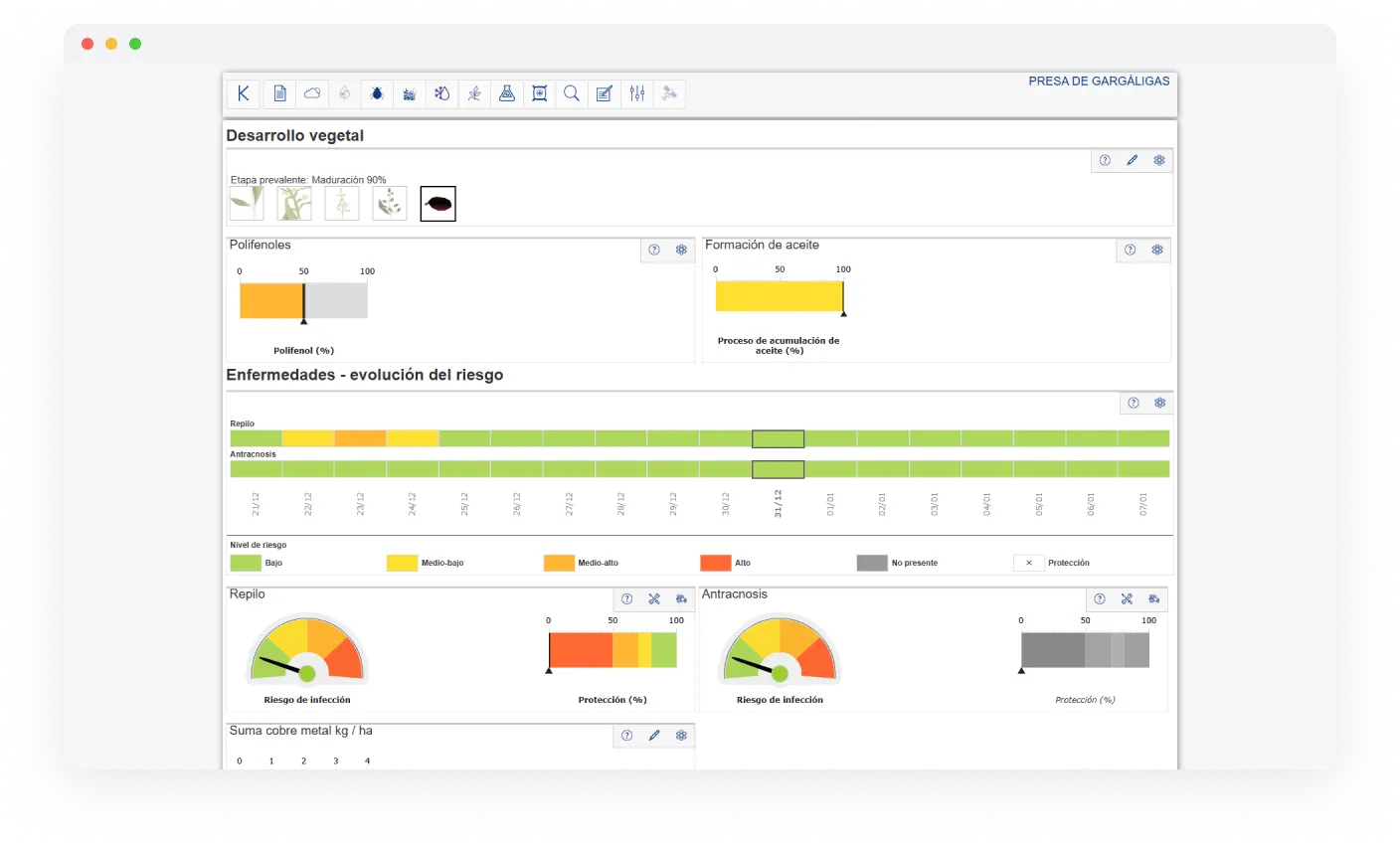
- Assess pest and disease risks in the vineyard.
- It enables the efficient application of plant protection treatments, reducing costs and ensuring healthy, high-quality grapes.
5 / 5
Irrigation Manager
Program and control your farms in a centralized and aggregated manner. Manage water and fertilizer orders while optimizing irrigation based on energy rates and your fertigation plan.
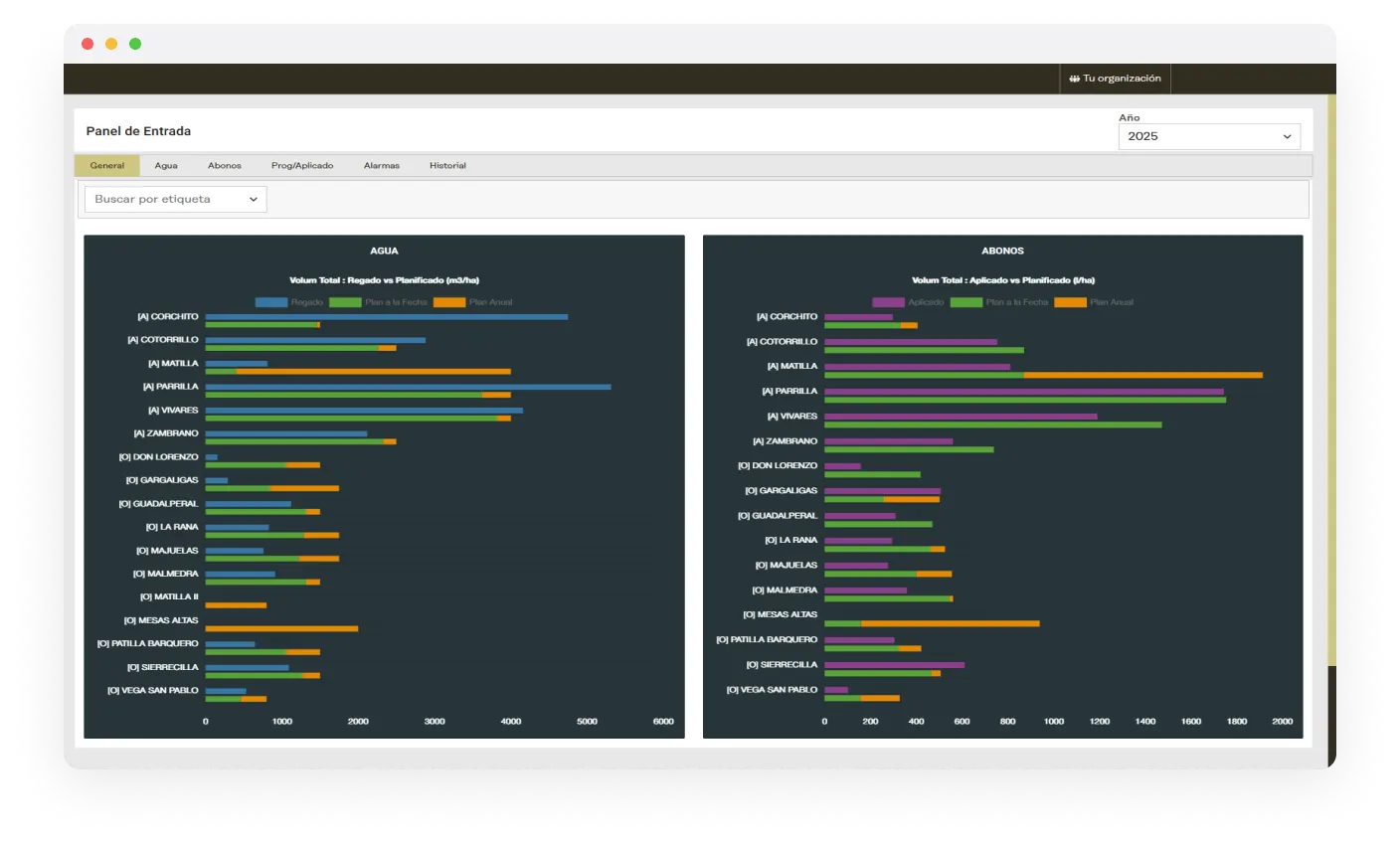
- It optimizes water and fertilizer use, streamlines fertilizer order management, and allows for bulk scheduling of irrigation units.
- It allows for the implementation of strategies such as controlled deficit irrigation when necessary, while ensuring grape productivity and quality.
Benefits of managing vineyards with VEGGA
Yield and sugar content
Optimal management of water and fertilizers increases productivity and improves sugar concentration by adjusting irrigation to the grapes’ phenological stages.
1
Wine quality
Controlled fertigation directly influences the physicochemical parameters of wine—alcohol content, acidity, pH, sugars, and polyphenols—as well as its sensory characteristics, such as flavor, aroma, and texture, which are essential for high-quality wines.
2
Intraplot homogeneity
A balanced nutrient supply promotes uniform ripening, which results in more stable wines and allows for better planning of the harvest and related tasks.
3
Resistance to stress and climate
Water and nutrient balance improves the plant’s resistance to water stress and severe frosts during bud break, allowing growers to anticipate and activate frost protection systems to safeguard buds, flowers, and clusters.
4
Operating Profitability
Control of the key parameters that determine grape quality enhances the value of the wine. With VEGGA, it is possible to manage water application and the behavior of water and nutrients in the soil using sensors, balance water supply with irrigation pulses, adjust fertilization, apply controlled deficit irrigation, and choose the optimal times for each task based on weather conditions.
5
Possible pests and diseases of grapevines
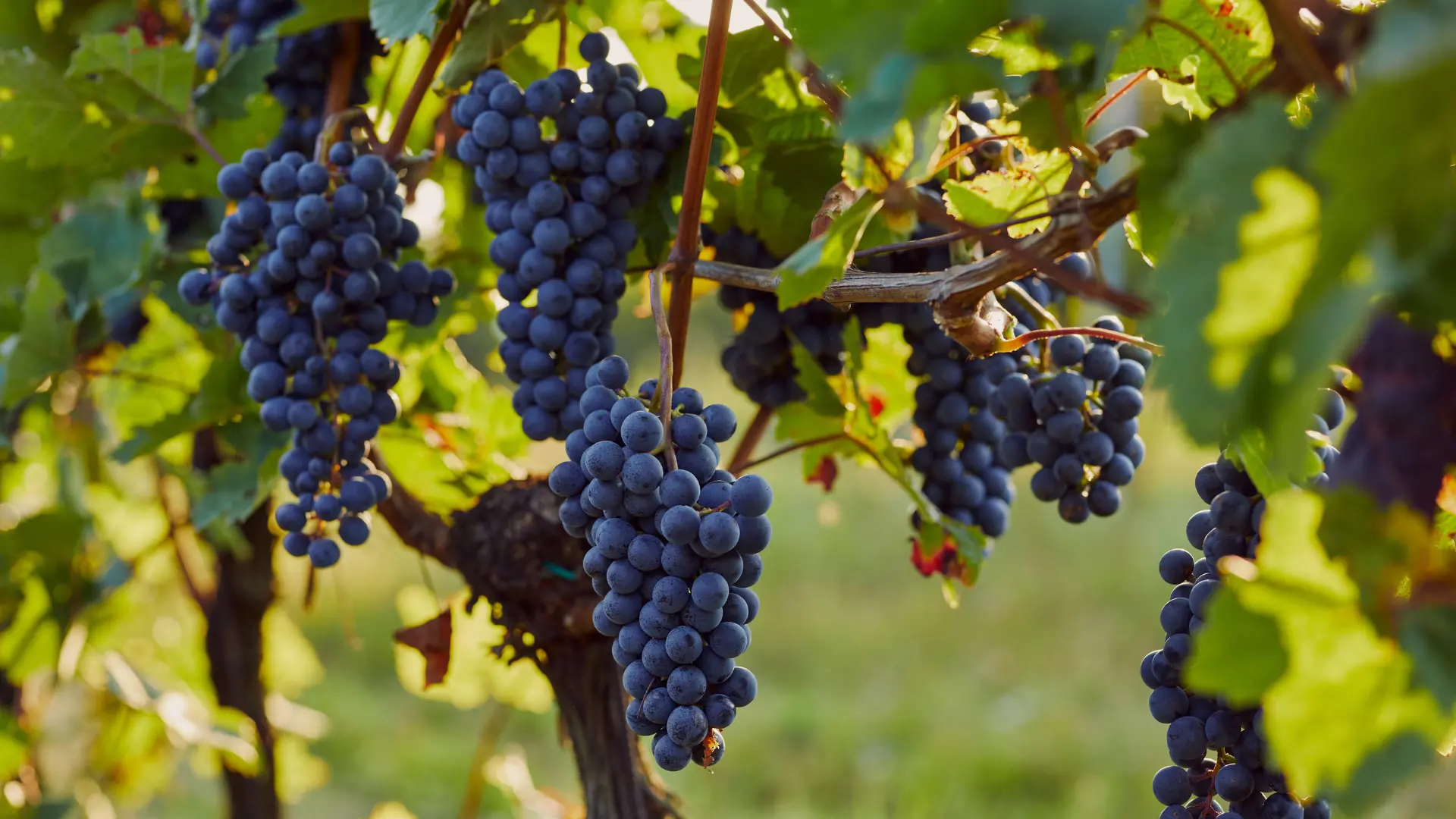
Vineyard
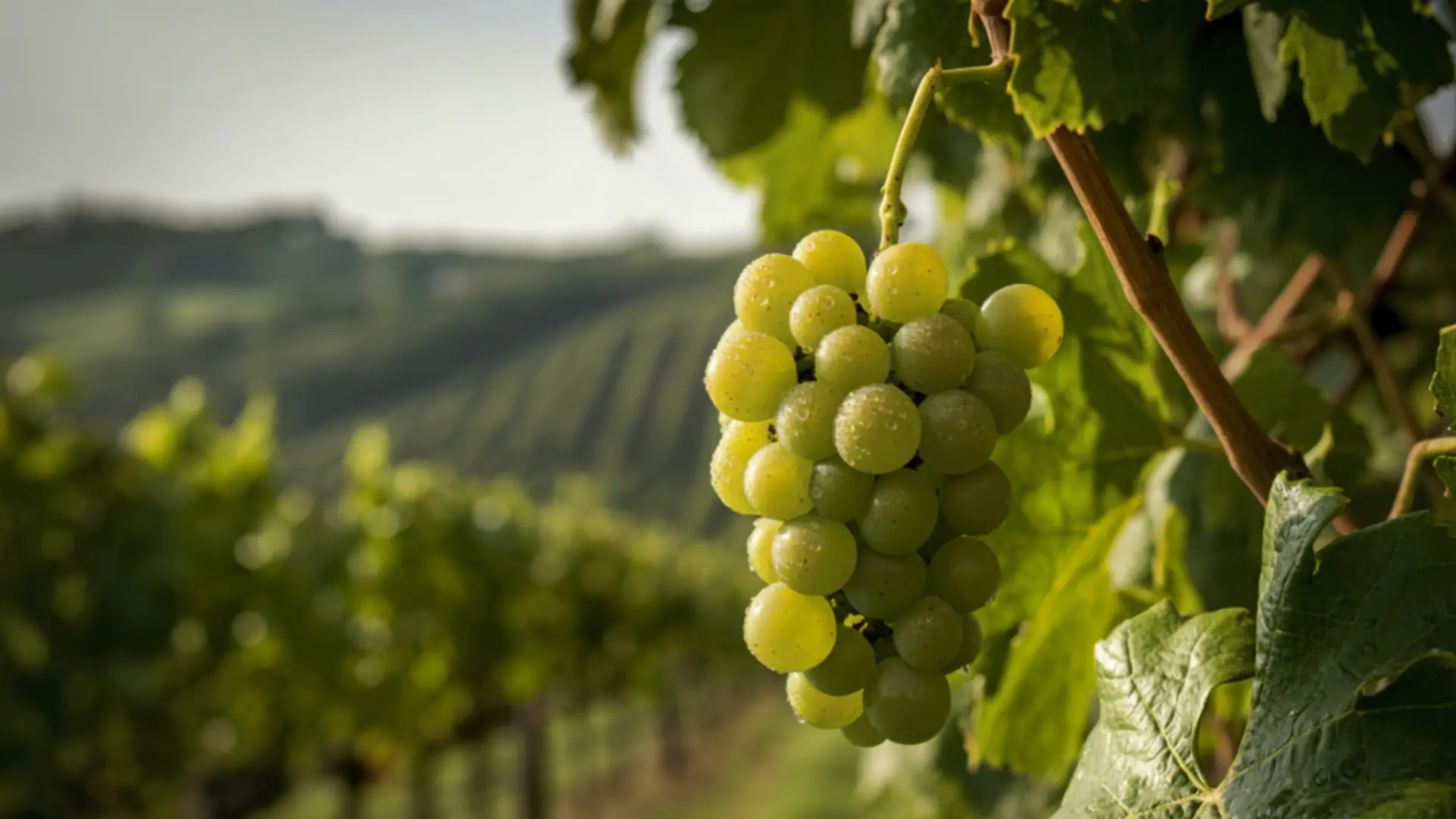
Table grapes
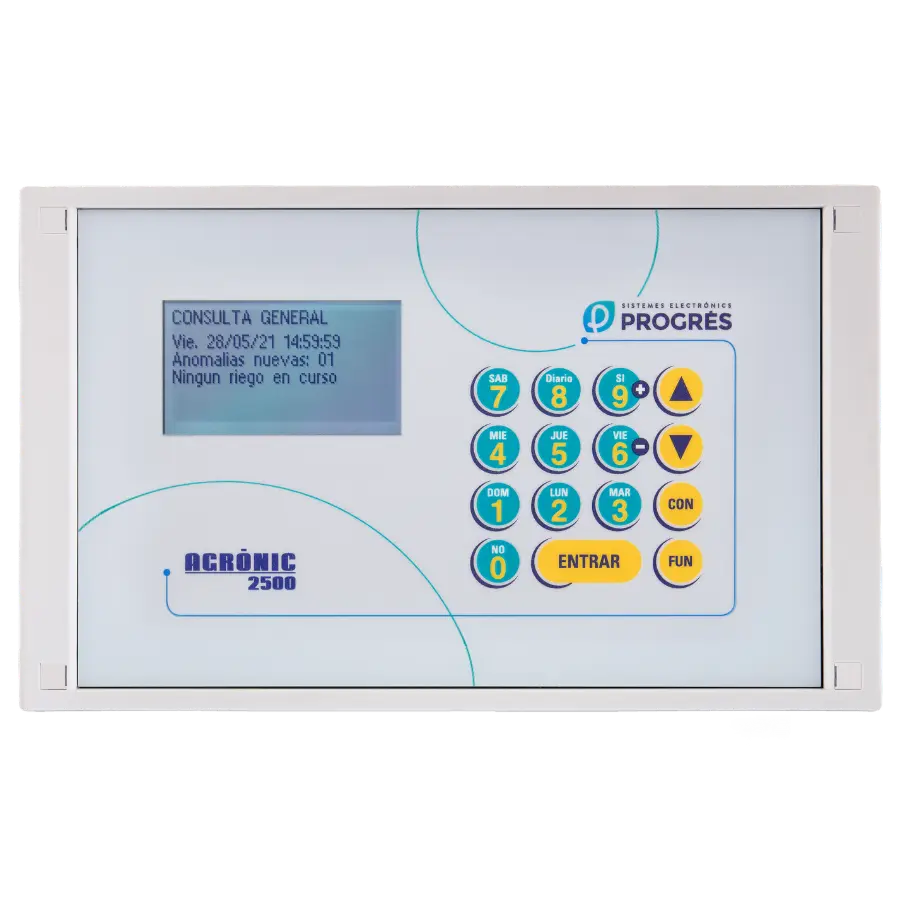
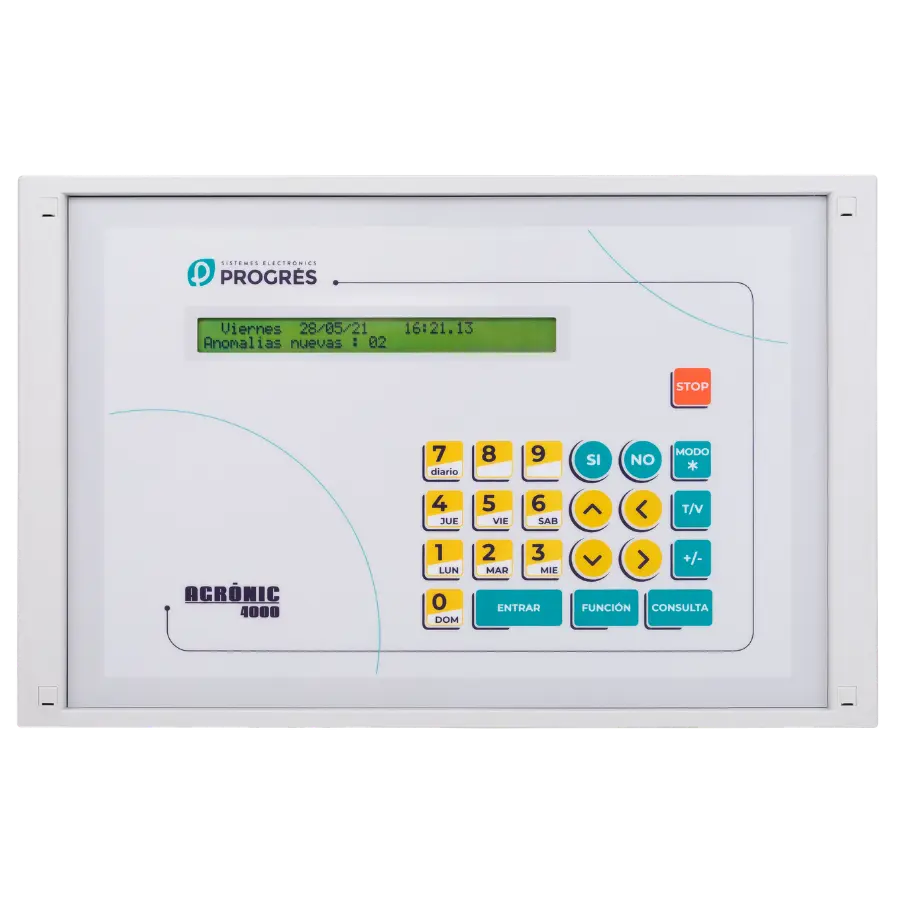
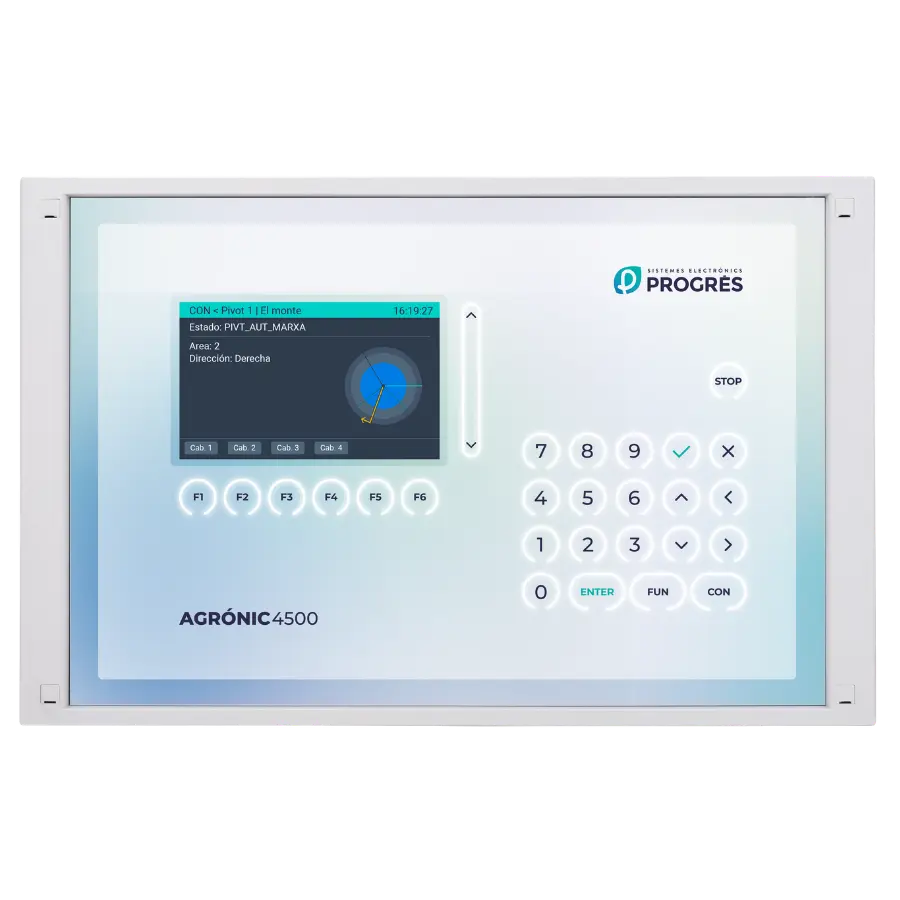
Recommended hardware
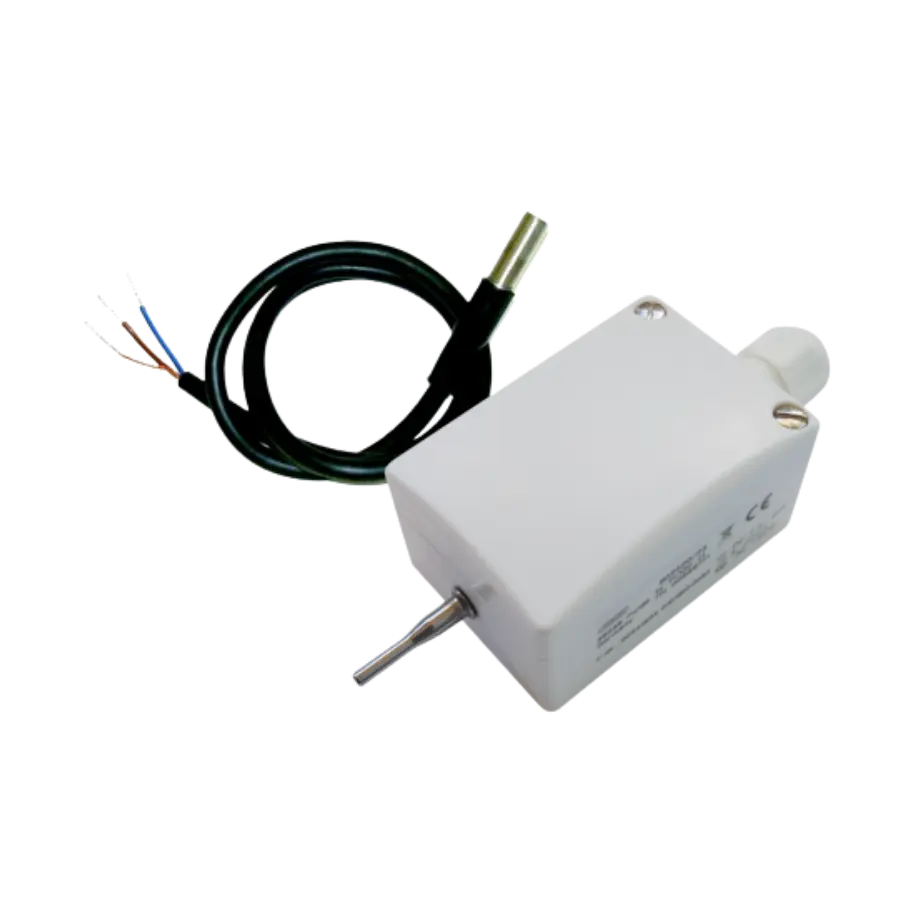
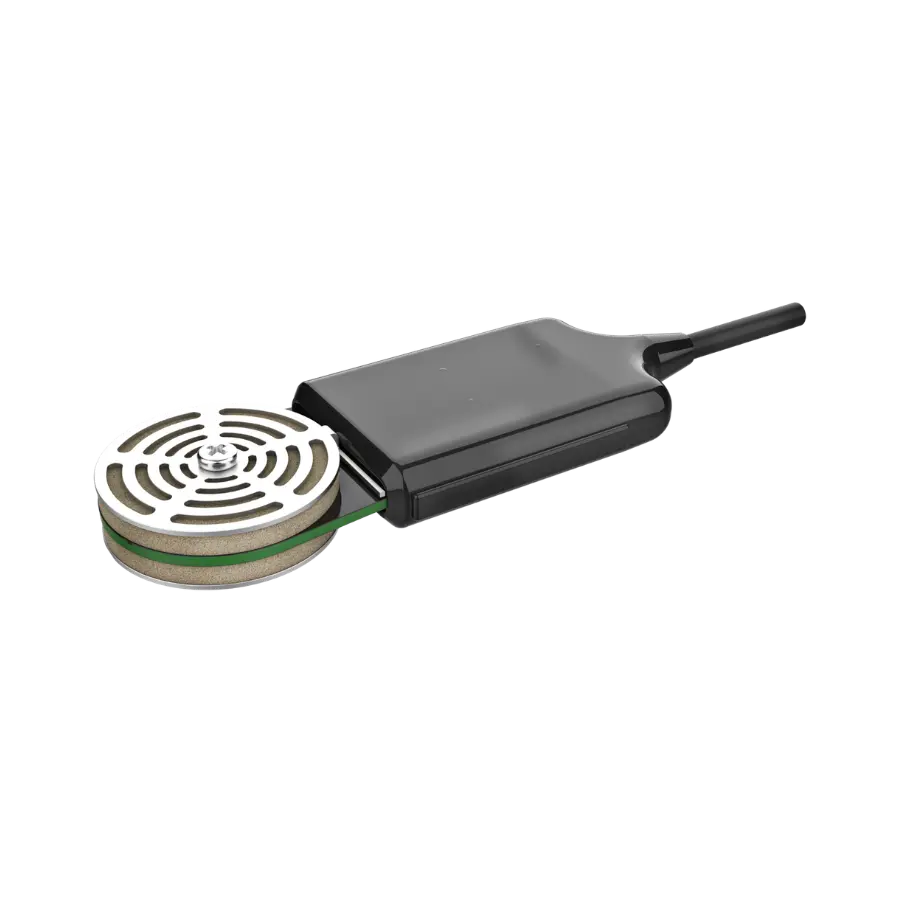
Soil water potential sensor
A matric potential sensor that allows for the assessment of actual water availability to the plant and the detection of water stress in crops. At VEGGA, this data helps optimize irrigation programming and complements soil moisture information for more precise water management.
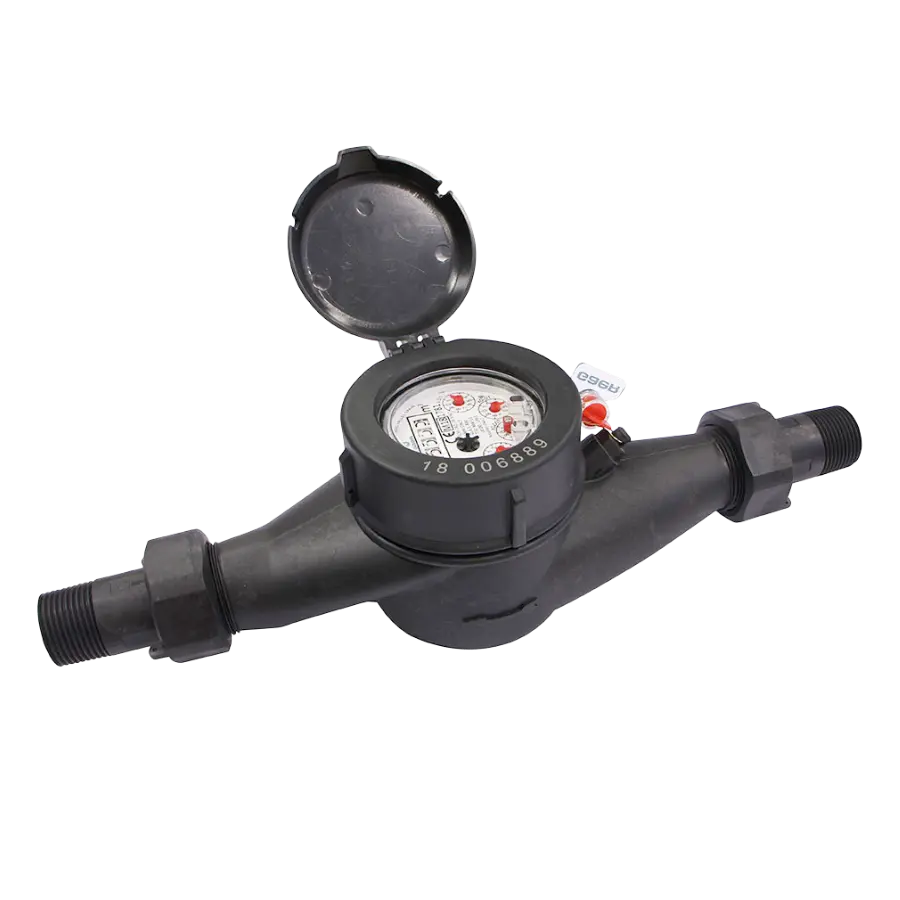
Irrigation meter
An irrigation meter that monitors the volume of water applied and enables users to control water consumption, analyze irrigation pulses, and detect hydraulic anomalies. At VEGGA, this data is integrated with soil and climate sensors to optimize irrigation efficiency and decision-making.
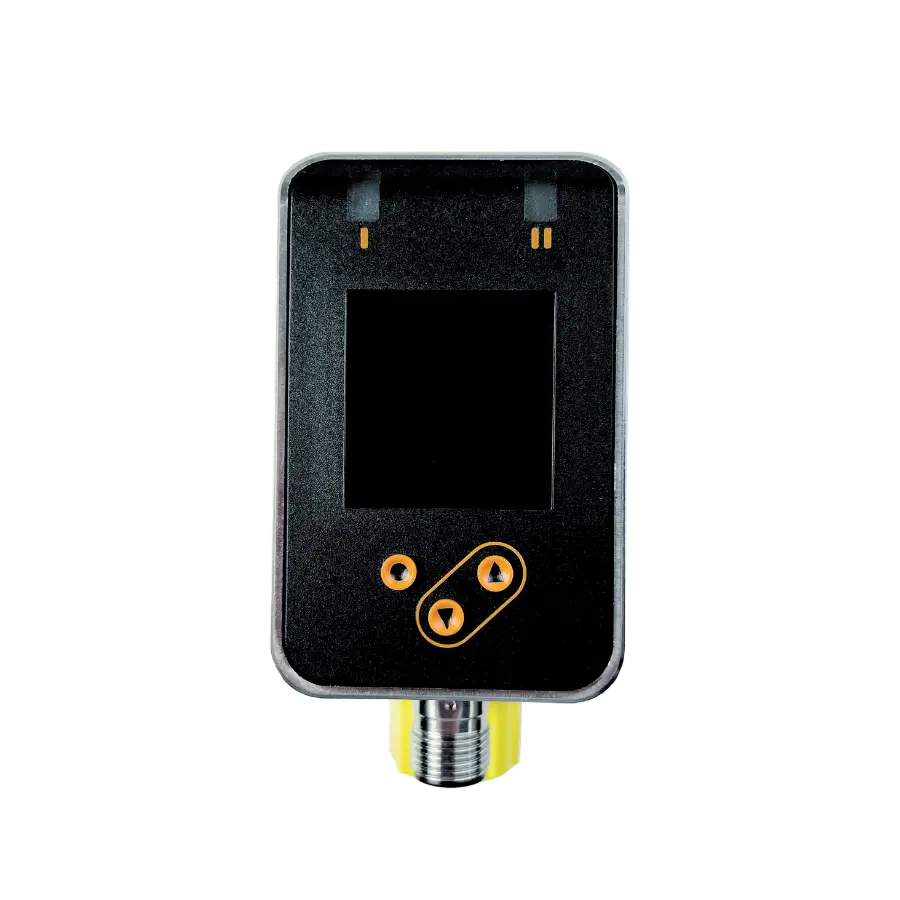
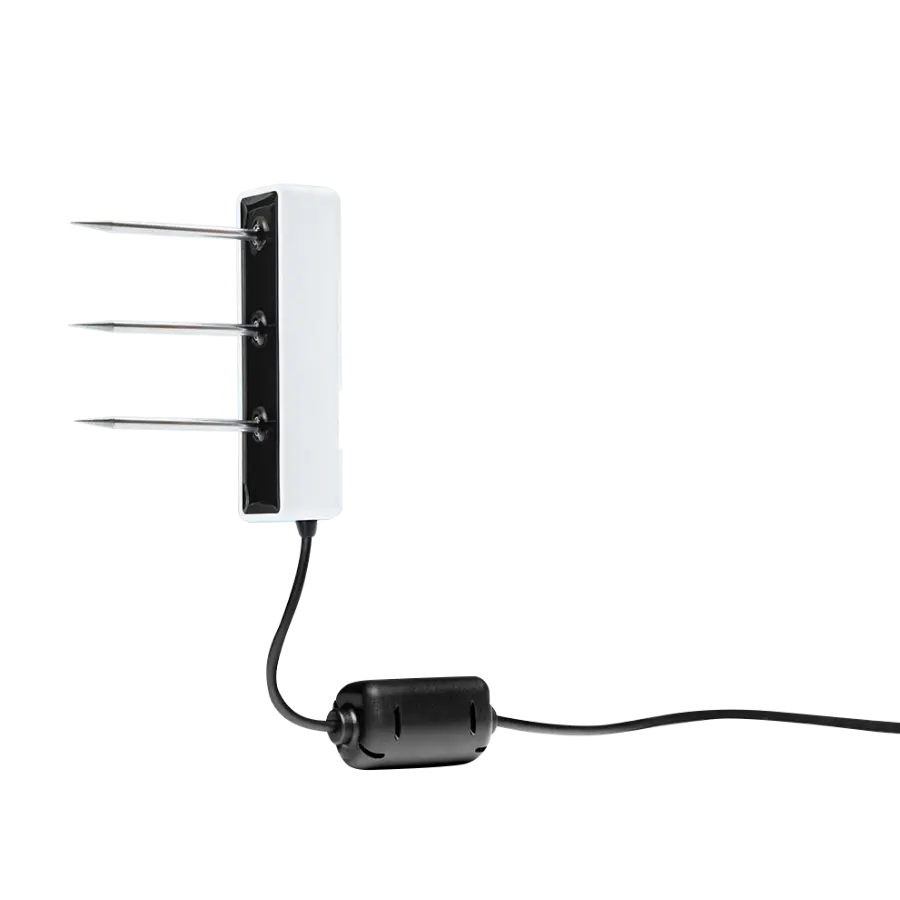
Soil Moisture and EC Sensor
A soil moisture, EC, and temperature sensor that enables integrated monitoring of the water, salinity, and thermal conditions of the root zone. At VEGGA, this data helps optimize irrigation and fertigation, detect risks of salinization, and improve the efficiency of water and fertilizer use.
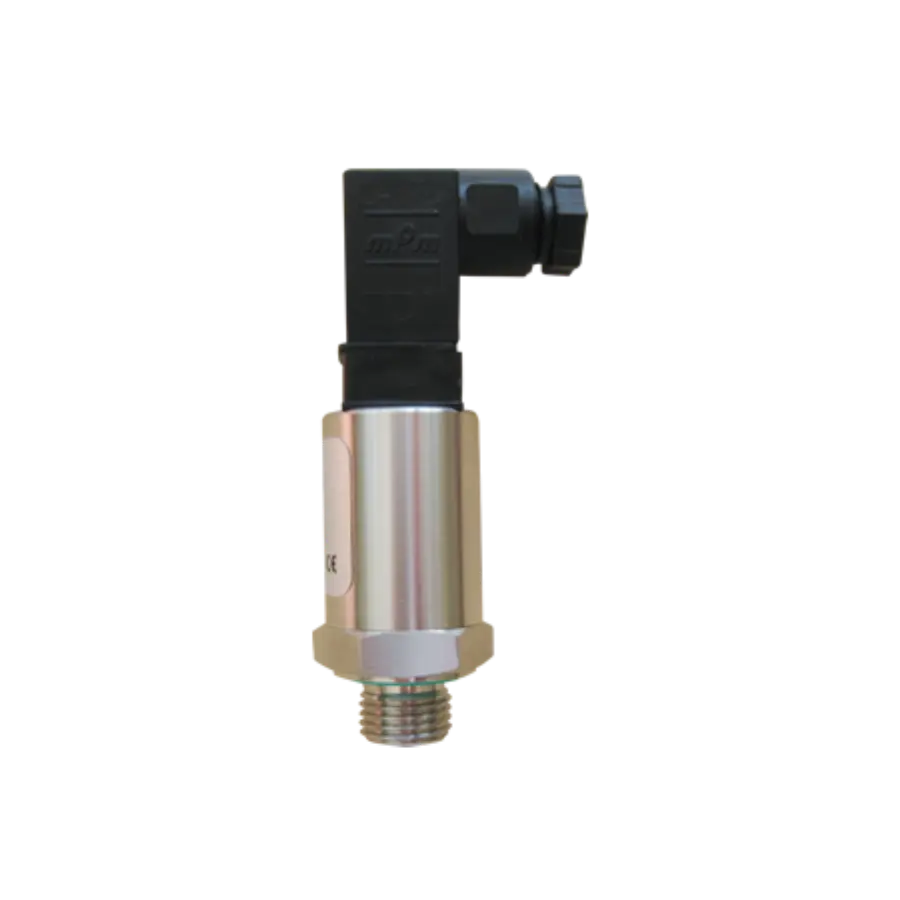
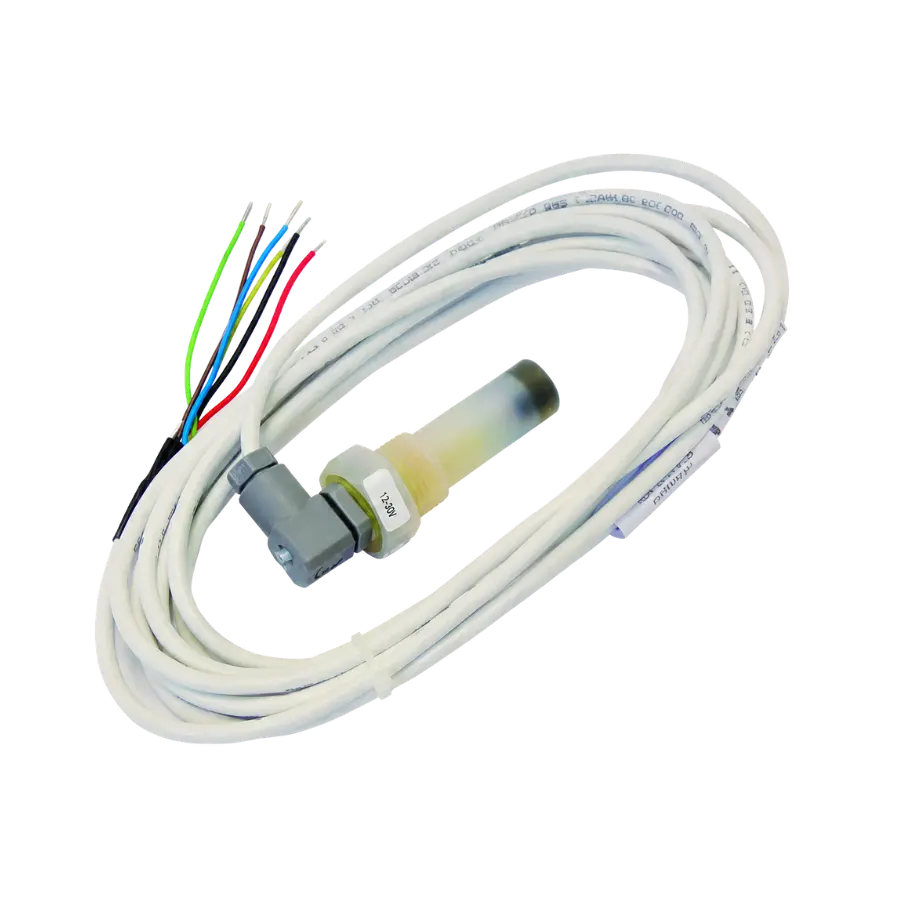
Pressure transducer
A pressure sensor that monitors water pressure in the irrigation system to ensure correct operation and uniform distribution on the VEGGA platform, detecting anomalies such as leaks, blockages, or drops in pressure, and ensuring the effectiveness of irrigation and frost protection systems.