Leafy vegetables and fruit
Featured Crops
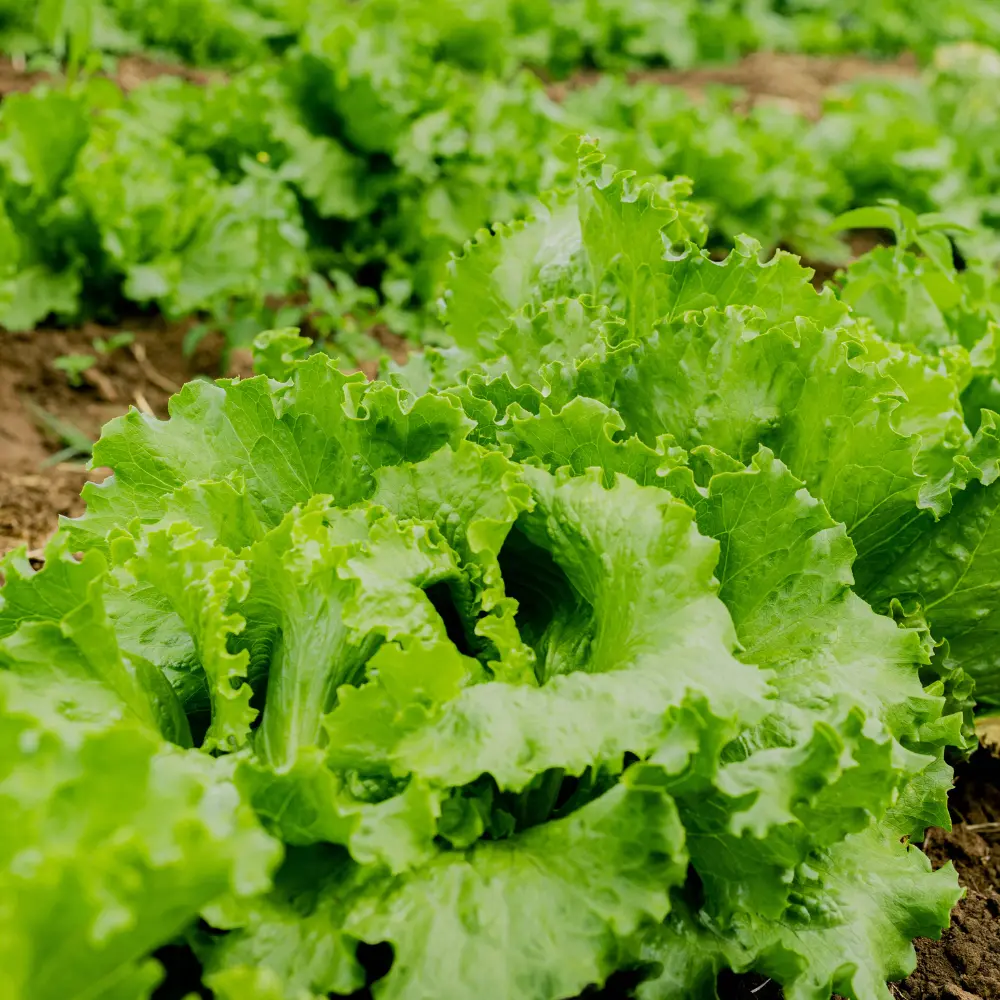
Lettuce
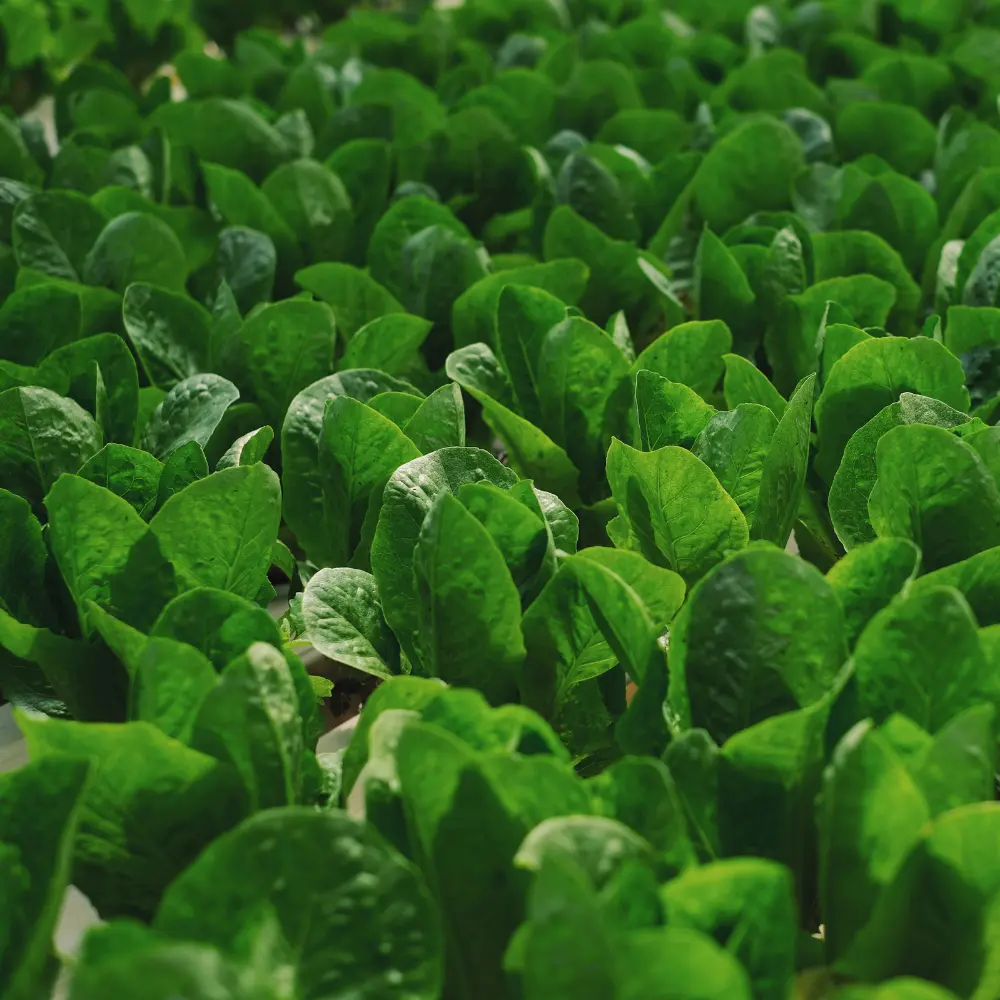
Spinach
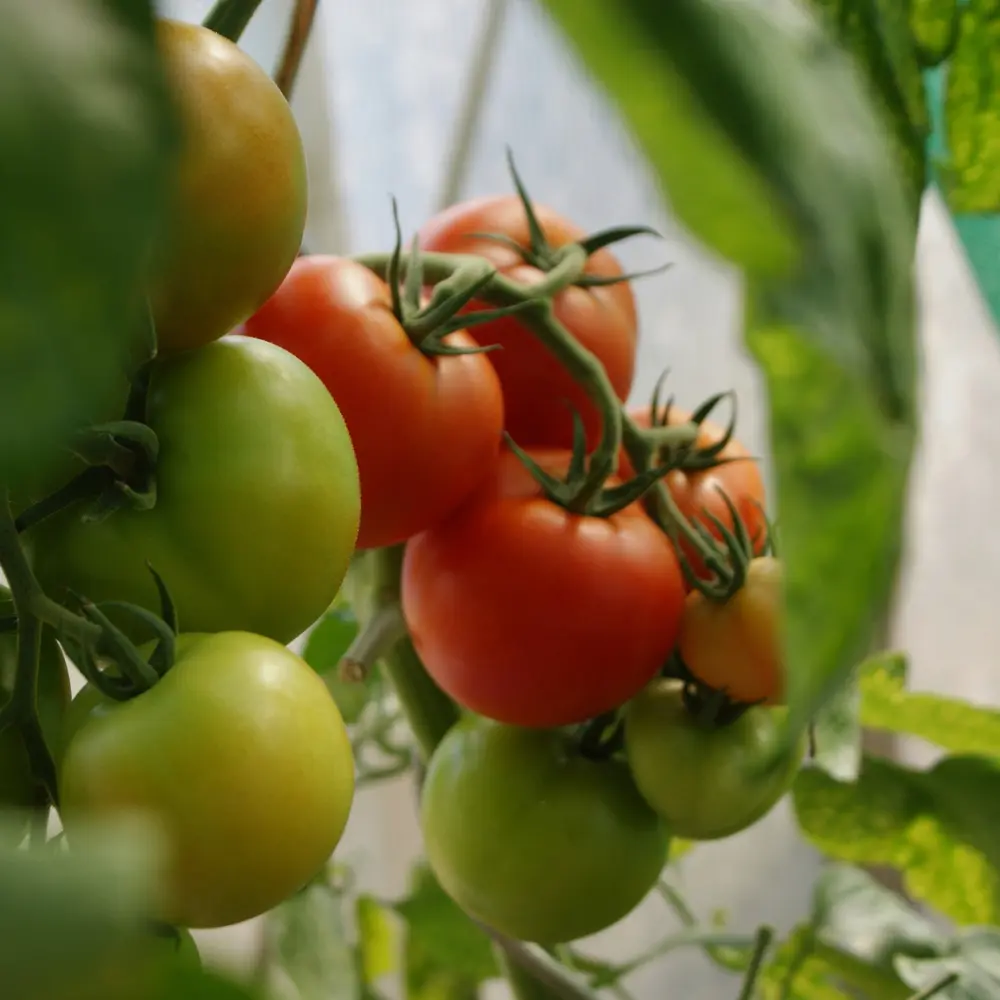
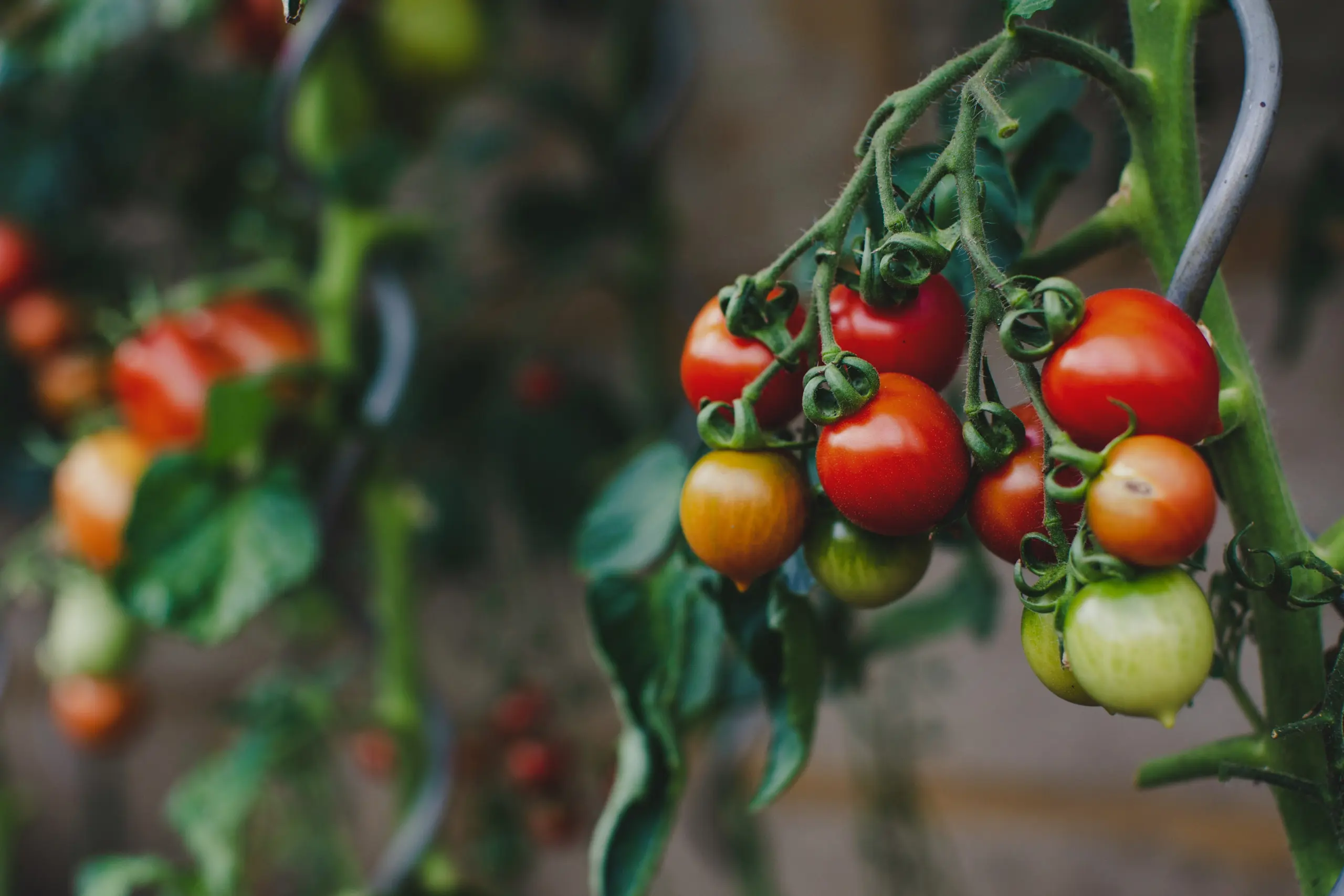
Tomato
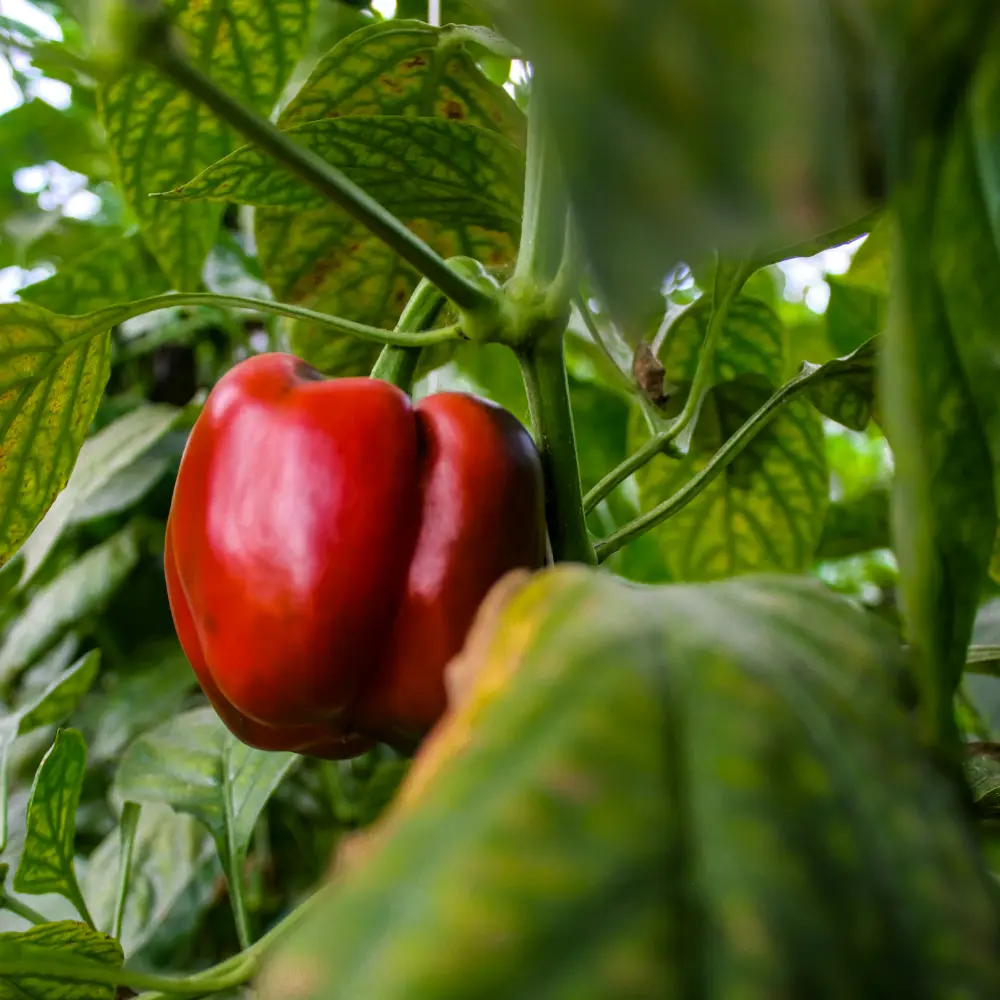
Bell pepper
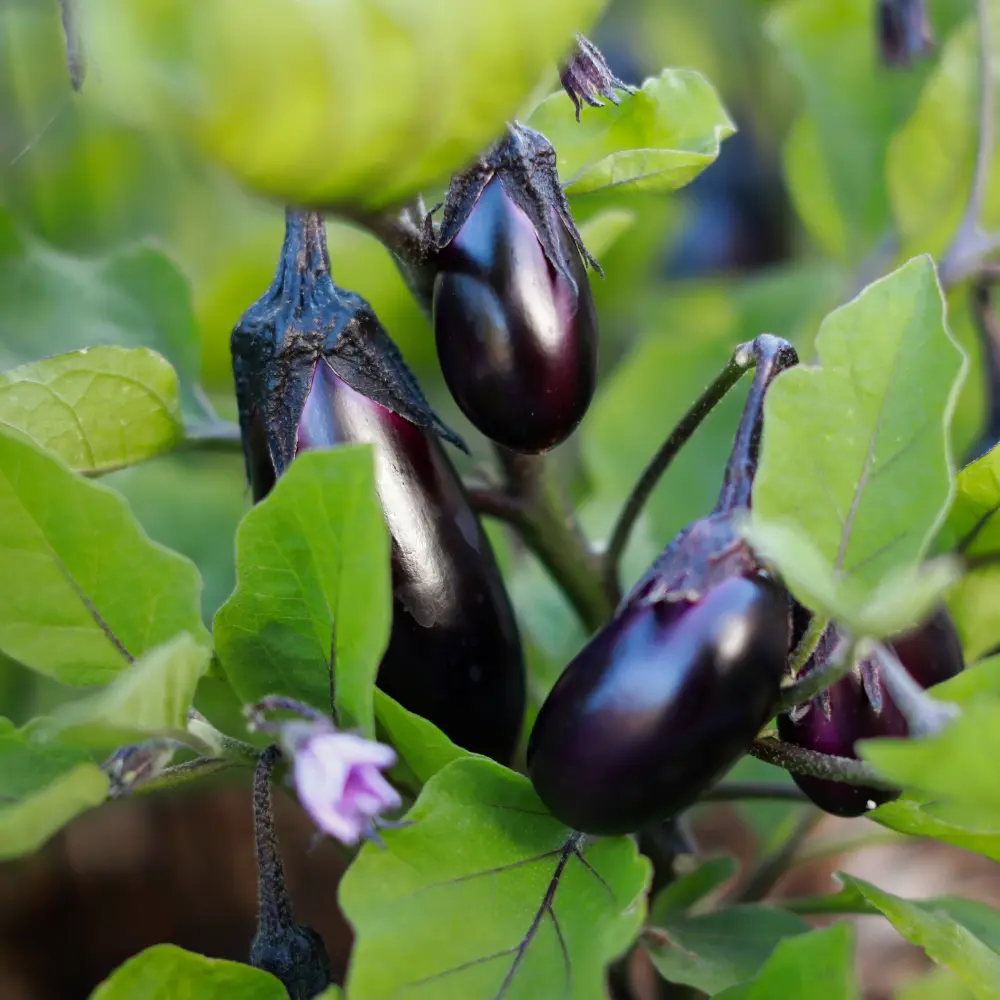
Eggplant
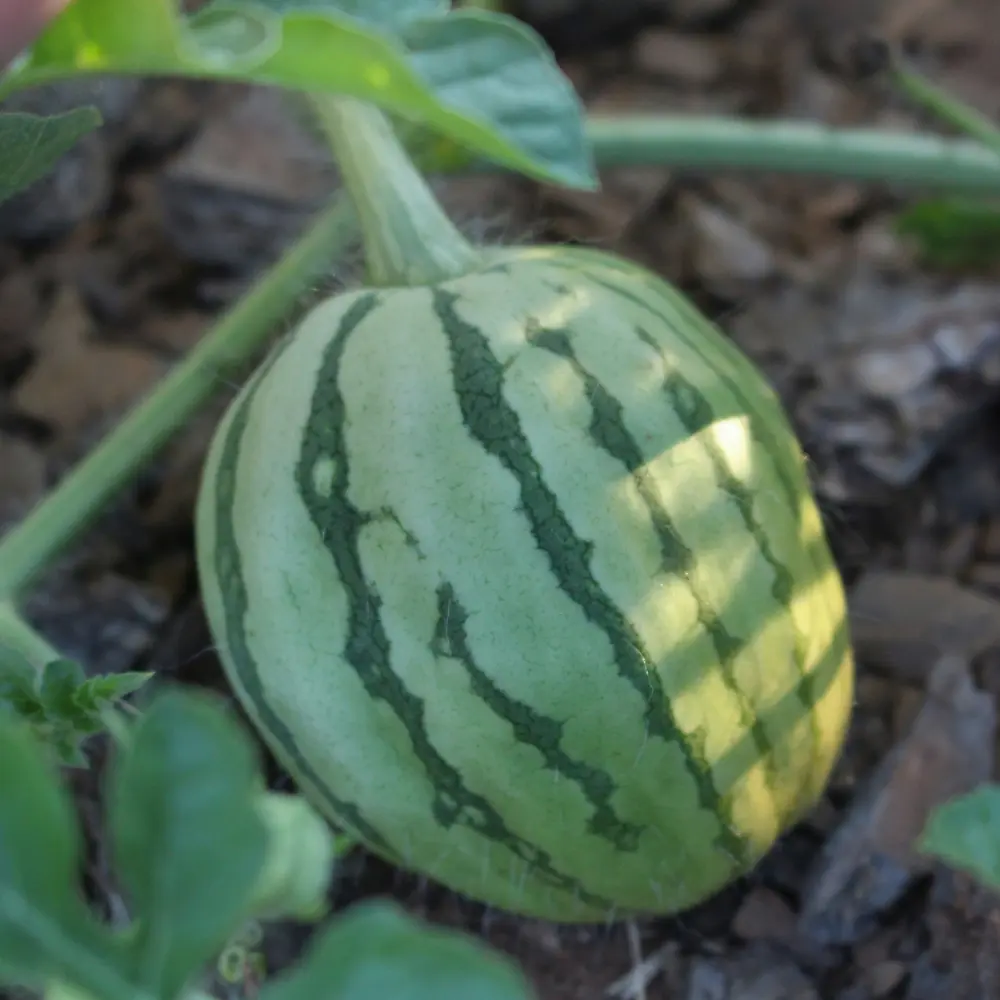
Watermelon
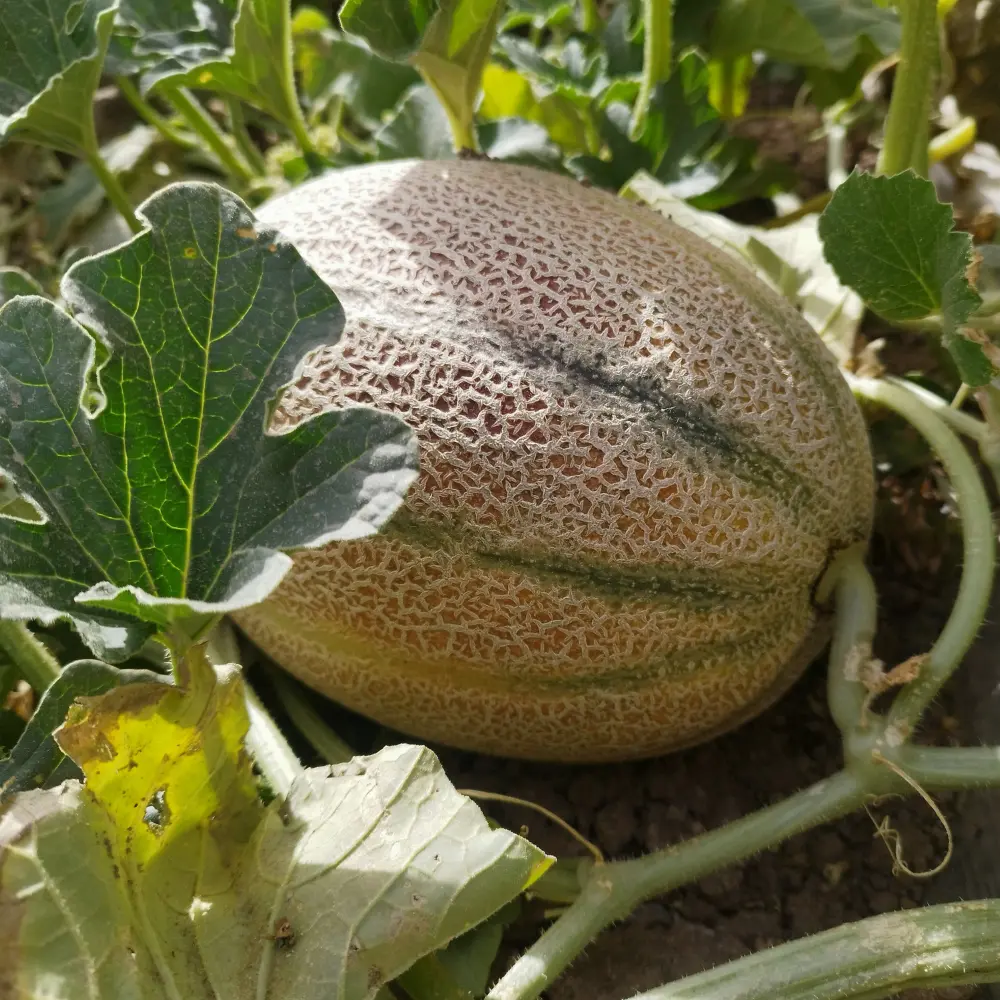
Melon
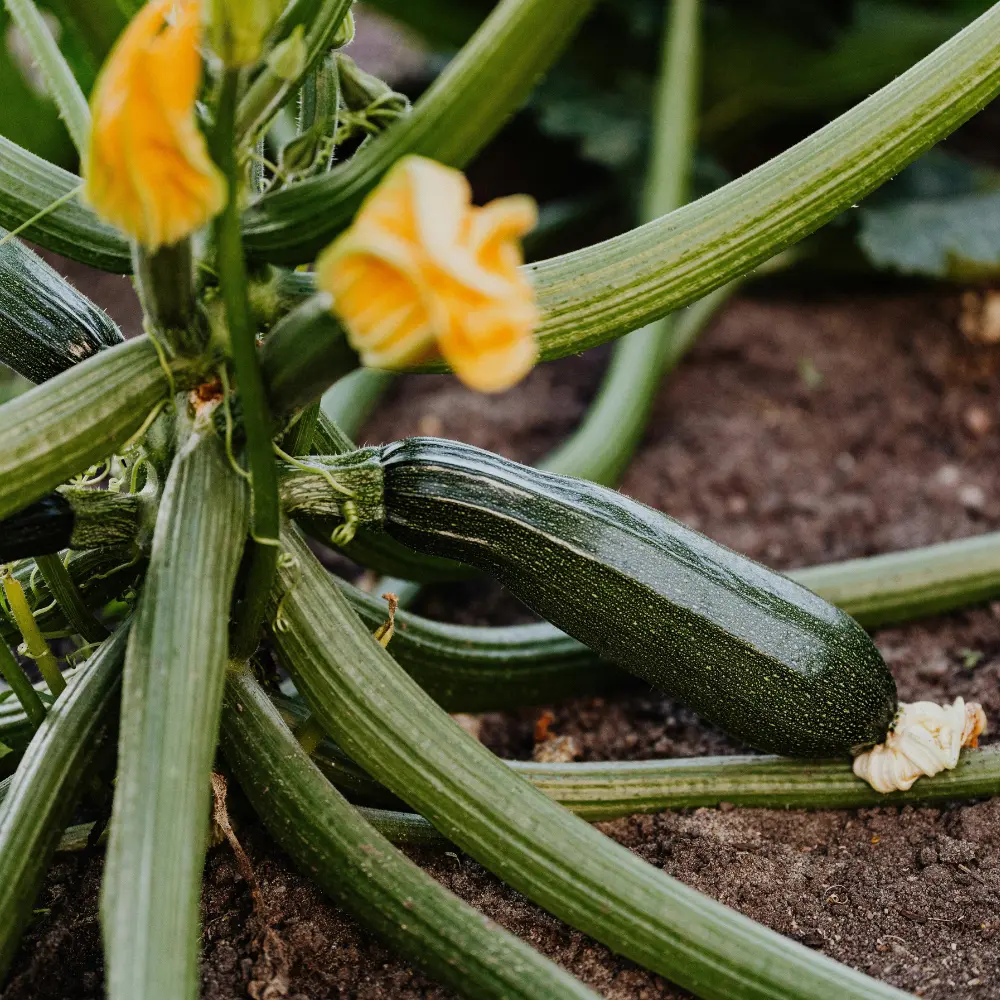
Zucchini
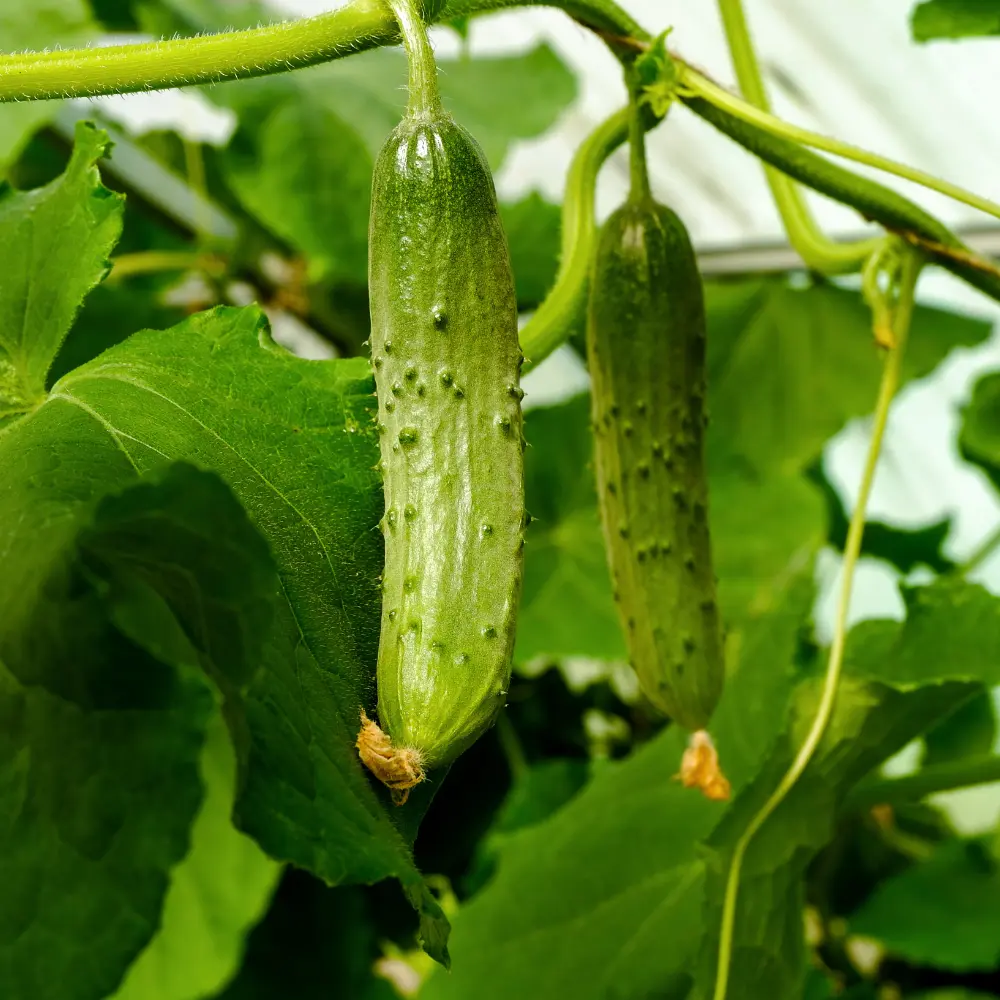
Cucumber
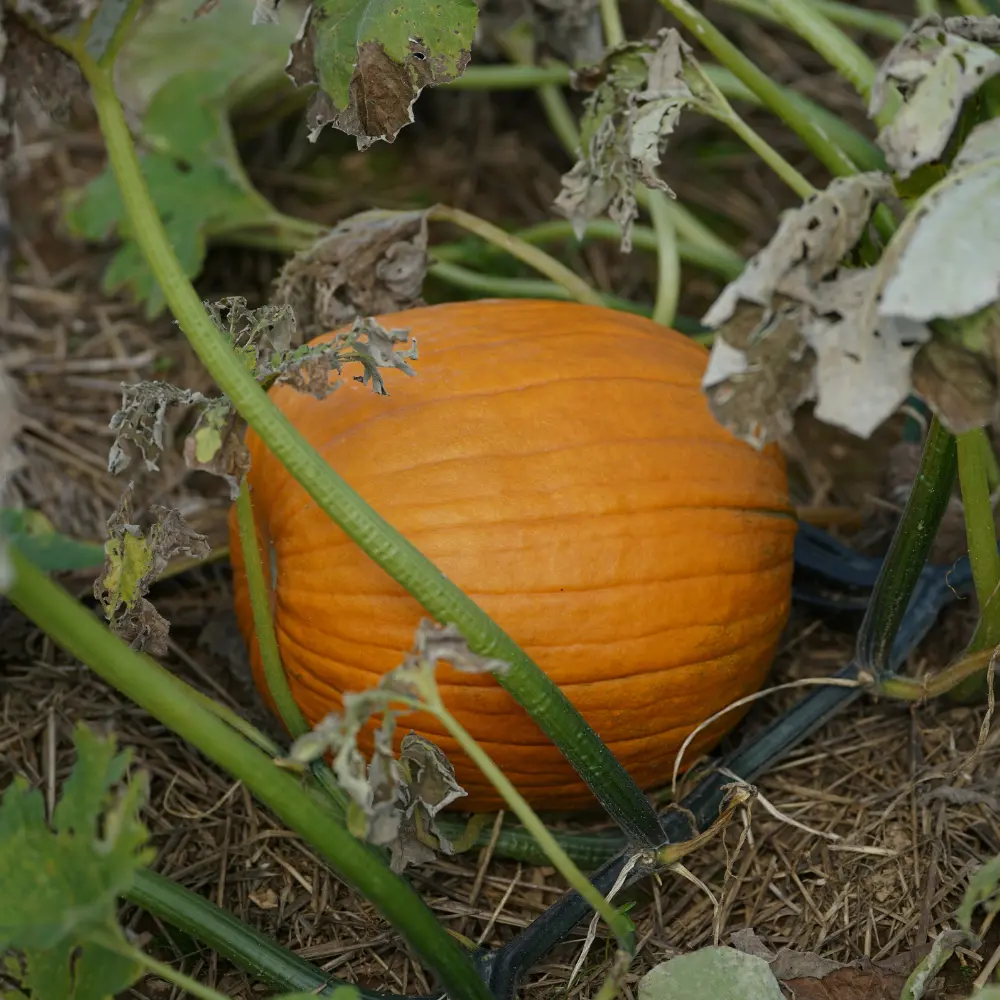
Pumpkin
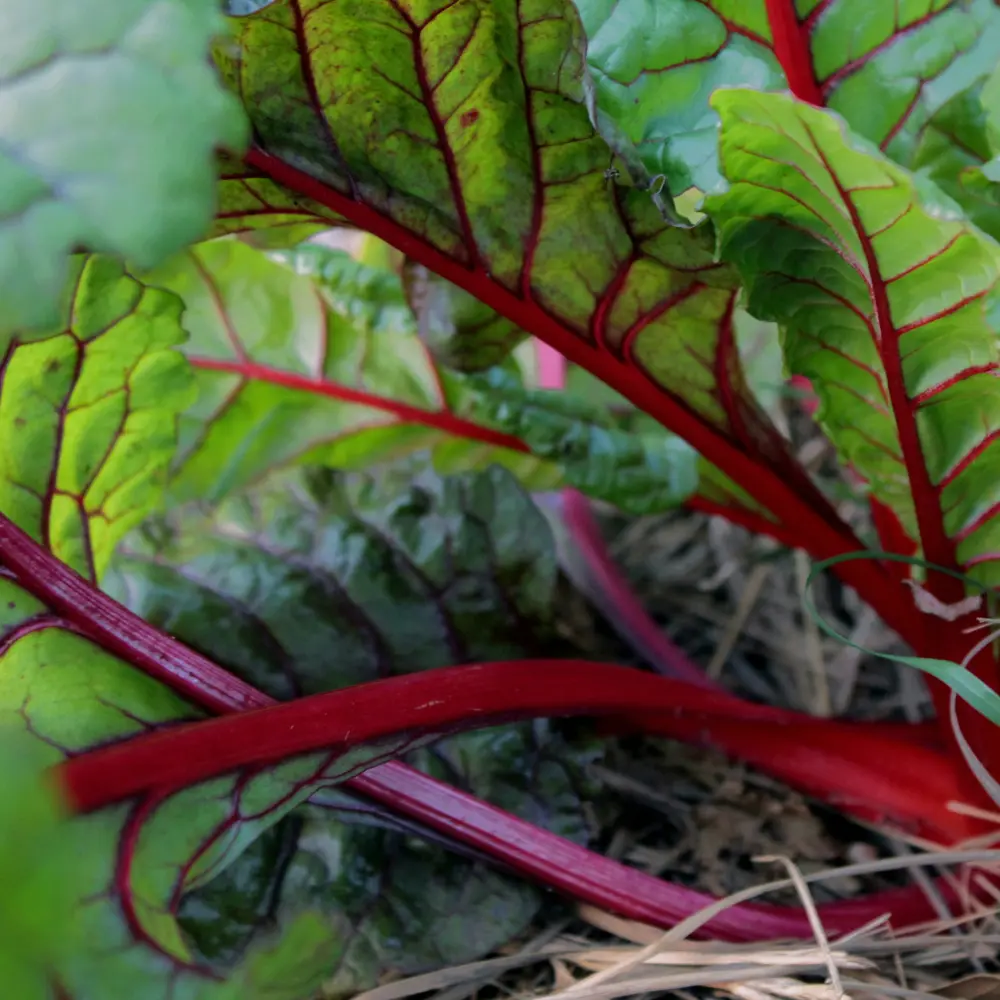
Swiss chard
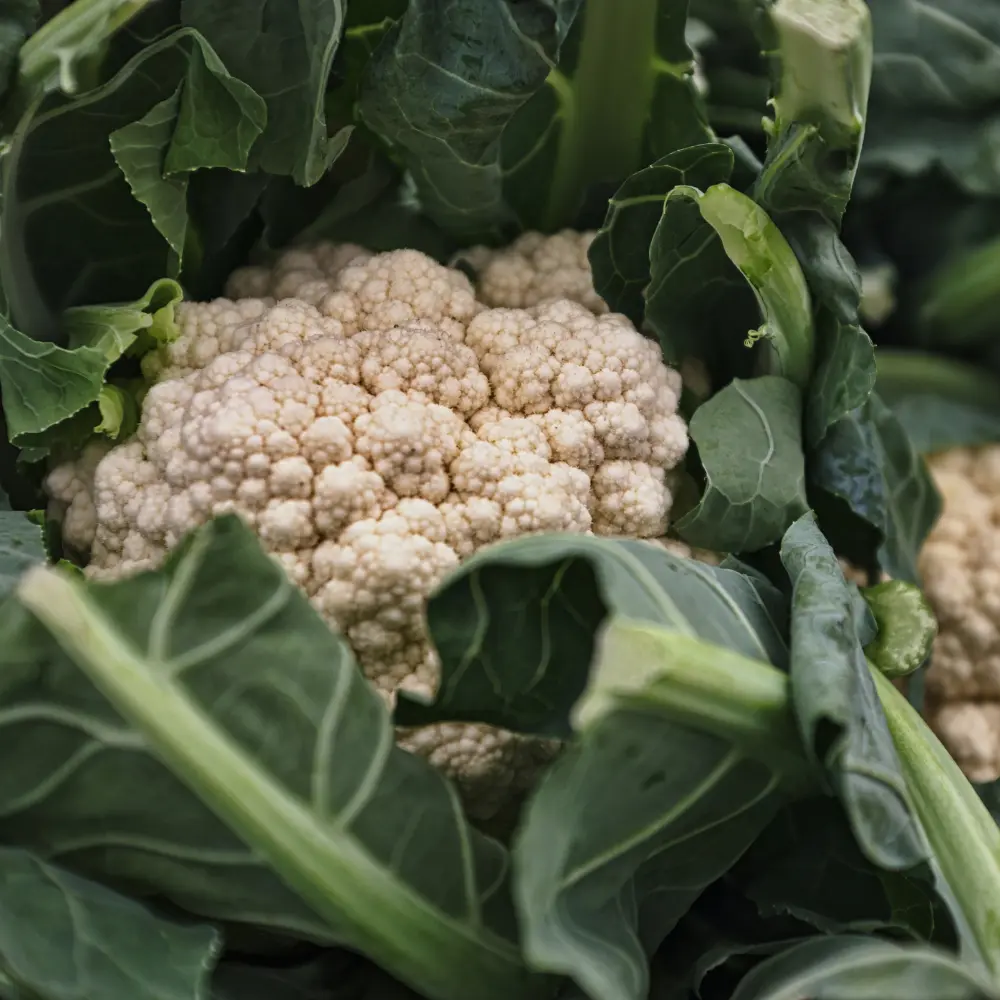
Brassicas: broccoli, cabbage, and cauliflower
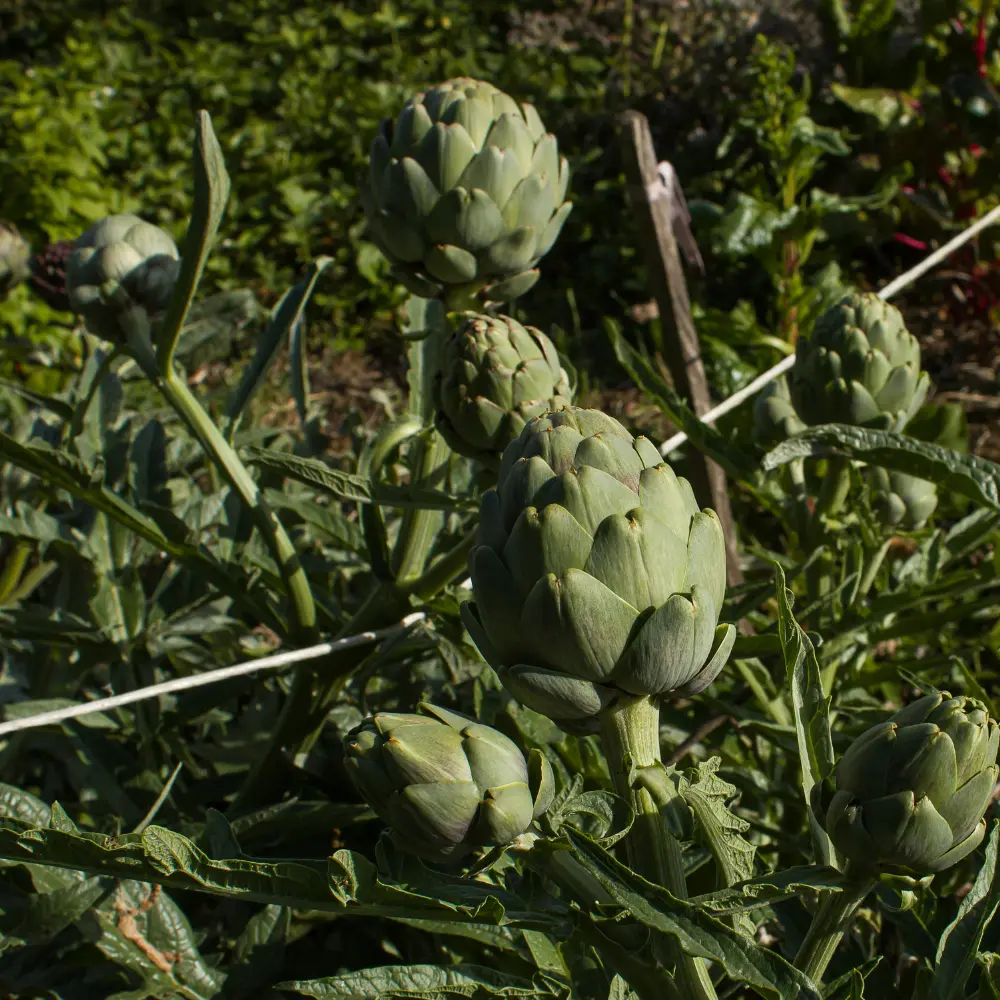
Artichokes
Key Challenges for Leafy and Fruit Vegetables
Optimize water use
Manage Fertilizers Effectively
Control of agricultural inputs
Preventing climatical adverse conditions
Reduce the risk of pests and diseases
Optimizing post-harvest quality
How VEGGA Helps Leafy Vegetables and Fruit
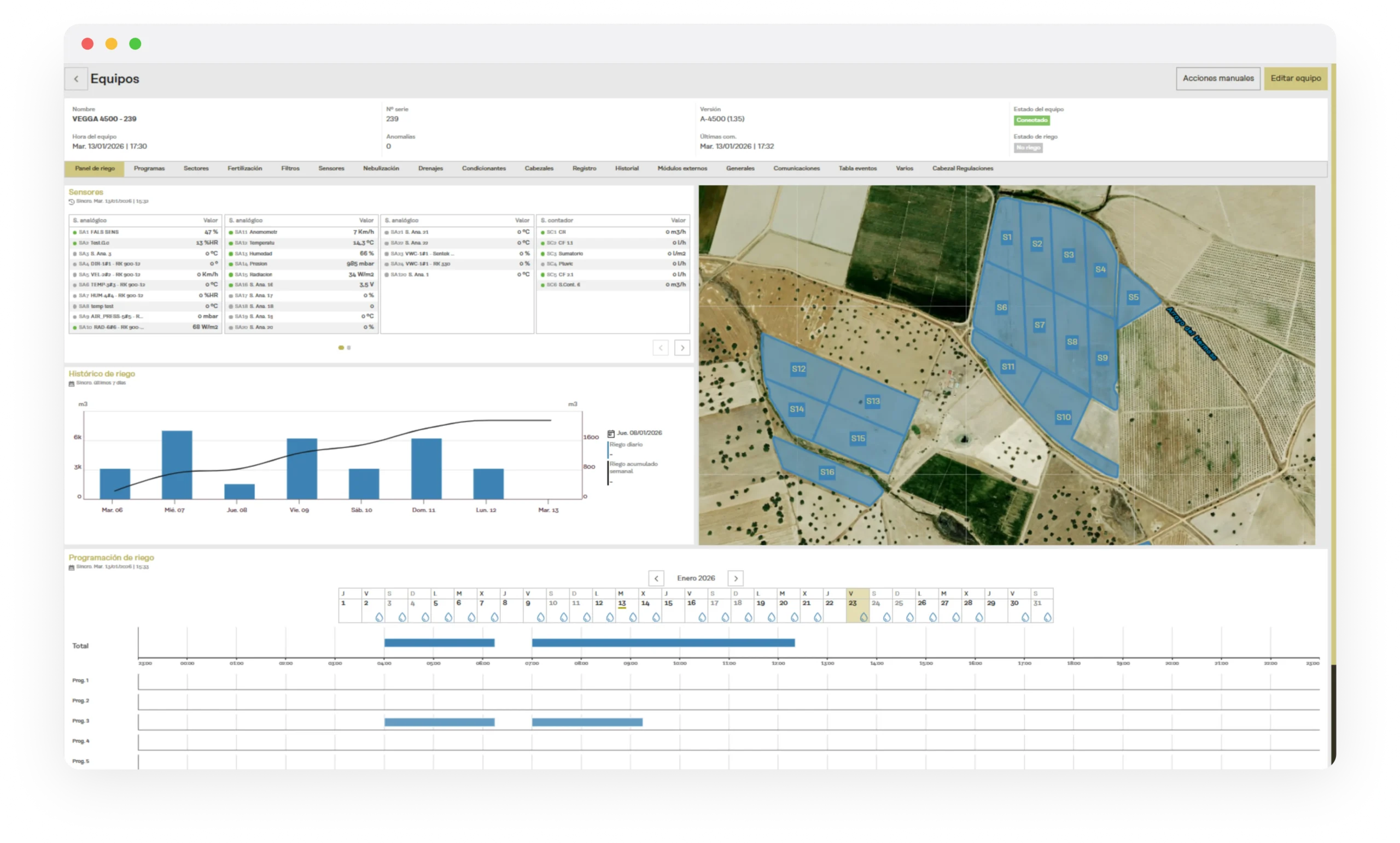
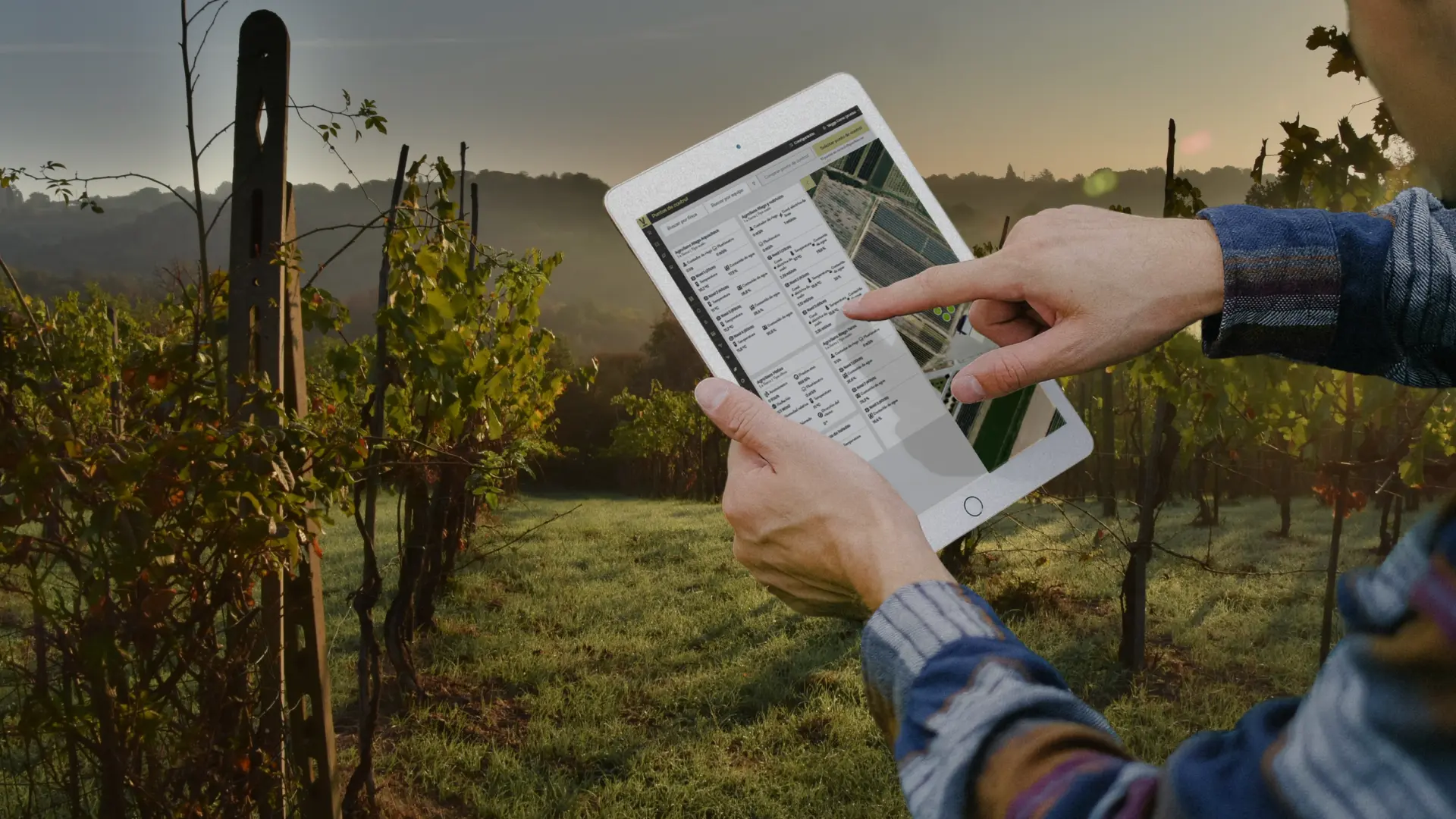
– Manages fertigation precisely by programming and monitoring the irrigation system.
– Balances water supply with irrigation pulses based on crop needs and the crop’s growth stage.
– Access irrigation reports and historical data, including audits, to validate decisions and improve water use efficiency.
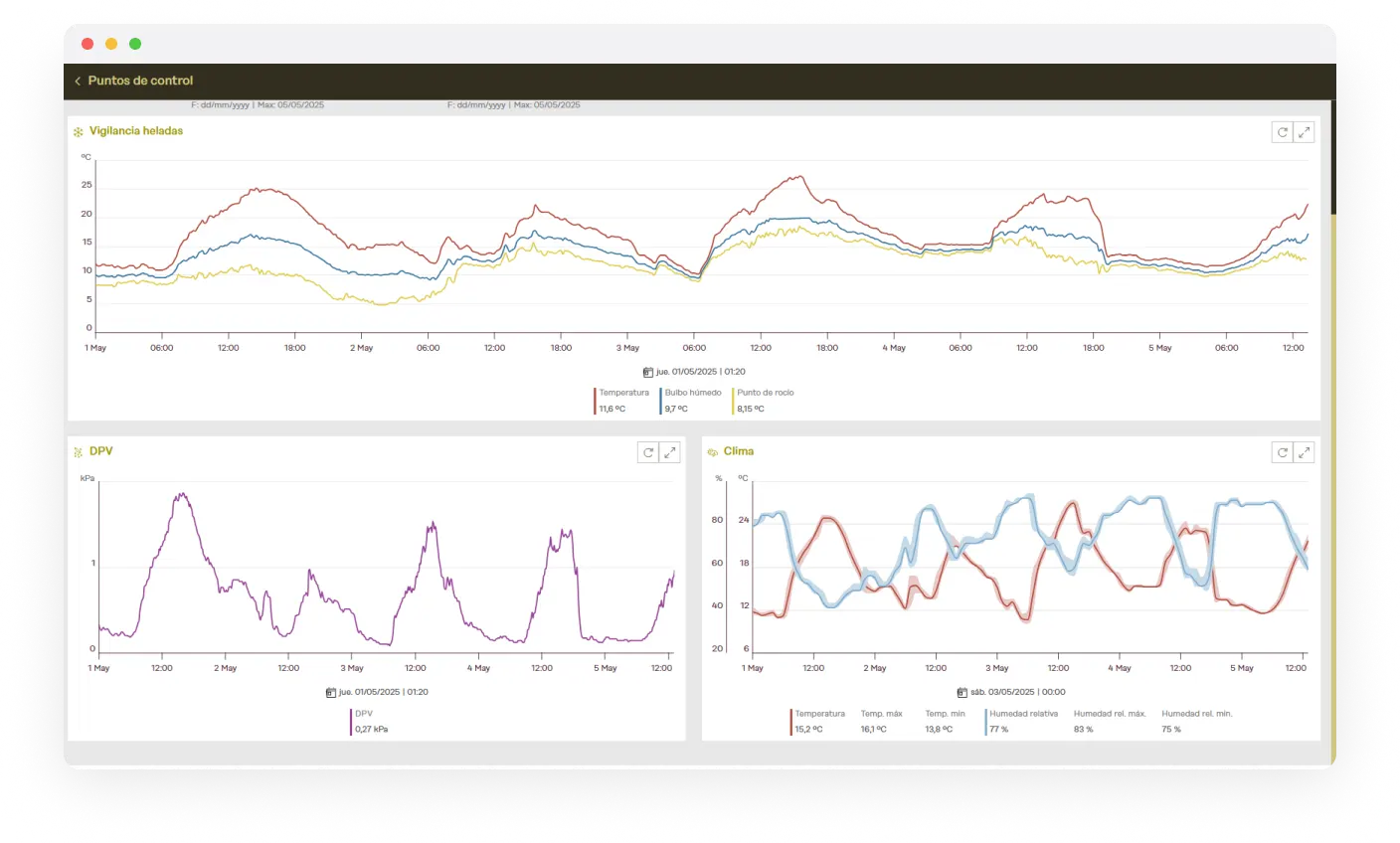
– Learn how water behaves in the soil to better plan for irrigation needs and optimize water use.
– Monitors weather conditions in real time to determine irrigation, fertigation, planting, and the activation of protective systems (vents, micro-sprinklers, drainage, mixing of waters) based on climatical risks.
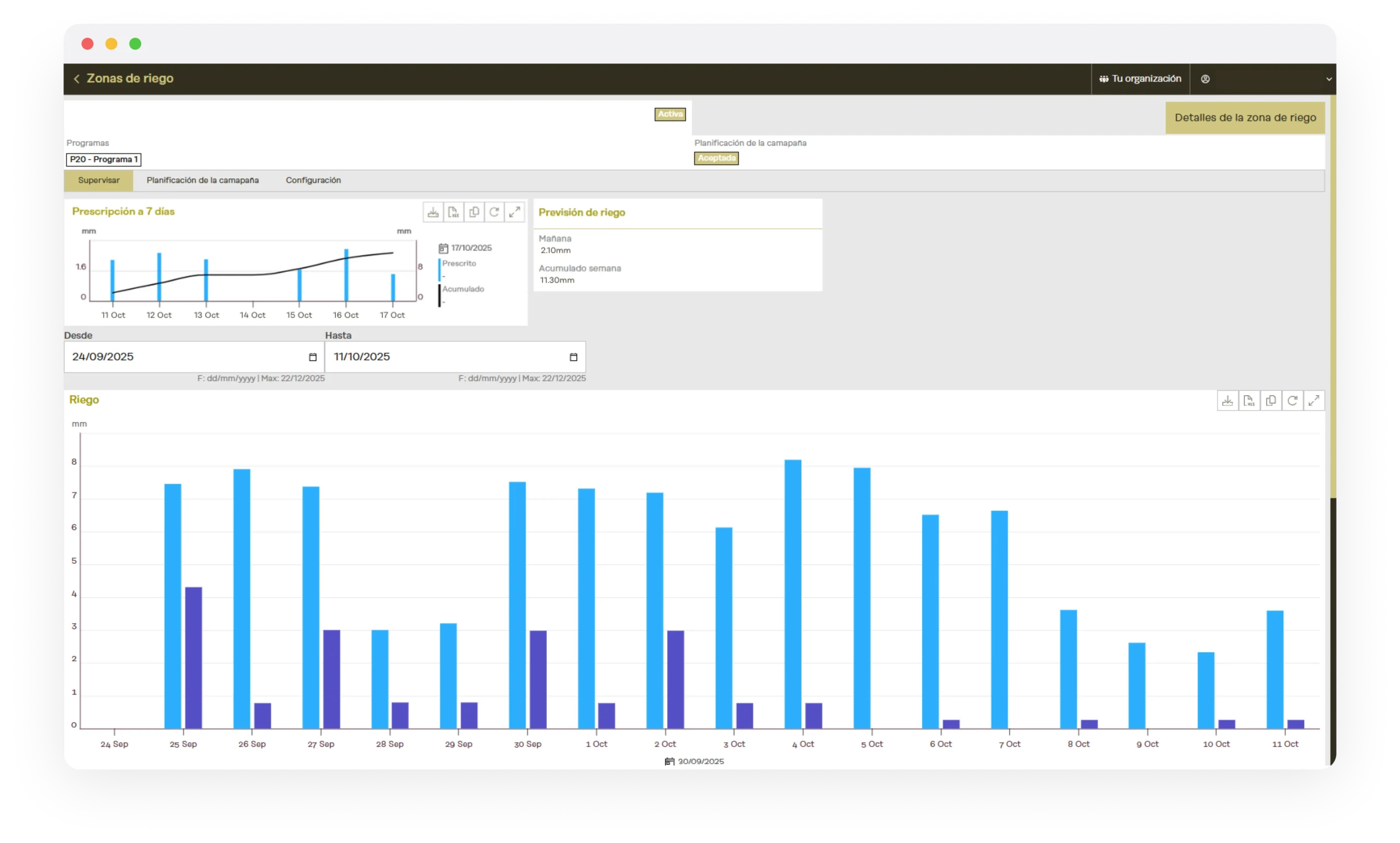
– Predict the water requirements of your vegetable crop to improve yield stability, uniform ripening, and overall yields.
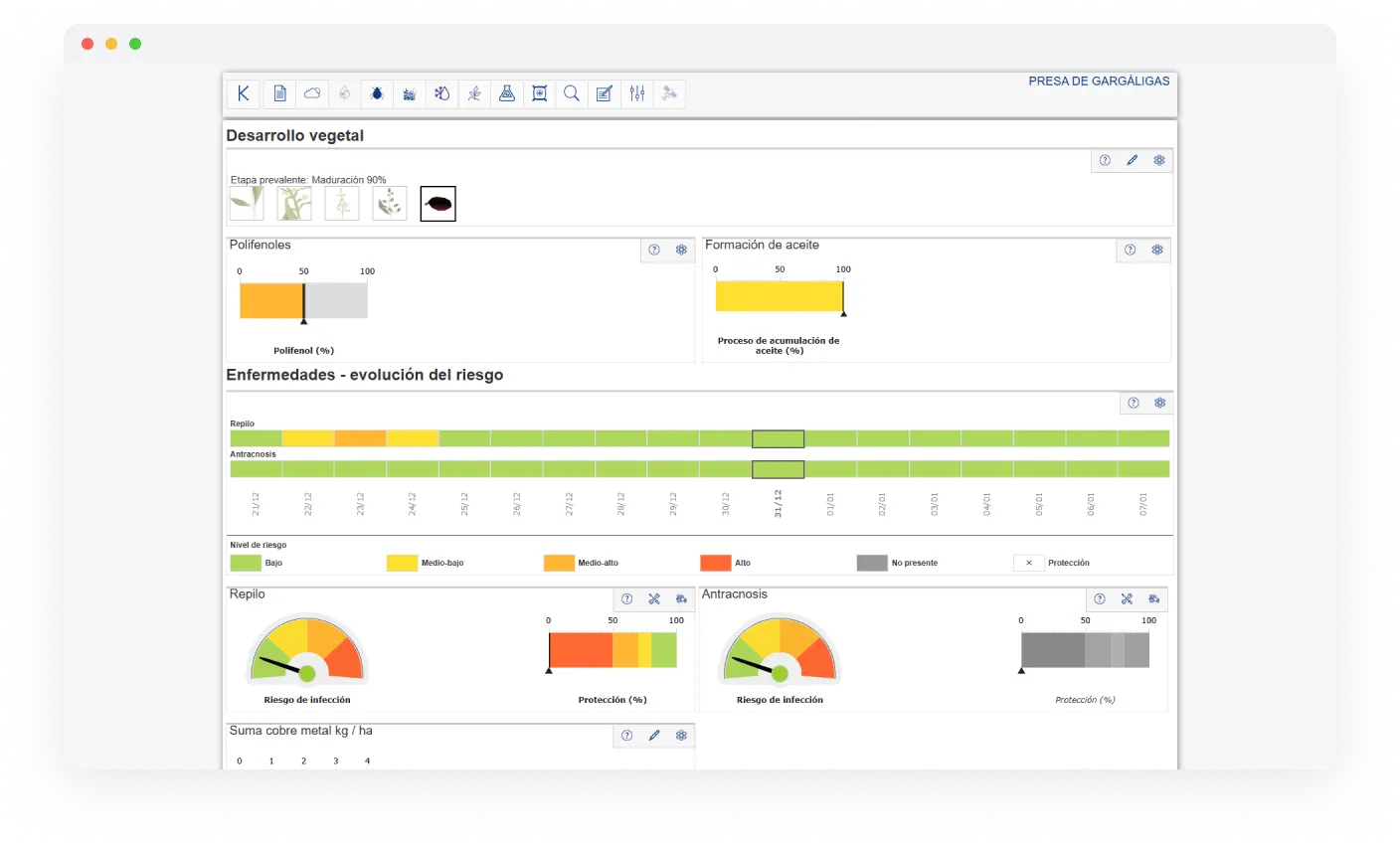
– Assesses pest and disease risks and enables the efficient application of phytosanitary treatments.
– Reduces the use of chemicals and ensures healthier, more productive crops, improving quality and yield, especially in processing tomatoes and sensitive vegetables.
Benefits of managing leafy vegetables and fruit crops with VEGGA
Improved performance and product quality
Specific quality requirements by vegetable type
Post-harvest quality and shelf life
Intraplot uniformity and harvest planning
Stress and Climate Risk Control
Integrated water and nutrient management
Operating Profitability
Common pests and diseases of leafy and fruit vegetables