Smart irrigation control: easier, faster, and more efficient
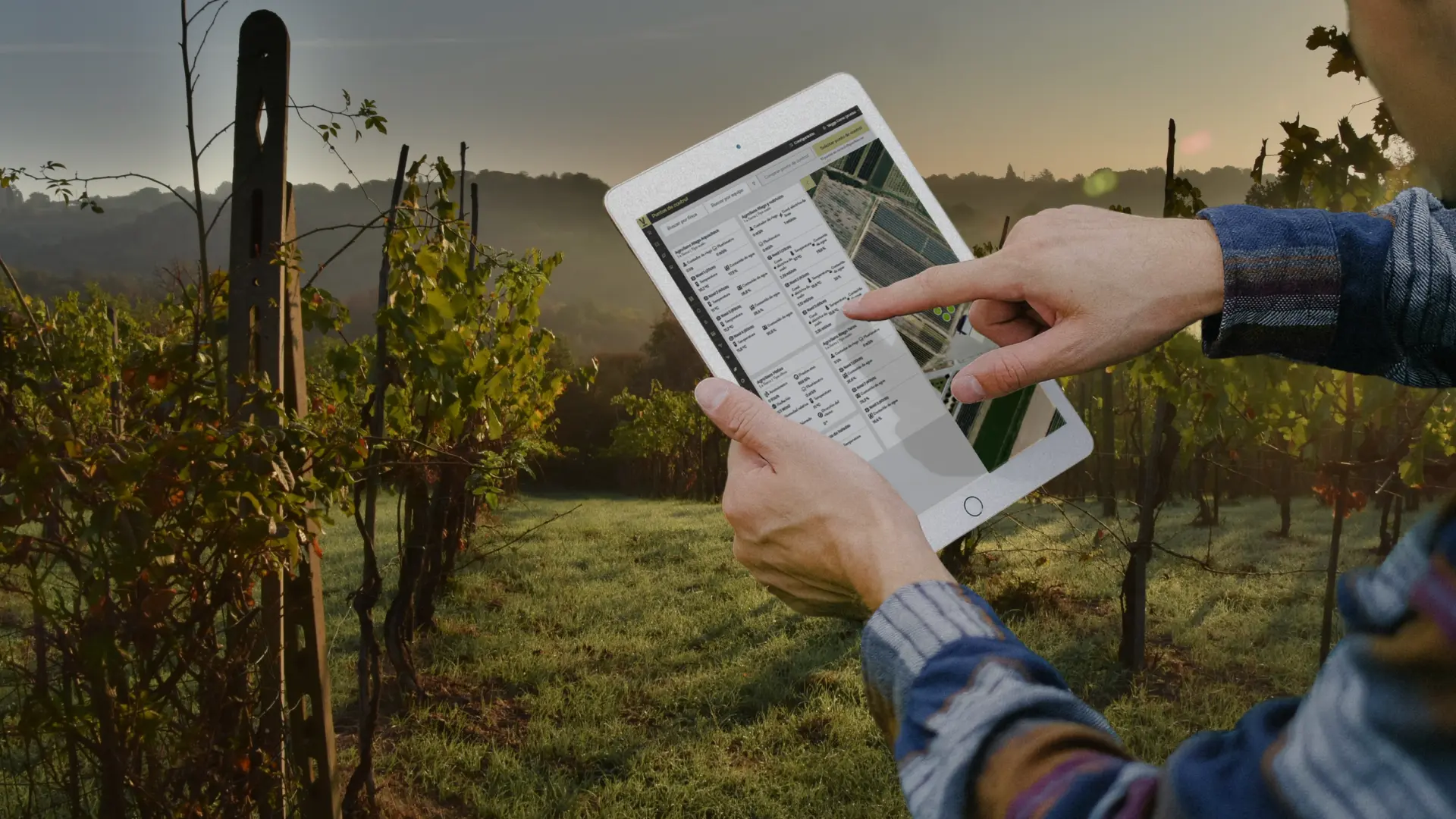
Manage irrigation for your farm from anywhere, save time and water, and ensure your crops get exactly what they need. With VEGGA and Agrónic controllers, managing irrigation for your fields has never been easier.
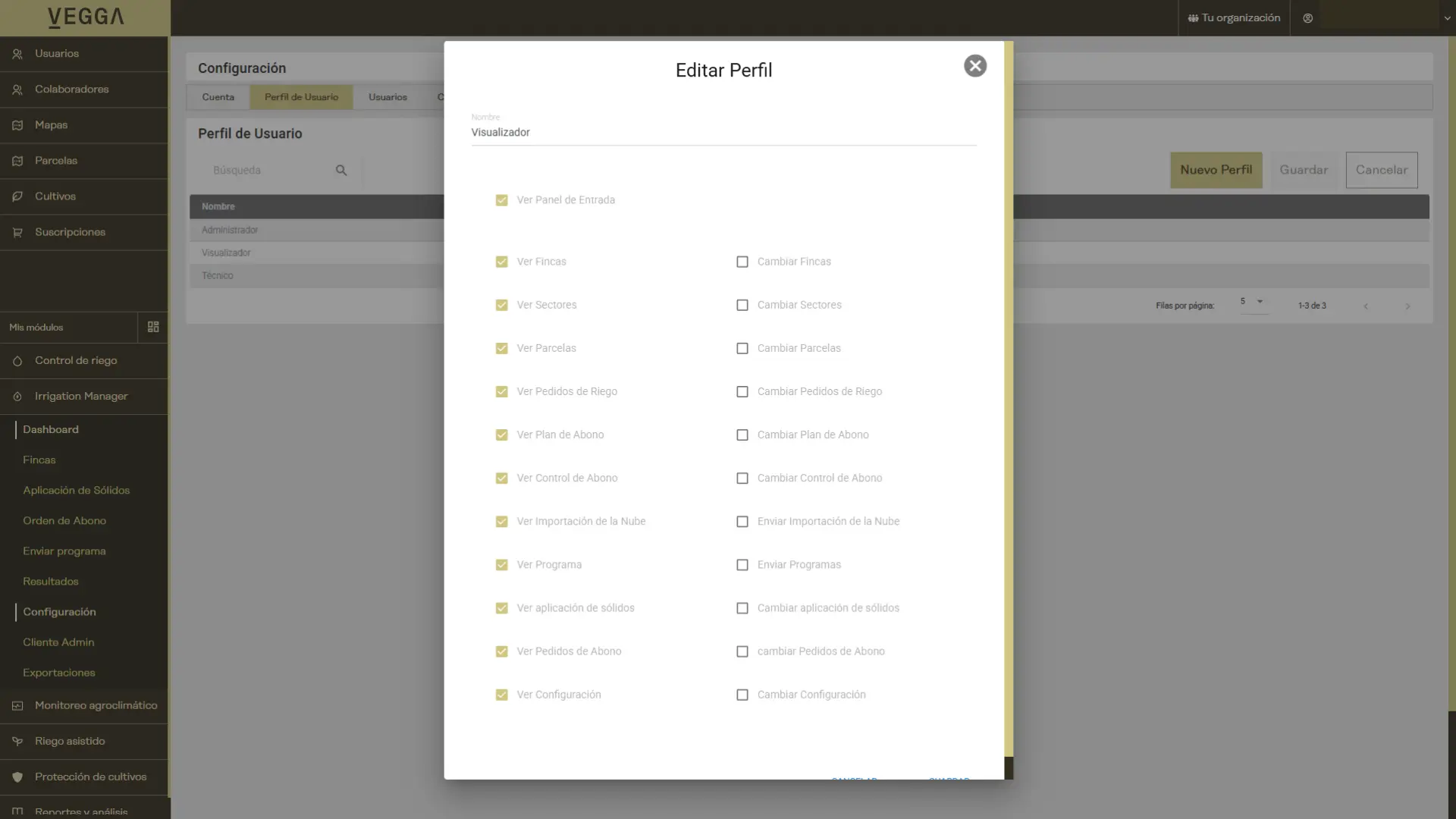
Control your irrigation without having to go out to the field
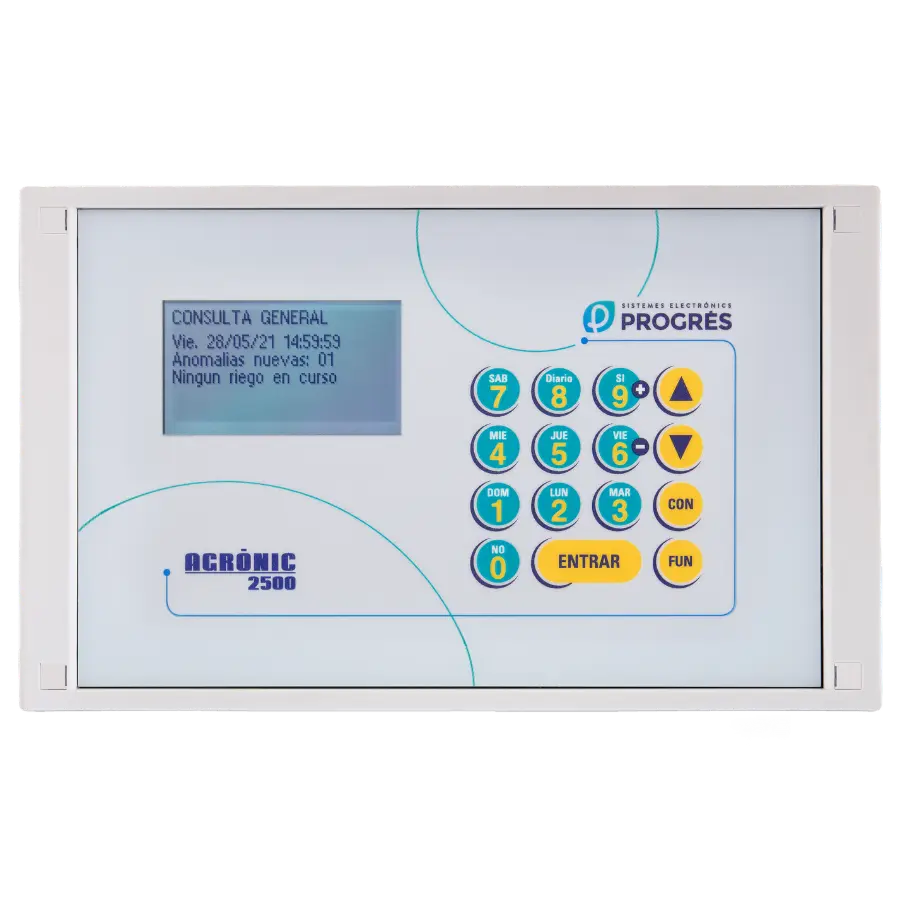
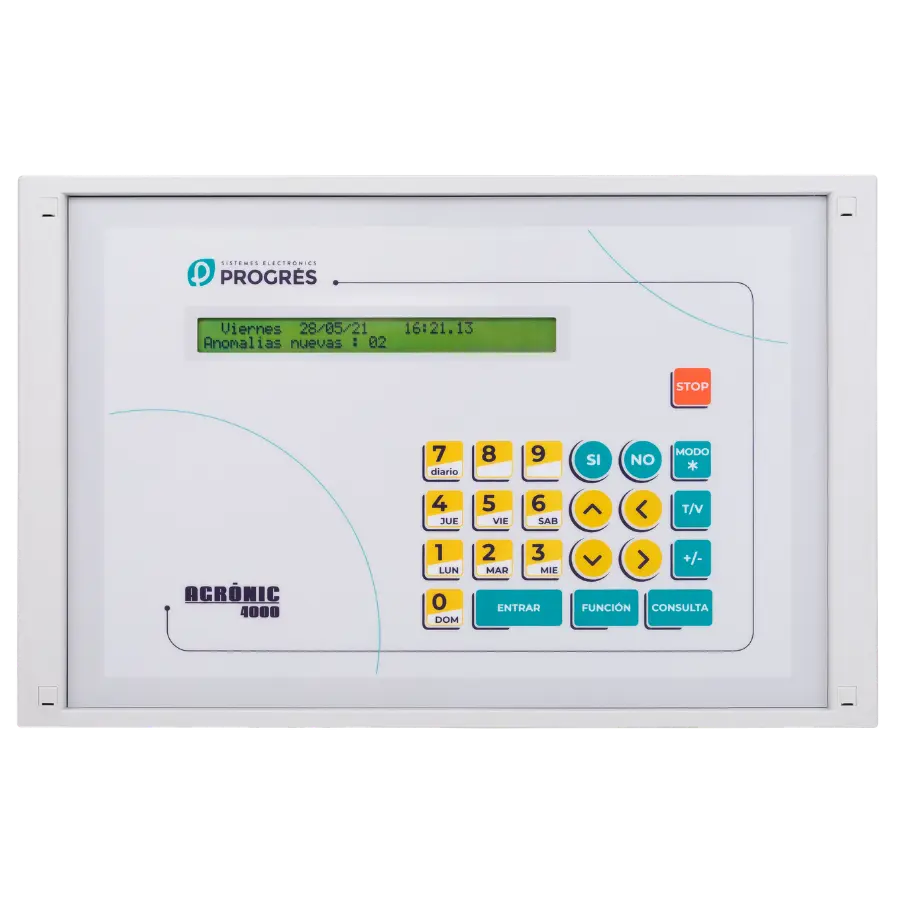
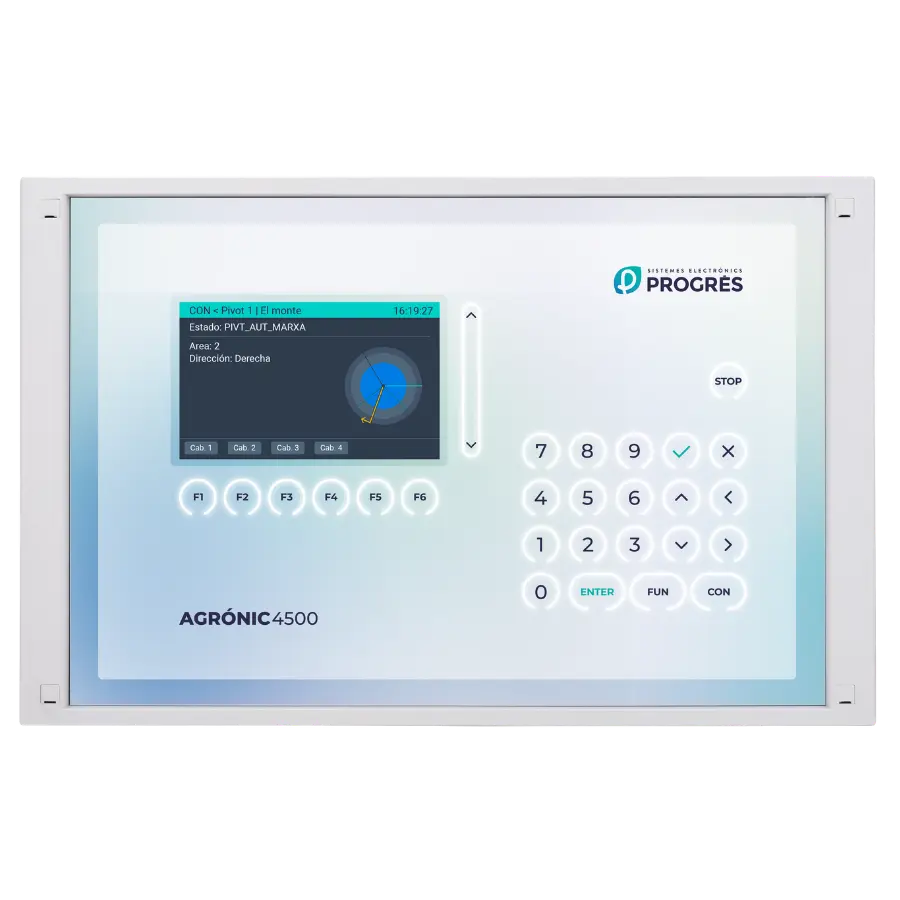
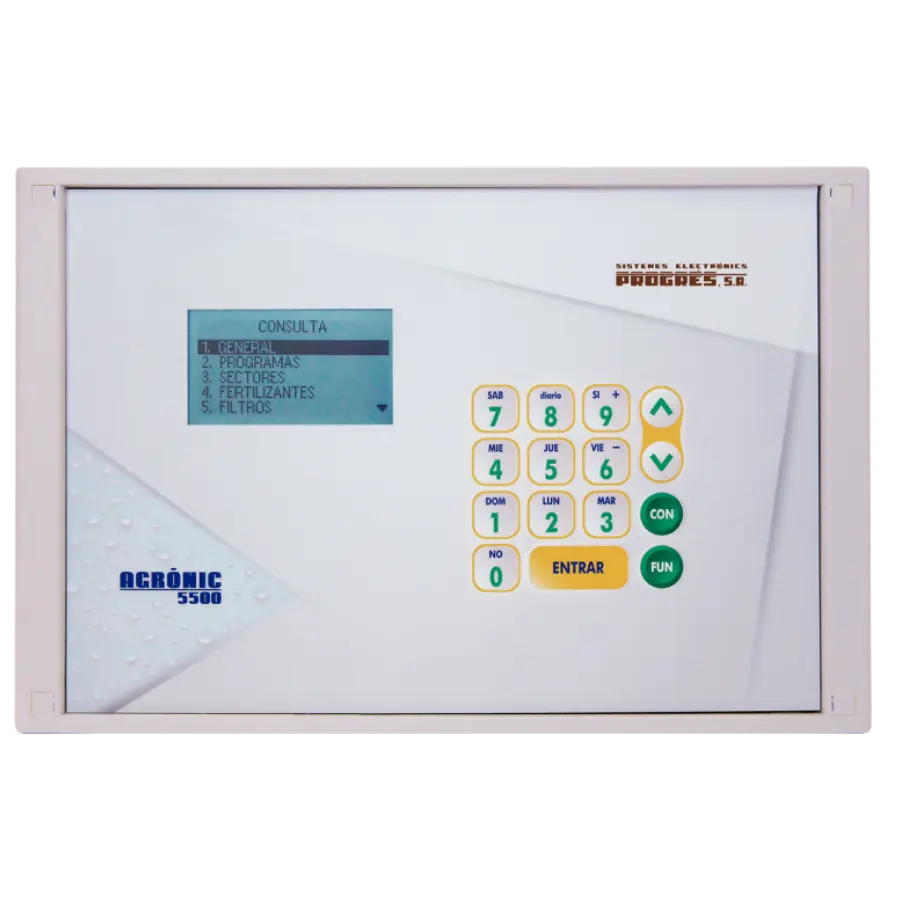
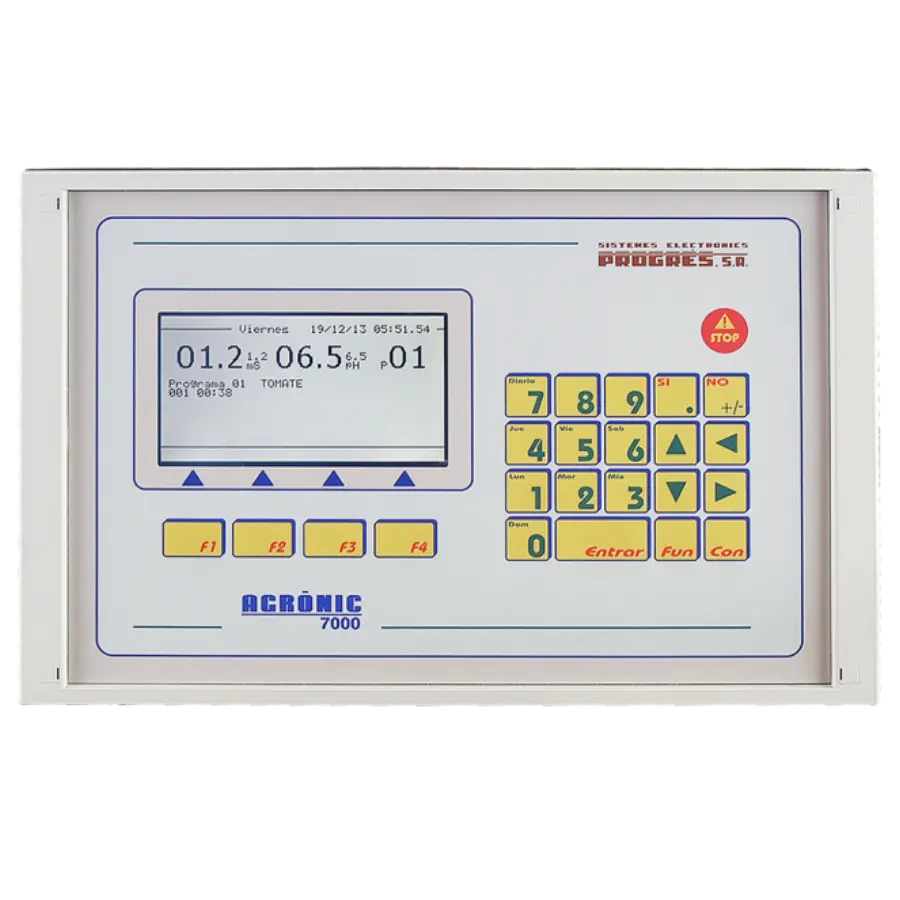
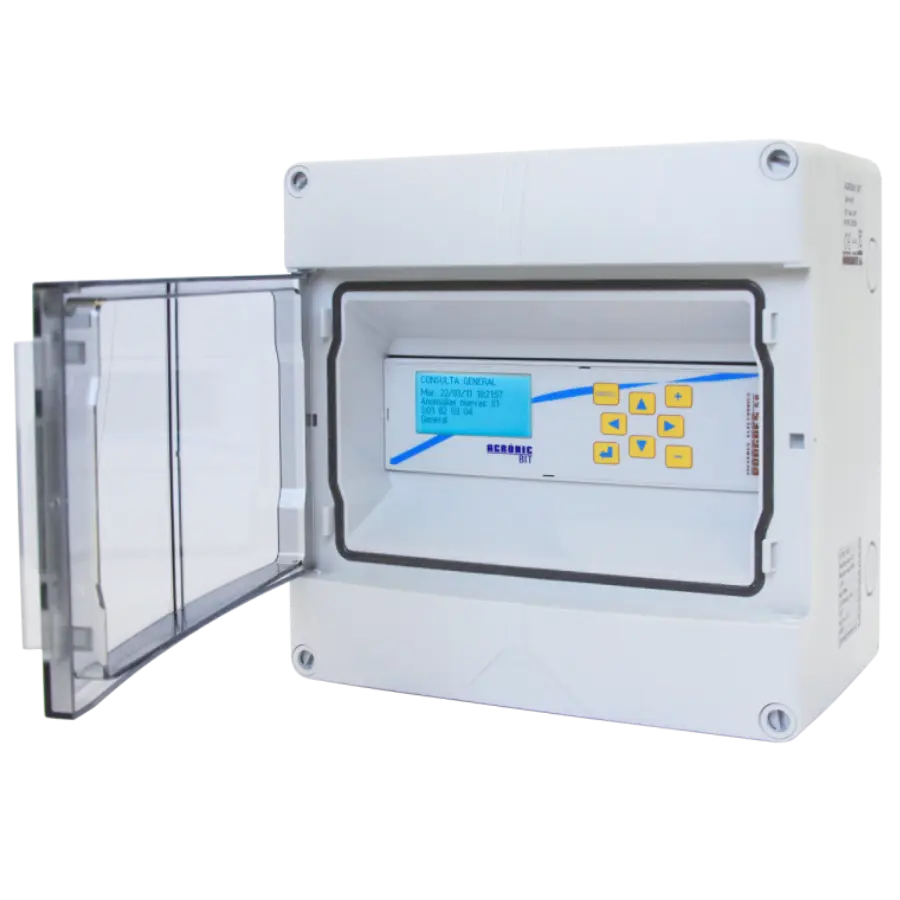
Forget about having to go out to the fields every time it’s time to water. With VEGGA, you can automate agricultural irrigation and access the Agrónic controller remotely—available for models 2500, 4000, 4500, 5500, 7000, and Bit.
Automate agricultural irrigation and program your fields from your phone or computer.
Visualise your fields on a digital map and see how irrigation is being applied.
Take immediate action in the event of any unforeseen circumstances to prevent damage to the crop.
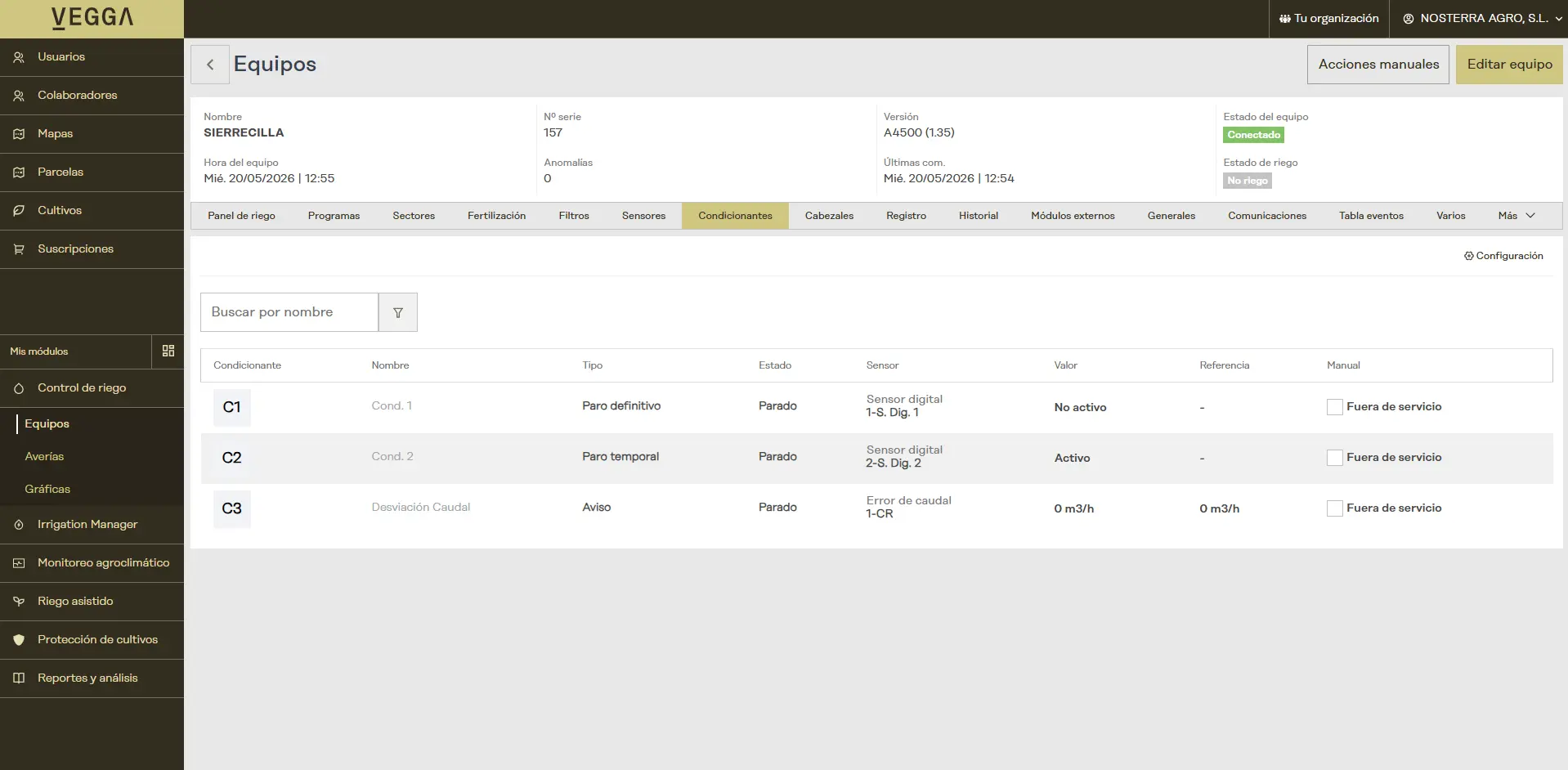
Set up any determining factors that will help you better manage the irrigation system.
2 / 10
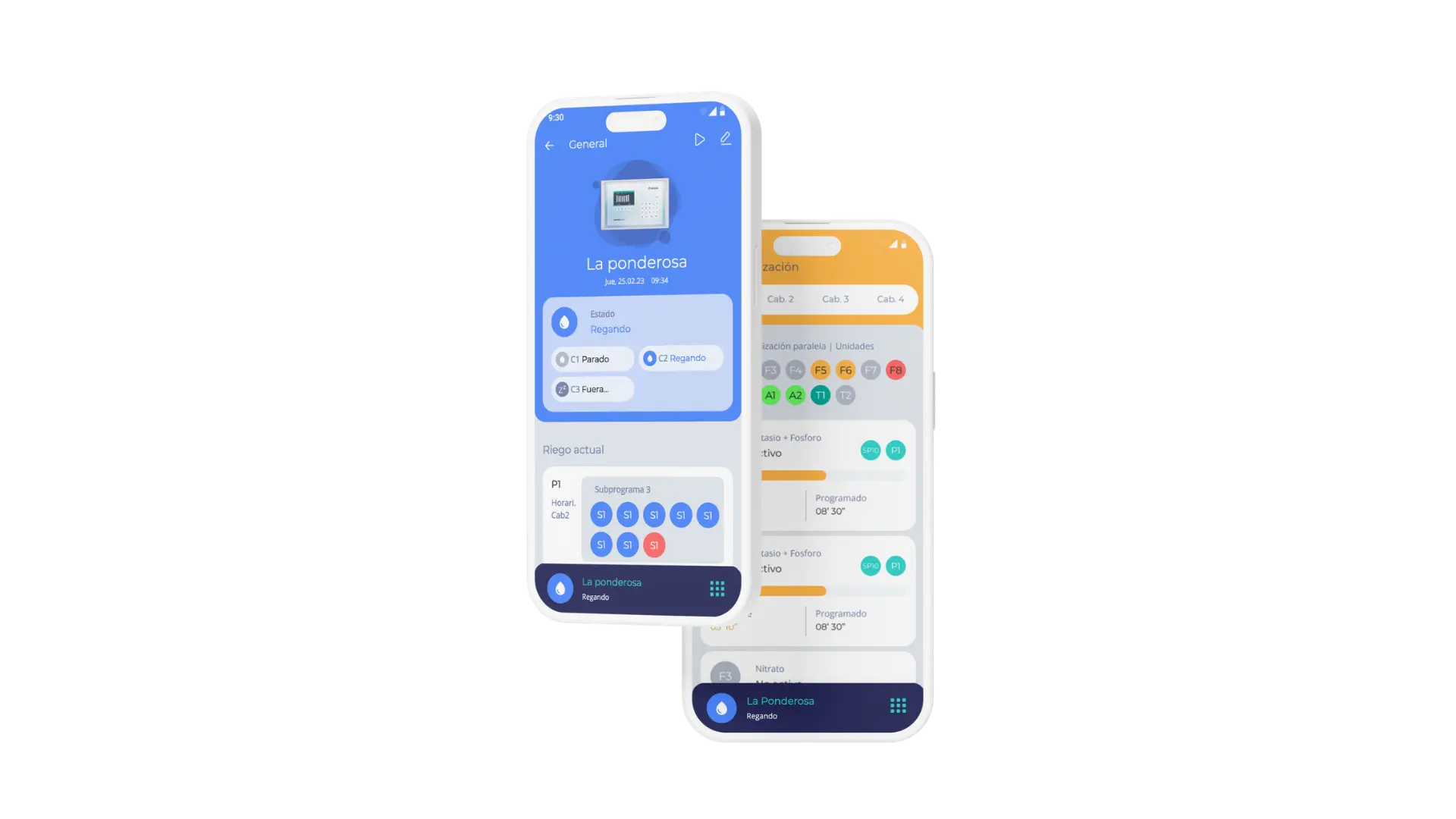
Agrónic App: Full control of your irrigation system right from your phone
The Agrónic mobile app lets you manage your irrigation and fertilization from anywhere, in a simple and intuitive way.
Compatible with all Agrónic models connected to the cloud via VEGGA.
Irrigation and fertilization status by plot.
Daily irrigation history for each sector.
Interactive charts for viewing cumulative totals and irrigation patterns.
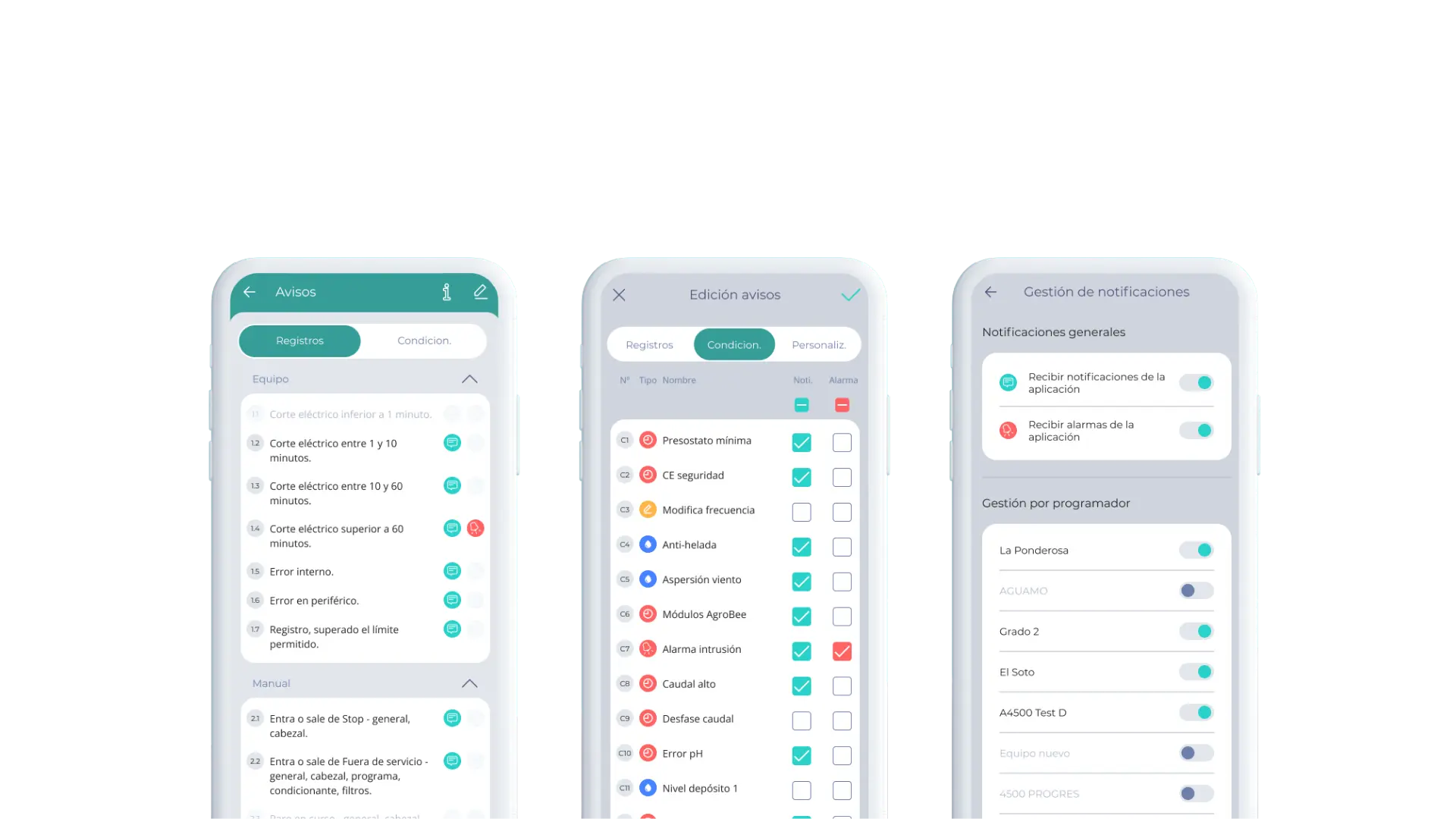
Notifications and alerts, even when the app is closed.
Ability to start or stop irrigation immediately.
3 / 10
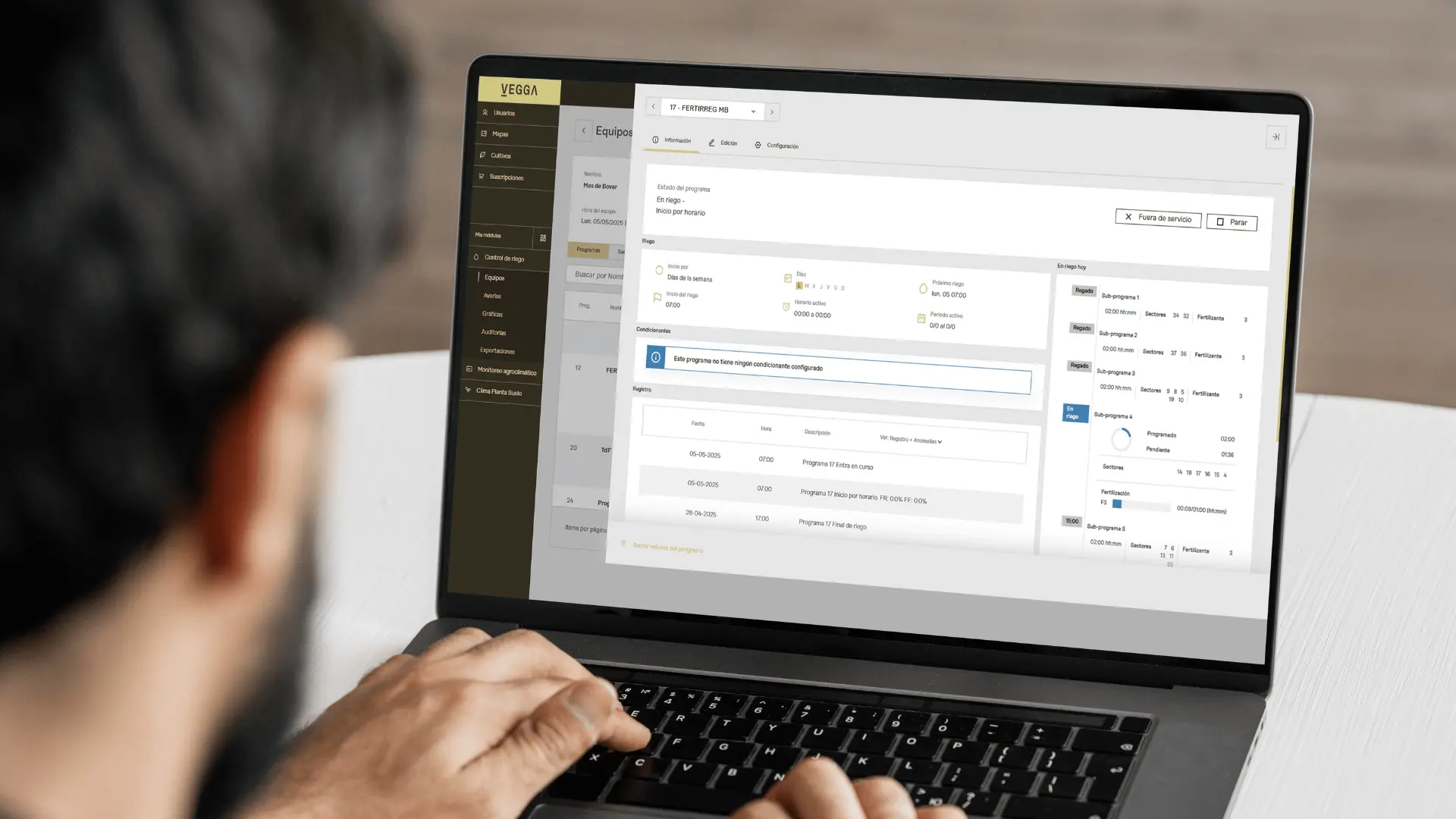
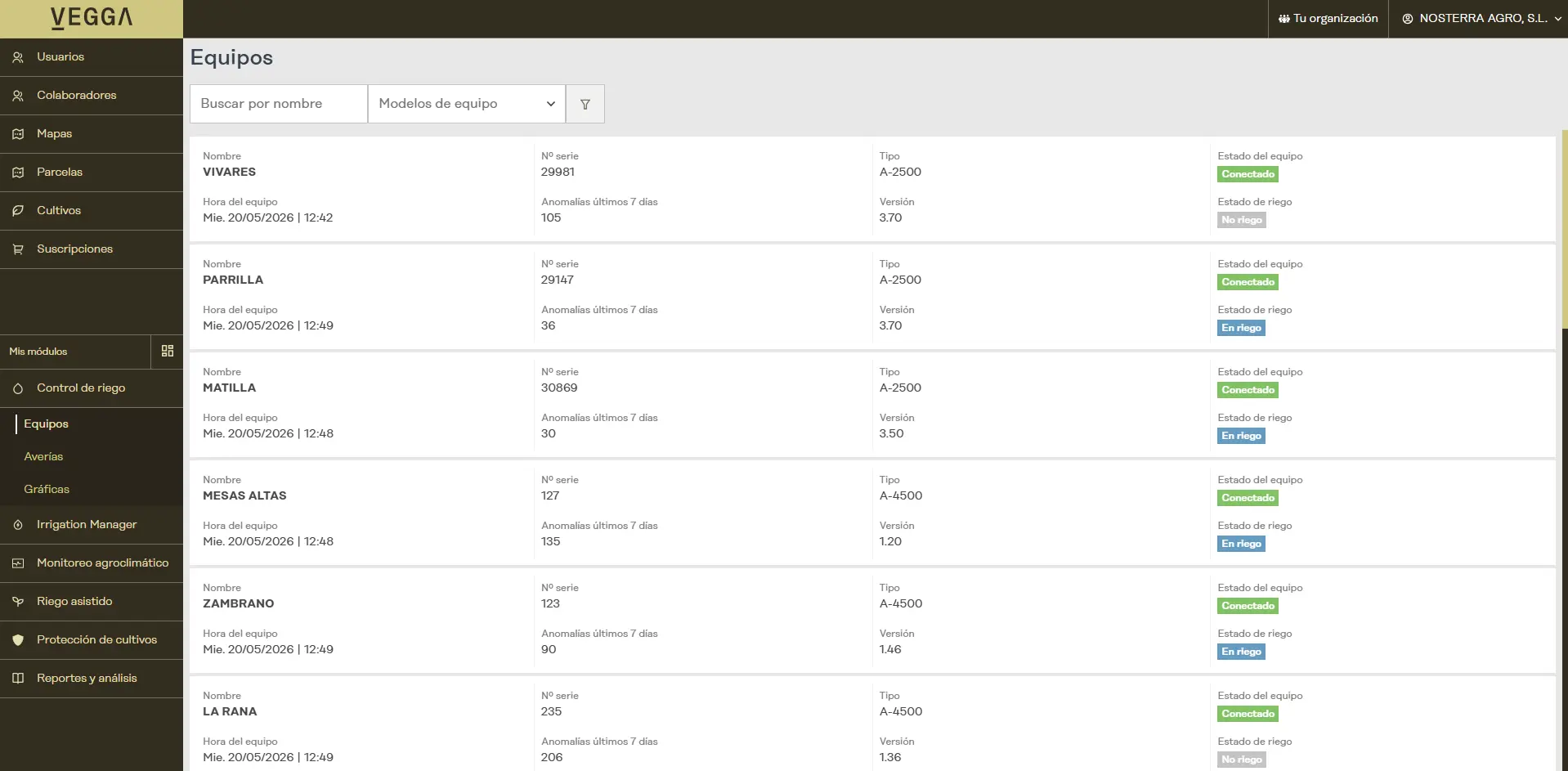
Full access to Agrónic irrigation controllers
View all technical and operational information for each unit connected to VEGGA.
Name, serial number, version, and status (irrigation, connected, etc.).
Manual actions: stop, out of service, data reception.
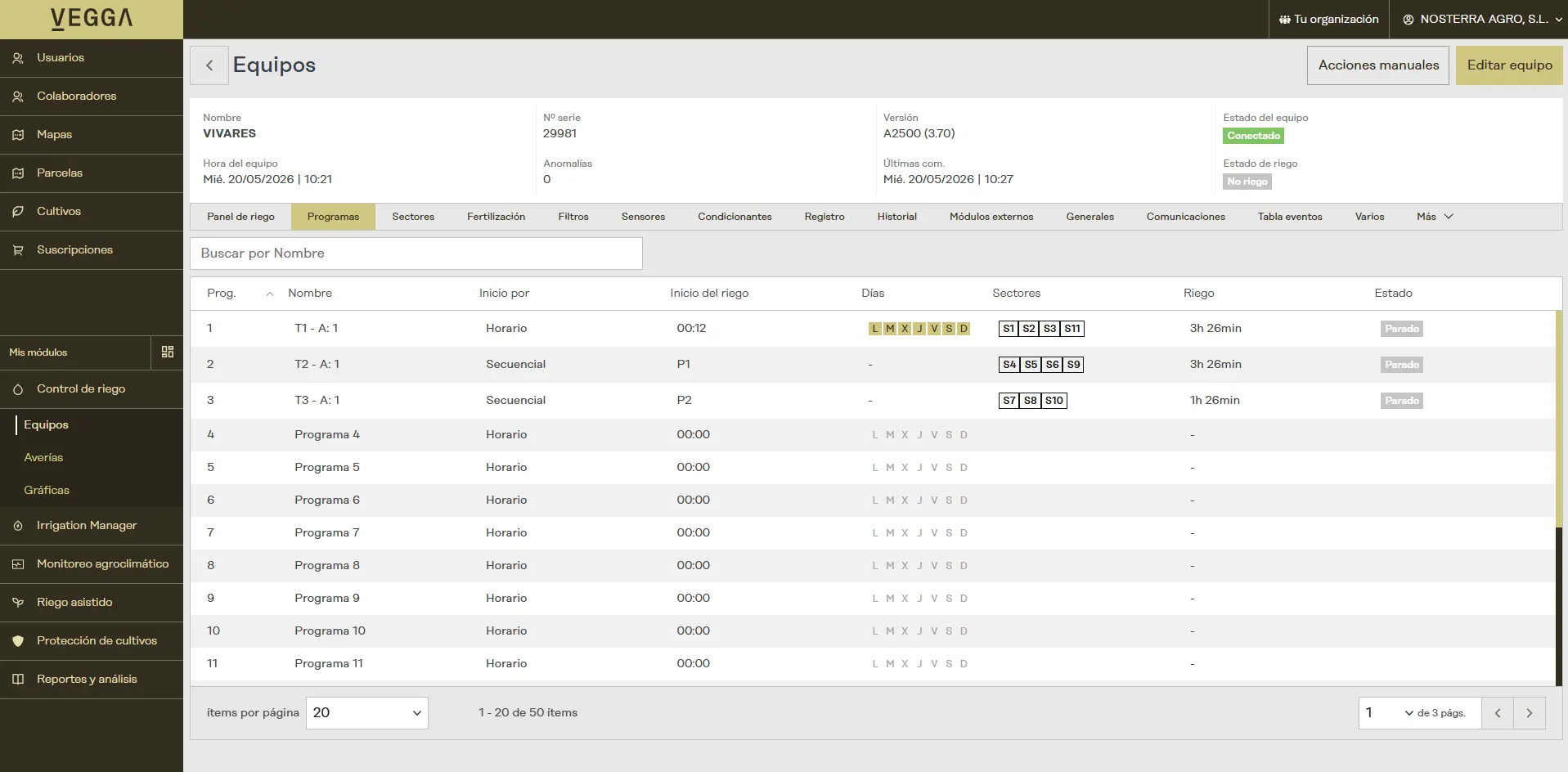
Irrigation programs and subprograms.
Management of sectors, filters, fertilization, and sensors.
4 / 10
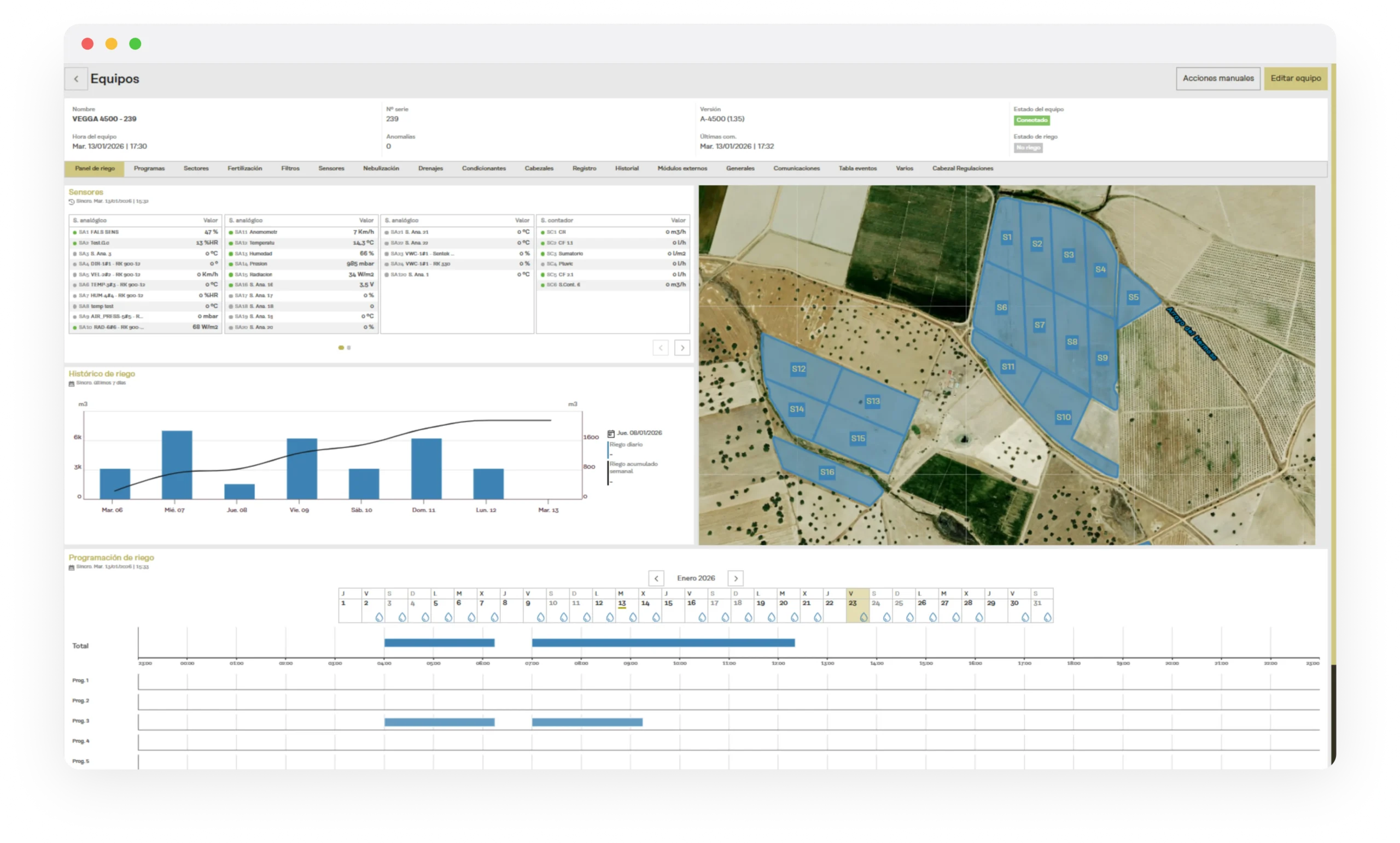
Irrigation panel: real-time monitoring to optimize water and nutrients
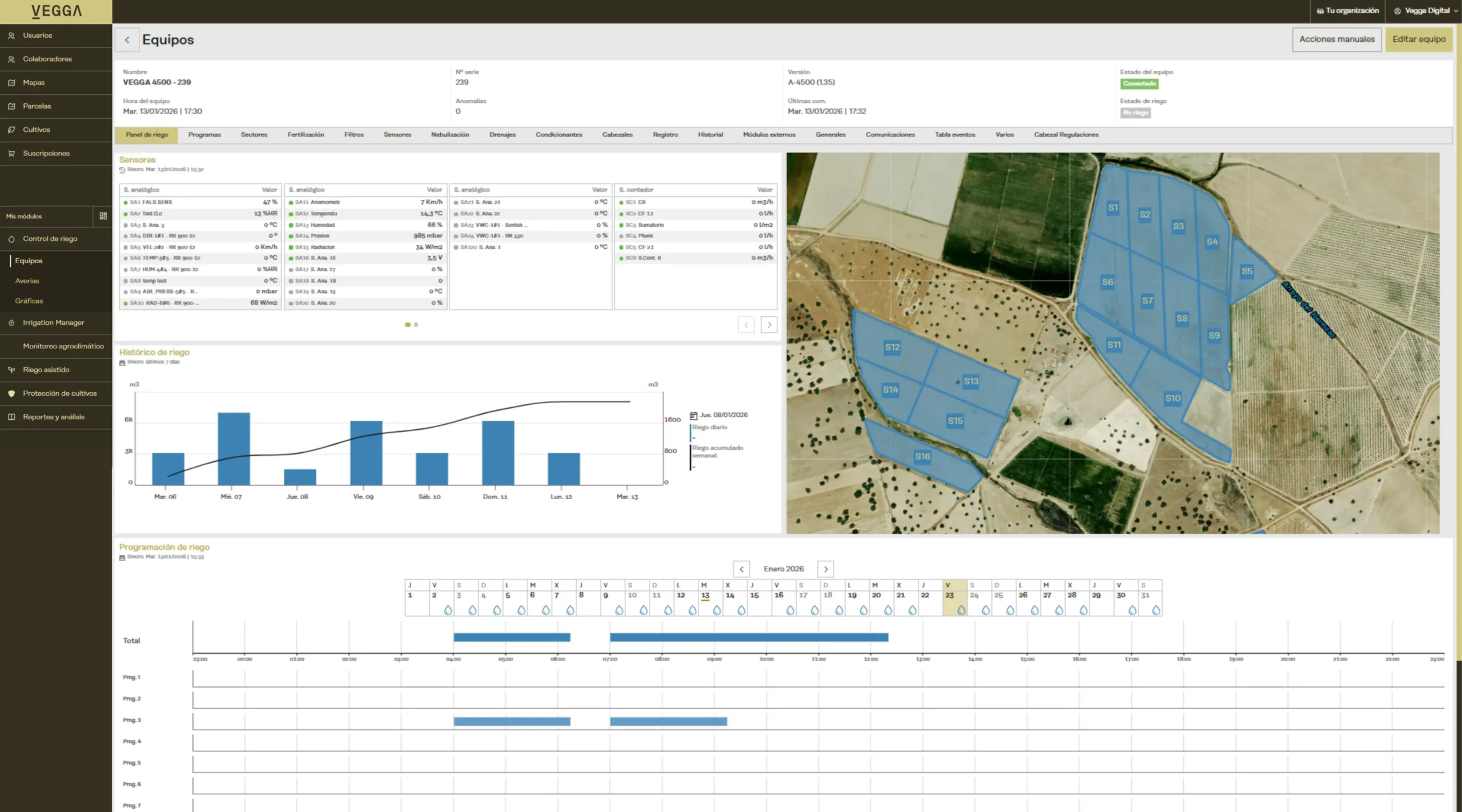
The irrigation panel allows you to monitor the entire irrigation and fertigation system in real time from a single visual interface. It tracks operational status, active programming, and consumption by sector, optimizing the use of water and nutrients to improve the efficiency of your farms.
Sensor Status: Displays the real-time status of each sensor and its most recent recorded value. This allows for quick detection of incidences and ensures that irrigation data is reliable.
Irrigation Status (map): Displays the sectors currently being irrigated on a map. This facilitates geographic monitoring of the farm and allows for immediate identification of active areas.
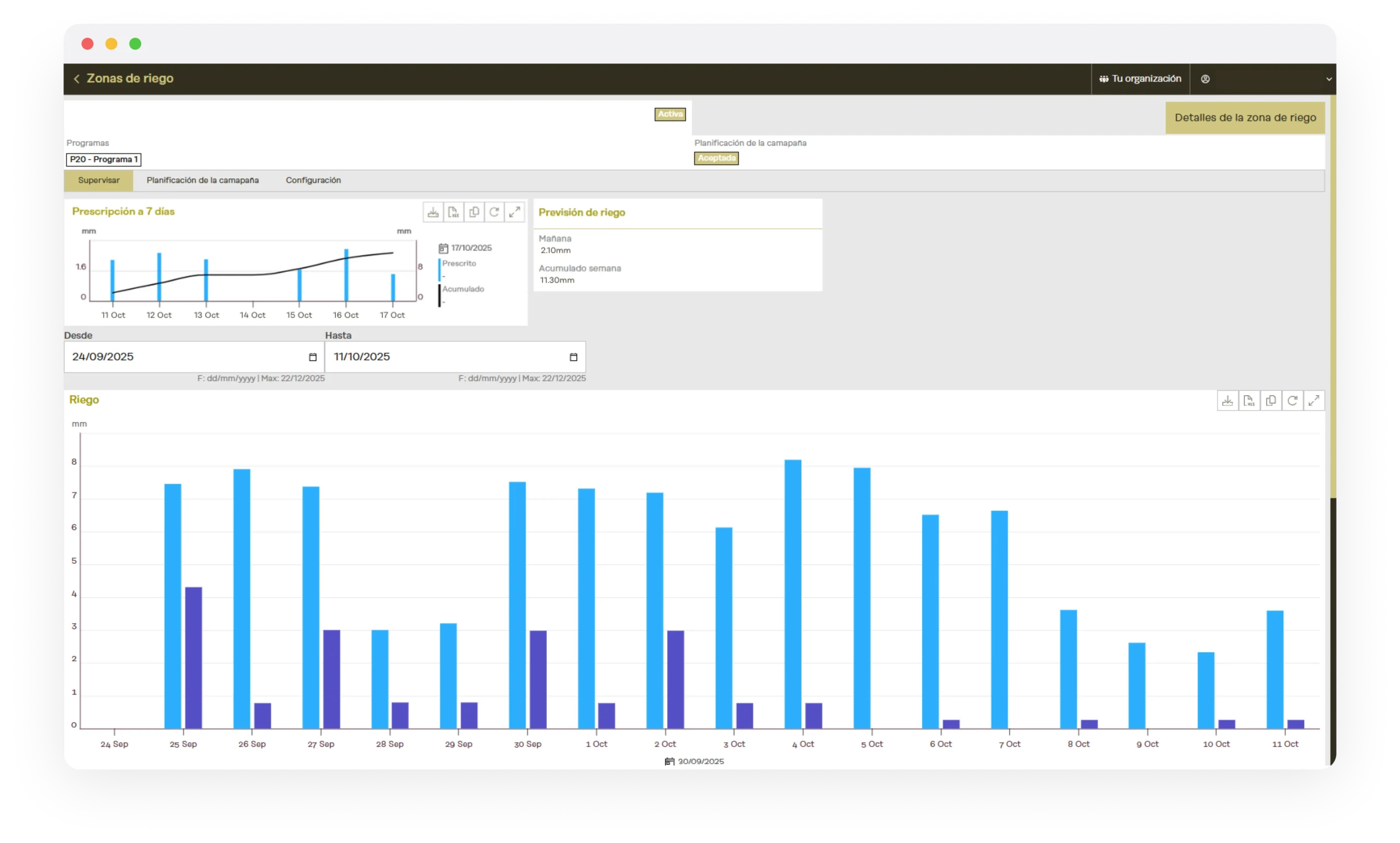
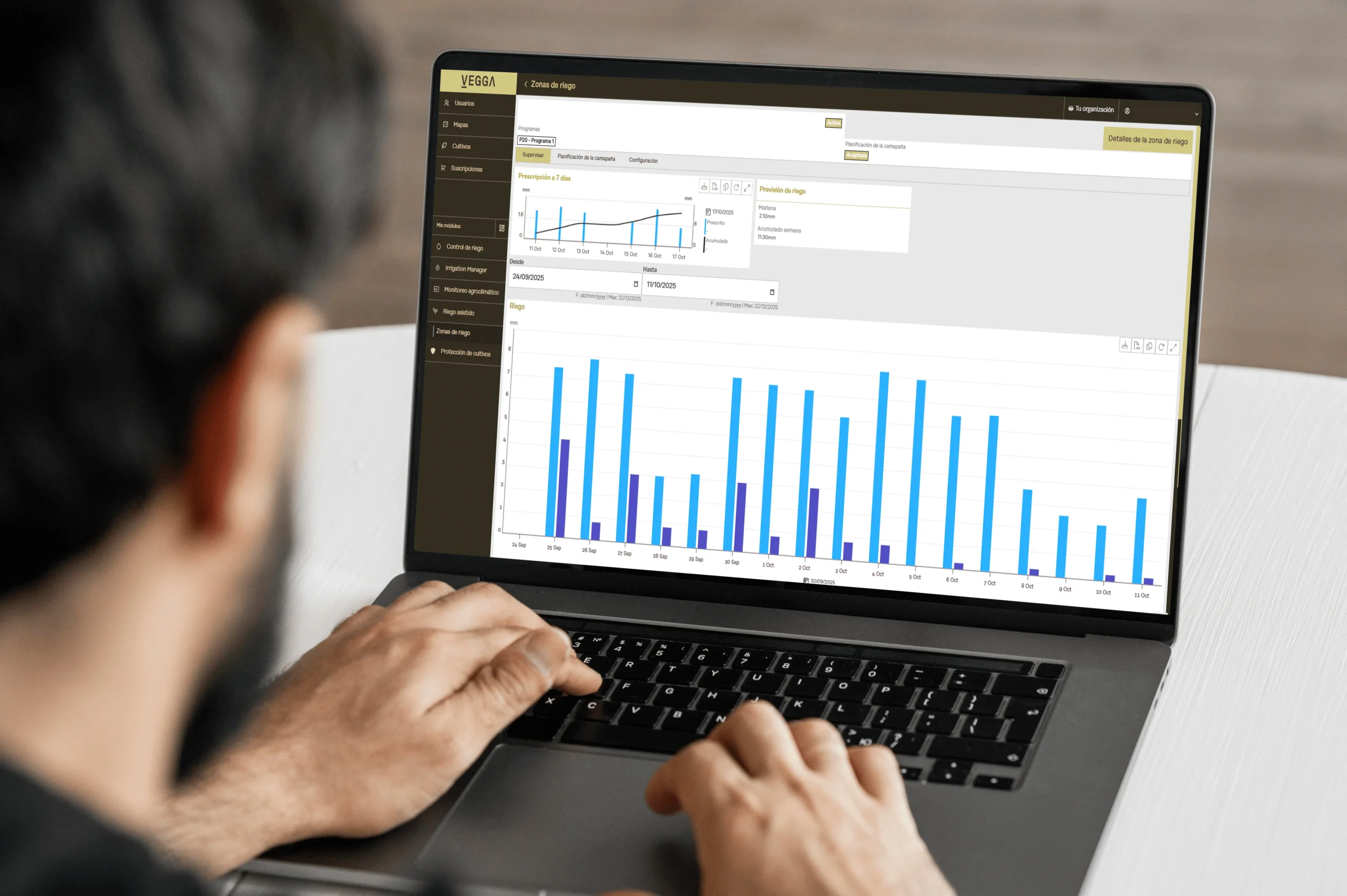
Irrigation History (Last 7 Days): Provides a graphical summary of the irrigation activity recorded over the past week. It helps analyze operating patterns and compare the programming with actual performance.
Irrigation Programming: Displays the planned schedule for the coming days, including associated irrigation and fertigation sectors. It allows for proactive water and nutrient management to optimize system efficiency.
5 / 10
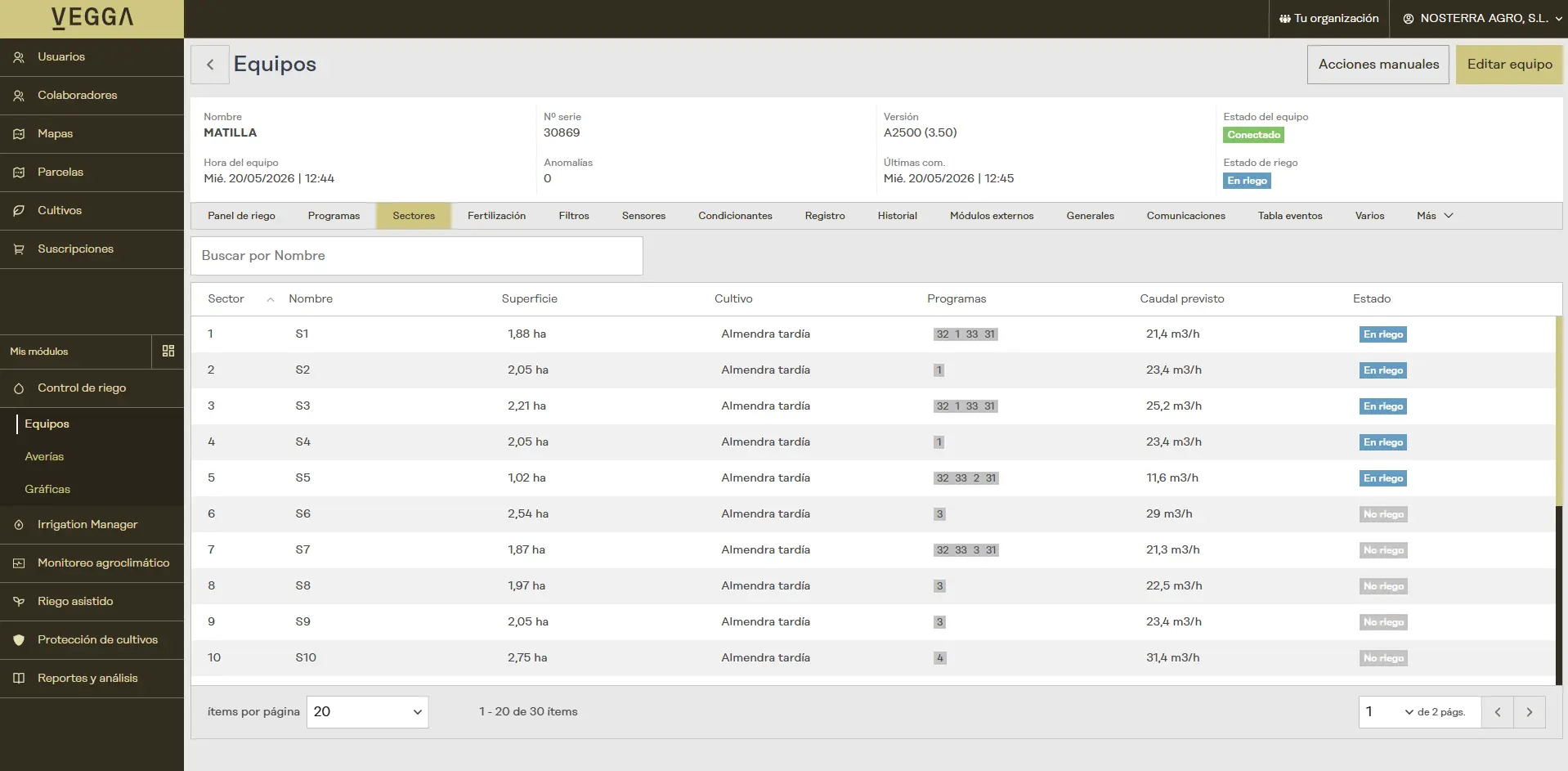
Divide your system into sectors and optimize each irrigation
Manage each irrigation zone of your system independently and tailor the programming to the specific needs of each crop or plot. With VEGGA, you can organize your irrigation sectors clearly and efficiently, optimizing water and fertilizer use while maintaining full control over the system.
Valves and devices tailored to each sector.
Configuration of specific operating parameters.
Separate control of energy consumption for each sector.
Optimization of water, fertilizer, and resource use.
Enhanced monitoring and analysis capabilities by sector.
6 / 10
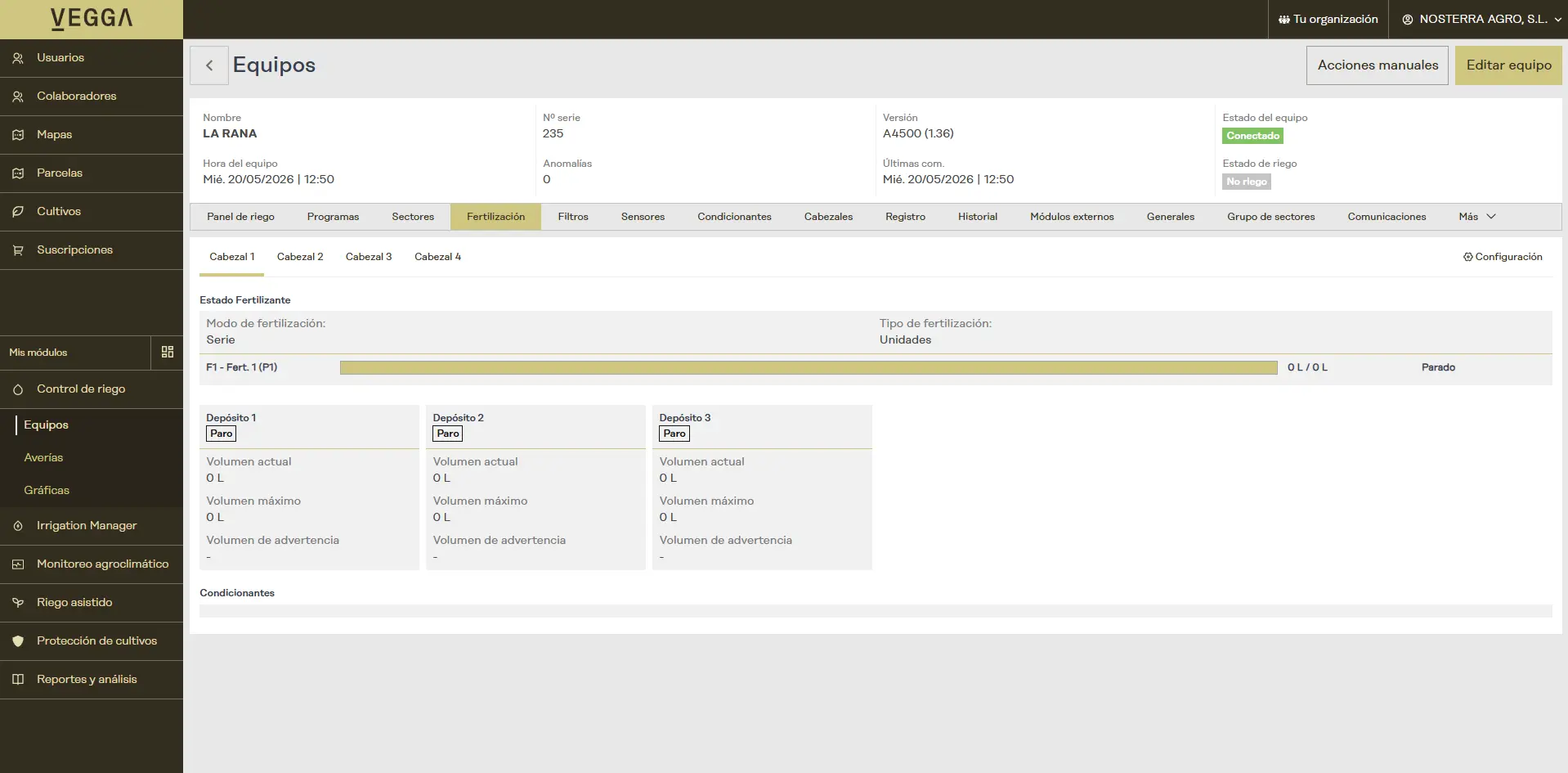
Complete control over fertilization
It centralizes fertigation management and precisely controls fertilizer application in each sector. VEGGA allows you to configure tanks, automate processes, and monitor consumption to achieve more efficient fertilization tailored to the crop’s needs.
Management and configuration of fertilizer tanks.
Control and tracking of fertilizer use by sector.
Programming for pre-irrigation and post-irrigation times.
Matching fertilizers to irrigation sectors and programs.
Optimization of water and nutrient application.
Greater precision and control in fertigation.
7 / 10
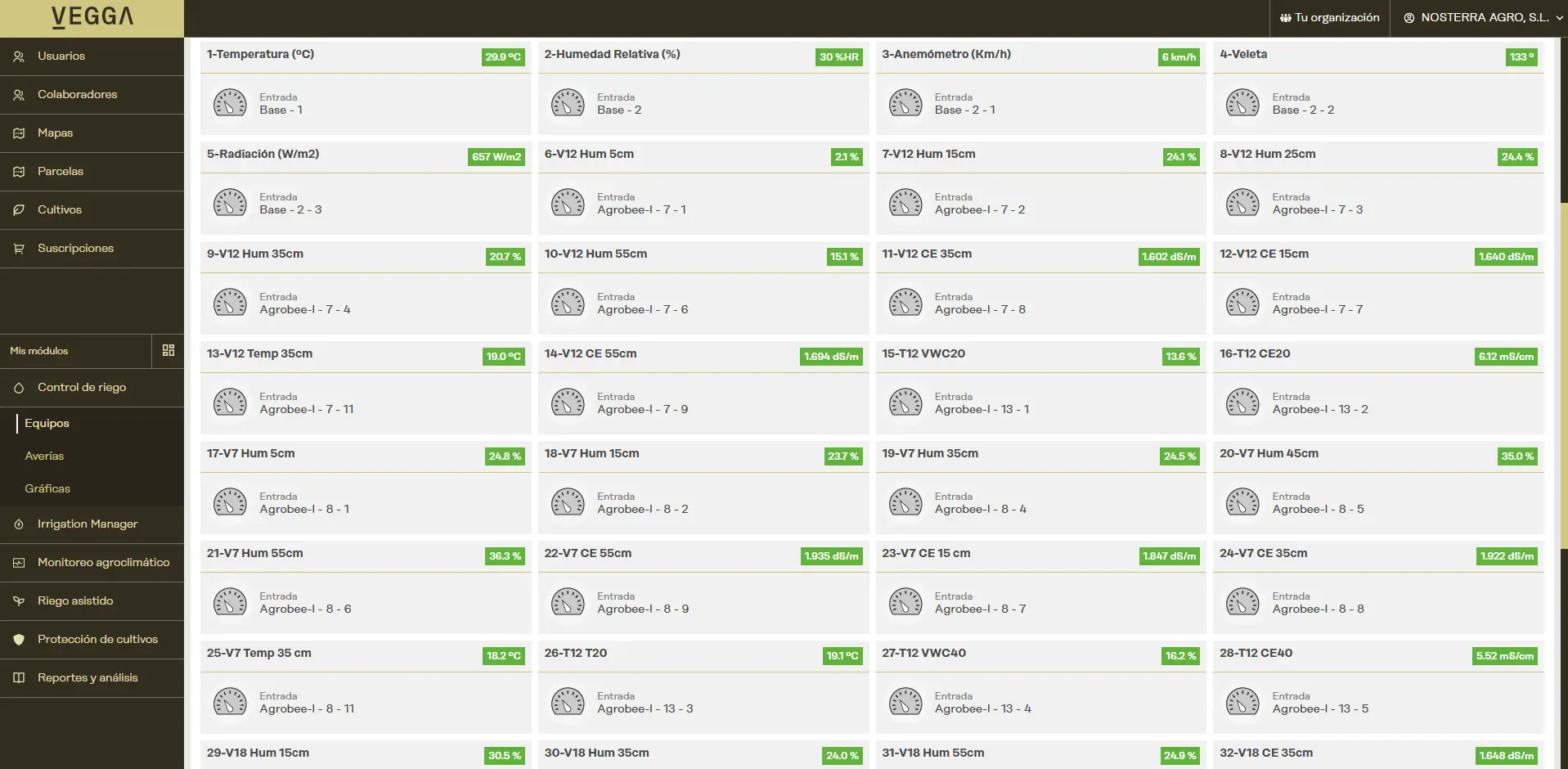
All your sensors connected and monitored in real time
Monitor all the sensors installed on your farm in real time from a single platform. View readings, analyze historical data, and improve decision-making through continuous monitoring of hydraulic, climatical, and agronomic parameters.
Centralized sensor configuration and management.
Real-time visualisation of readings and statuses.
Monitoring of hydraulic, climatical, and agronomic parameters.
Mapping sensors to irrigation sectors and programs.
Historical records and data analysis.
Greater automation and control of the facility.
8 / 10
Advanced determining factors for automating key decisions
Automate irrigation and fertigation operations using smart rules tailored to the actual conditions of the system. Configure parameters based on sensors, limits, or specific determining factors to optimize resource use and improve operational safety.
Configuring determining factors according to the Agrónic model.
Automation of irrigation actions and schedules.
Triggering changes based on sensors and readings.
Definition of limits, alarms, and operating conditions.
Adapting irrigation and fertigation to the actual conditions at the site.
Greater control, security, and operational efficiency.
9 / 10
Design irrigation programs tailored to each crop growing strategy
Create and manage irrigation and fertigation programs in a flexible and centralized manner. Define schedules, sequences, and automatic criteria to tailor the system’s operation to the specific needs of each crop or irrigation strategy.
Creation and configuration of irrigation and fertigation programs.
Definition of schedules, times, and operating sequences.
Grouping of sectors, fertilizers, and program-specific determining factors.
Automatic irrigation programming based on various criteria.
Centralized management and monitoring of program status.
Greater control, efficiency, and optimization of the facility.
10 / 10
Detection of malfunctions and automatic alerts in the Agrónic App
Thanks to the smart irrigation control system, you’ll receive immediate alerts about any issues that could affect the irrigation system’s operation.
Alerts for sensor, flow, or pressure anomalies
Ordered records of critical events
Loss Prevention and Rapid Response
Benefits of Irrigation Control
Save time and enjoy greater peace of mind
Manage your irrigation without having to travel and better balance your time, reducing stress and your workload.
Resource Optimization
Use only the water and fertilizer your crops need, reducing costs and waste.
Greater well-being and work-life balance
Controlling irrigation through a digital platform improves quality of life without losing control over the crop.
Safety and Rapid Reaction
Receive alerts about failures or anomalies and take immediate action to protect your crop.
More efficient and sustainable irrigation
Take advantage of technology for precision irrigation that boosts productivity and protects the environment.
Full control and informed decisions
Make decisions based on clear, real-time data, ensuring that every irrigation is just right for your crops.
Success Stories
TerraNostra
TerraNostra committed to full digitalization to optimize irrigation and maximize productivity. Using VEGGA and moisture sensors, the company turned data into precise, real-time decisions, achieving greater water efficiency, deeper root systems, and more profitable crops.
Advanced irrigation, fertilization, and climate controller that allows for automated irrigation by sector and sensors, ideal for smart, remote management.
Complete control of irrigation and fertilization for hydroponic and soil-based crops, with regulation based on time, volume, or EC, as well as sensors, pumping, mixing, and filter cleaning.
Oilseed and industrial crops, such as sunflowers, soybeans, and sugar beets, require efficient water management, fertilization, and input control to maximize productivity.
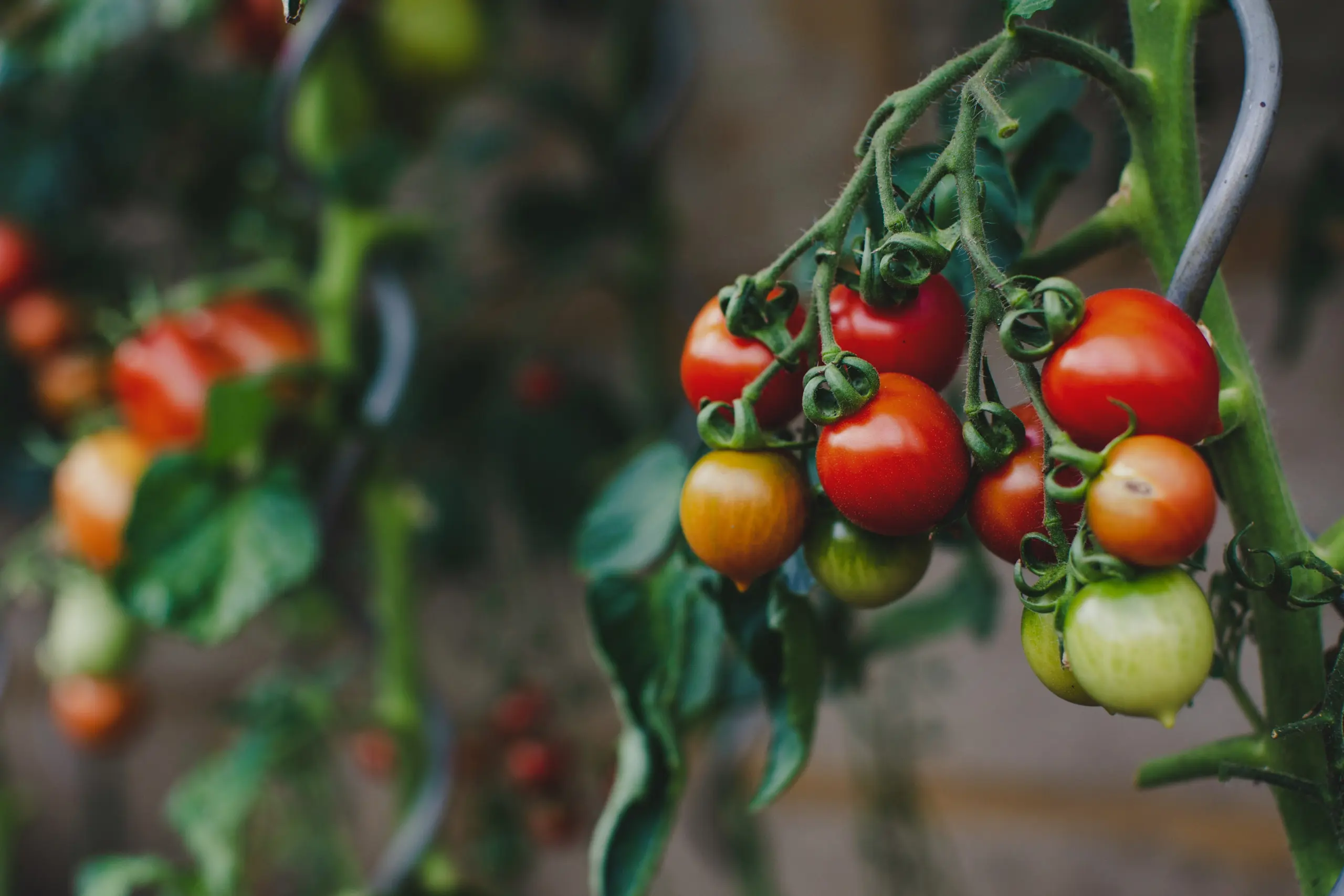
Leafy and fruit vegetables, such as lettuce, tomatoes, and peppers, require careful management of water, fertilization, and pest control to maximize productivity and quality.
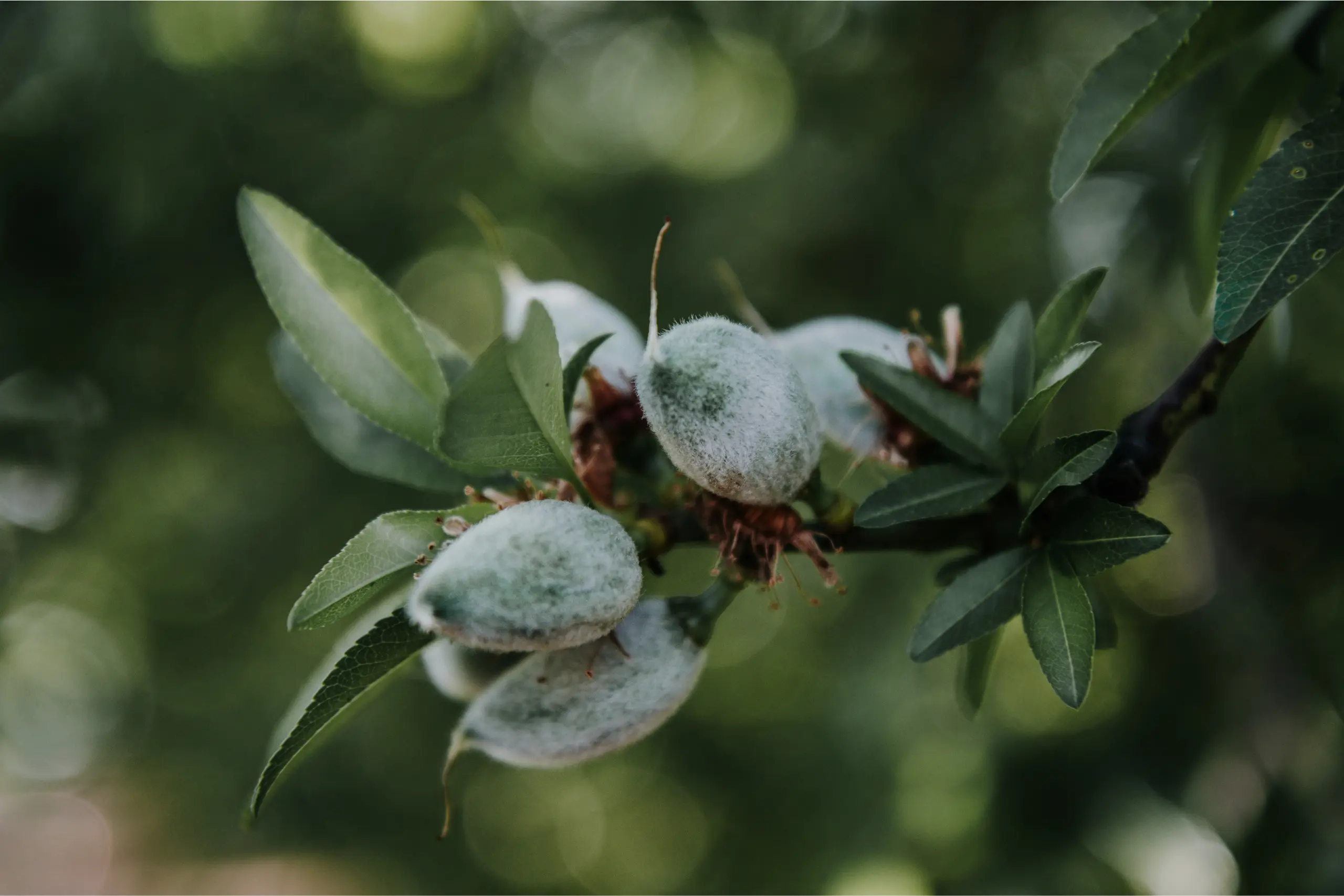
Nuts, such as almonds, pistachios, walnuts, and hazelnuts, require efficient water management, fertilization, and input control to maximize productivity and quality.
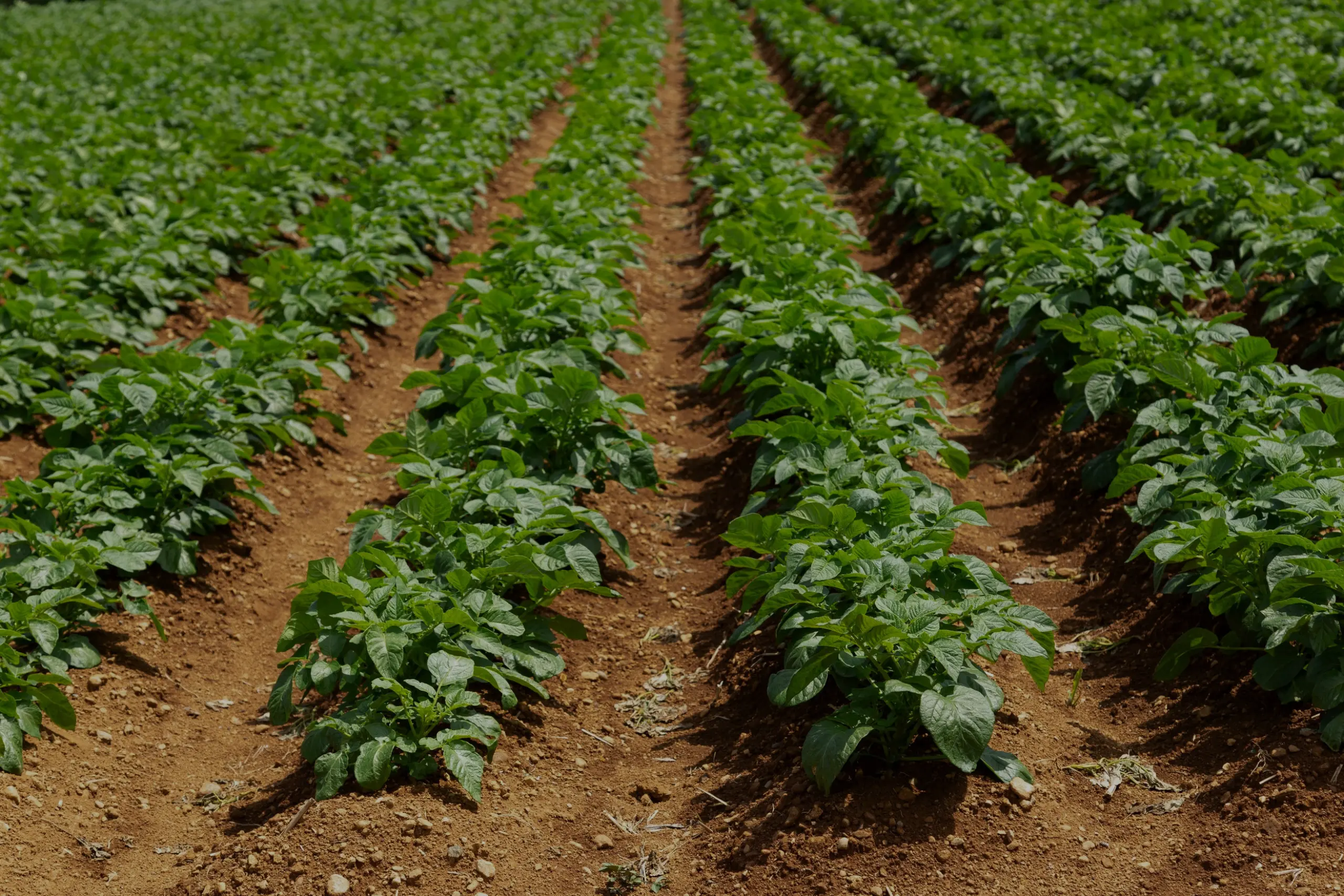
Root vegetables, tubers, and bulbs—such as potatoes, carrots, and onions—require efficient water management, fertilization, and pest control to ensure high yields and quality.
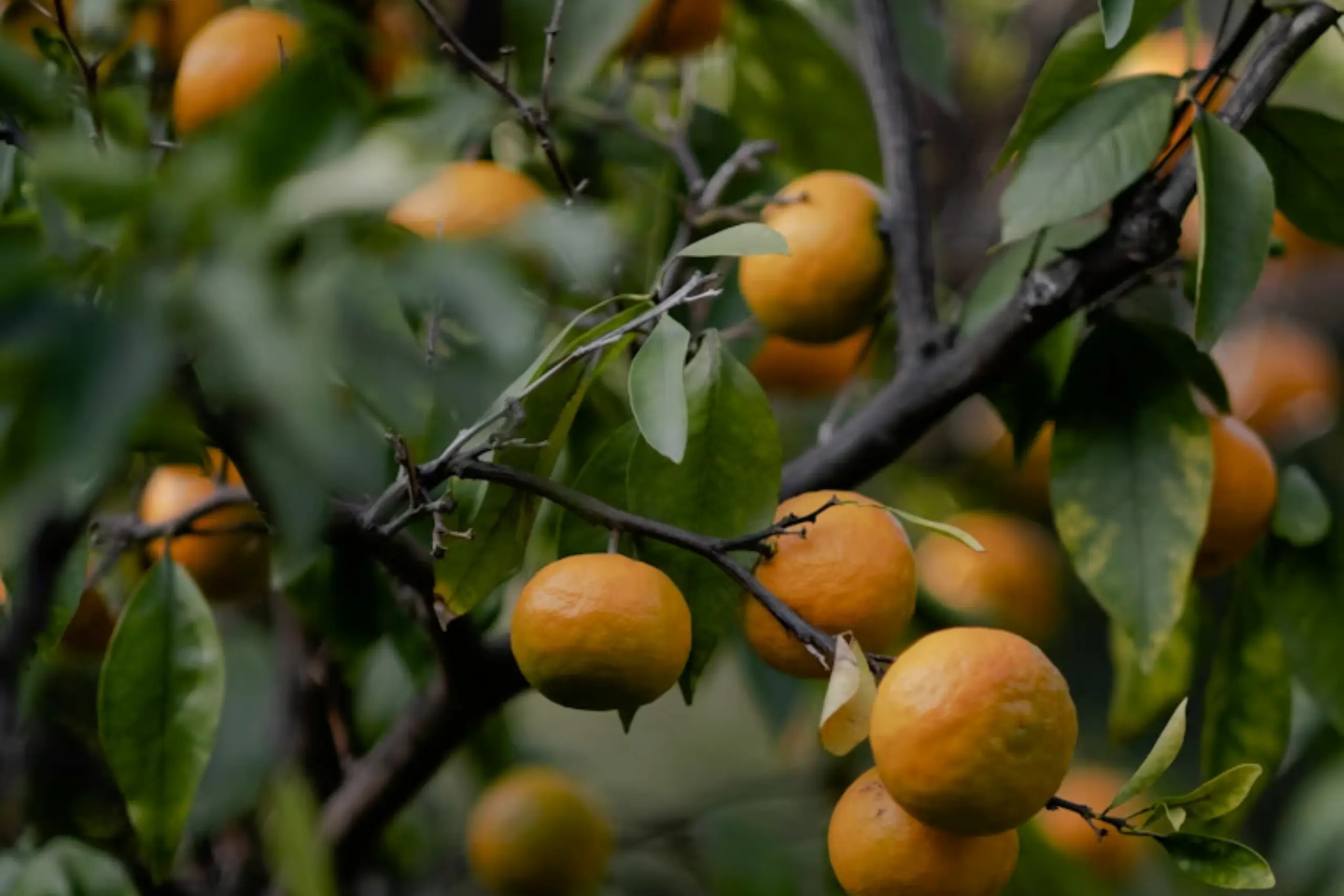
Citrus trees, such as orange, lemon, and mandarin trees, require efficient water management, fertilization, and input control to maximize productivity and quality.
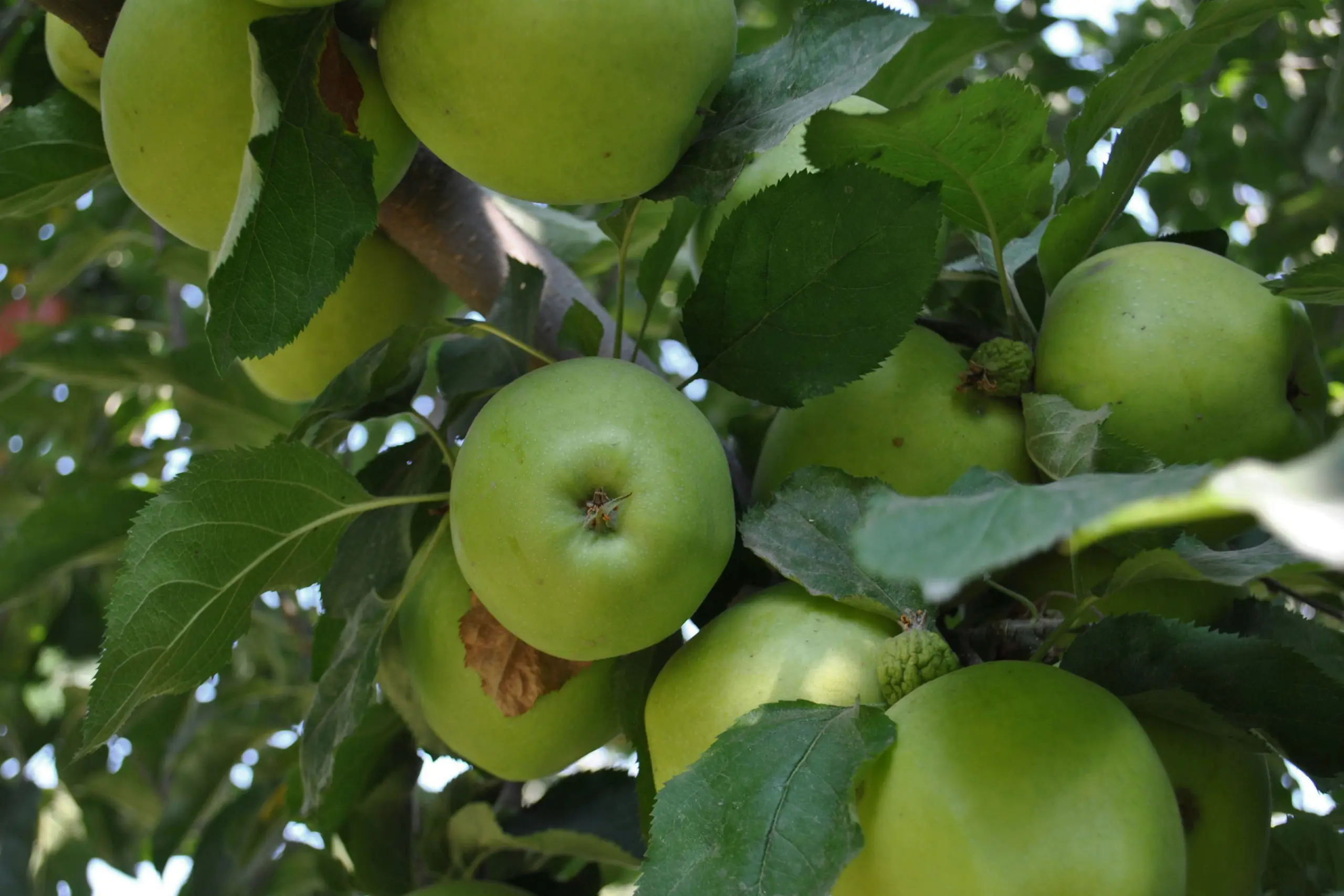
Stone and pome fruit trees, such as apple, pear, and peach trees, require efficient water management, fertilization, and input control to maximize productivity and fruit quality.
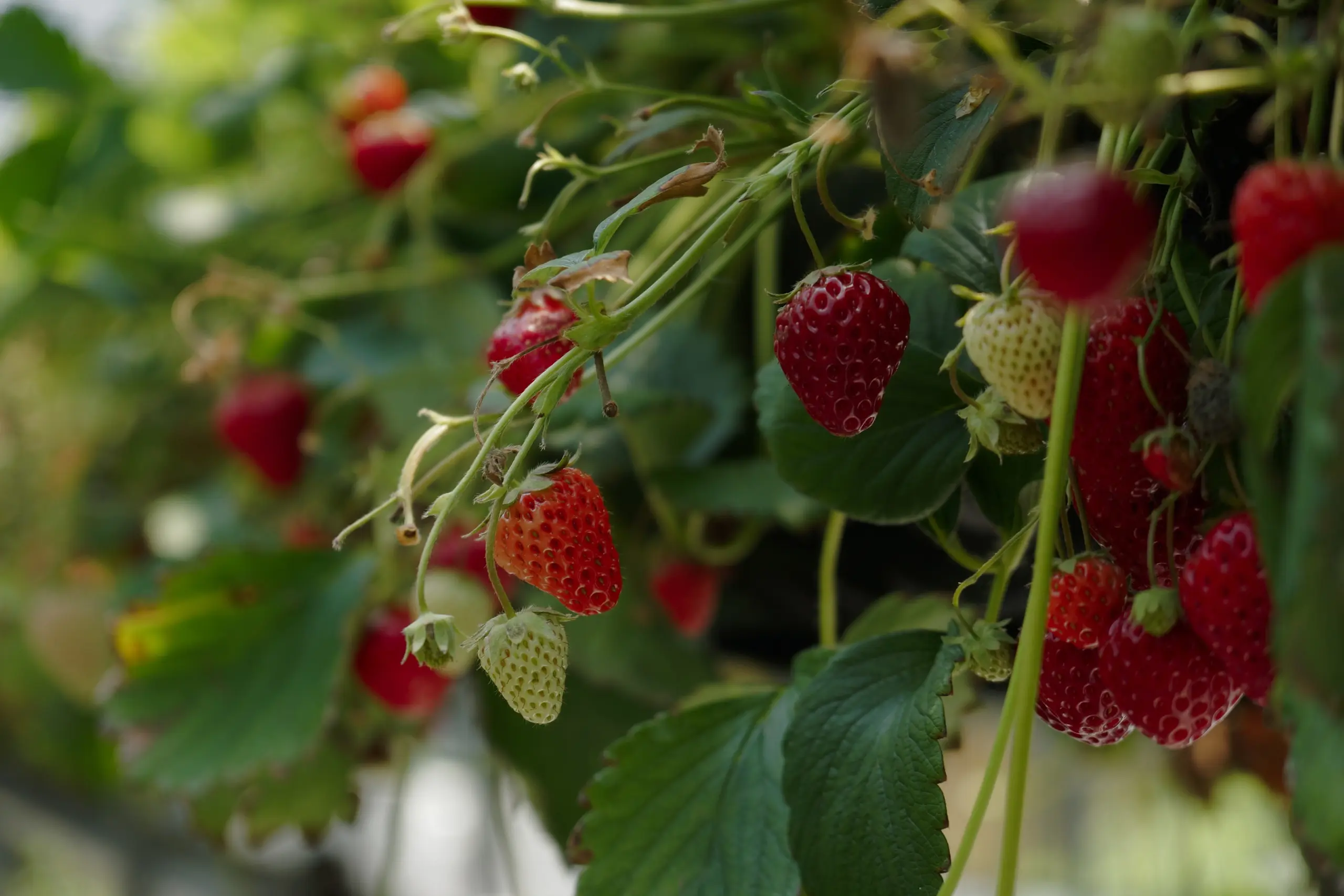
Monitoring irrigation and the growing medium is key for berries, as water balance and root aeration influence crop development, nutrition, and plant health.
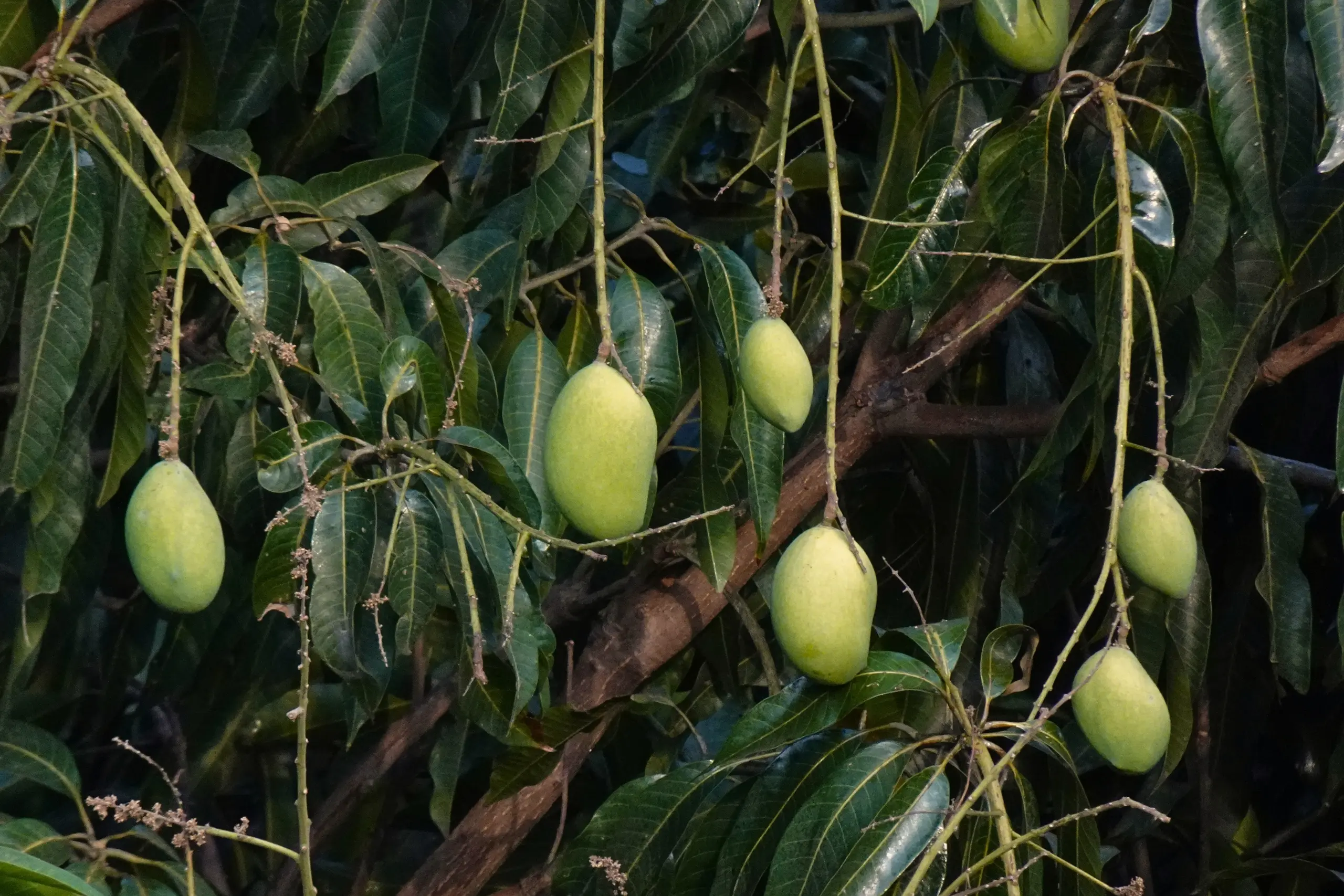
Tropical and subtropical fruit trees, such as avocado, mango, and pomegranate, require efficient water management, fertilization, and input control to maximize productivity and fruit quality.
“Thanks to VEGGA, our farms operate as a smart system: we can plan irrigation, fertilization, and pest treatments using accurate and reliable data. This gives us peace of mind and allows us to focus on what matters most: maximizing crop productivity and health. ”
Pablo Vega, Director of TerraNostra
Assisted irrigation
The water your crops need, right on time
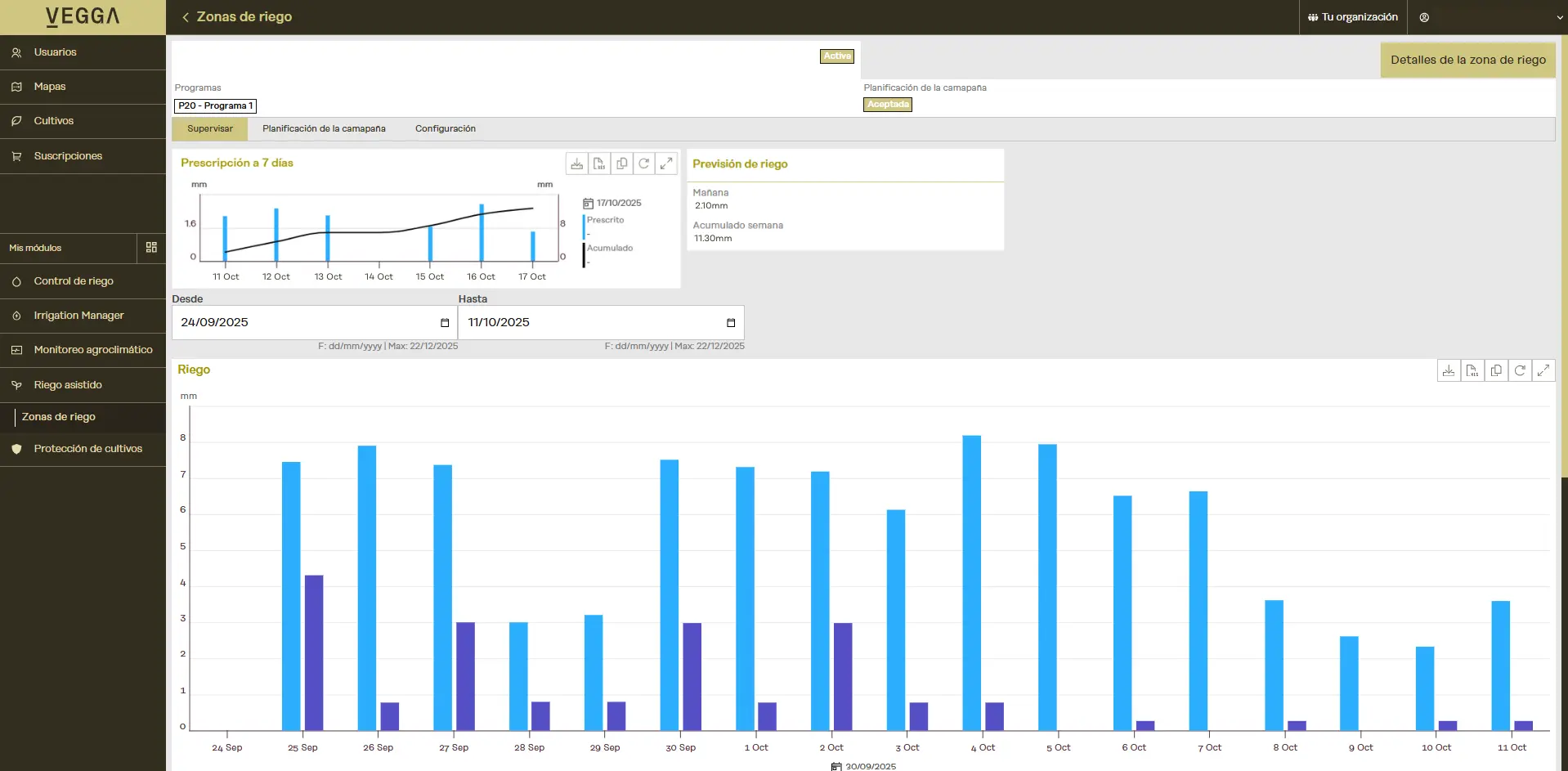
With this solution, you can decide how to manage the irrigation of your crops. The tool generates customized irrigation schedules—which can be daily or weekly—and you choose whether to apply them manually or automate the irrigation.
Forget about spending hours calculating and making adjustments to your irrigation schedule. With automated irrigation, you can:
Precision irrigation: Each plot receives exactly the amount of water it needs, preventing waste and optimizing resources.
Smart automation: Adjust your irrigation programming directly on your Agrónic controllers without manual intervention.
Time and cost savings: reduces manual effort and minimizes human errors, so you can focus on your business.
Data-driven decisions: Using historical data, sensors, and remote sensing, you’ll gain insight into the actual condition of your crops and their water status.
2 / 4
Compatibility with more than 50 crops
The tool adapts to each crop and each stage of growth. Using water balance models developed by IRTA, the system intelligently calculates the amount of water each plot needs, optimizing your irrigation and improving productivity.
Stone and pome fruit trees: apple, peach, cherry, apricot, and plum trees, as well as pear trees.
Almond trees, olive groves, citrus orchards, and vineyards: ensure the quality of your harvest and the vitality of your crops.
Vegetables and field crops: grains, legumes, oilseeds, and leafy, fruit, and root vegetables, receiving exactly the amount of water they need.
3 / 4
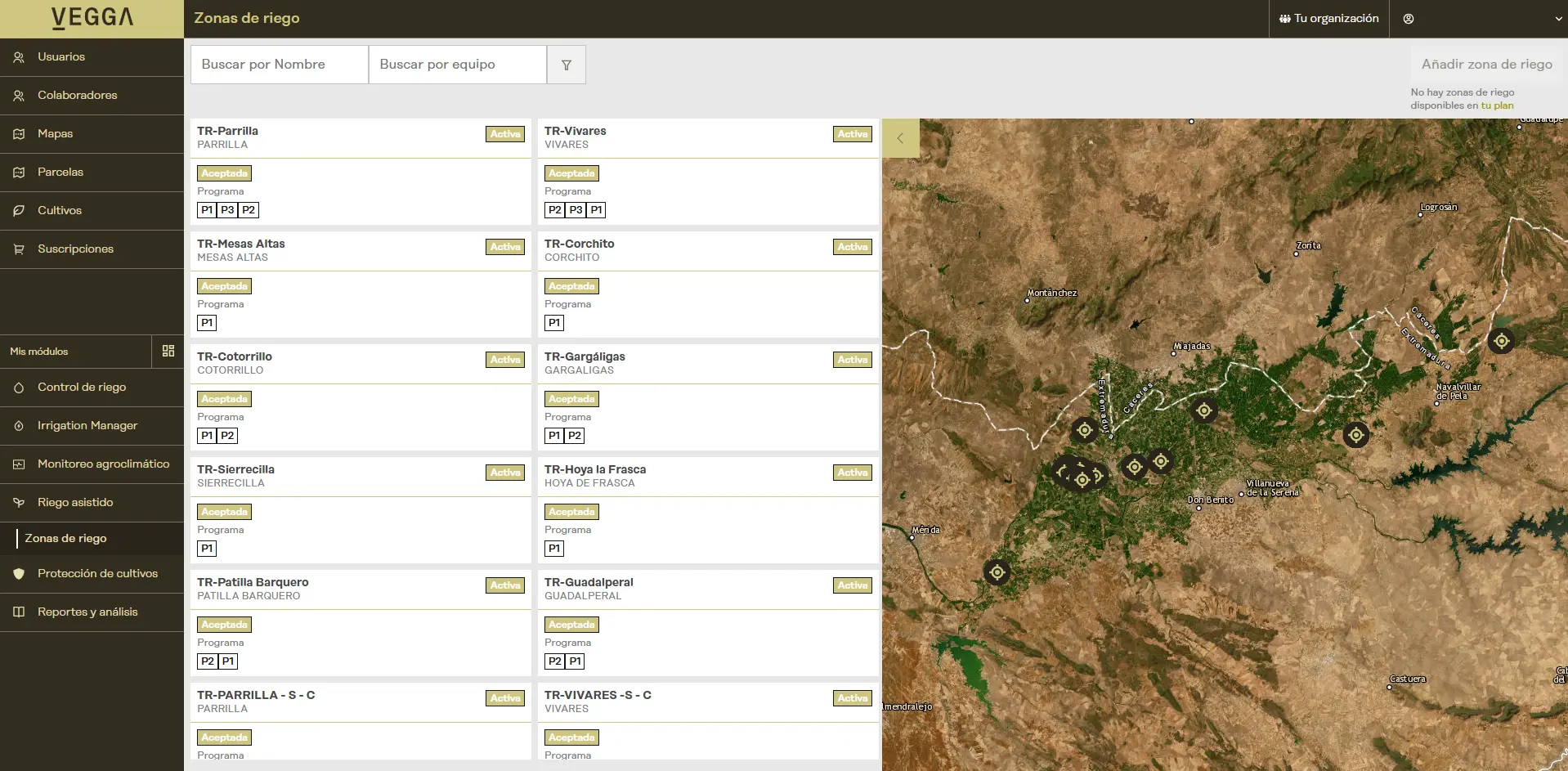
Irrigation zones and visualisation of the map
The tool divides your farms into geolocated irrigation zones, making it easier to manage and control each area. This allows you to react quickly to deviations and improve the yields of your crops.
In each area, you’ll see:
Irrigation as prescribed by Riego Asistido.
The actual amount of irrigation applied.
Comparisons to determine whether irrigation is proceeding as planned.
Historical consumption data for the campaign, adjusted for water allocations.
4 / 4
Integration of technologies for efficient irrigation
Assisted Irrigation combines data from multiple technologies into a digital twin that integrates:
Weather data from physical and virtual climatical stations
Accurate data from sensors installed in the ground or on plants
Remote Sensing
Information provided by the irrigator
Benefits of Assisted Irrigation
Precision irrigation
Each plot receives exactly the amount of water it needs, preventing waste and increasing efficiency.
Time savings
Automatic irrigation scheduling and adjustment eliminates the need for daily intervention, freeing up time for other tasks.
Versatility
Ideal for both large and small farms, with over 50 crops already integrated and customizable to your needs.
Productivity and Quality
Maintain crop stability, optimize plant vigor, and improve harvest quality through irrigation tailored to the specific conditions of each field.
Cost reduction and sustainability
You save water and fertilizer, reduce the need for staff, and minimize human errors.
Success Story
Duck River
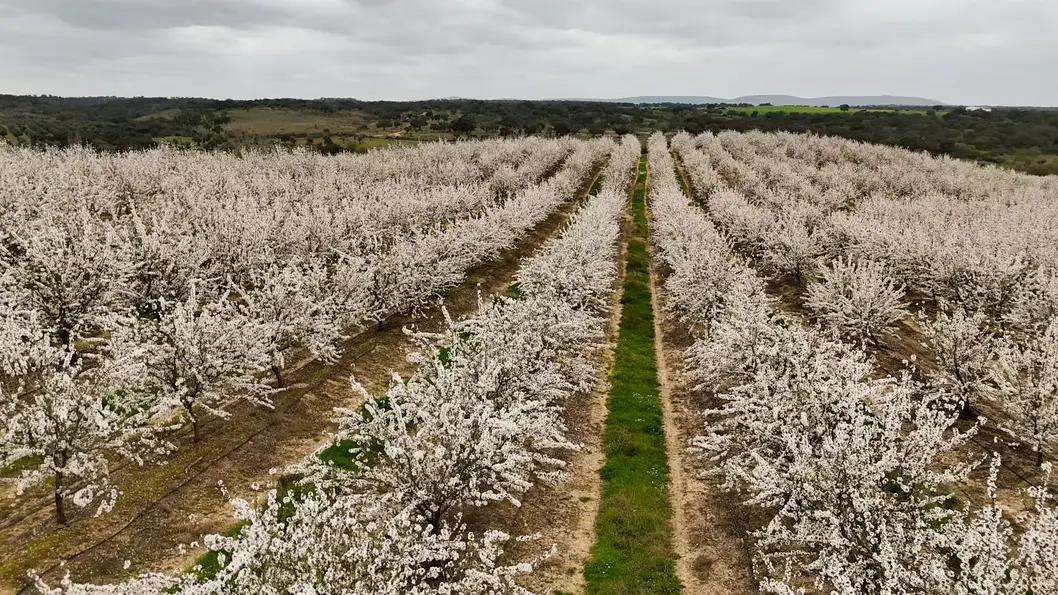
Duck River optimized irrigation and fertilization for its 2,600 hectares of almond groves in Portugal using VEGGA, successfully centralizing management, reducing water consumption by up to 19.5%, and significantly improving operational efficiency.
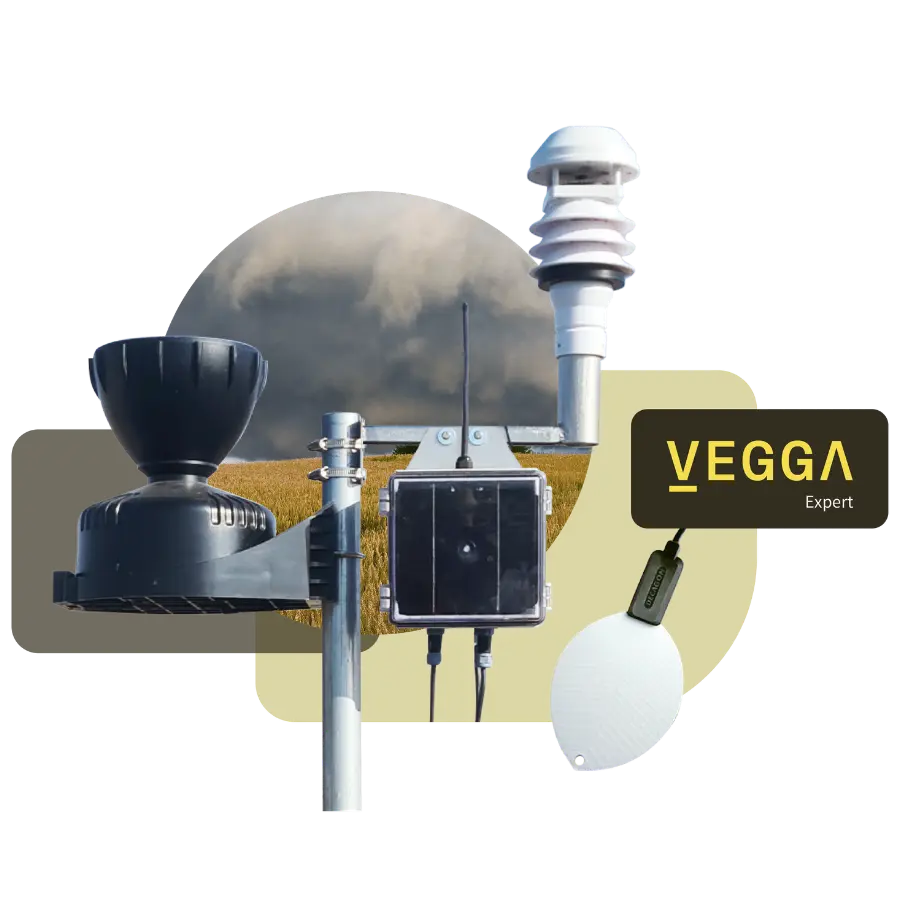
It monitors key meteorological variables such as Evapotranspiration (ET) and vapor pressure deficit, enabling users to manage the water balance and anticipate irrigation needs.
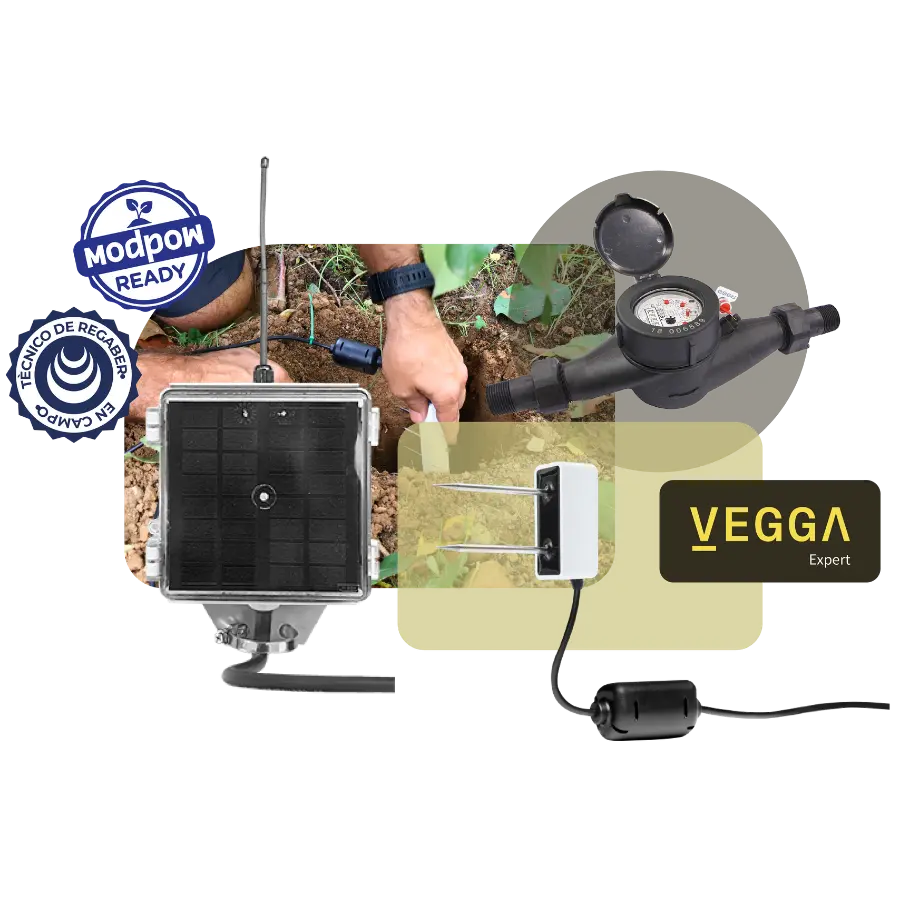
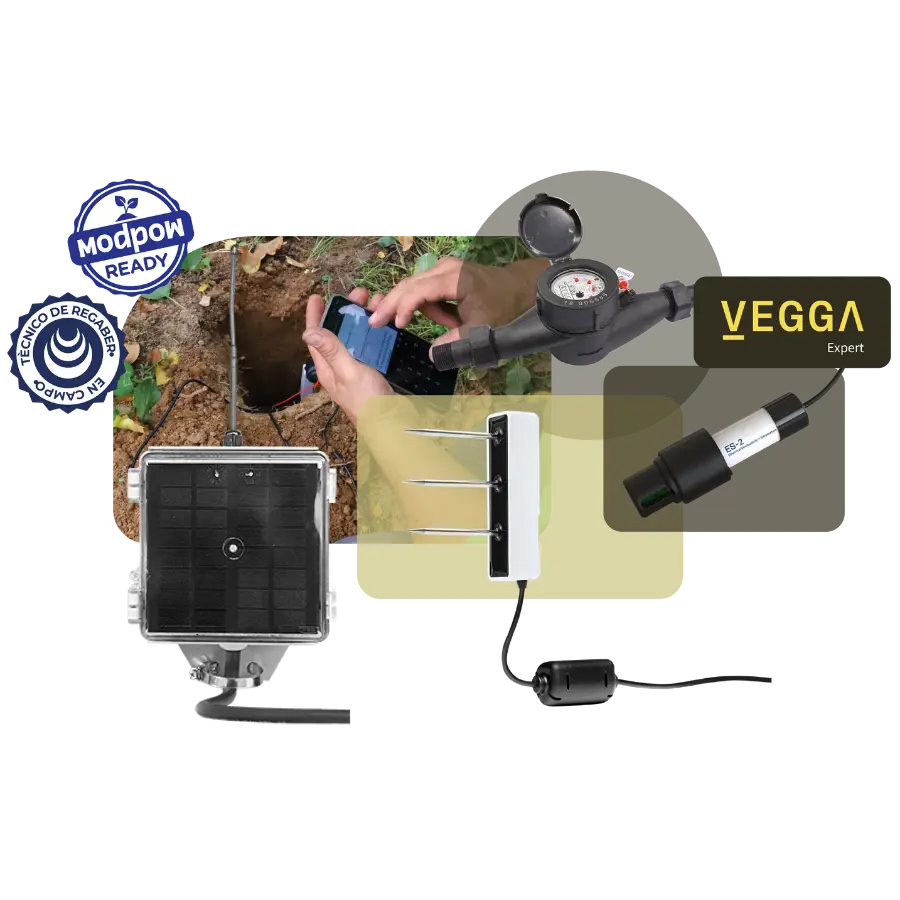
Comprehensive soil monitoring through the measurement of moisture, temperature, and electrical conductivity. These parameters make it possible to assess soil moisture conditions and nutrient availability.
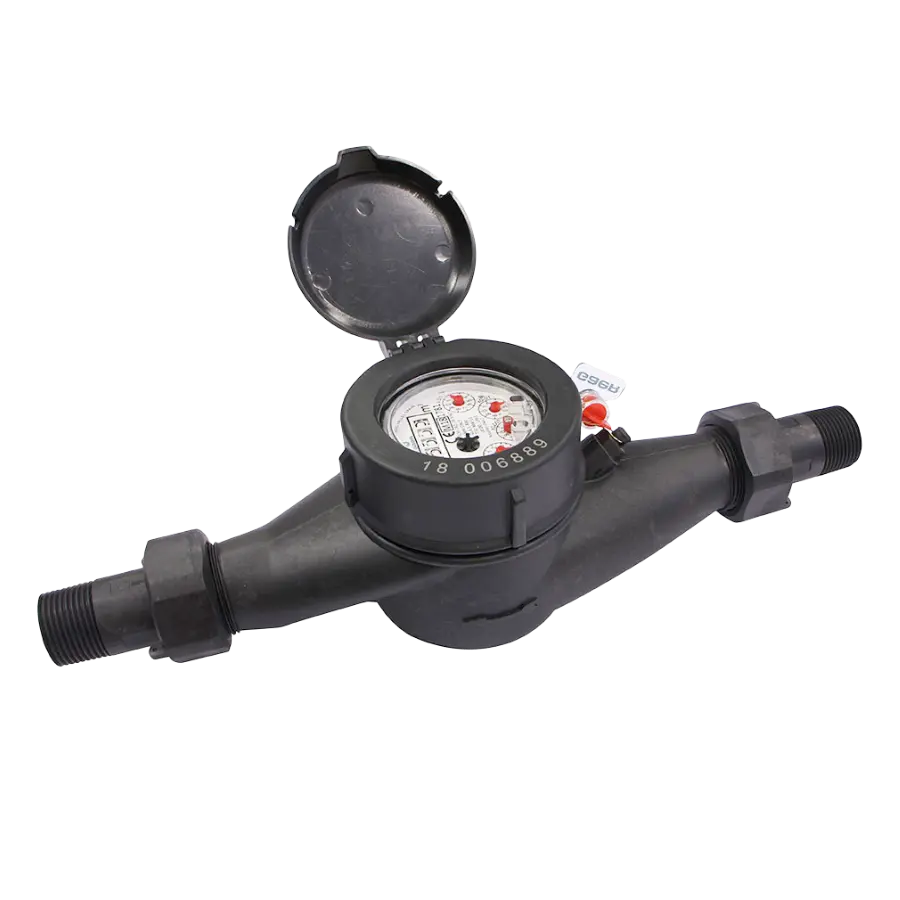
An irrigation meter that monitors the volume of water applied and enables users to control water consumption, analyze irrigation pulses, and detect hydraulic anomalies. At VEGGA, this data is integrated with soil and climate sensors to optimize irrigation efficiency and decision-making.
Oilseed and industrial crops, such as sunflowers, soybeans, and sugar beets, require efficient water management, fertilization, and input control to maximize productivity.
Leafy and fruit vegetables, such as lettuce, tomatoes, and peppers, require careful management of water, fertilization, and pest control to maximize productivity and quality.
Nuts, such as almonds, pistachios, walnuts, and hazelnuts, require efficient water management, fertilization, and input control to maximize productivity and quality.
Root vegetables, tubers, and bulbs—such as potatoes, carrots, and onions—require efficient water management, fertilization, and pest control to ensure high yields and quality.
Citrus trees, such as orange, lemon, and mandarin trees, require efficient water management, fertilization, and input control to maximize productivity and quality.
Stone and pome fruit trees, such as apple, pear, and peach trees, require efficient water management, fertilization, and input control to maximize productivity and fruit quality.
Monitoring irrigation and the growing medium is key for berries, as water balance and root aeration influence crop development, nutrition, and plant health.
Tropical and subtropical fruit trees, such as avocado, mango, and pomegranate, require efficient water management, fertilization, and input control to maximize productivity and fruit quality.
“Since we implemented VEGGA, we have been able to control all our irrigation and fertilization processes in a centralized and efficient manner. This gives us peace of mind and allows us to focus on what matters most: the health and productivity of our almond trees. ”
Paulo Reguino, Director of Irrigation at Duck River
Advanced fertigation
Comprehensive and efficient control of water and nutrients on your farm
Easily and accurately manage irrigation and fertilization for all your fields, optimizing the use of water and nutrients. This module is designed for large or medium-sized farms that need to maximize the efficiency of each irrigation and fertilization cycle, saving time, money, and resources.
Dashboard: Full control of fertigation on a single display
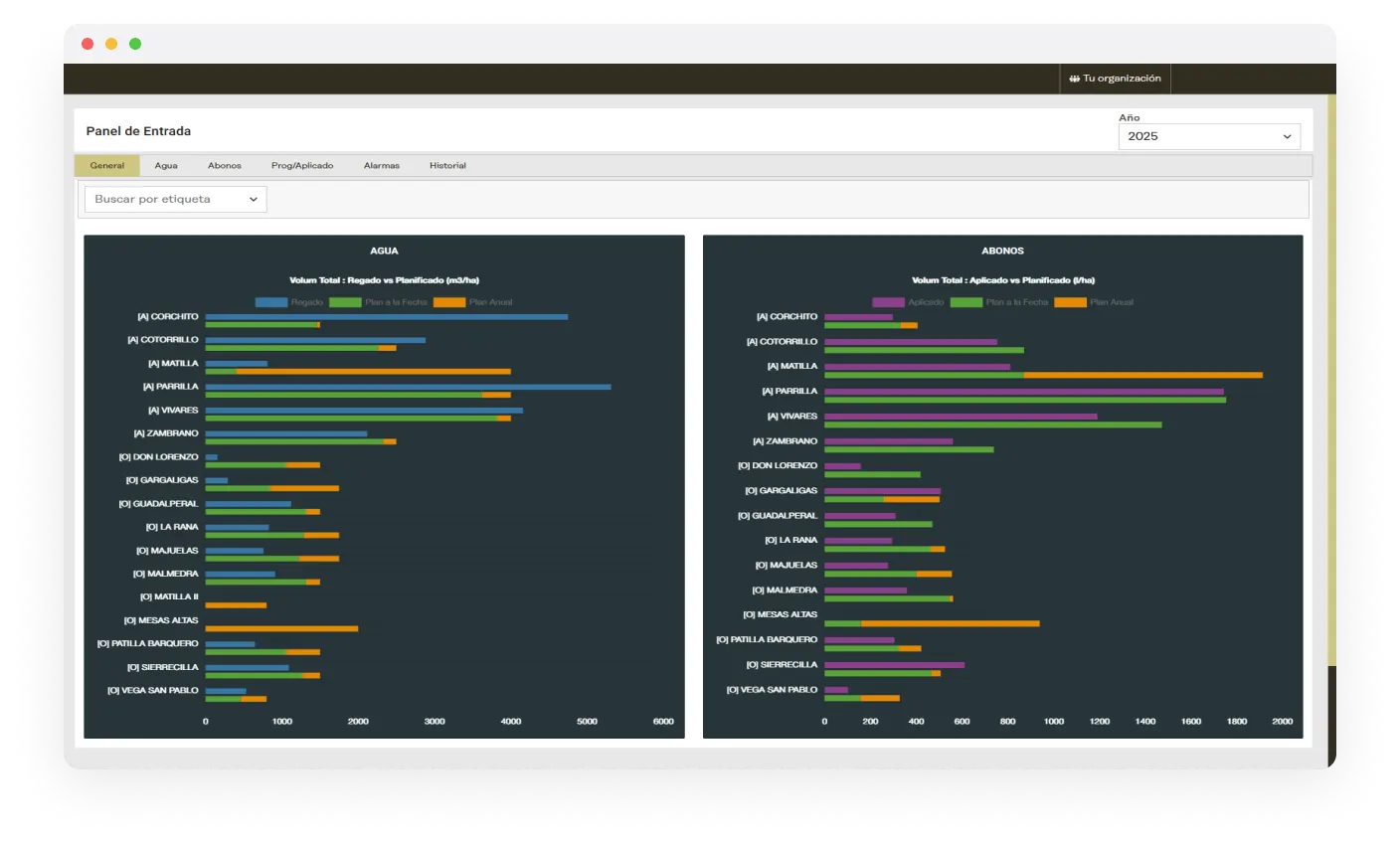
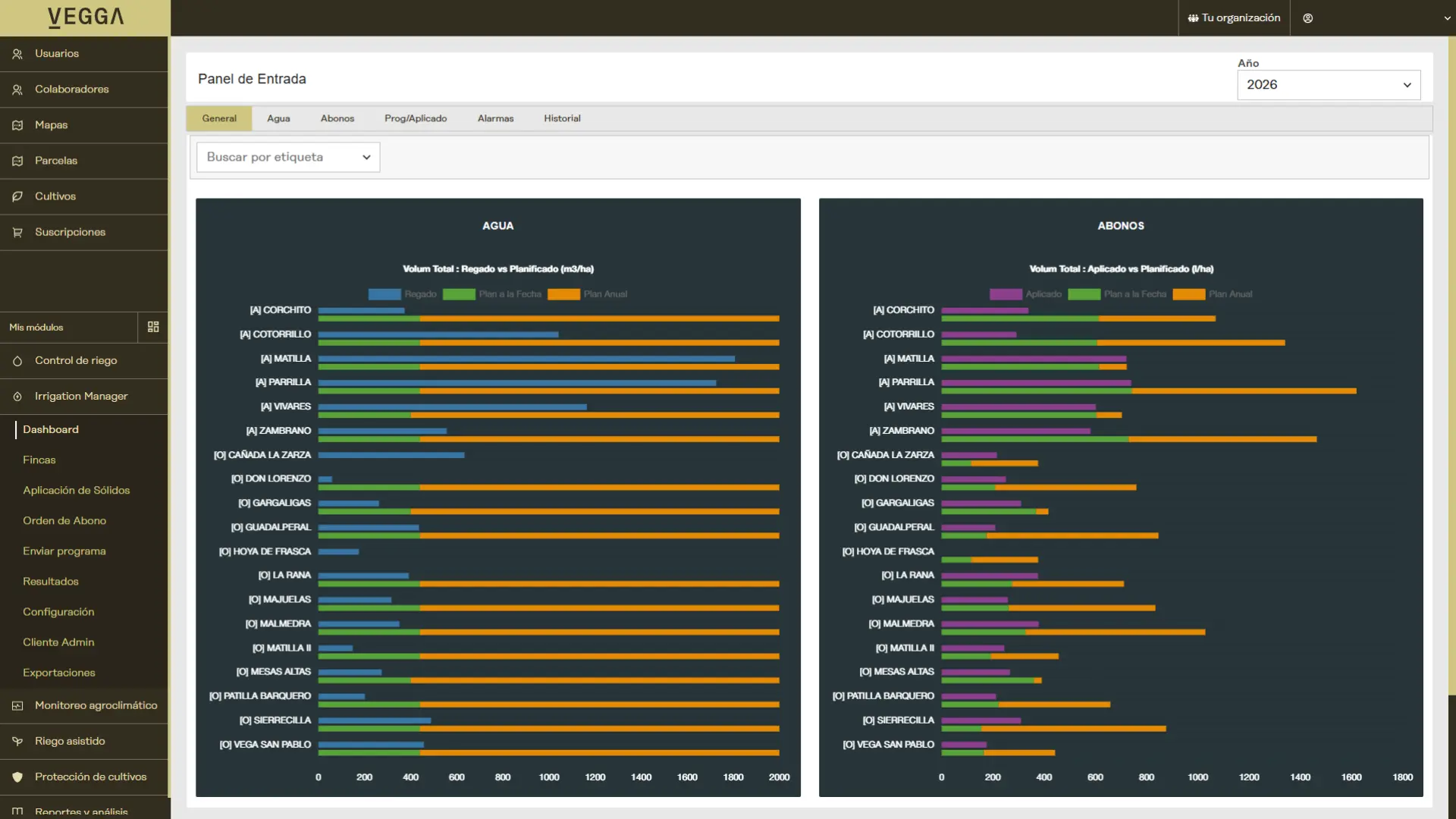
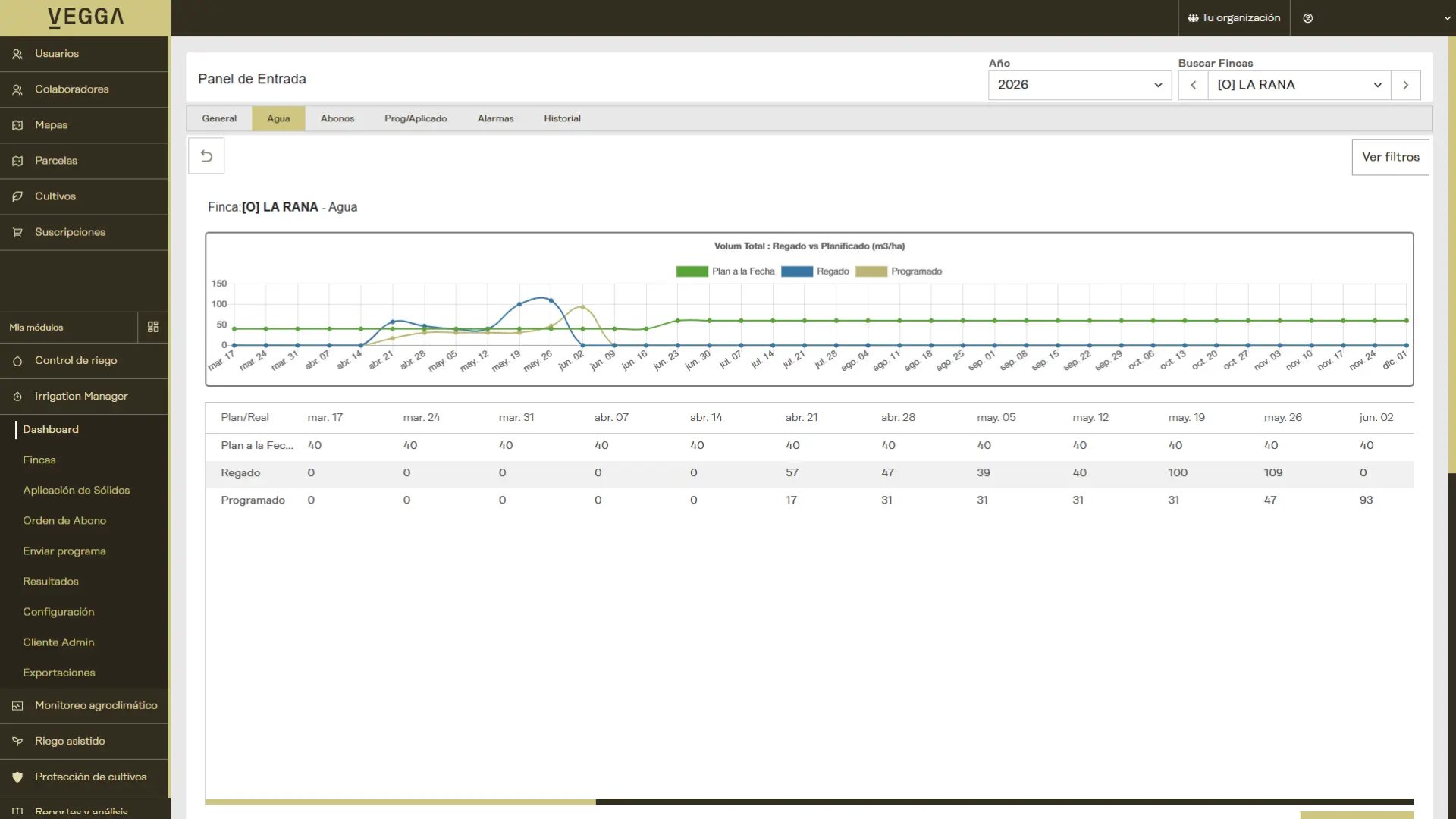
Monitor the status of irrigation and fertilization plans for all your farms from a single dashboard. Irrigation Manager lets you visually compare what was planned, what was scheduled, and what was actually applied to ensure compliance with your agronomic strategy.
Graphical monitoring of irrigation and fertigation plans.
Weekly comparison of planning, scheduling, and execution.
Quick identification of deviations and opportunities for improvement.
A comprehensive overview of all farms from a single platform.
Indicators for more efficient decision-making.
2 / 6
Smart Irrigation and Fertilization Planning
Design a fertigation strategy for the entire growing season, tailoring it to the needs of each crop and farm. Centralize technical and agronomic settings to ensure consistent and efficient management.
Configuration of farms, parcels, and sectors.
Definition of controllers, flow rates, and injection systems.
Setting up planting beds and irrigation systems.
Irrigation schedule management.
Creating fertilization plans with overall and weekly goals.
3 / 6
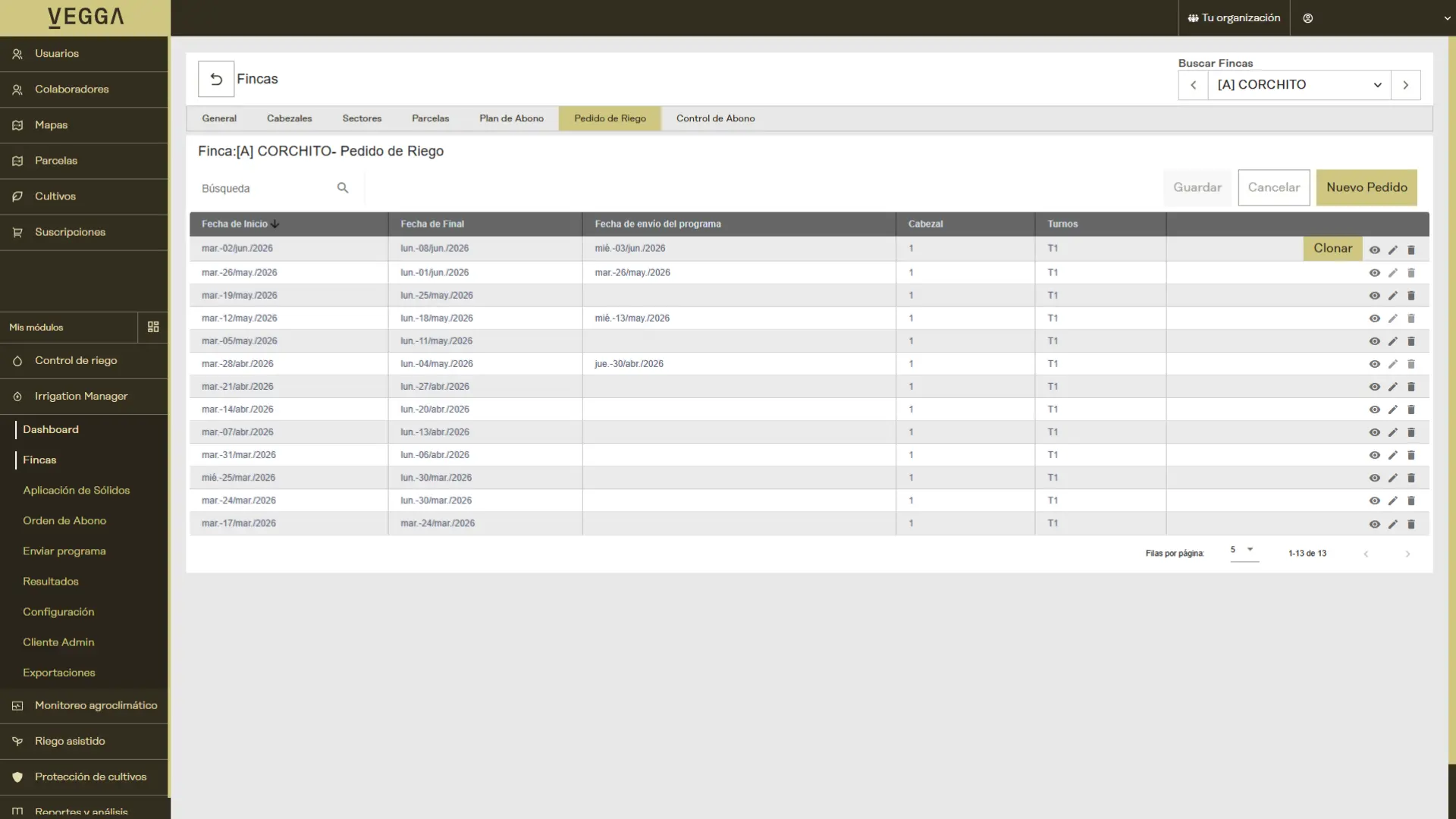
Programming and sending irrigation schedules
Streamline operational management by quickly and intuitively creating irrigation schedules. The system automatically calculates the required fertilization and sends the schedules to Agrónic units for running.
Quickly create weekly irrigation schedules.
Automatic calculation of fertilizer requirements for fertilization.
Adjust the dose according to the established plan.
Centralized deployment of programs to Agrónic units.
Automation of repetitive tasks and reduction of errors.
4 / 6
Comprehensive fertilizer management and application
Keep complete control over the fertilizers used on each farm—both liquid and solid—ensuring the traceability of all applications.
Control of fertilizer inflows and outflows.
Real-time inventory management by farm.
Manual record of solid fertilizer applications.
Monitoring of nutrients applied during the growing season.
Greater control and traceability of fertilization operations.
5 / 6
Consumption Analysis and Resource Optimization
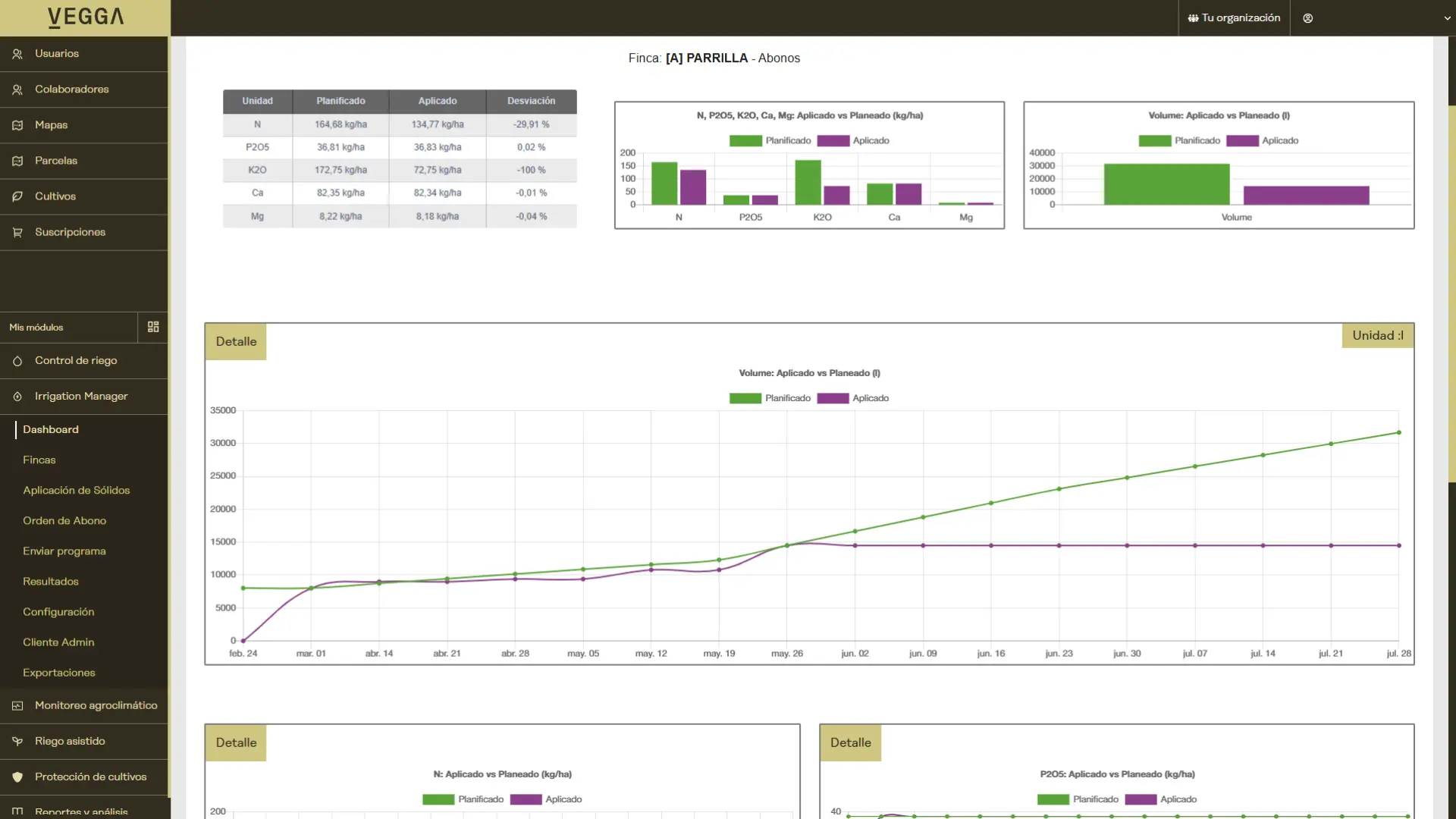
It converts the data generated by Agrónic units into useful information to improve irrigation efficiency and crop nutrition.
Detailed analysis of water consumption by farm, sector, or hectare.
Calculation of applied fertilizer units (NPK, calcium, and magnesium).
Comparison of plots, sectors, and growing seasons.
Assessment of irrigation and fertilization efficiency.
Reports to optimize the use of water, fertilizers, and energy.
6 / 6
Administration, procurement, and centralized management
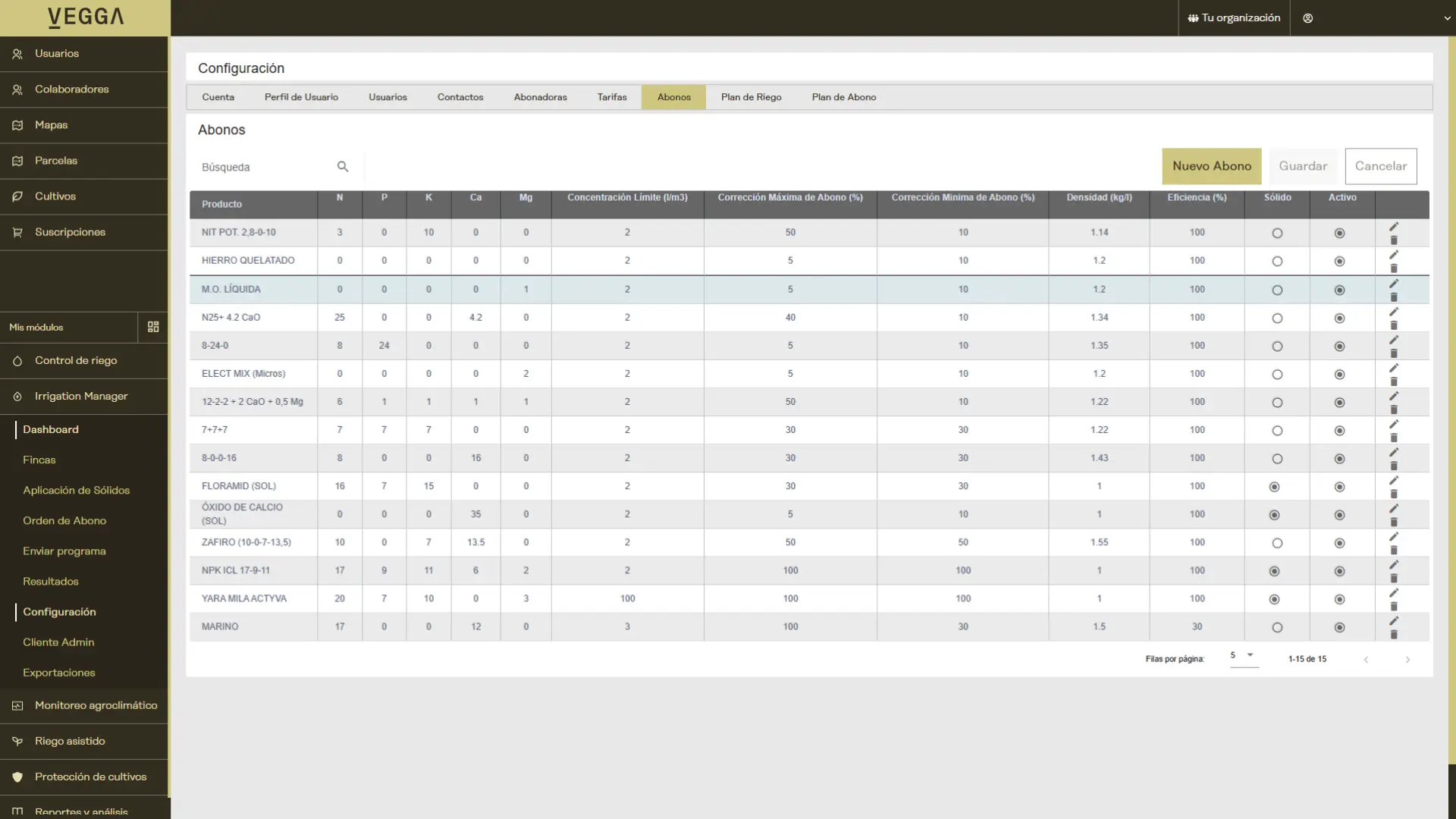
Manage users, suppliers, fertilizers, and supply needs from a single platform. Irrigation Manager simplifies the coordination of large farms and optimizes supply logistics.
User and access profile management.
Configuring suppliers, companies, and fertilizers.
Smart Fertilizer Order Generation.
Automatic calculation of requirements based on plans and available inventory.
Grouping orders and deliveries to optimize logistics.
Advanced management tools for operations managers.
Benefits of Advanced Fertigation
Time savings and streamlined management
Automate irrigation and fertilization scheduling for multiple farms and significantly reduce the time spent on operational tasks.
Reduction in energy costs
Program irrigation based on the most favorable electricity rates to optimize the farm’s energy consumption.
Optimization of Water and Fertilizers
It applies the necessary resources more precisely to each plot, reducing waste and improving the efficiency of fertigation.
Higher crop yields
It ensures compliance with fertigation plans and provides more precise nutrition to maximize yield potential.
Full control and data-driven decisions
Analyze water and fertilizer usage by farm, sector, or hectare to improve planning and decision-making.
Efficient Fertilizer Management
Control available inventory and anticipate supply needs to avoid stockouts during the campaign.
Success Story
De Prado
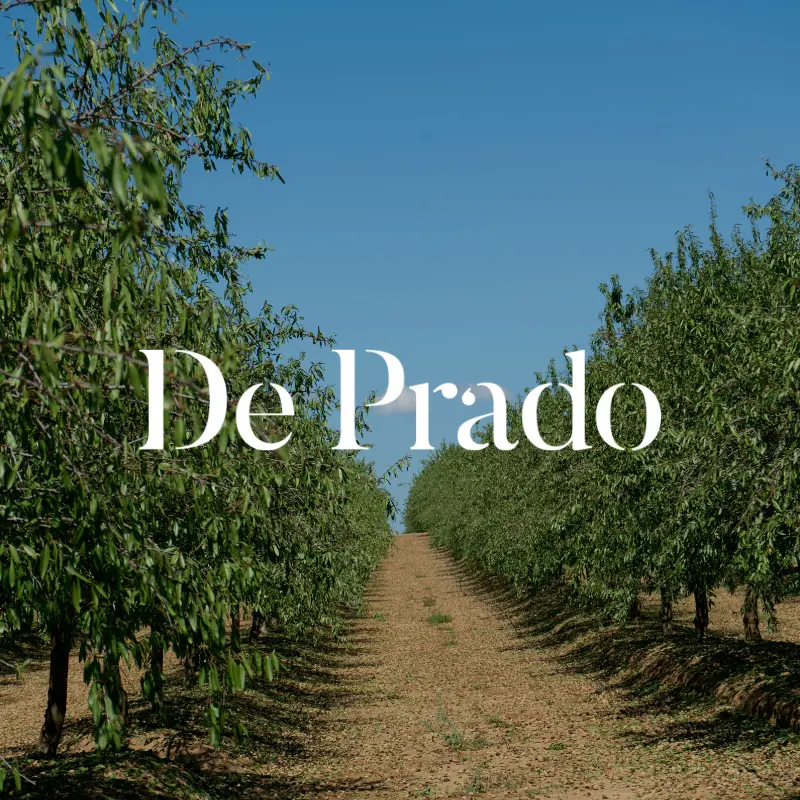
De Prado centralized the management of irrigation and fertilization across more than 150 farms using VEGGA’s Irrigation Manager module, achieving unified, real-time control over all operations. As a result, they have reduced errors, standardized processes, and improved the efficiency of their growing seasons.
Advanced irrigation, fertilization, and climate controller that allows for automated irrigation by sector and sensors, ideal for smart, remote management.
Complete control of irrigation and fertilization for hydroponic and soil-based crops, with regulation based on time, volume, or EC, as well as sensors, pumping, mixing, and filter cleaning.
Comprehensive soil monitoring through the measurement of moisture, temperature, and electrical conductivity. These parameters make it possible to assess soil moisture conditions and nutrient availability.
An irrigation meter that monitors the volume of water applied and enables users to control water consumption, analyze irrigation pulses, and detect hydraulic anomalies. At VEGGA, this data is integrated with soil and climate sensors to optimize irrigation efficiency and decision-making.
A fertilizer meter that monitors the amount of fertilizer injected and allows users to control the dosage, analyze applications, and optimize nutritional efficiency on the VEGGA platform.
Oilseed and industrial crops, such as sunflowers, soybeans, and sugar beets, require efficient water management, fertilization, and input control to maximize productivity.
Leafy and fruit vegetables, such as lettuce, tomatoes, and peppers, require careful management of water, fertilization, and pest control to maximize productivity and quality.
Nuts, such as almonds, pistachios, walnuts, and hazelnuts, require efficient water management, fertilization, and input control to maximize productivity and quality.
Root vegetables, tubers, and bulbs—such as potatoes, carrots, and onions—require efficient water management, fertilization, and pest control to ensure high yields and quality.
Citrus trees, such as orange, lemon, and mandarin trees, require efficient water management, fertilization, and input control to maximize productivity and quality.
Stone and pome fruit trees, such as apple, pear, and peach trees, require efficient water management, fertilization, and input control to maximize productivity and fruit quality.
Monitoring irrigation and the growing medium is key for berries, as water balance and root aeration influence crop development, nutrition, and plant health.
Tropical and subtropical fruit trees, such as avocado, mango, and pomegranate, require efficient water management, fertilization, and input control to maximize productivity and fruit quality.
“With Irrigation Manager, we have been able to centralize the management of irrigation and fertilization on our farms, ensuring precise control, early detection of problems, and continuous improvement season after season.”
Joan Fortuny, General Manager of Almendro en De Prado
Agroclimatic monitoring
Accurate climate, plant, and soil data to inform decisions about irrigation and nutrition
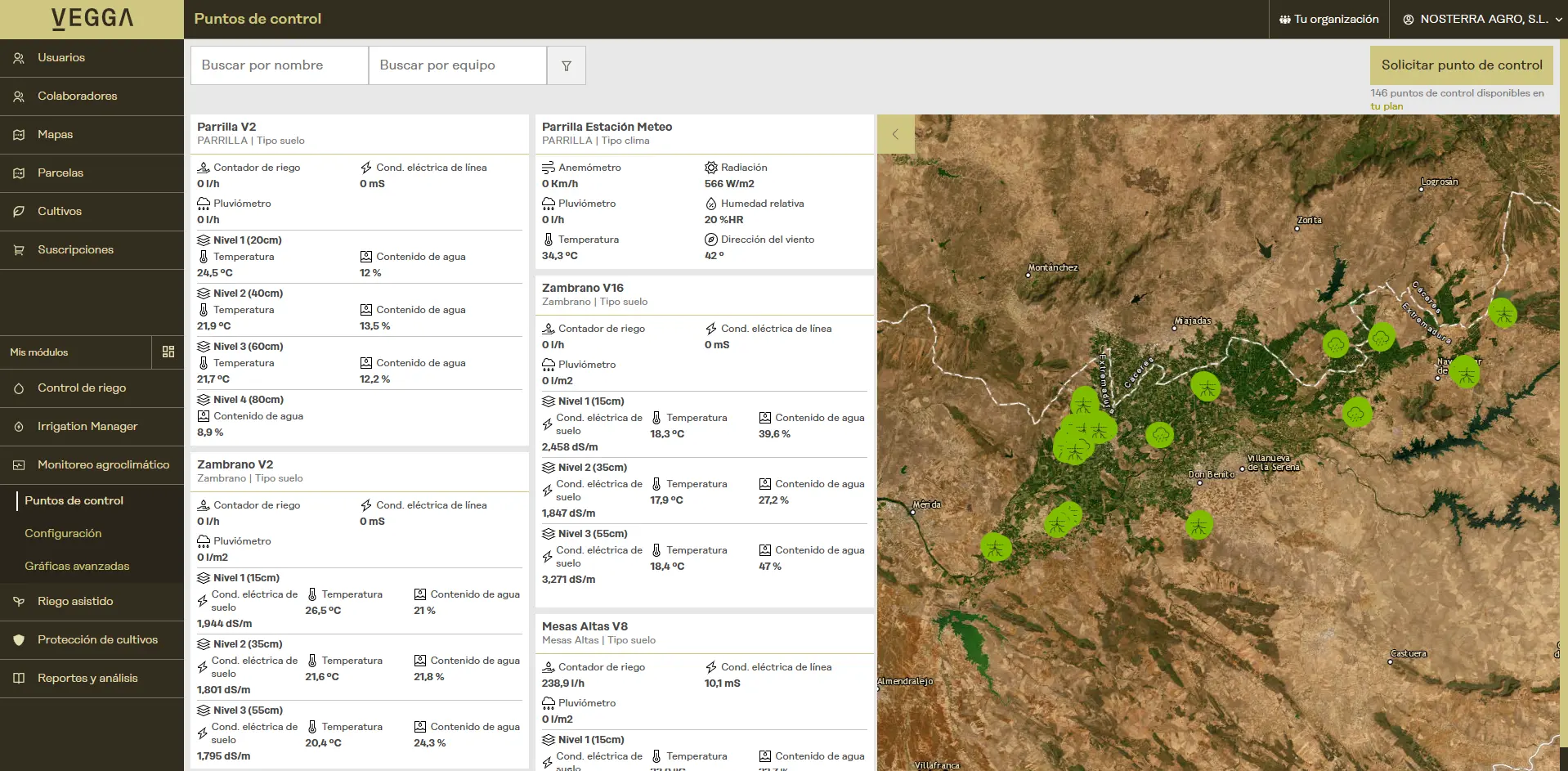
View real-time data from your sensors and agroclimatic index charts, assess key climate, plant, and soil variables, and make informed decisions to optimize irrigation, prevent plant stress, and avoid crop losses.
Dashboards intuitively display information from the sensors installed on your farm, making it easier to interpret climate, plant, and soil data so you can make informed decisions and optimize farm management.
The checkpoints are displayed with their locations on an interactive map.
All data collected by the sensors is automatically transmitted to the platform.
Automatic generation of agroclimatic indices based on the collected data.
Information organized and categorized by sensor groups.
2 / 2
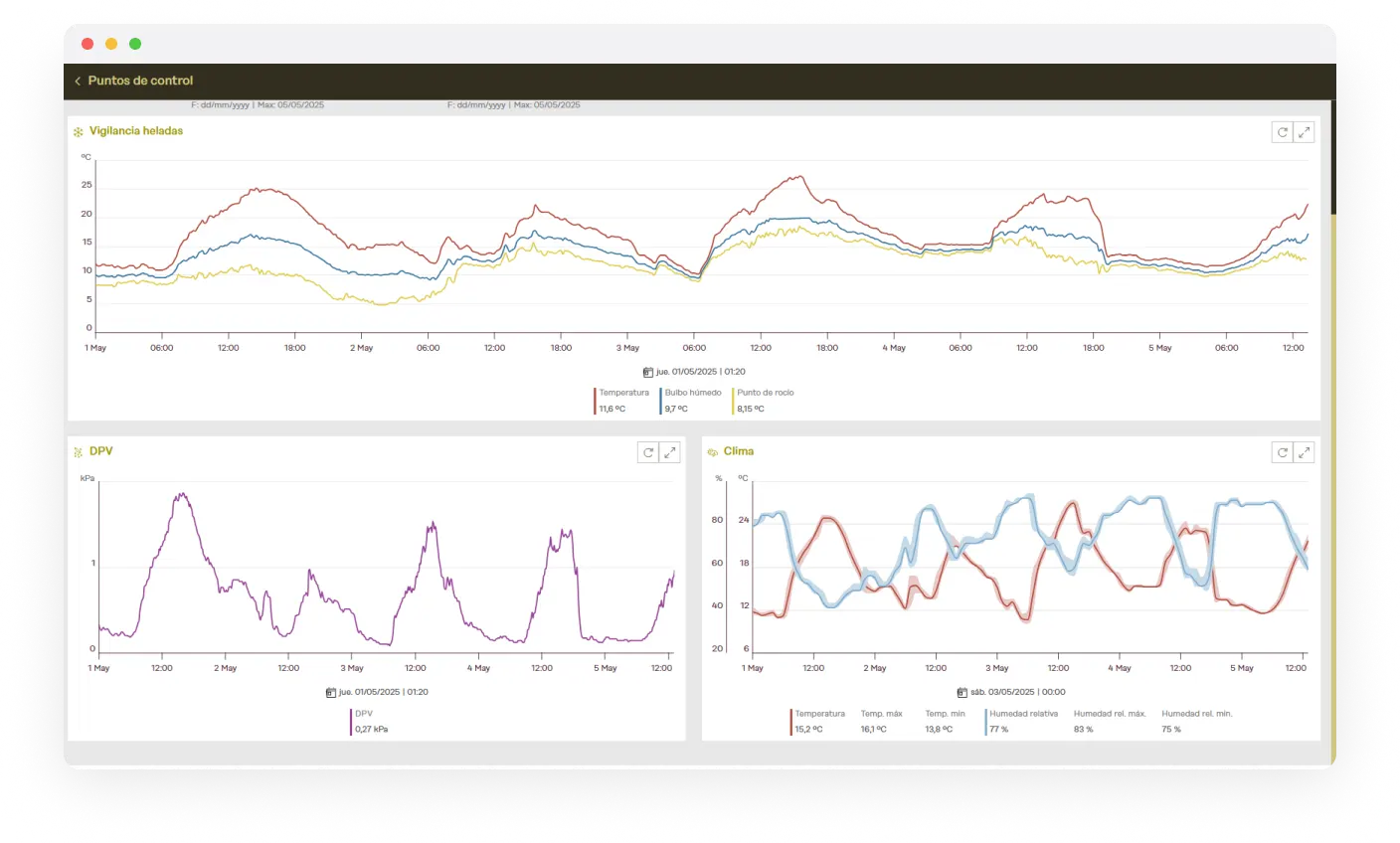
Dynamic graphs of calculated agronomic indices
The calculated agronomic indices, derived from data collected by sensors, enable a precise assessment of weather and soil conditions at each monitoring point. These visualizations facilitate the interpretation and monitoring of key variables for agronomic decision-making, such as water availability, crop water status, and nutrient dynamics.
The platform offers dynamic, interactive charts for analyzing trends in the following indices:
Climate
Vapor pressure deficit (VPD)
Reference Evapotranspiration (ETo)
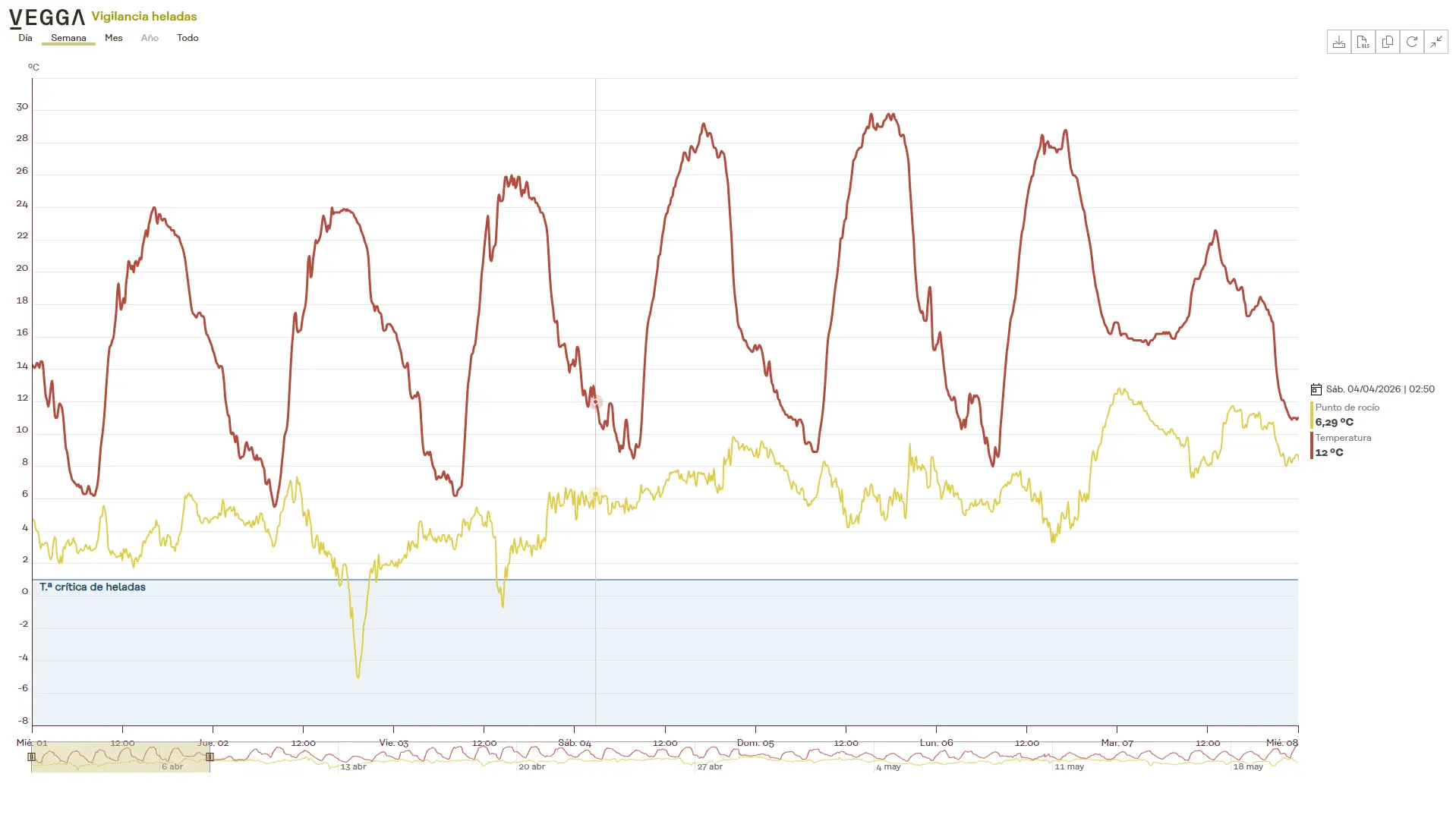
Frost Watch
Available water capacity
Nutrition Dynamics
Climate and vegetation charts
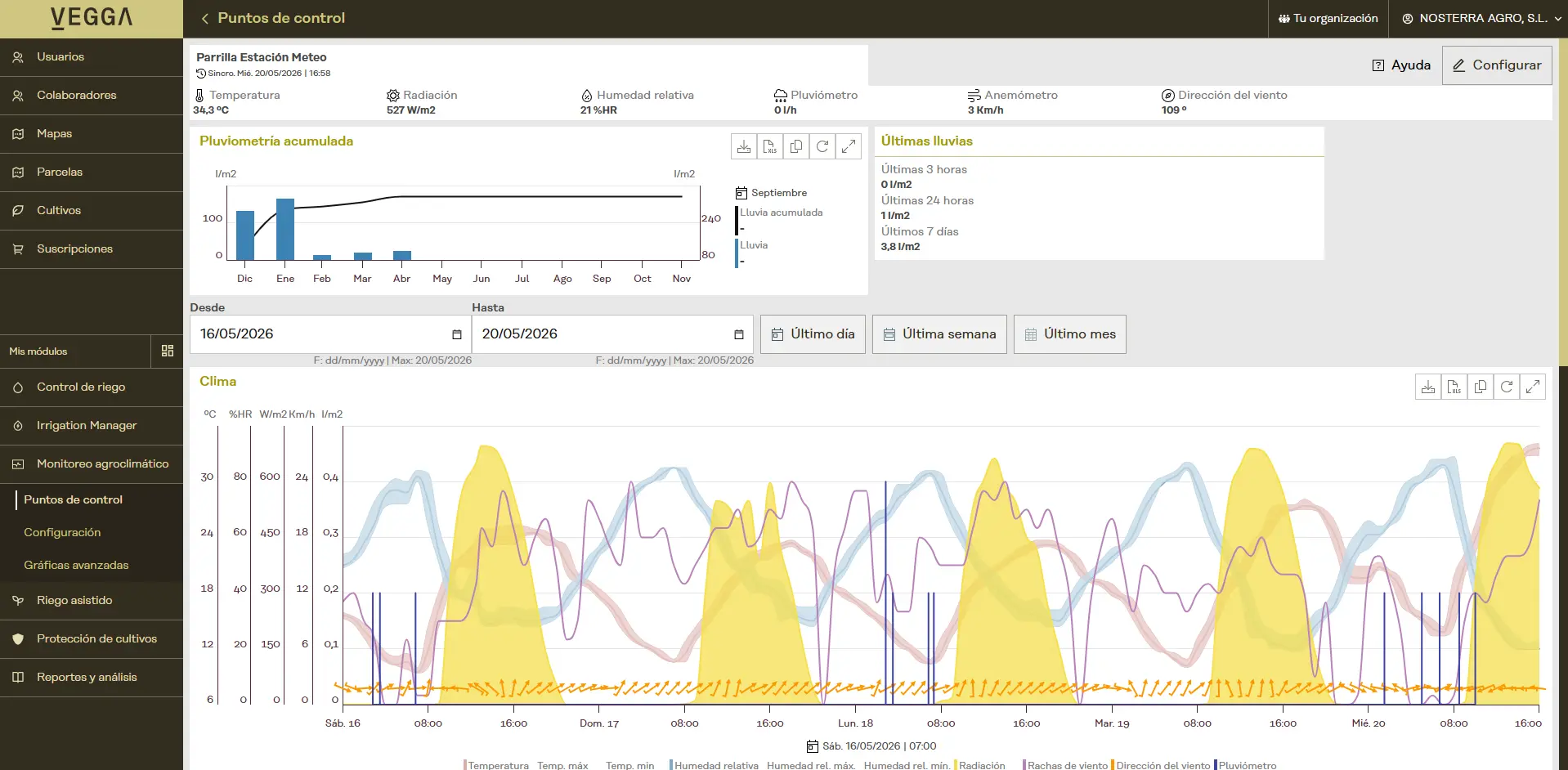
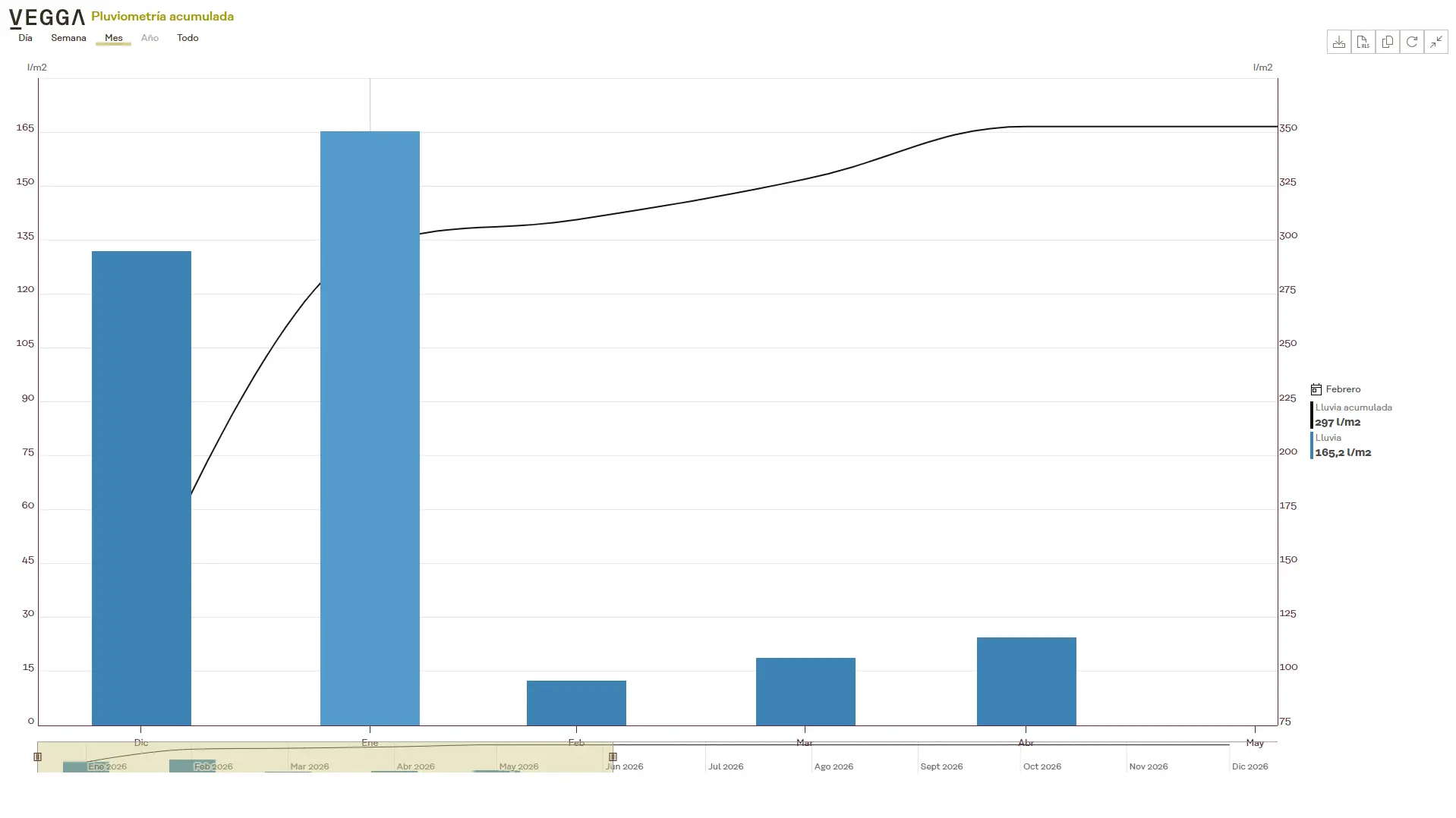
Rainfall measurement
Displays cumulative rain totals and recent precipitation over different time periods. This information helps adjust irrigation, avoid unnecessary watering, and prevent problems caused by waterlogging or excess moisture.
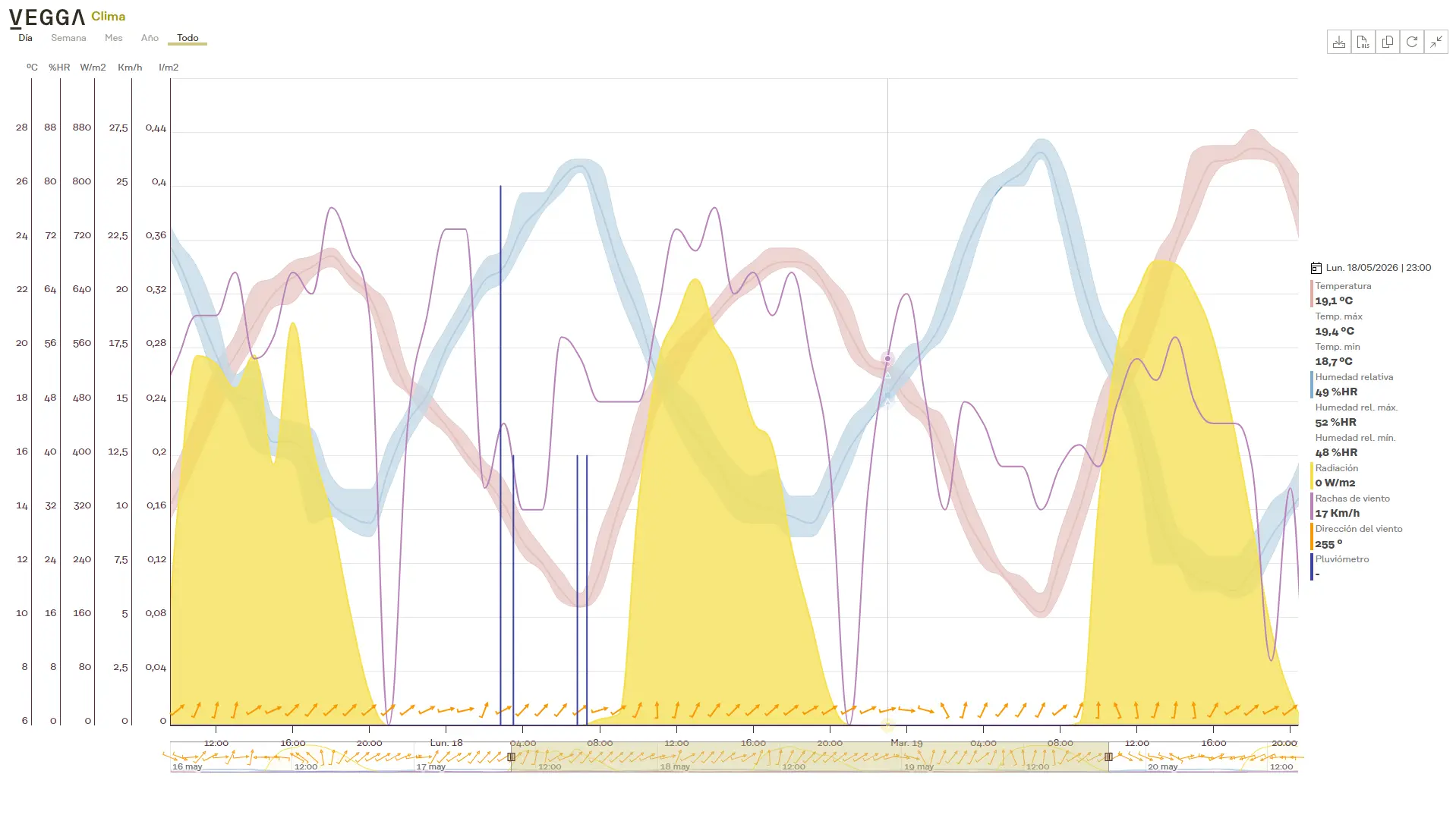
Climate
It integrates data on temperature, humidity, solar radiation, wind, and rain to provide a comprehensive overview of the environmental conditions of the crop. It facilitates the planning of irrigation and other agricultural tasks.
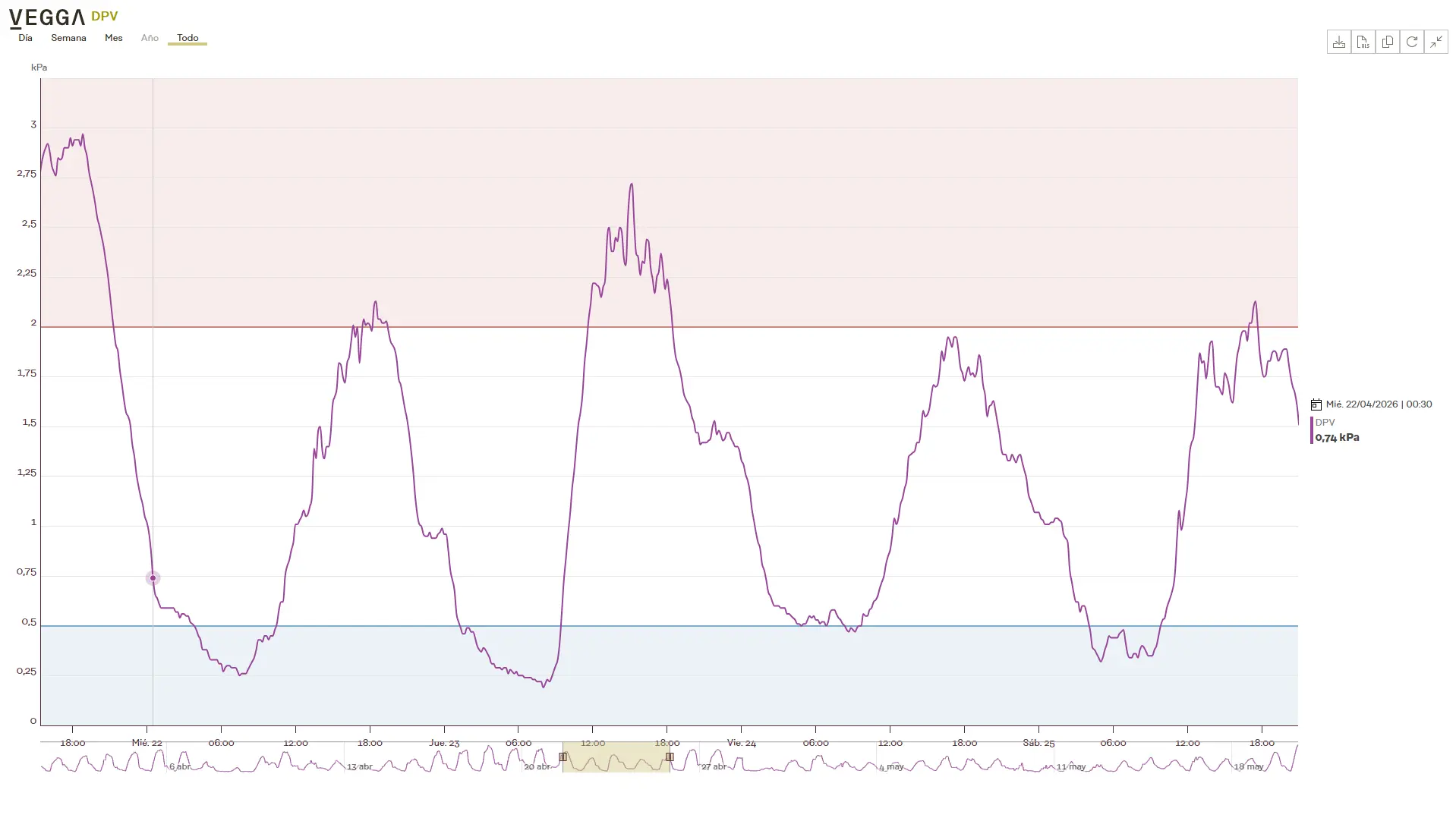
Vapor pressure deficit (VPD)
The vapor pressure deficit (VPD) measures the demand for water in the air: when it is high, plants transpire more and may suffer from water stress if they do not have enough water. Knowing the VPD helps prevent crops from becoming dehydrated or stunted in their growth.
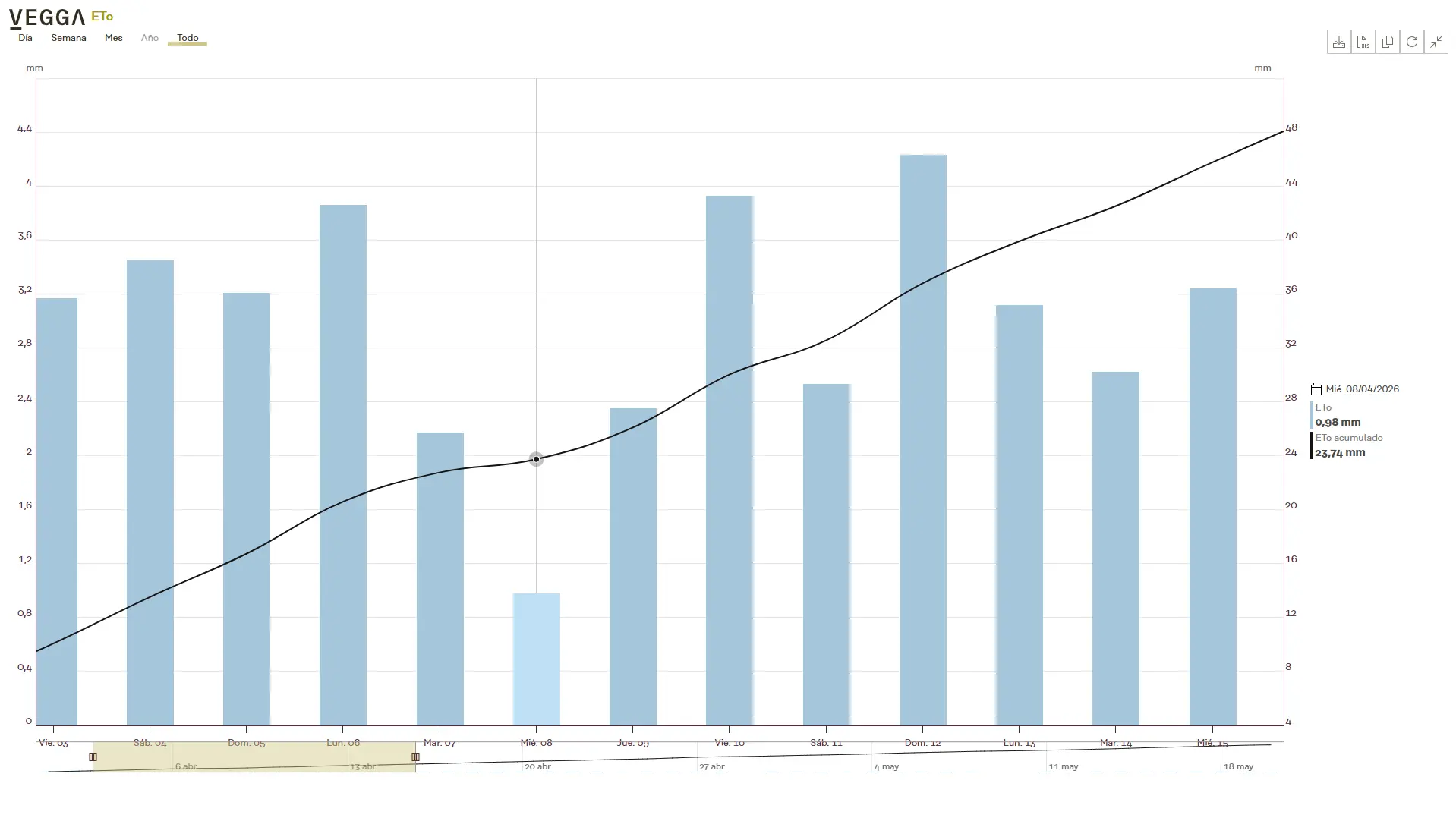
Reference Evapotranspiration (ETo)
Reference evapotranspiration (ETo) indicates how much water is lost through soil evaporation and plant transpiration under optimal climatical conditions, based on a standard vegetation cover.
Frost Watch
Dew point and wet-bulb temperature help predict the risk of frost. These parameters allow for timely action to protect the most vulnerable parts of the crop.
Soil charts
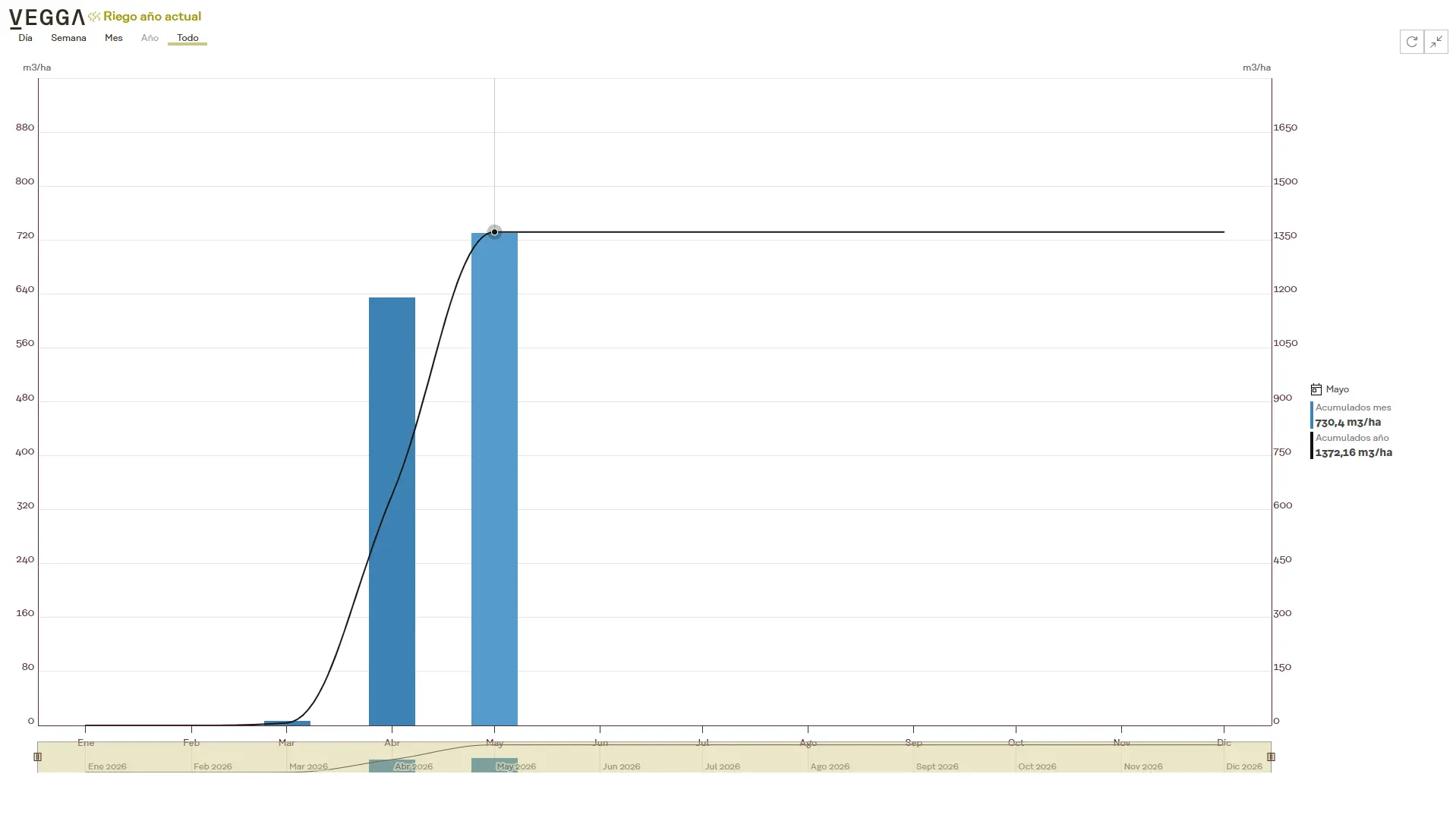
Irrigation completed
Displays the amount of water applied during the season and details of the most recent irrigation, such as volume and duration. It helps control water usage and verify that the irrigation system is functioning correctly.
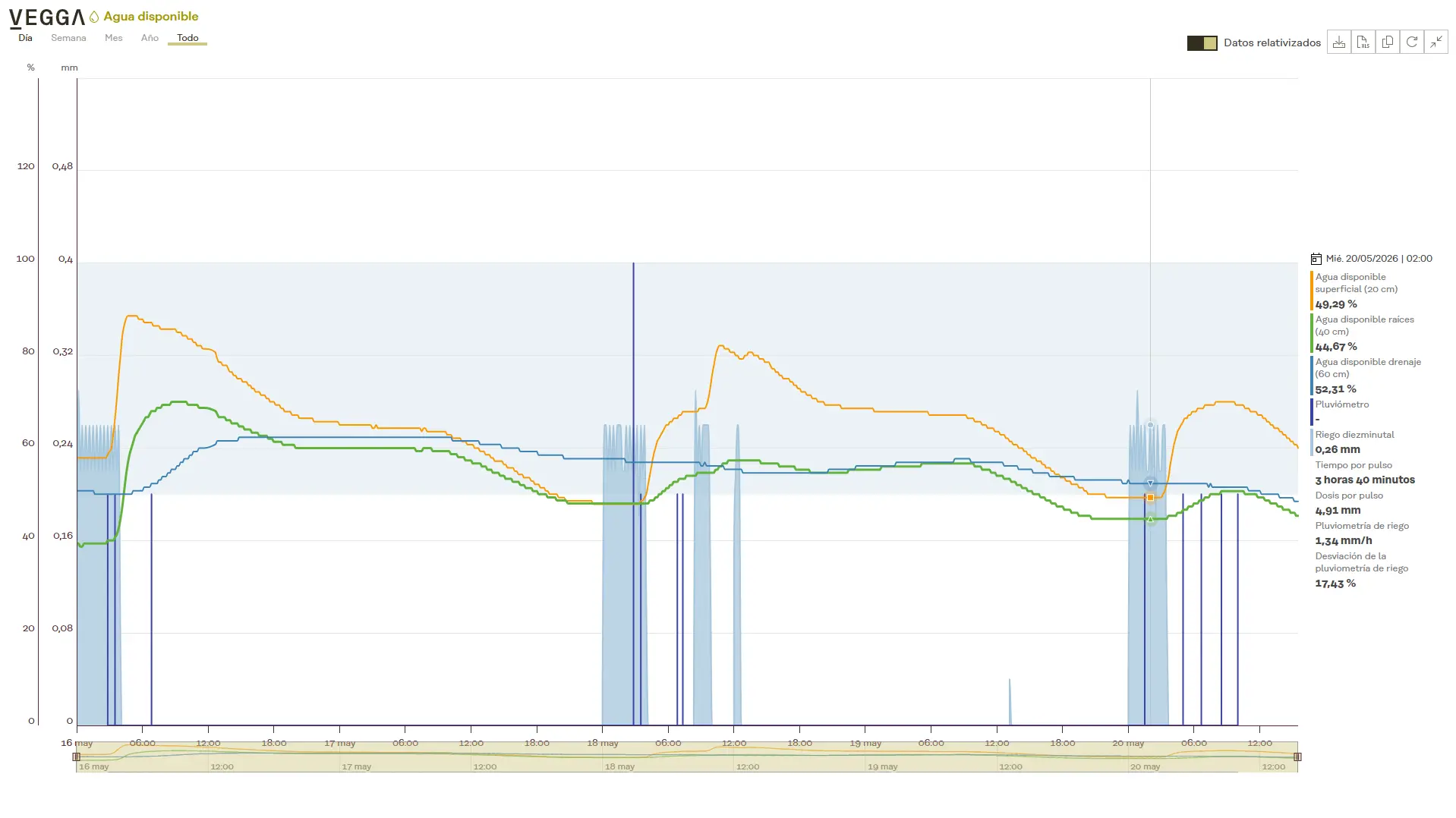
Available water capacity
It shows how moisture is distributed in the soil and how the roots respond after each irrigation. This information allows you to adjust the frequency and duration of irrigation to improve water efficiency.
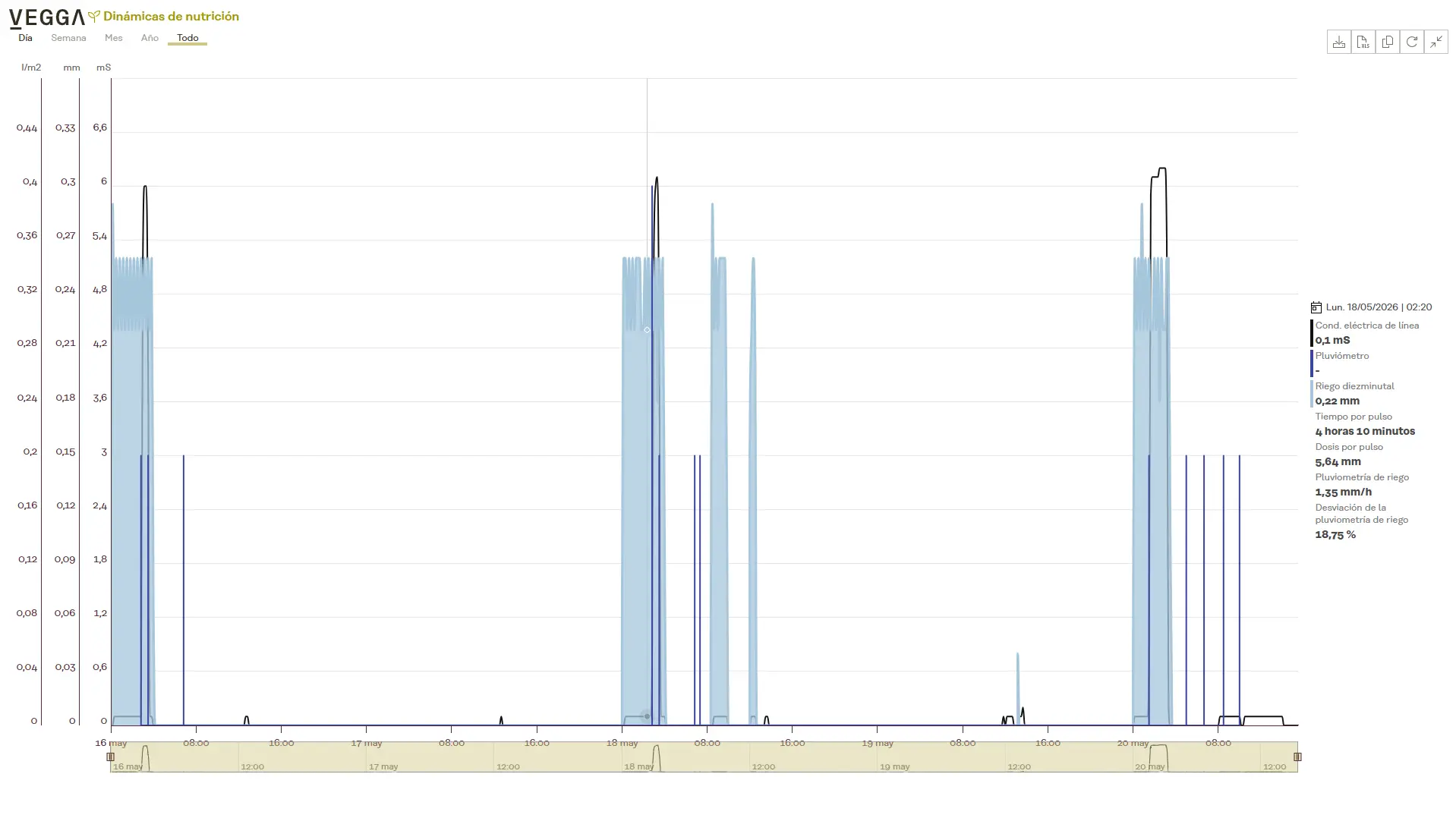
Nutrition Dynamics
Monitoring conductivity and irrigation pulses makes it possible to determine when fertilizer is flowing through the system and to adjust fertigation to improve nutrient uptake and prevent losses.
Benefits of agroclimatic monitoring
Irrigation Optimization
It adjusts the frequency and duration of irrigation based on real-time data on climate, soil, and plants, improving water efficiency and reducing water waste.
Preventing water stress in crops
Monitoring variables such as DPV, soil moisture, and ETo makes it possible to detect stress conditions before they affect crop growth and yield.
Real-time decision-making
View up-to-date sensor data to respond quickly and accurately to changes in climate, crop, and soil conditions.
Protection against climatical risks
Frost monitoring and the analysis of climatical parameters help anticipate critical events and minimize crop losses.
Improvements in fertigation and plant nutrition
Monitoring soil nutrient dynamics and conductivity helps optimize fertilizer application and improve nutrient uptake.
Intuitive visualisation and analysis
The platform generates dynamic graphs and agronomic indices that are ready to interpret, making it easier to analyze crop conditions and manage them more efficiently.
Success Stories
TerraNostra
TerraNostra committed to full digitalization to optimize irrigation and maximize productivity. Using VEGGA and moisture sensors, the company turned data into precise, real-time decisions, achieving greater water efficiency, deeper root systems, and more profitable crops.
It monitors key meteorological variables such as Evapotranspiration (ET) and vapor pressure deficit, enabling users to manage the water balance and anticipate irrigation needs.
Comprehensive soil monitoring through the measurement of moisture, temperature, and electrical conductivity. These parameters make it possible to assess soil moisture conditions and nutrient availability.
Oilseed and industrial crops, such as sunflowers, soybeans, and sugar beets, require efficient water management, fertilization, and input control to maximize productivity.
Leafy and fruit vegetables, such as lettuce, tomatoes, and peppers, require careful management of water, fertilization, and pest control to maximize productivity and quality.
Nuts, such as almonds, pistachios, walnuts, and hazelnuts, require efficient water management, fertilization, and input control to maximize productivity and quality.
Root vegetables, tubers, and bulbs—such as potatoes, carrots, and onions—require efficient water management, fertilization, and pest control to ensure high yields and quality.
Citrus trees, such as orange, lemon, and mandarin trees, require efficient water management, fertilization, and input control to maximize productivity and quality.
Stone and pome fruit trees, such as apple, pear, and peach trees, require efficient water management, fertilization, and input control to maximize productivity and fruit quality.
Monitoring irrigation and the growing medium is key for berries, as water balance and root aeration influence crop development, nutrition, and plant health.
Tropical and subtropical fruit trees, such as avocado, mango, and pomegranate, require efficient water management, fertilization, and input control to maximize productivity and fruit quality.
“Thanks to VEGGA, our farms operate as a smart system: we can plan irrigation, fertilization, and pest treatments using accurate and reliable data. This gives us peace of mind and allows us to focus on what matters most: maximizing crop productivity and health. ”
Pablo Vega, Director of TerraNostra
Crop Protection
Anticipate pests and diseases and optimize your treatments
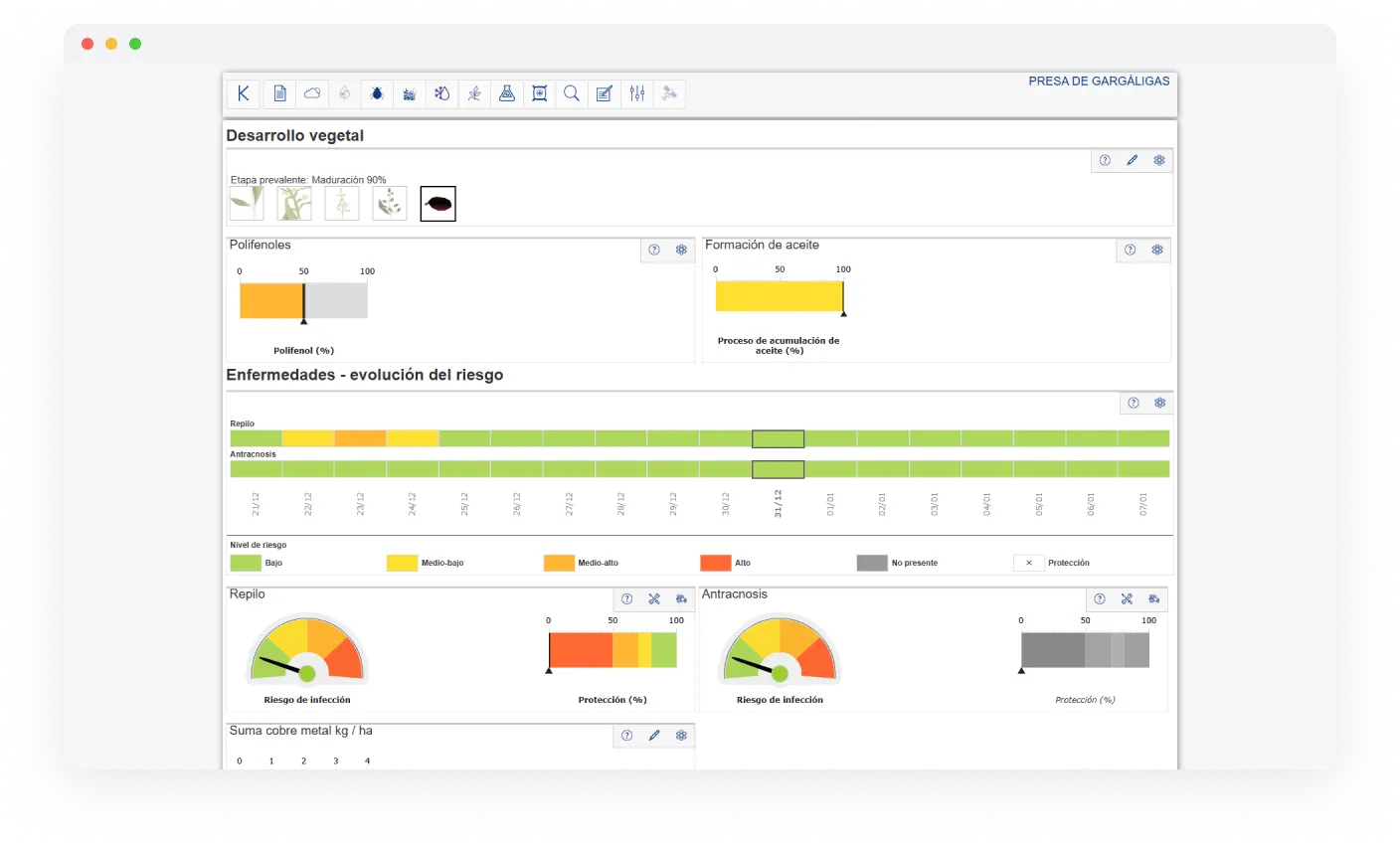
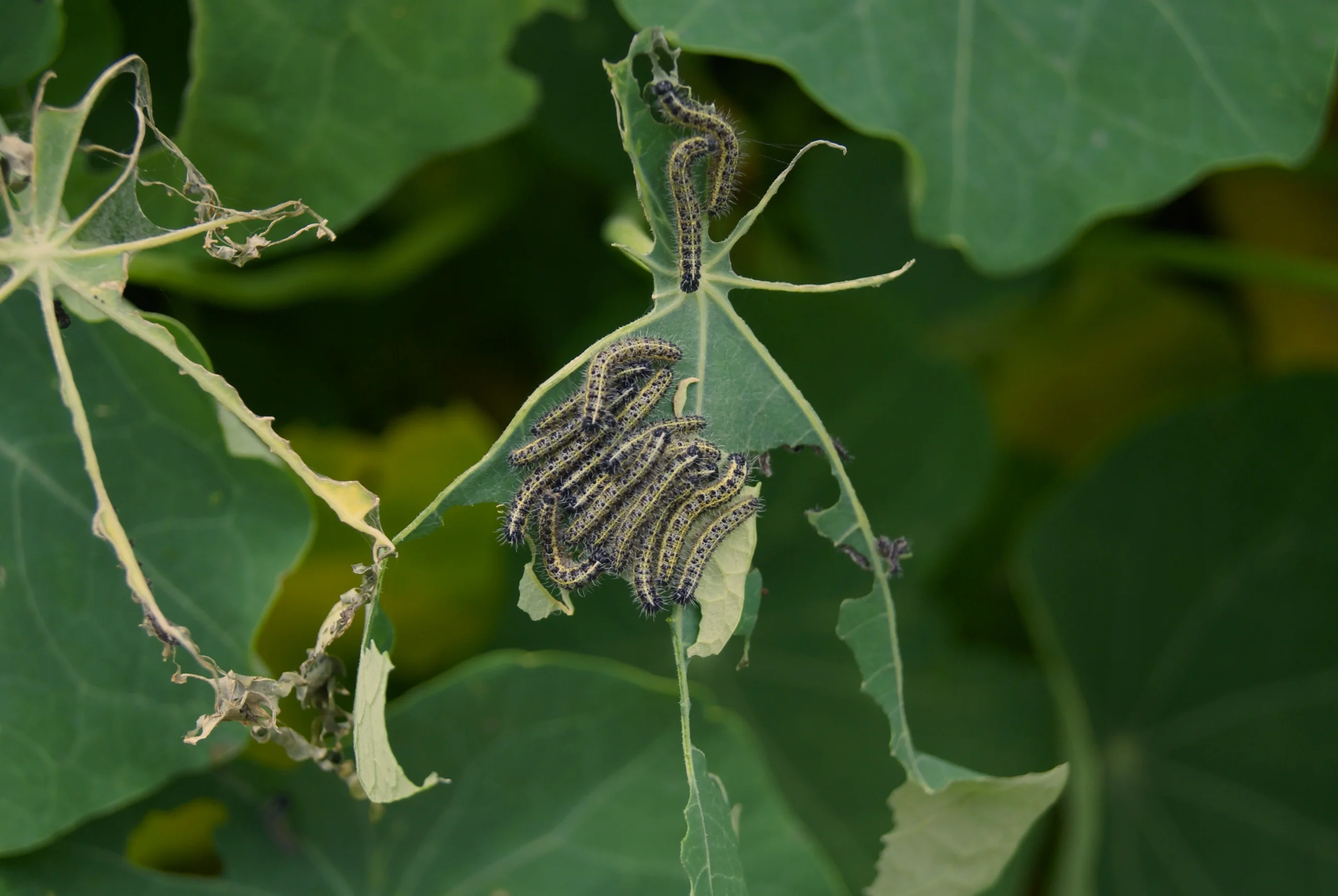
The module provides predictions on the development of pests and diseases, enabling proactive and efficient management and optimizing crop health and productivity.
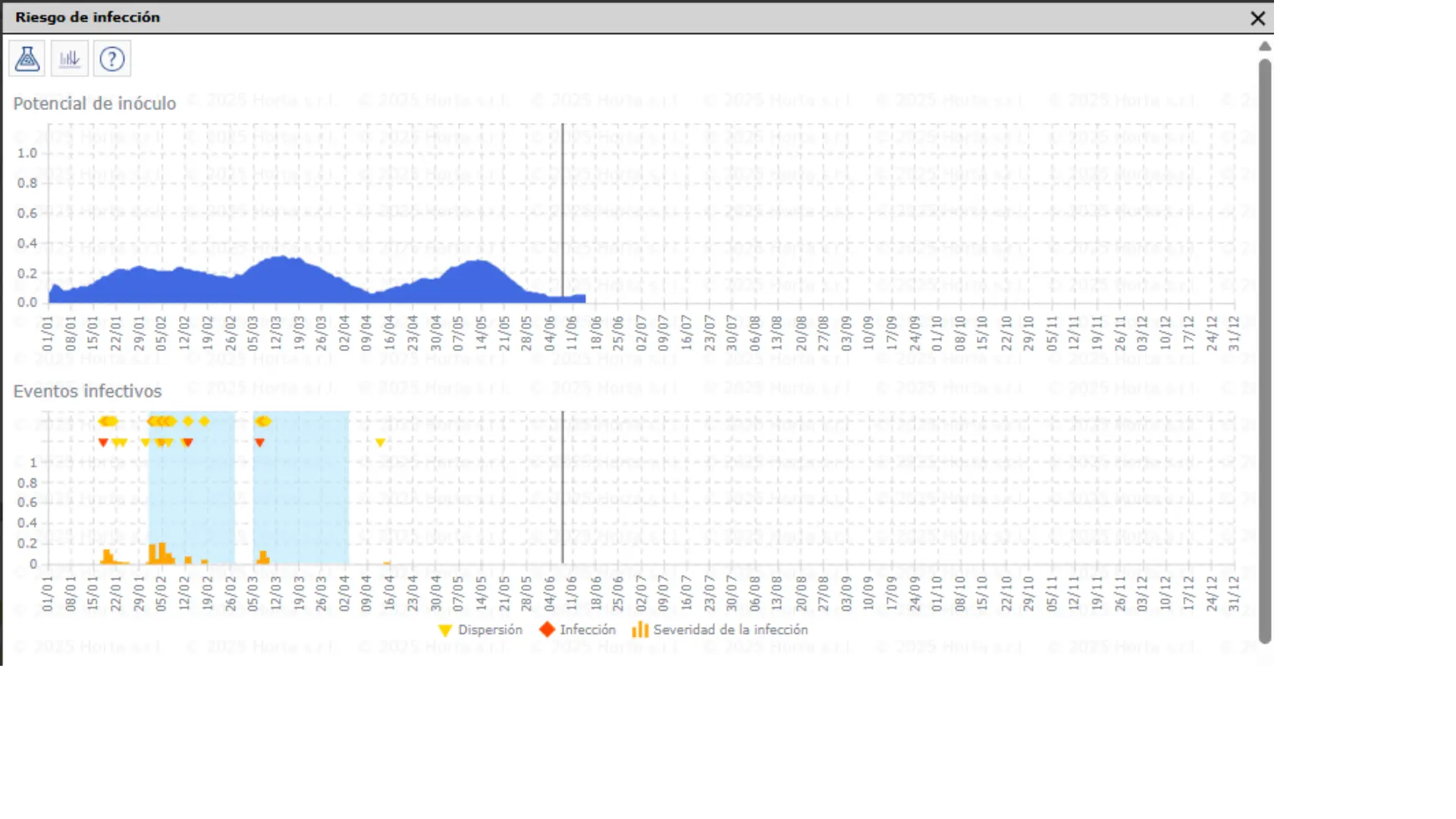
Using advanced models, it predicts the risk of pest and disease outbreaks, making it easier to plan preventive treatments.
The tool functions as a decision-support system that integrates crop data, weather conditions, and other agronomic factors to generate recommendations and alerts.
2 / 5
Crop varieties and crop-specific diseases
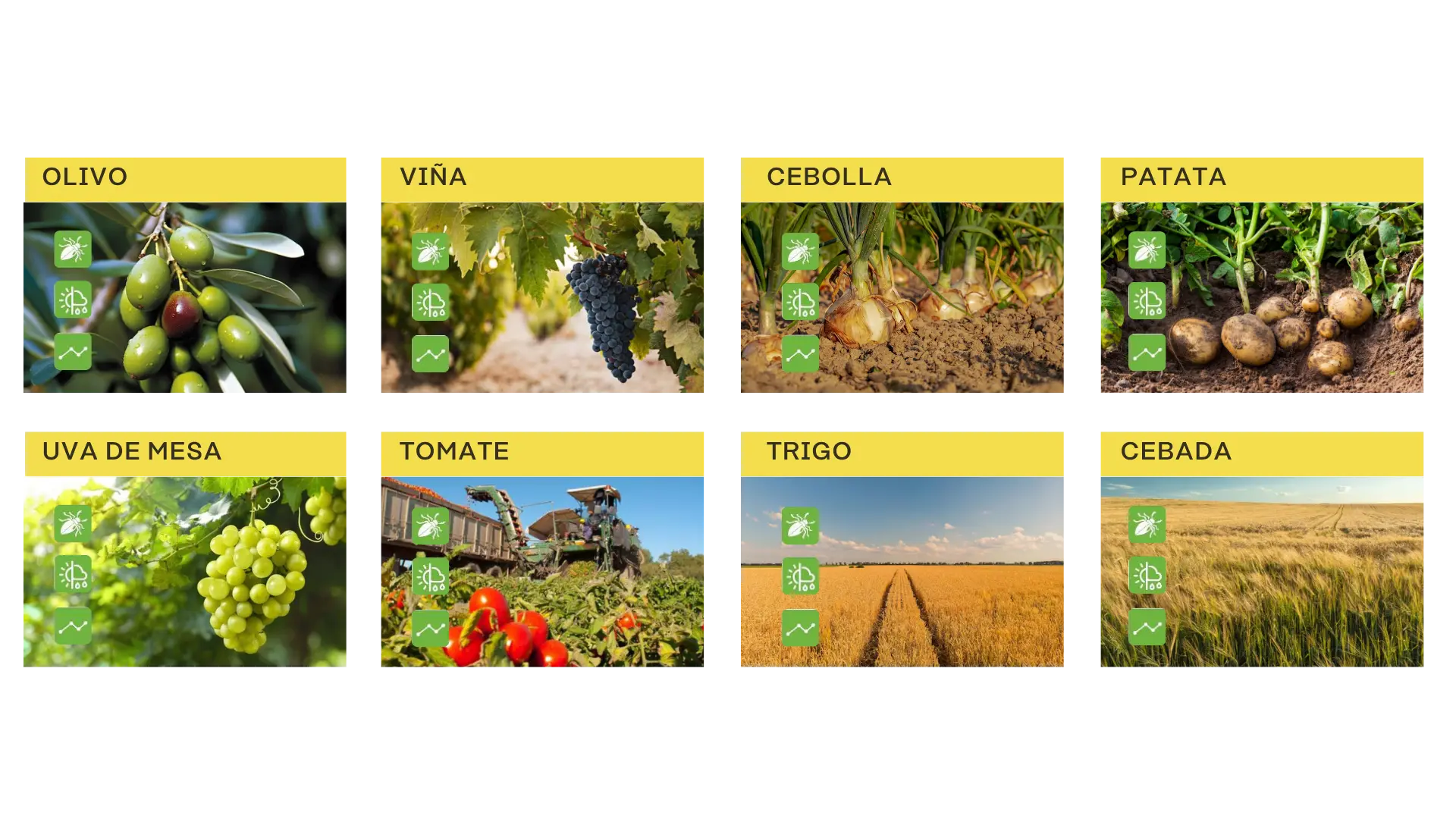
It includes models specifically developed for the major pests and diseases affecting each crop, ensuring more precise and efficient management tailored to your specific needs.
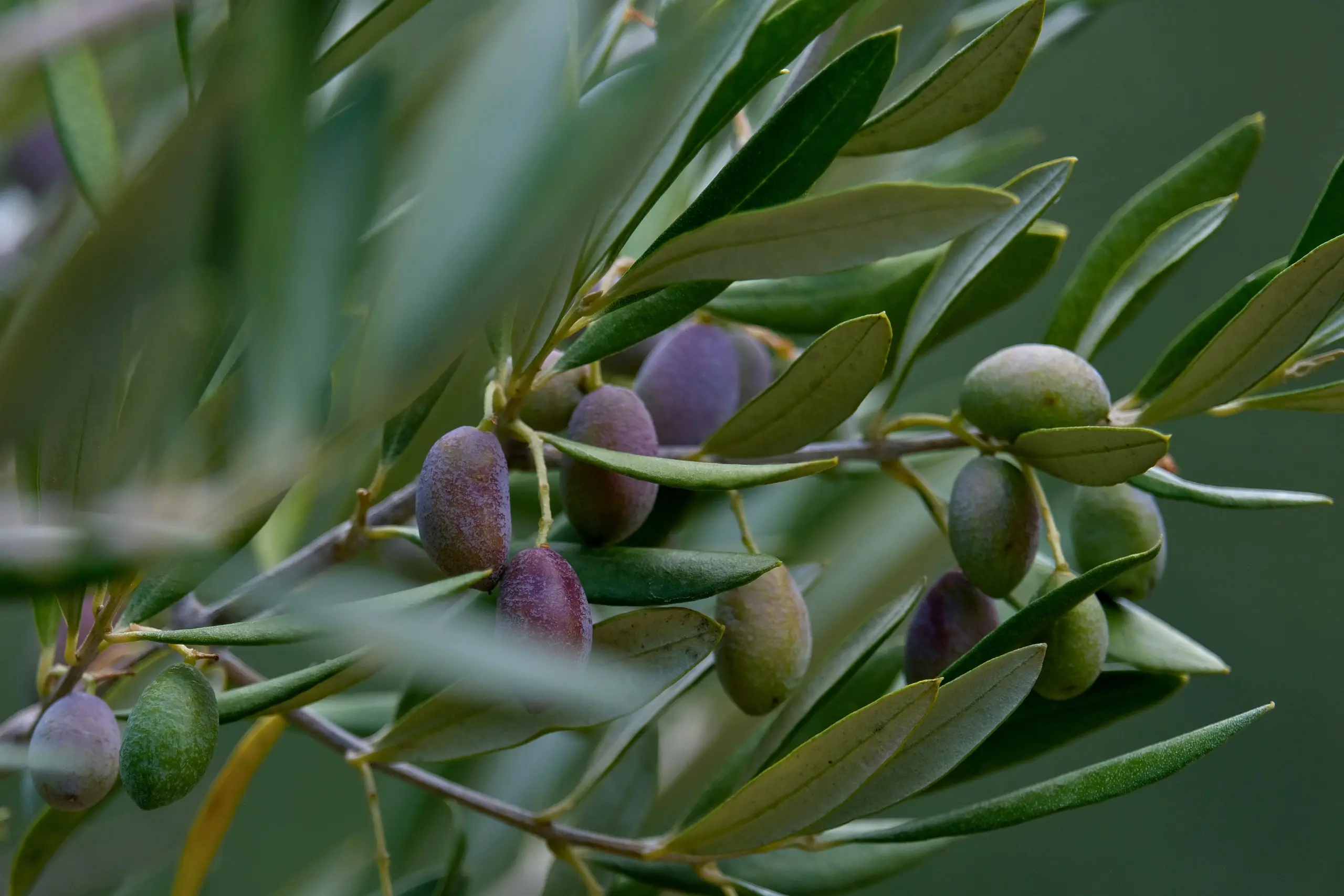
Olive tree: olive leaf spot, anthracnose, olive leaf miner, olive fruit fly, and prays.
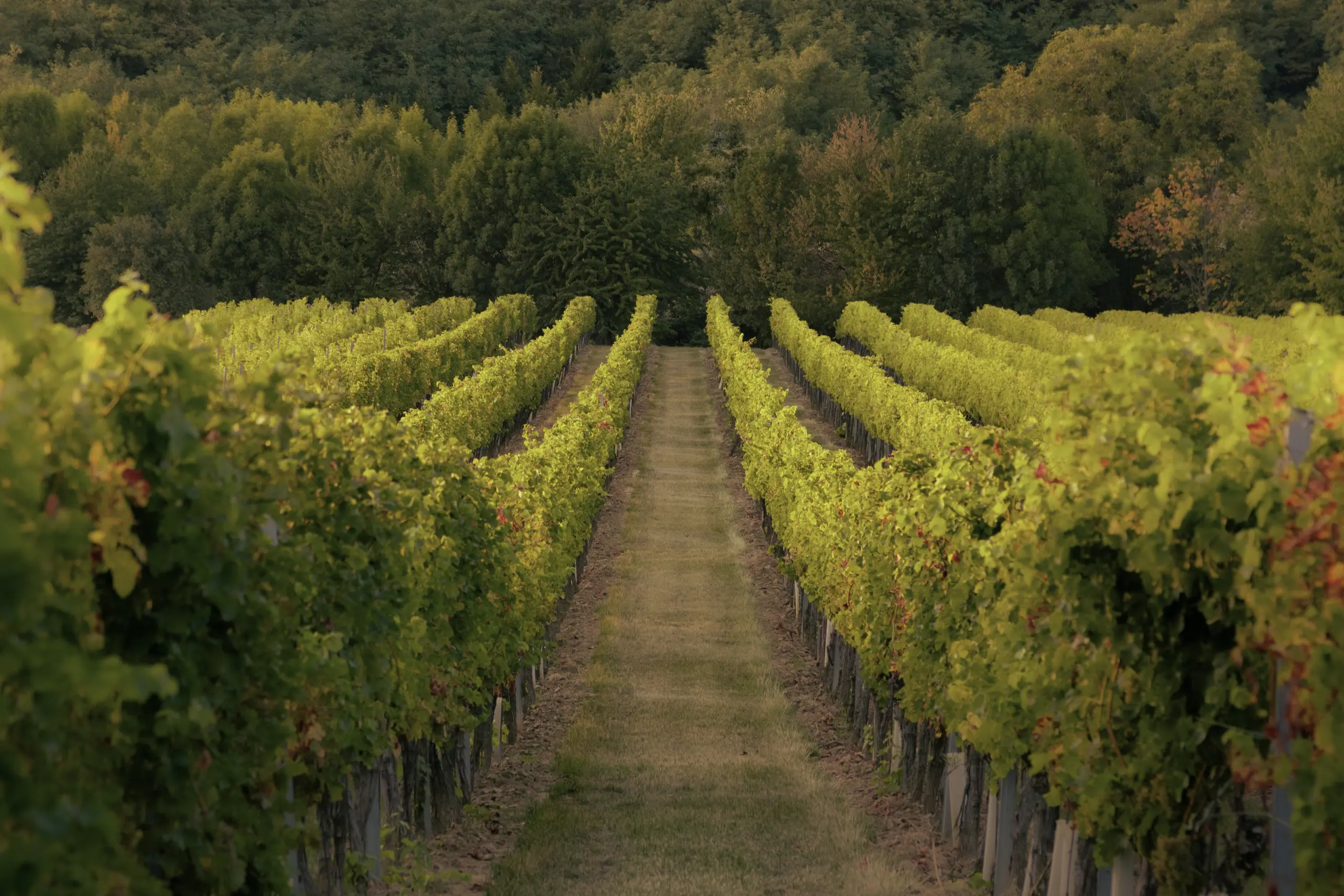
Vineyards and table grapes: downy mildew, powdery mildew, botrytis, and black rot.
Tomato: downy mildew, Alternaria, bacterial wilt, two-spotted spider mites, Heliothis, and Tuta absoluta.
Onions: downy mildew, botrytis, and stemphylium.
Potatoes: late blight, Alternaria, wireworms, and potato moths.
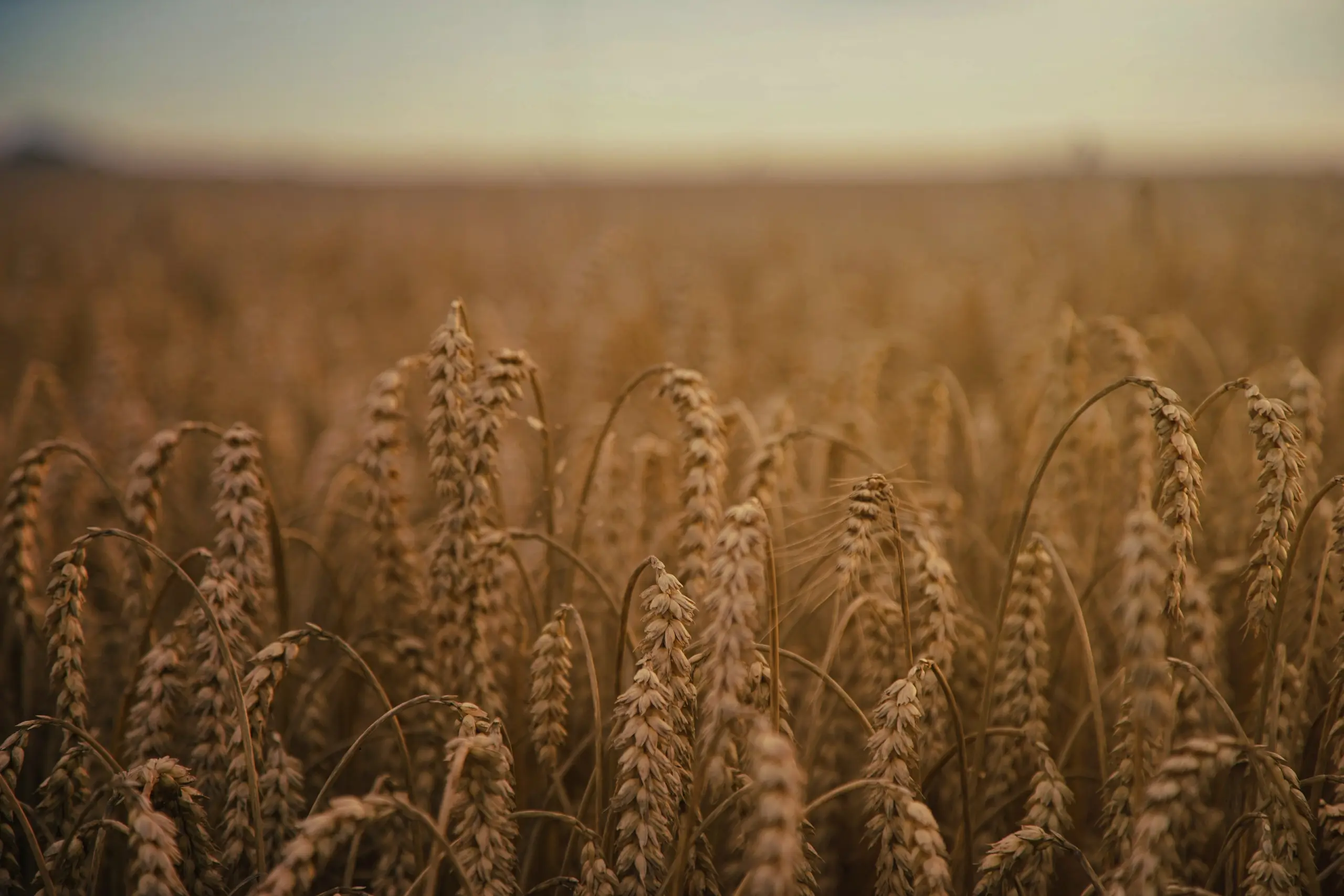
Wheat and barley: septoria leaf spot, rust, yellow spot, and powdery mildew.
3 / 5
Real-time warnings
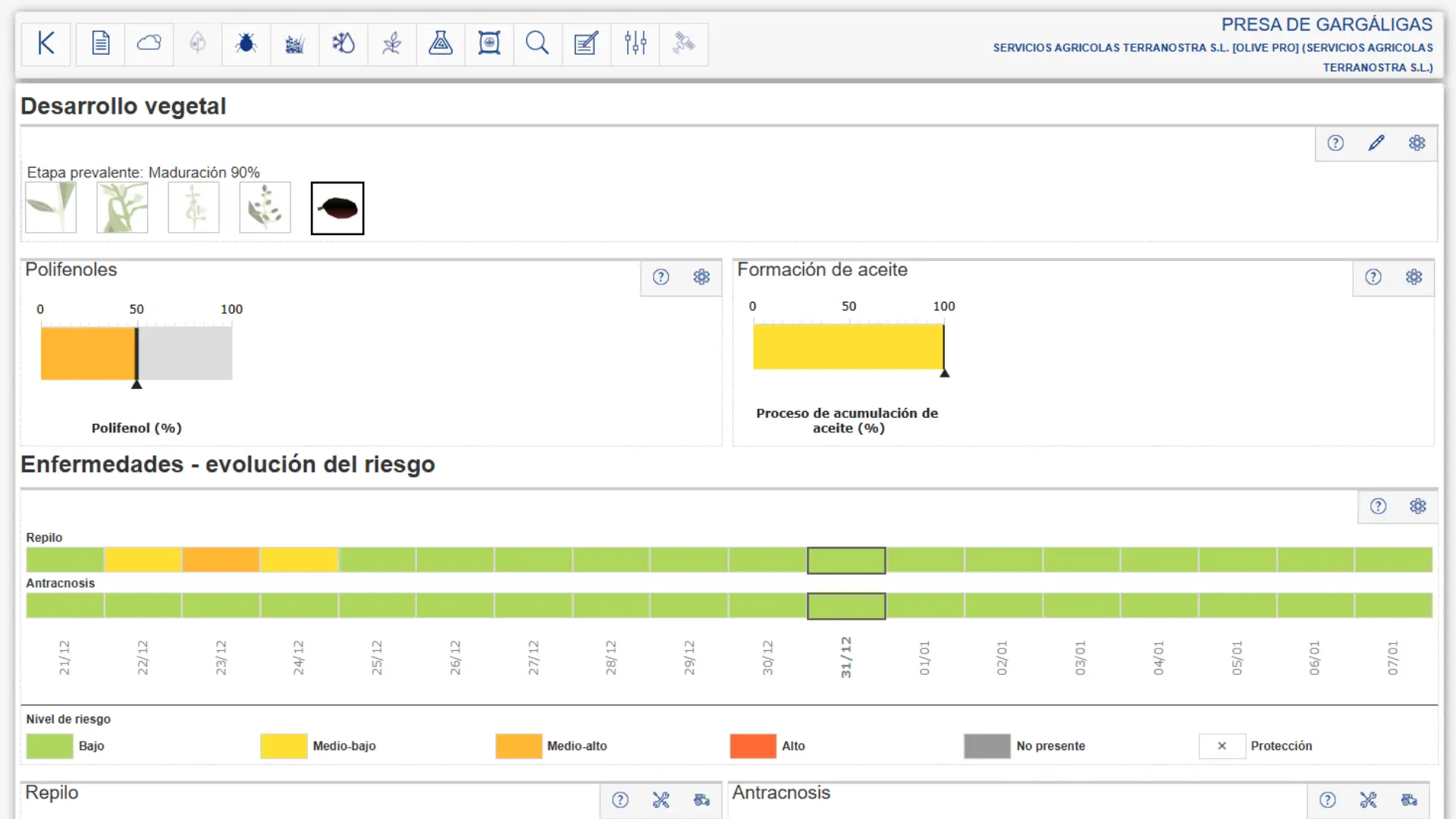
It continuously collects and analyzes field data, issuing instant alerts regarding hazardous conditions, disease trends, or other situations relevant to decision-making in the field.
Alerts regarding conditions conducive to infections.
Predicting pest and disease outbreaks.
Support for the planning of plant health campaigns.
Greater control over crop health throughout the growing season.
4 / 5
Estimated coverage of plant protection products
It incorporates information on the most recent applications of plant protection products to estimate the crop’s level of protection and how it changes over time, helping to determine when further action is needed.
5 / 5
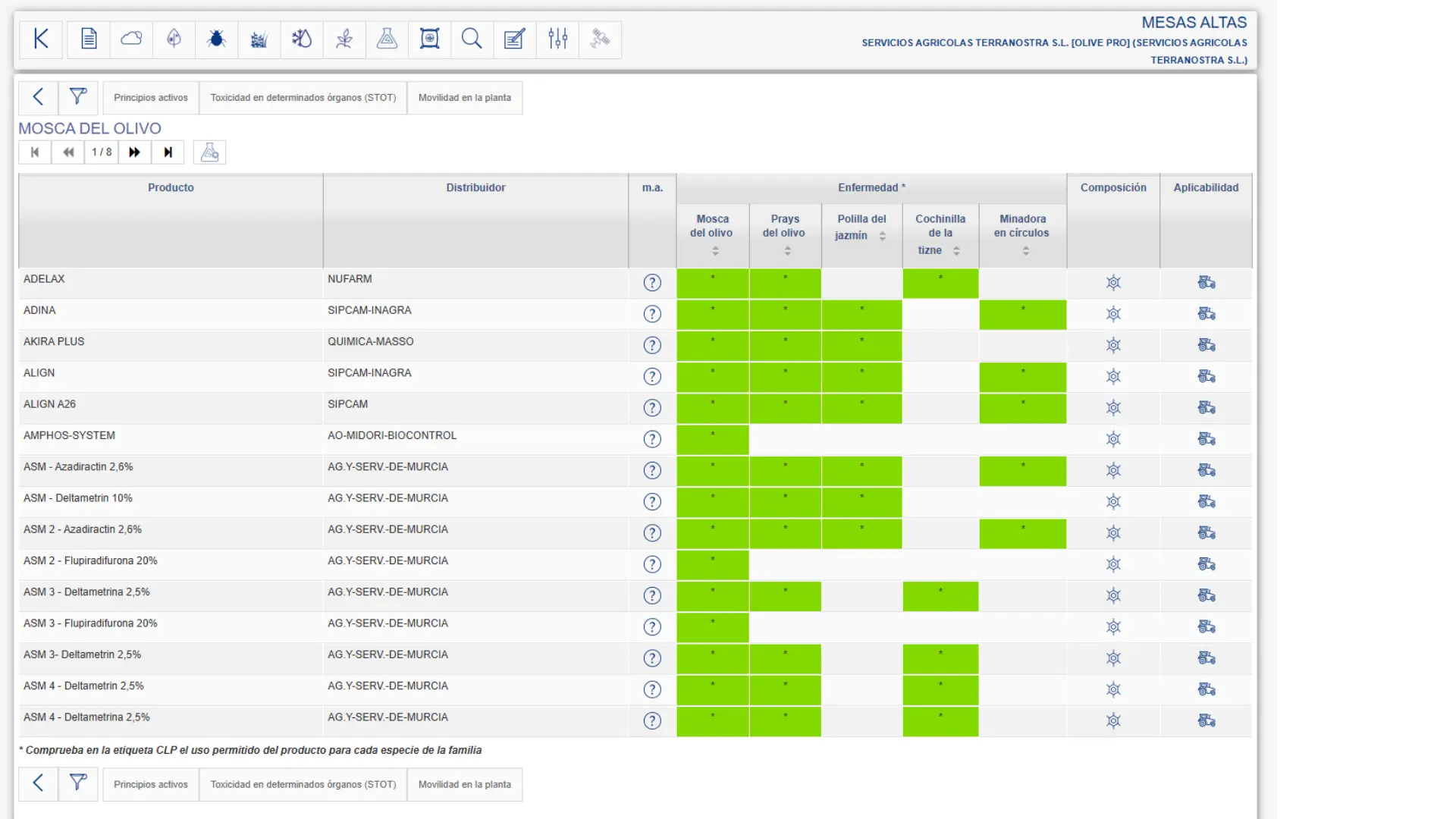
Comprehensive product database
It provides users with a database of plant protection products and fertilizers, facilitating the planning and selection of treatments as part of a crop management strategy.
Benefits of crop protection
Take preventive measures against pests and diseases before they cause damage
Understand the risk of disease and pest outbreaks so you can take preventive action and protect your crop yield.
Optimize the application of plant protection treatments
Apply treatments at the most appropriate time based on the actual conditions of the crop, avoiding unnecessary applications.
Reduces costs and pesticide waste
It improves the efficiency of each treatment, reducing product usage and the costs associated with application.
Receive real-time alerts about risky situations
Stay informed about conditions that could lead to infections or outbreaks, enabling a rapid and informed response.
Find out how well your crops are protected
Consult the estimated coverage of the treatments administered to determine when follow-up treatment is necessary.
Make agronomic decisions with greater confidence
It combines weather data, crop information, and advanced predictive models to develop more precise plant health strategies.
Success Stories
TerraNostra
TerraNostra committed to full digitalization to optimize irrigation and maximize productivity. Using VEGGA and moisture sensors, the company turned data into precise, real-time decisions, achieving greater water efficiency, deeper root systems, and more profitable crops.
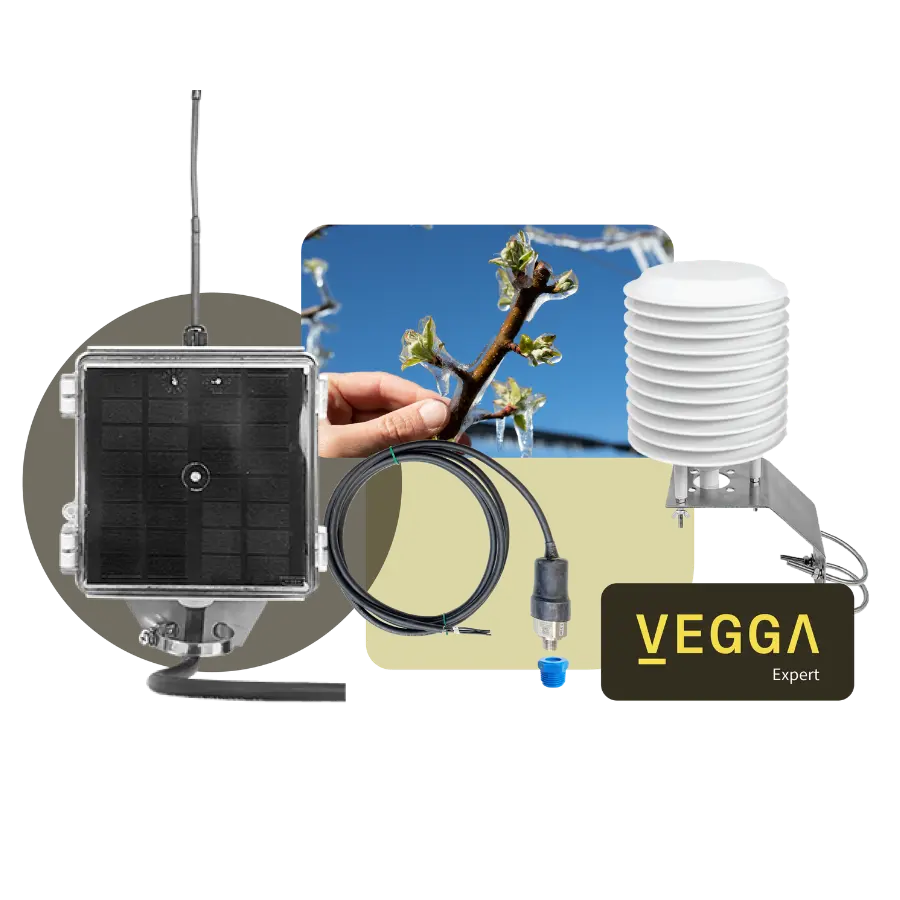
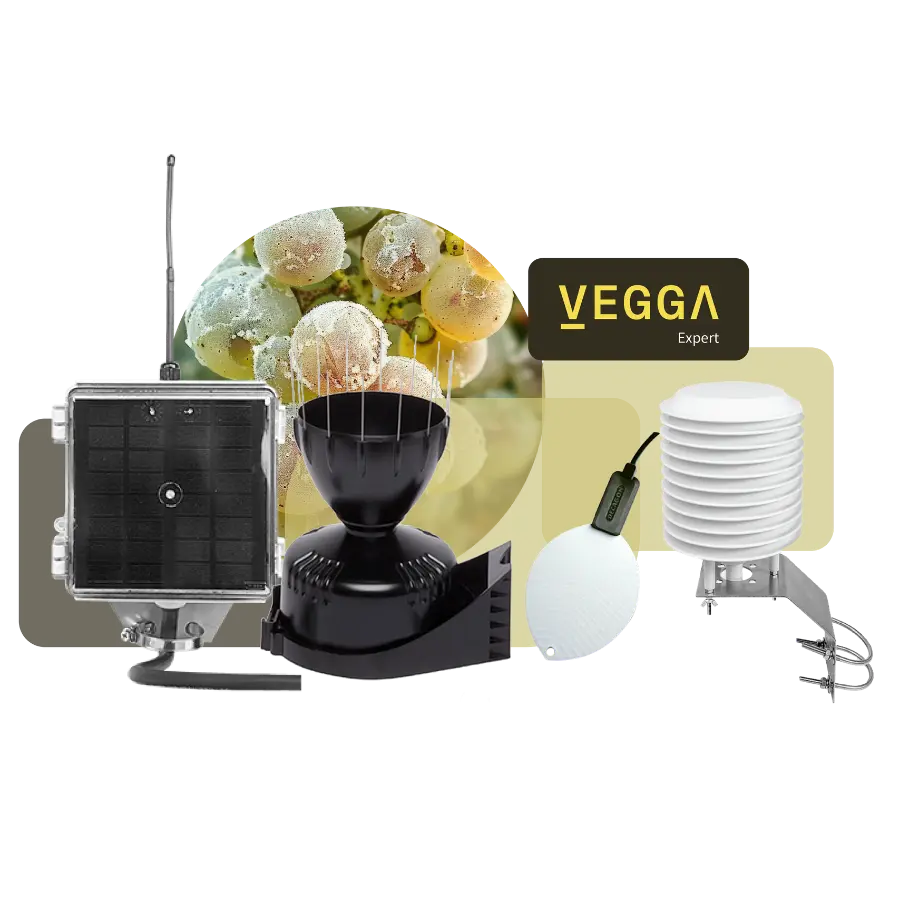
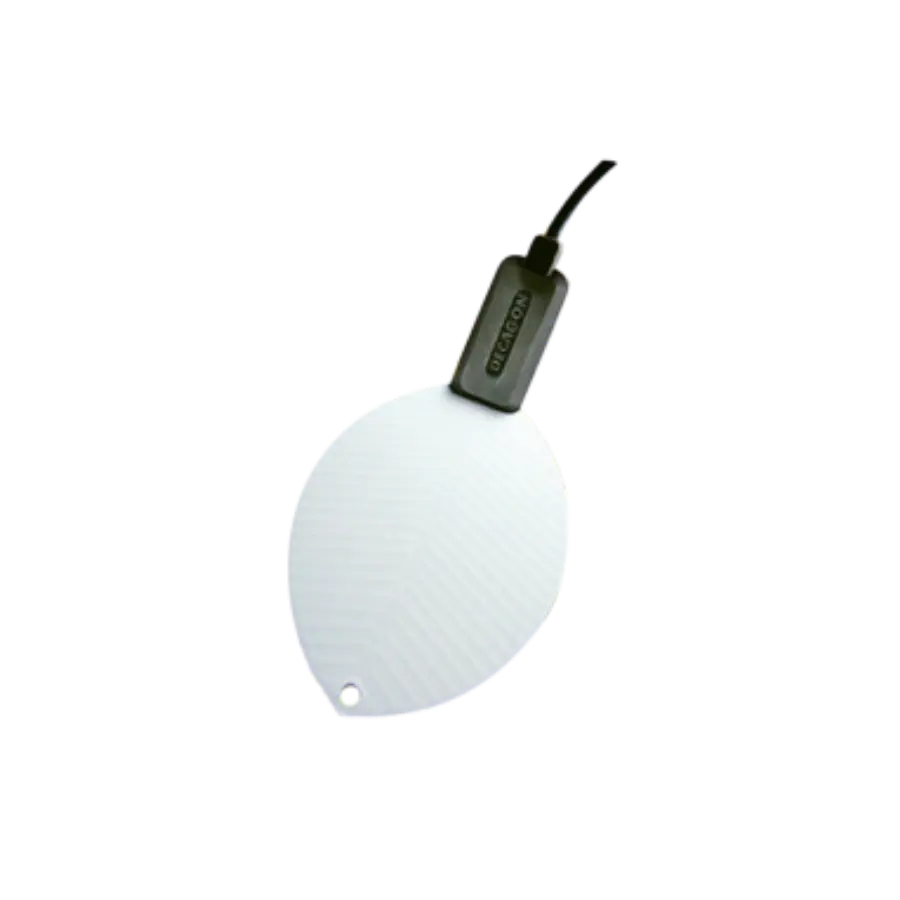
A leaf wetness sensor that monitors the presence and duration of water on the leaf surface to detect conditions that pose a health risk. At VEGGA, this data enables the activation of disease prediction models and the optimization of plant protection applications.
Oilseed and industrial crops, such as sunflowers, soybeans, and sugar beets, require efficient water management, fertilization, and input control to maximize productivity.
Leafy and fruit vegetables, such as lettuce, tomatoes, and peppers, require careful management of water, fertilization, and pest control to maximize productivity and quality.
Nuts, such as almonds, pistachios, walnuts, and hazelnuts, require efficient water management, fertilization, and input control to maximize productivity and quality.
Root vegetables, tubers, and bulbs—such as potatoes, carrots, and onions—require efficient water management, fertilization, and pest control to ensure high yields and quality.
Citrus trees, such as orange, lemon, and mandarin trees, require efficient water management, fertilization, and input control to maximize productivity and quality.
Stone and pome fruit trees, such as apple, pear, and peach trees, require efficient water management, fertilization, and input control to maximize productivity and fruit quality.
Monitoring irrigation and the growing medium is key for berries, as water balance and root aeration influence crop development, nutrition, and plant health.
Tropical and subtropical fruit trees, such as avocado, mango, and pomegranate, require efficient water management, fertilization, and input control to maximize productivity and fruit quality.
“Thanks to VEGGA, our farms operate as a smart system: we can plan irrigation, fertilization, and pest treatments using accurate and reliable data. This gives us peace of mind and allows us to focus on what matters most: maximizing crop productivity and health. ”
Pablo Vega, Director of TerraNostra
Farm Management
Reports, audits, and real-time updates
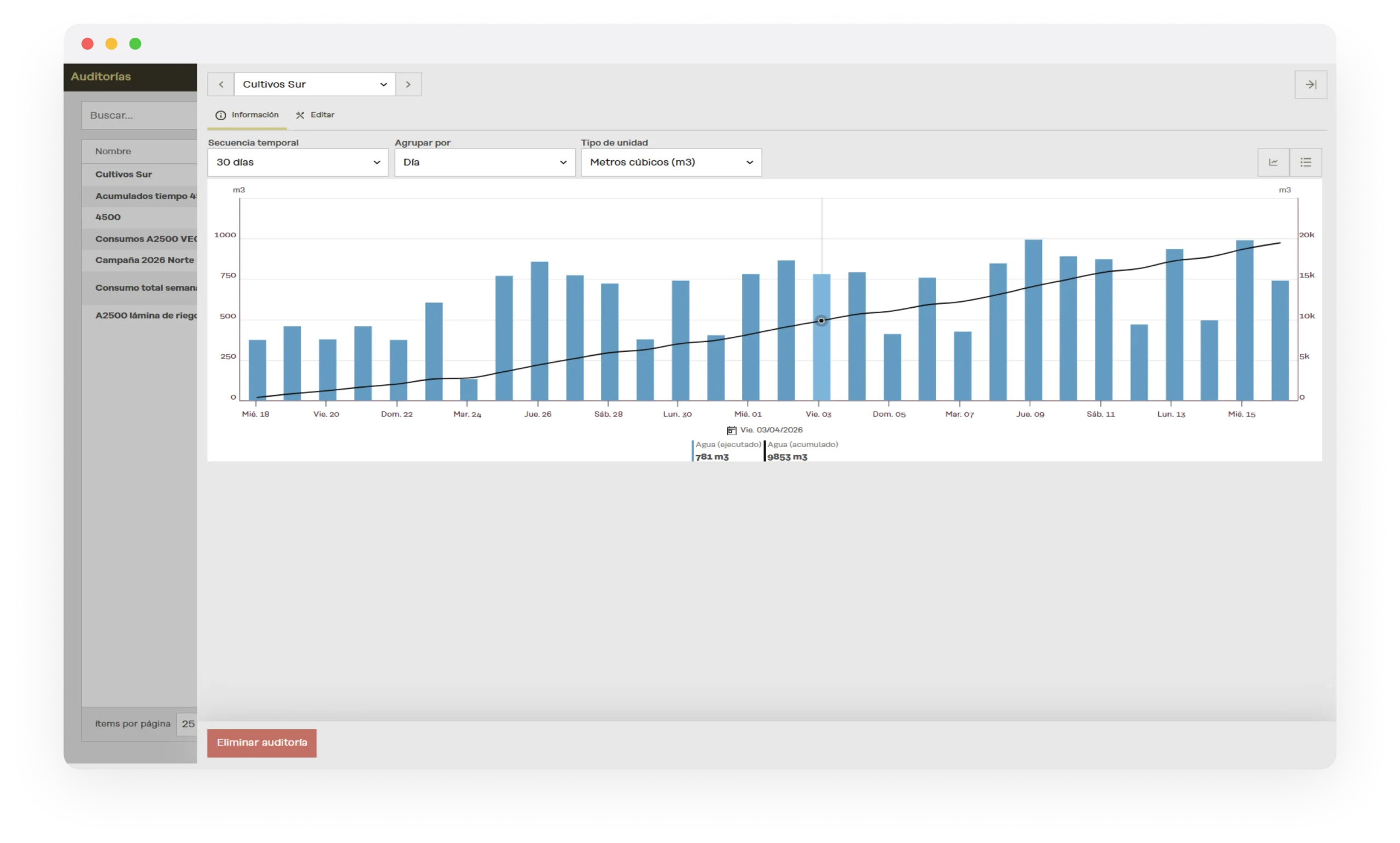
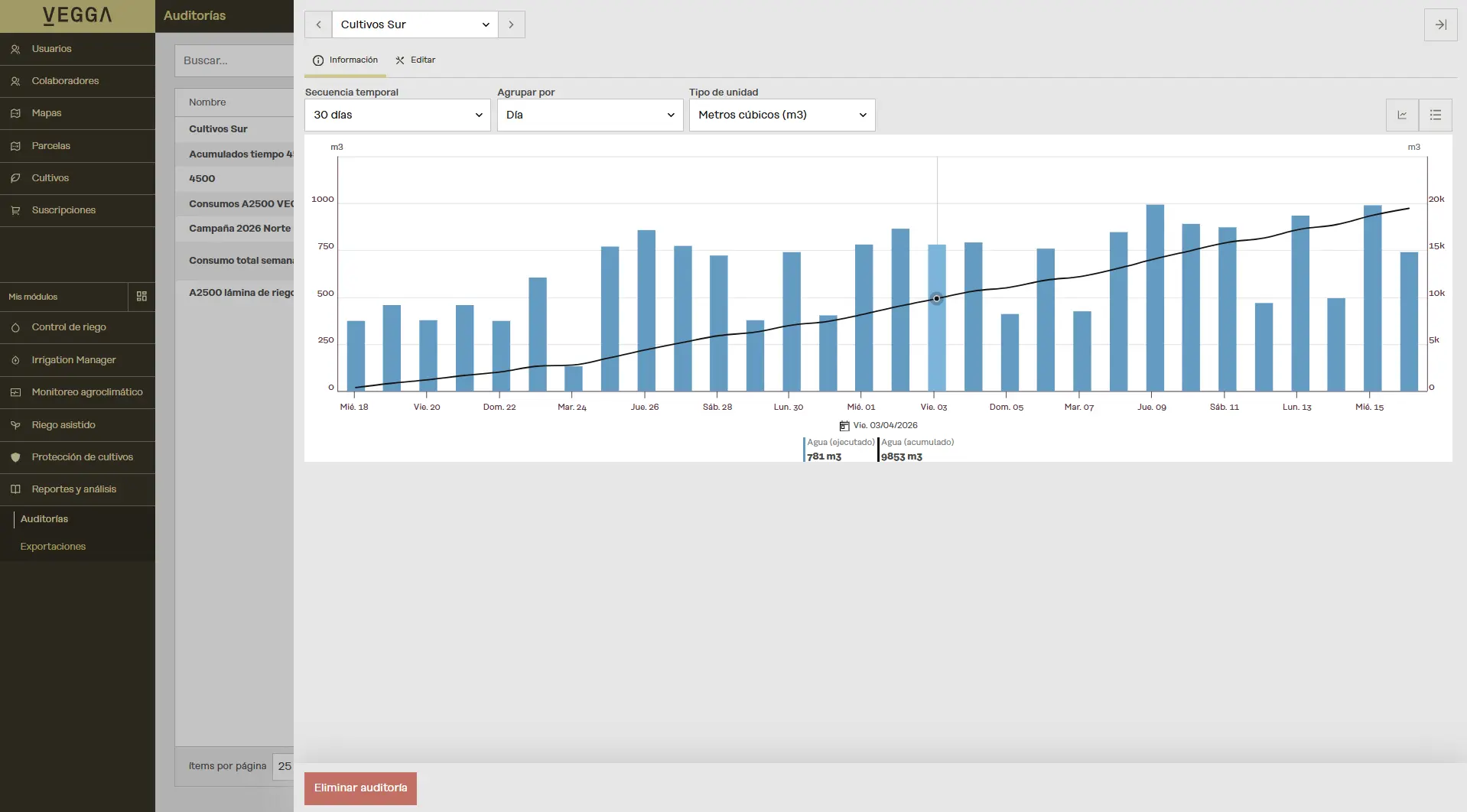
Monitor and compare irrigation usage across plots, sectors, and farms to identify discrepancies. Consolidate and export data from multiple Agrónic units into unified reports.
Manage your irrigation data in an organized manner, tailored to the actual needs of your farm.
Requires a configured water meter and a defined sector area.
Detects variations in irrigation between plots or sectors.
Compare performance across farms to optimize water use.
Reduce costs and improve the sustainability of your farm.
2 / 3
Bulk export of irrigation data from multiple units
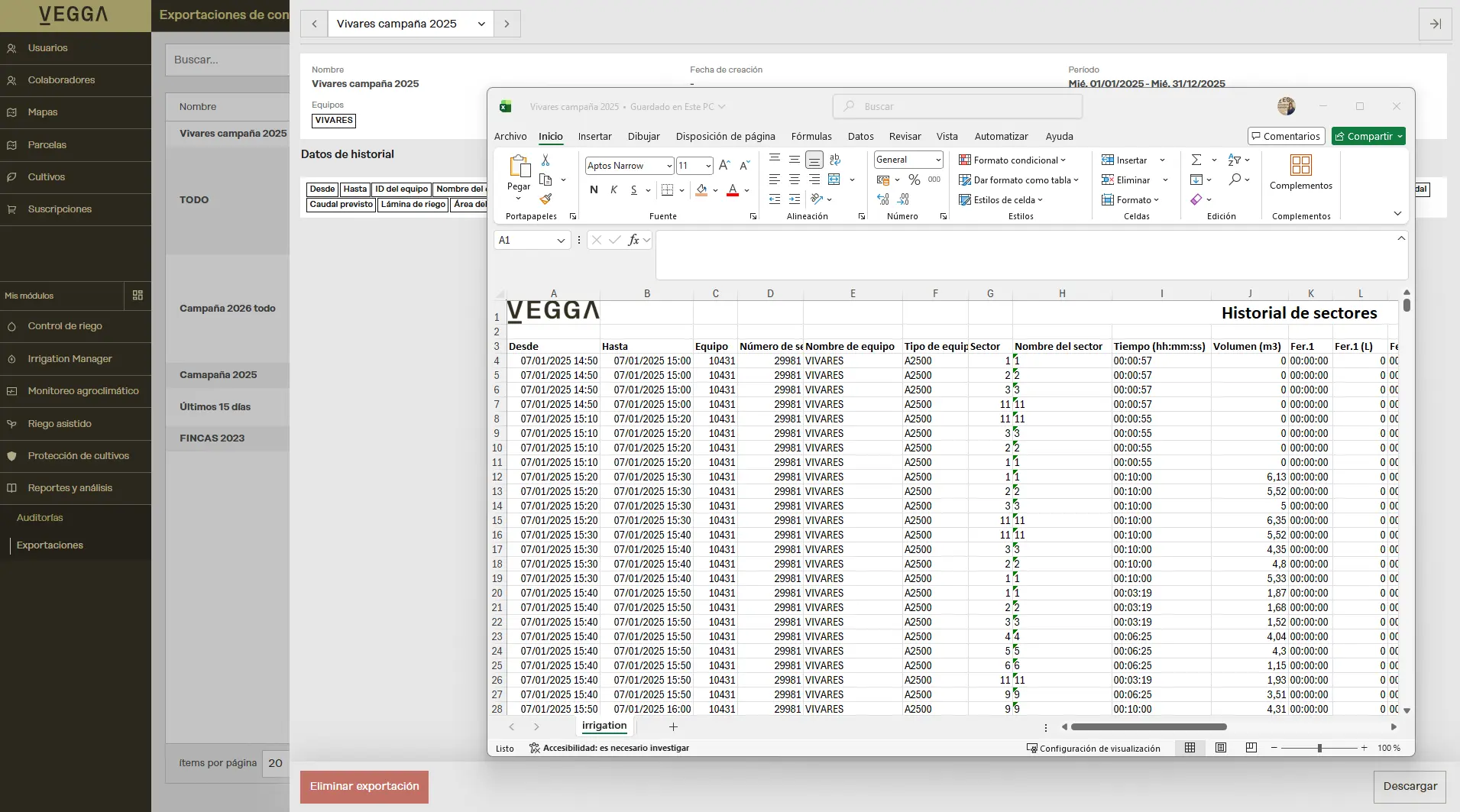
Streamline irrigation data management with a tool that lets you download irrigation histories by sector for various Agrónic units in a single document. Ideal for technicians, consultants, or operations managing various farms.
Save time on data management
Centralizes information from various units
Provides comprehensive reports and comparisons
Group the information by parcel as well
3 / 3
Customizable charts with historical sensor data
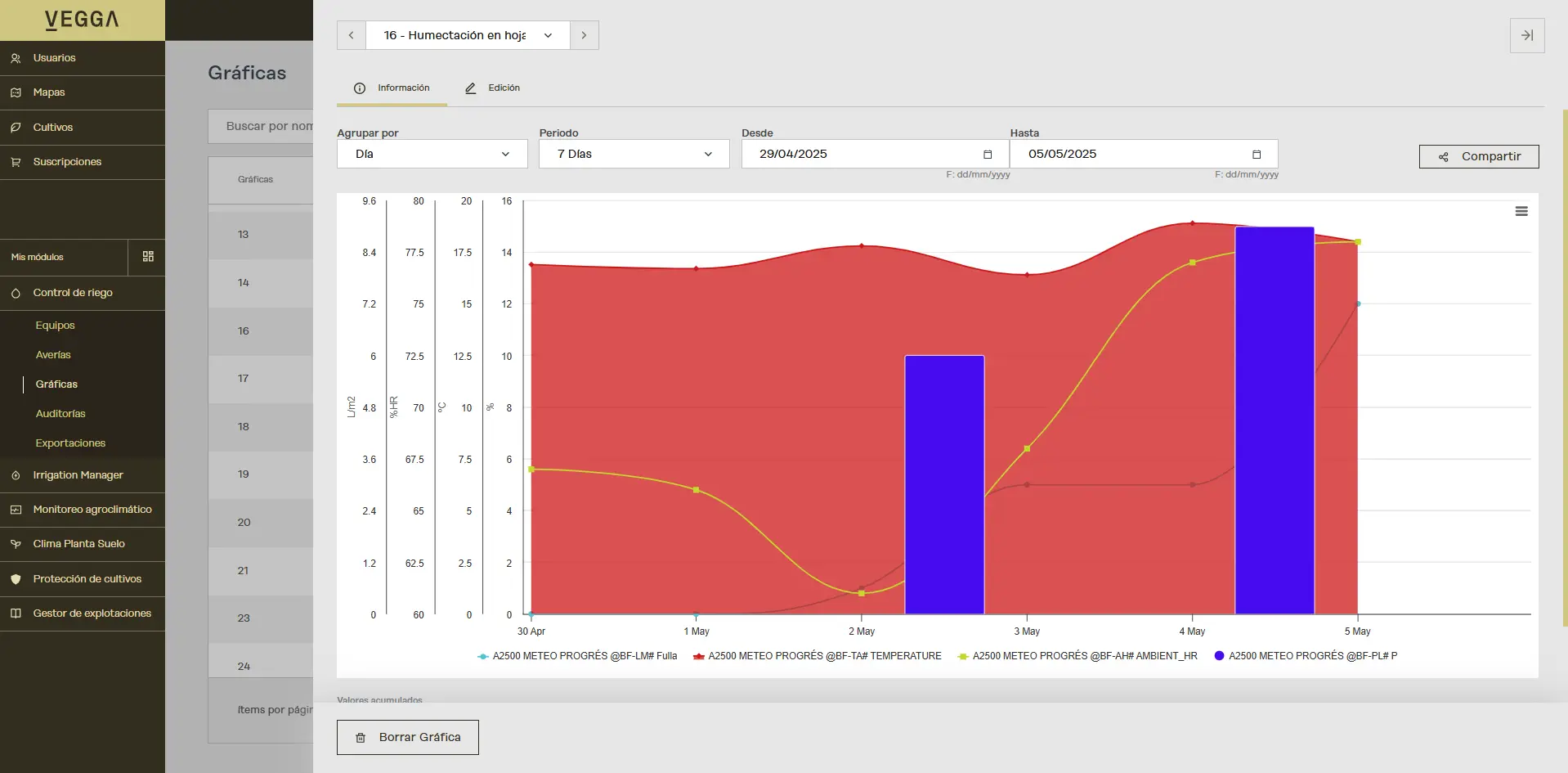
Clearly visualize water use efficiency through graphs generated using real-time data from agricultural sensors in the irrigation system (pressure transducers, flow meters, coverage levels, etc.). It is a key tool for precision agriculture.
Visual representation of daily totals
Analysis of Water Behavior by Sector
Visualisation of the connectivity status of units
Review of sensor fluctuations in the irrigation system
Improve data-driven decision-making
Benefits of Farm Management
Quickly detects irrigation deviations
Compare water usage across plots, sectors, and farms to identify excesses, deficits, or anomalies before they affect the crop.
Reduces water consumption and associated costs
Analyze water use in each area of the farm to optimize water use and improve irrigation efficiency.
Centralizes information from multiple Agrónic units
Consultation and management of data for different farms from a single location, avoiding scattered information.
Save time on report preparation
Export irrigation histories for various units and plots into a single document, streamlining technical and administrative tasks.
Visualise historical trends and patterns
Access customizable graphs with sensor data to analyze consumption, flow rates, pressures, and other key indicators.
Make decisions based on reliable, real-time data
Use audits, reports, and updated metrics to assess water performance and optimize irrigation management across the entire farm.
Success Stories
TerraNostra
TerraNostra committed to full digitalization to optimize irrigation and maximize productivity. Using VEGGA and moisture sensors, the company turned data into precise, real-time decisions, achieving greater water efficiency, deeper root systems, and more profitable crops.
Oilseed and industrial crops, such as sunflowers, soybeans, and sugar beets, require efficient water management, fertilization, and input control to maximize productivity.
Leafy and fruit vegetables, such as lettuce, tomatoes, and peppers, require careful management of water, fertilization, and pest control to maximize productivity and quality.
Nuts, such as almonds, pistachios, walnuts, and hazelnuts, require efficient water management, fertilization, and input control to maximize productivity and quality.
Root vegetables, tubers, and bulbs—such as potatoes, carrots, and onions—require efficient water management, fertilization, and pest control to ensure high yields and quality.
Citrus trees, such as orange, lemon, and mandarin trees, require efficient water management, fertilization, and input control to maximize productivity and quality.
Stone and pome fruit trees, such as apple, pear, and peach trees, require efficient water management, fertilization, and input control to maximize productivity and fruit quality.
Monitoring irrigation and the growing medium is key for berries, as water balance and root aeration influence crop development, nutrition, and plant health.
Tropical and subtropical fruit trees, such as avocado, mango, and pomegranate, require efficient water management, fertilization, and input control to maximize productivity and fruit quality.
“Thanks to VEGGA, our farms operate as a smart system: we can plan irrigation, fertilization, and pest treatments using accurate and reliable data. This gives us peace of mind and allows us to focus on what matters most: maximizing crop productivity and health. ”
Pablo Vega, Director of TerraNostra
Ready to digitalize your farm?
Manage your farm with an all-in-one digital solution to automate processes, centralize data and maximize performance.