Grains and legumes
Featured Crops
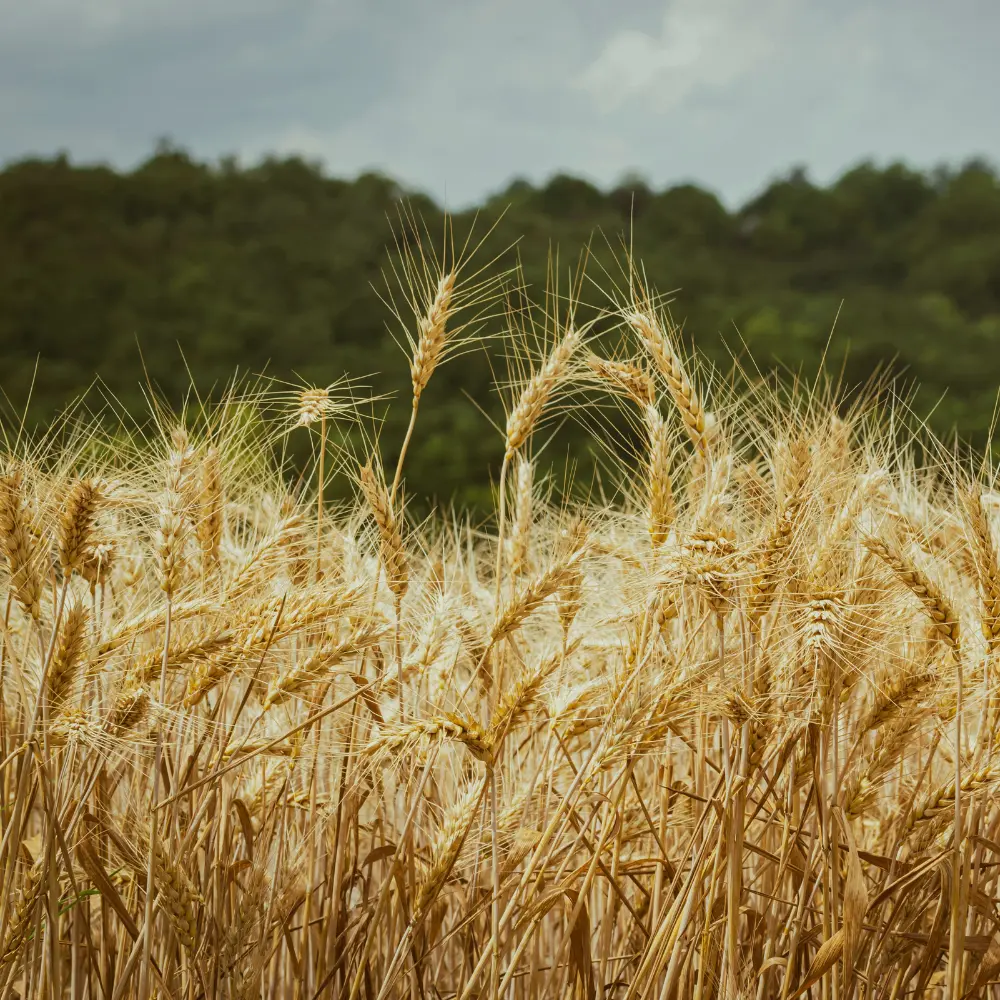
Wheat
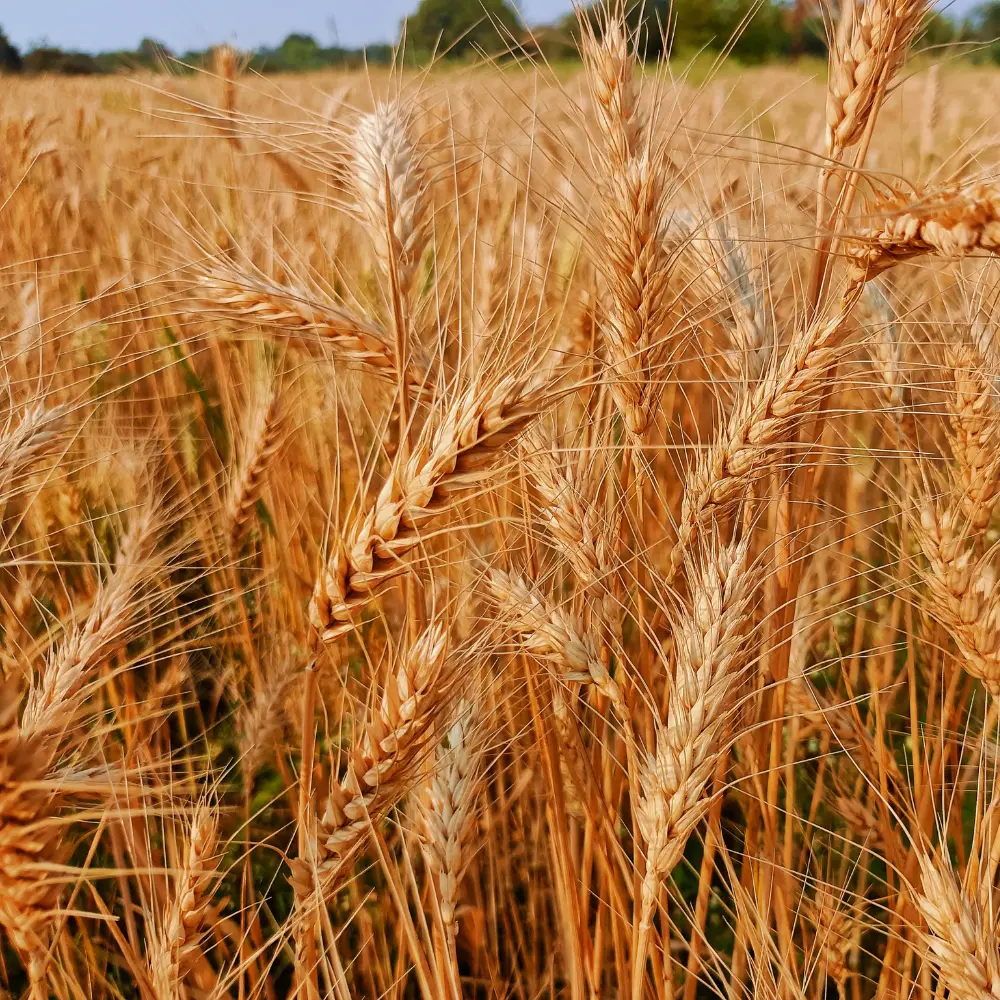
Barley
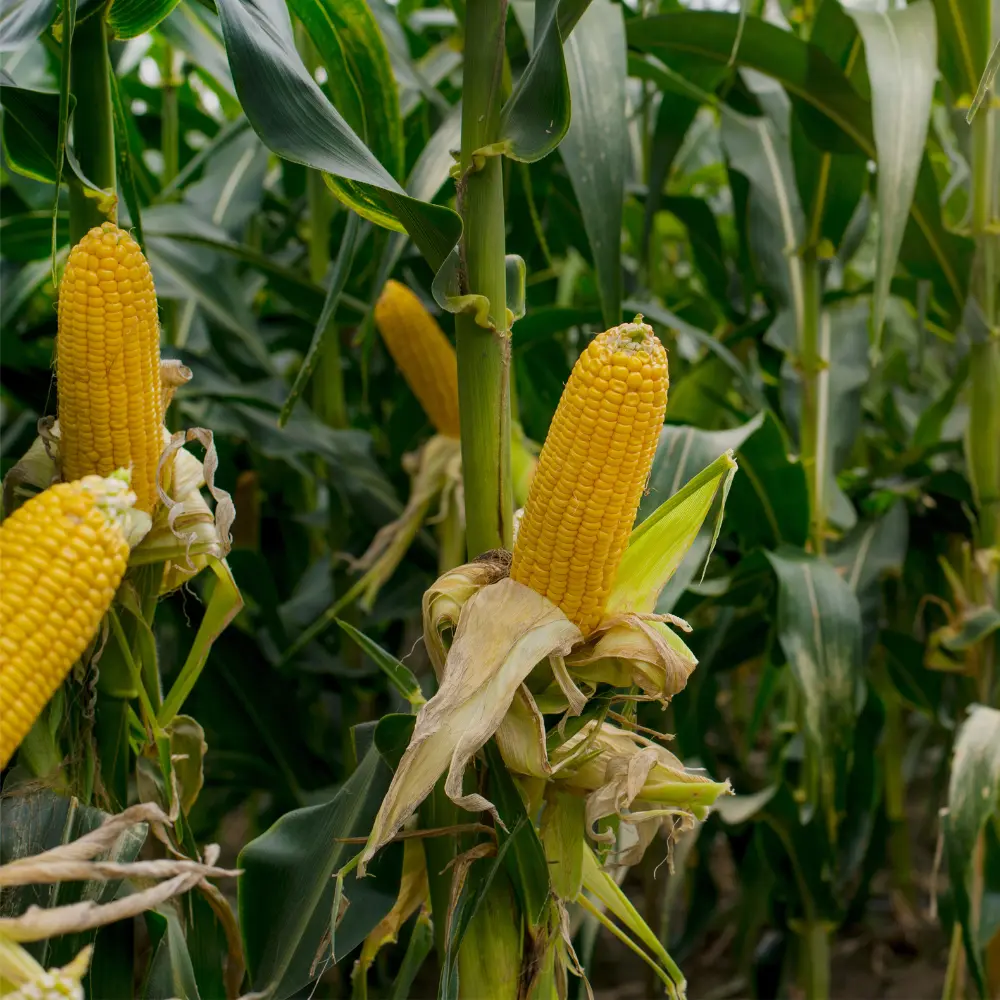
Corn
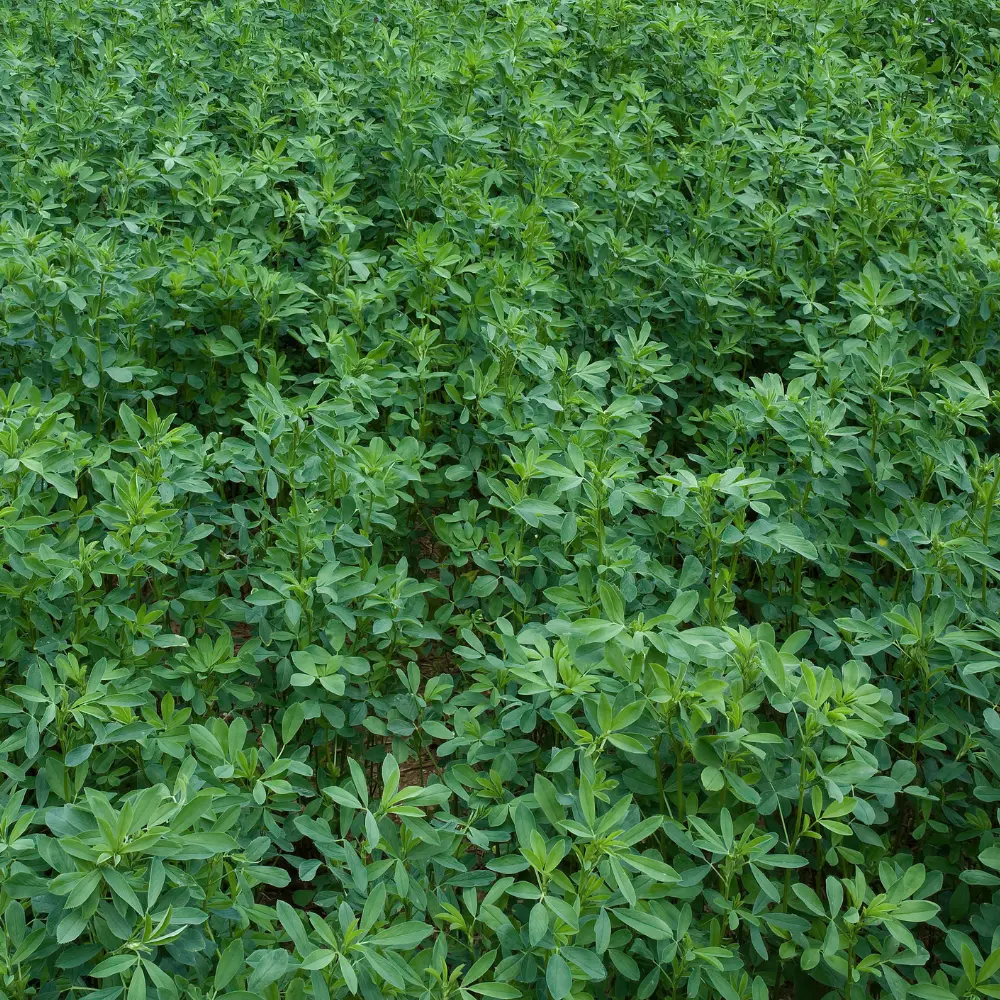
Alfalfa
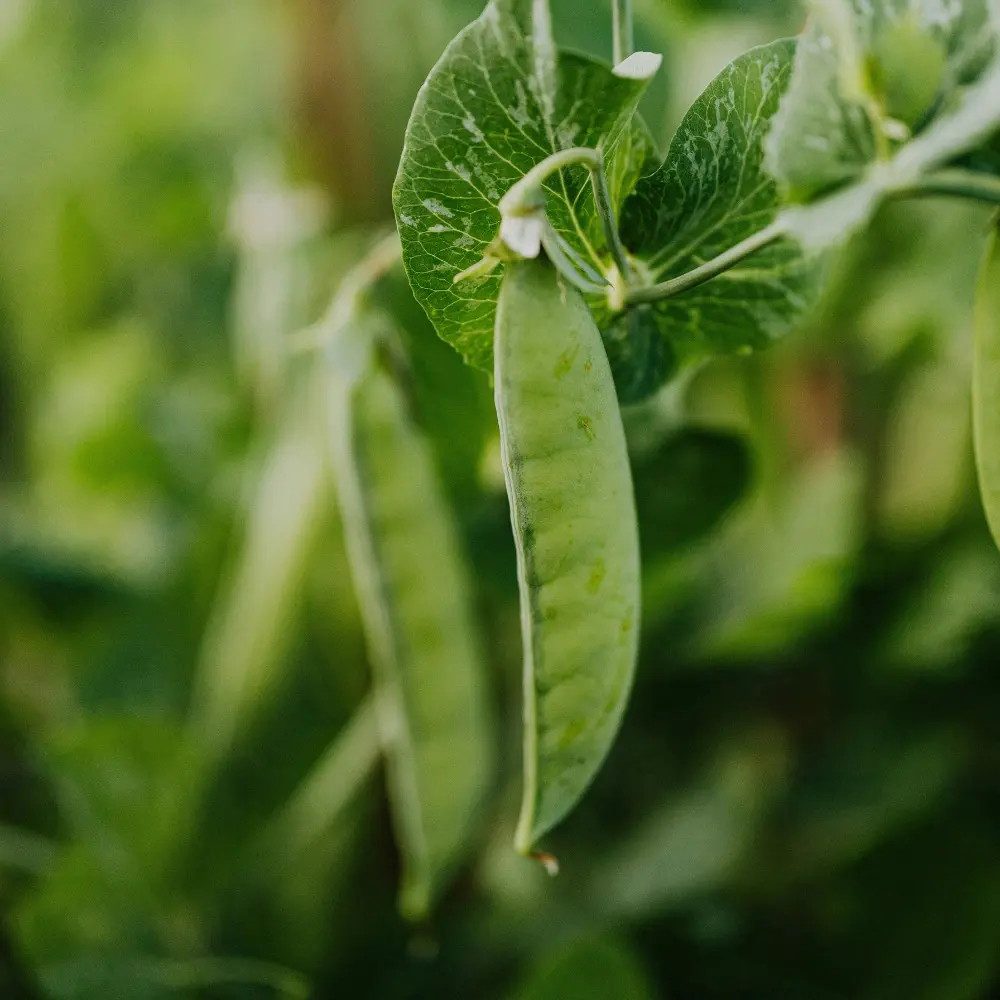
Peas
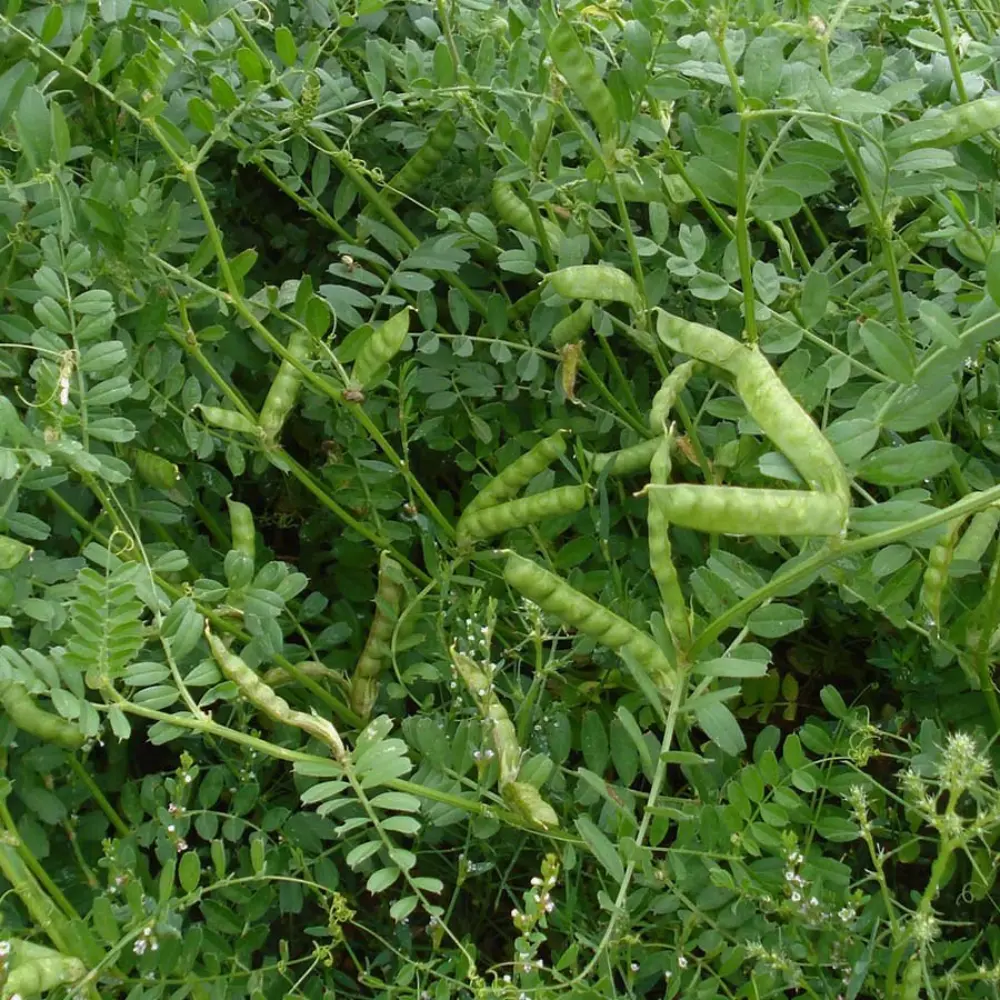
Vezas
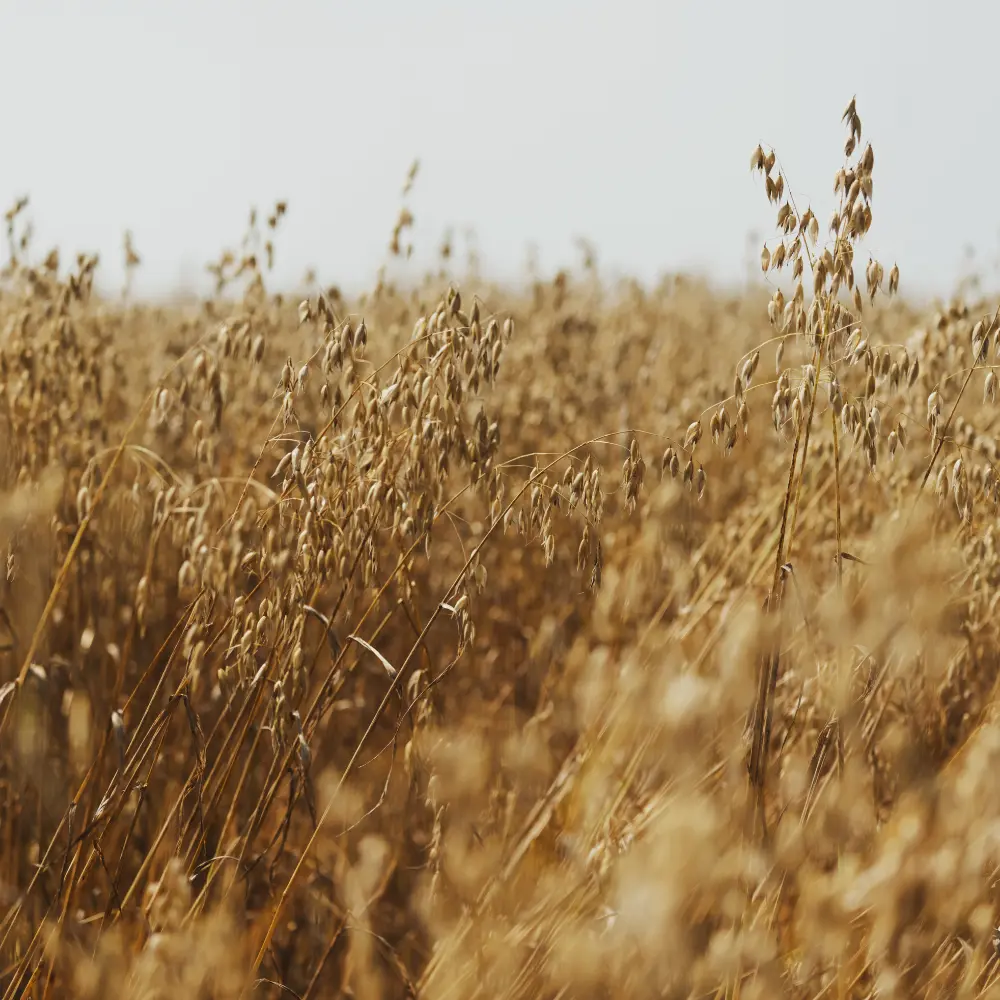
Oats
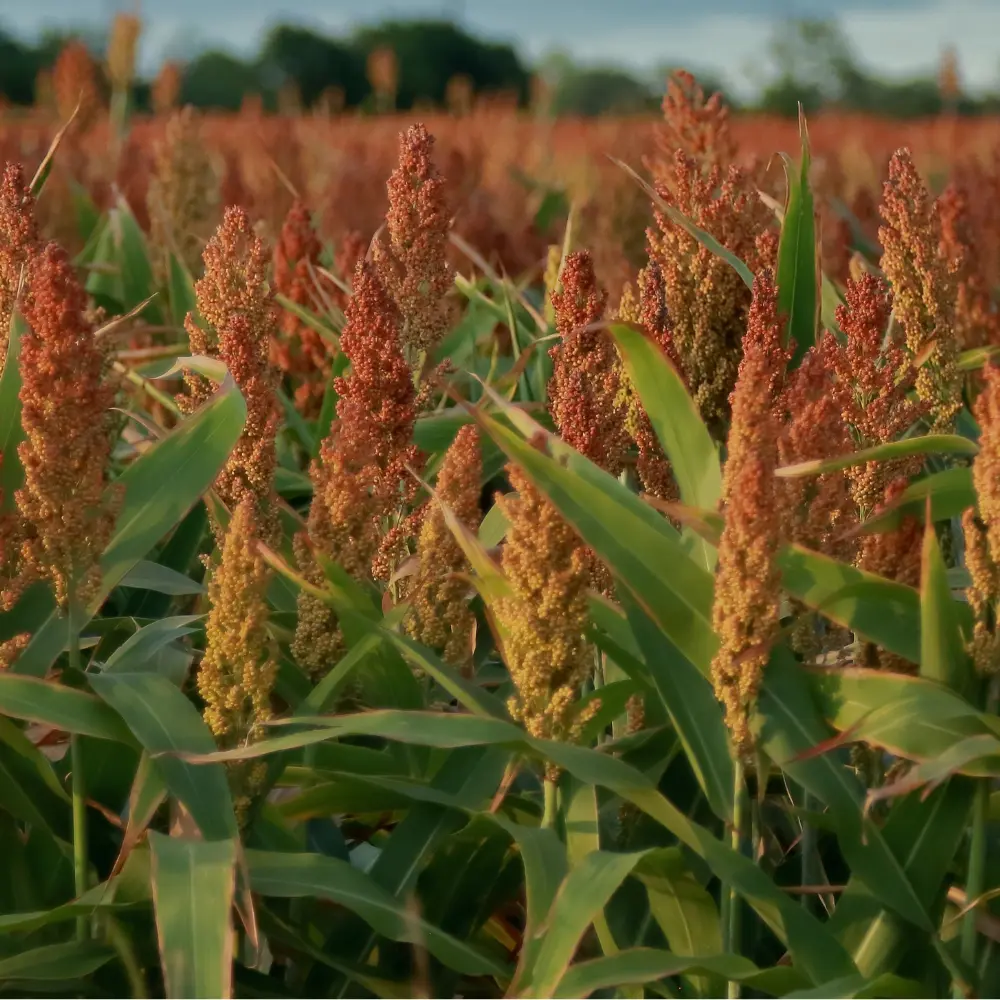
Sorghum
Key Challenges Facing Cereals and Legumes
Optimize the use of water and fertilizers
Precisely control agricultural inputs
Anticipating climatical risks
Preventing Pests and Diseases
How VEGGA Helps with Grains and Legumes
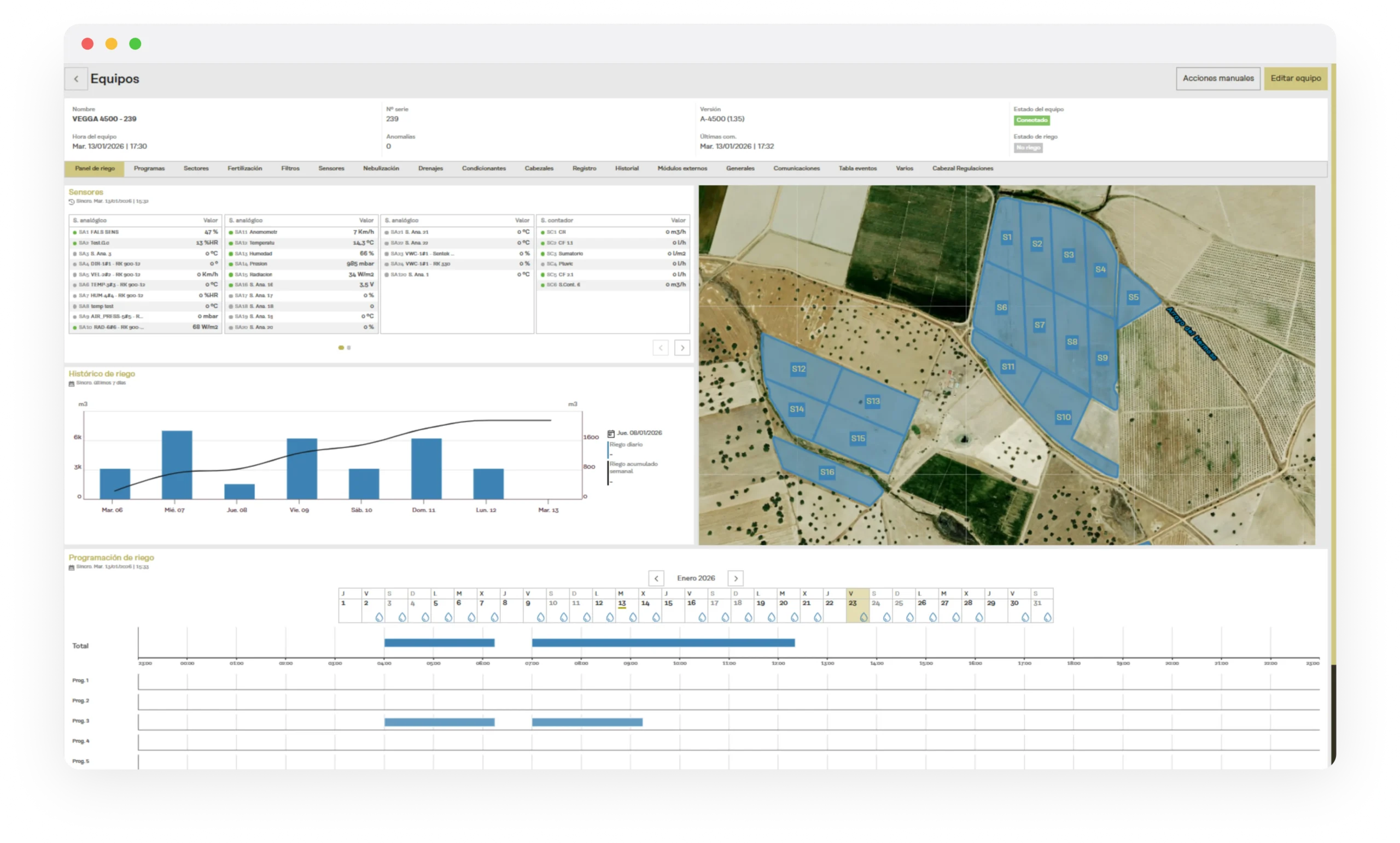
- Manage fertigation precisely by using programming and monitoring of the irrigation system.
- Balance water supply with irrigation pulses based on crop needs and the current stage of growth.
- Access irrigation reports and historical data, including audits, to support decision-making and improve water use efficiency.
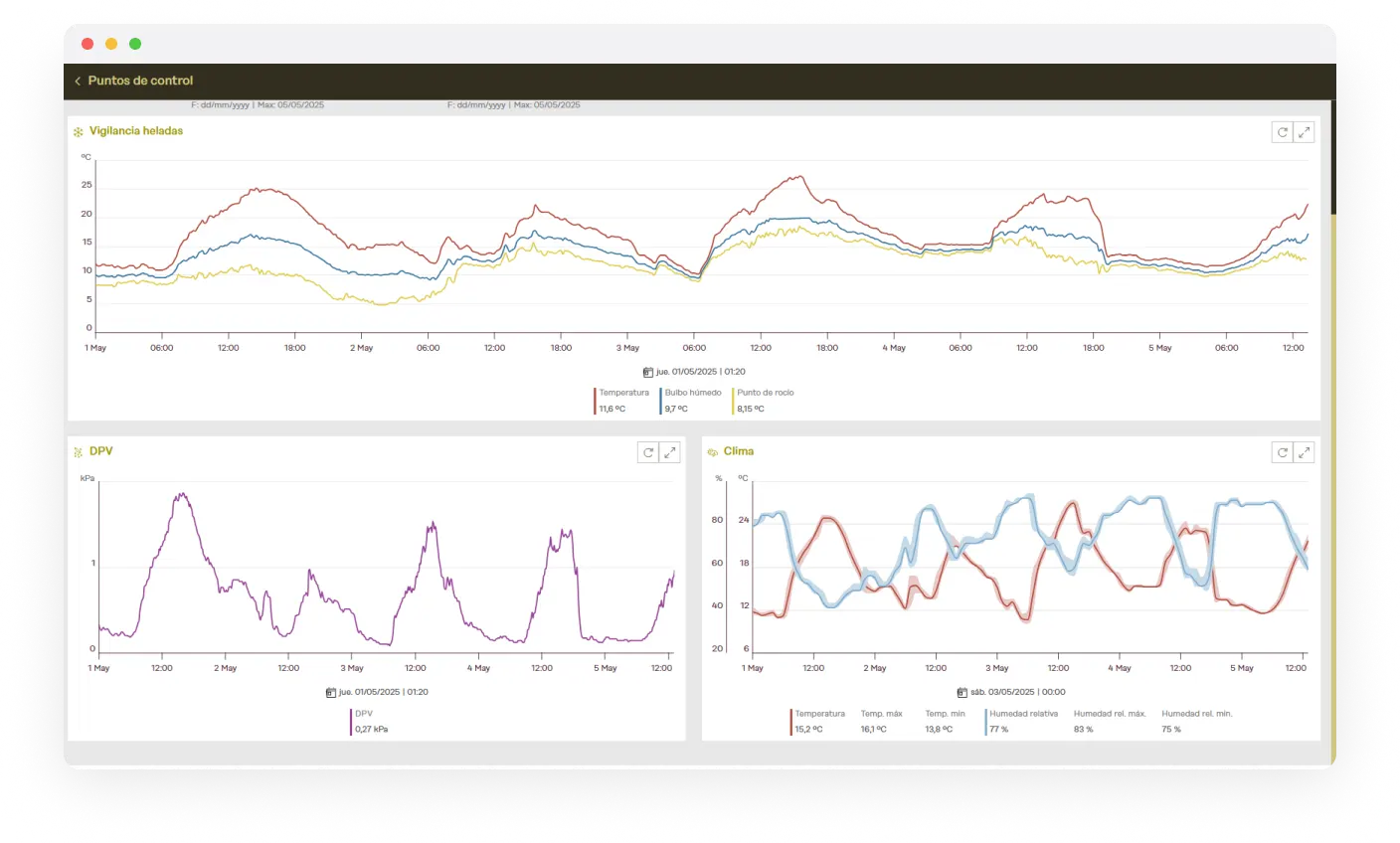
- With soil sensors, you can monitor water and nutrient levels to make informed decisions about irrigation and fertilization.
- Monitor weather conditions in real time to make decisions about planting, irrigation, and treatments, thereby minimizing weather-related risks.
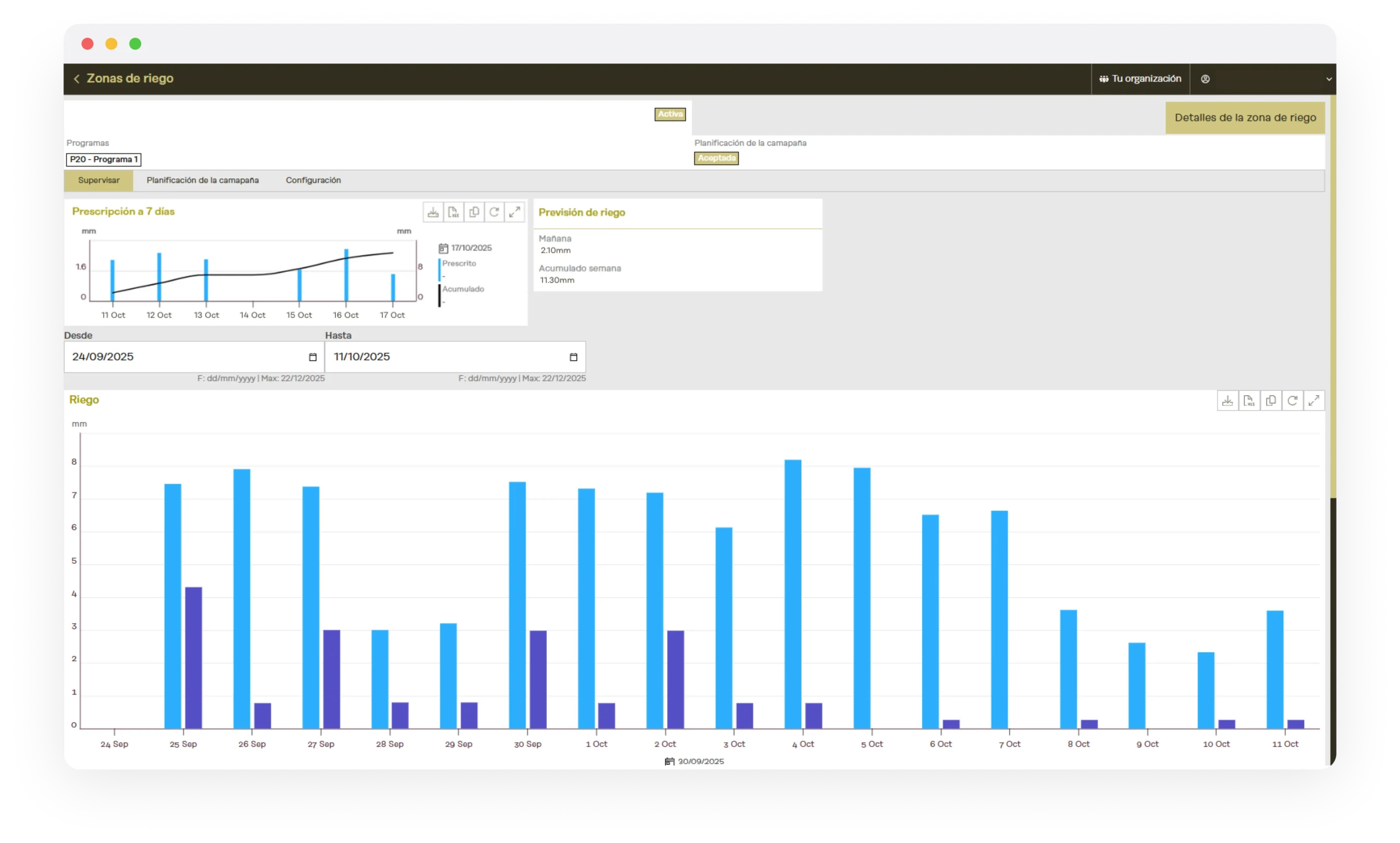
- Predict the water requirements of your cereal and legume crops to improve yield, yield stability, and grain quality.
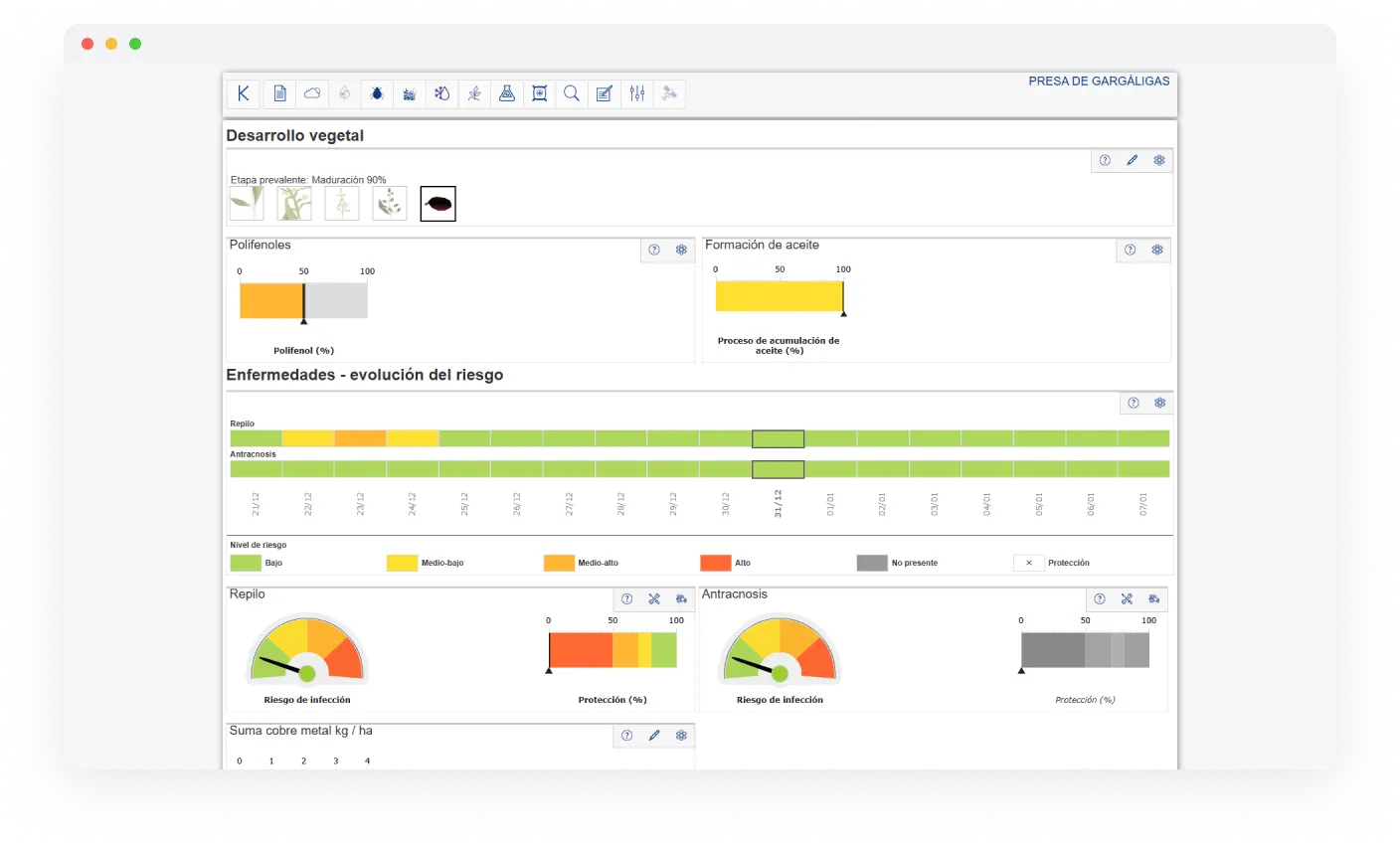
- Predicts and assesses the risk of pests and diseases in cereals such as wheat and barley.
- It allows for more efficient application of plant protection treatments, reducing costs and product usage while ensuring healthier and more productive crops.
Benefits of managing grains and legumes with VEGGA
Higher crop productivity and quality
Optimization of nutritional and storage parameters
Resistance to water stress and adverse climatical conditions
Control of phenology and efficient use of inputs
Integrated water and nutrient management
Informed decisions regarding weather risks
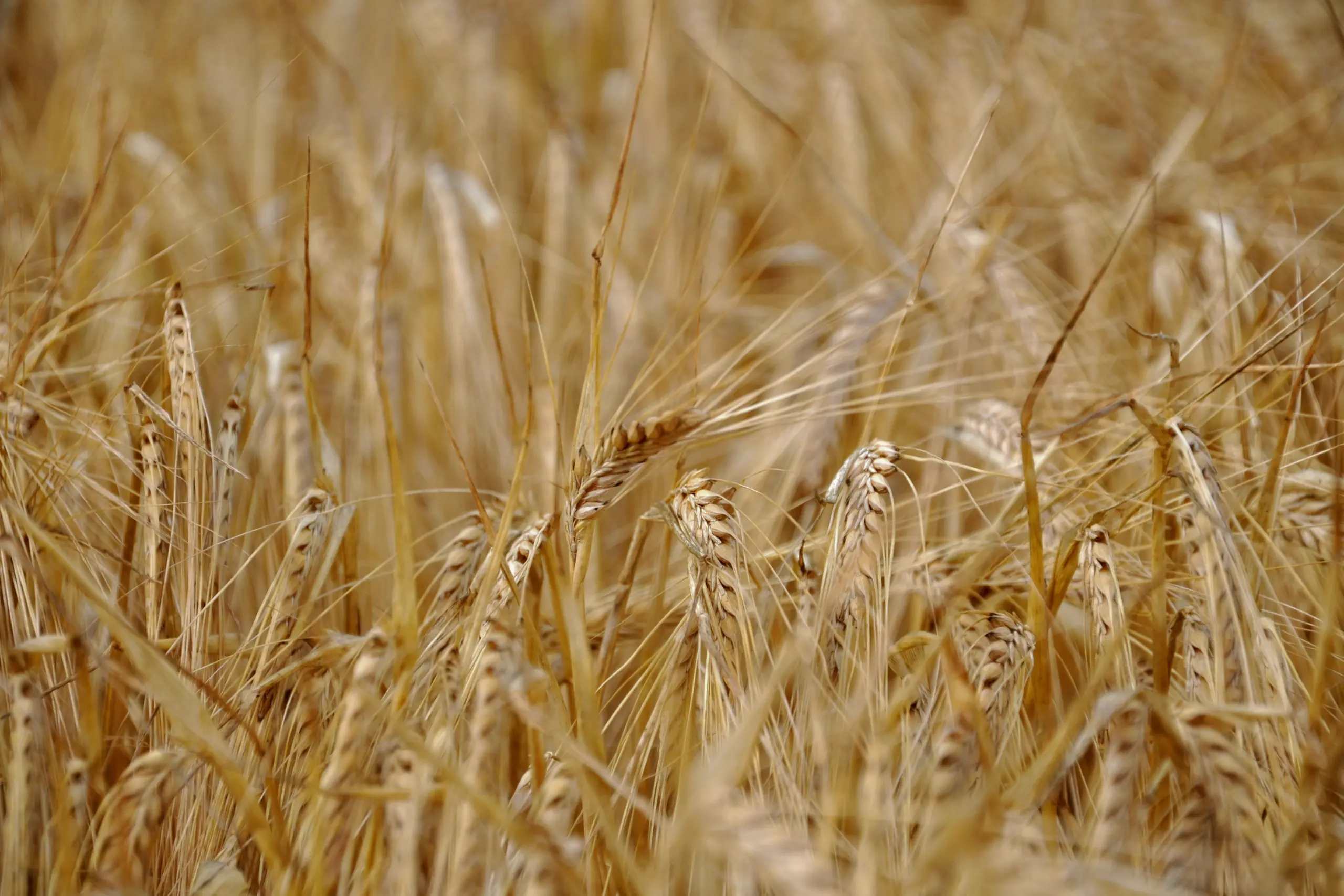
Potential pests and diseases of cereals and legumes
Wheat
Barley
Compatible hardware
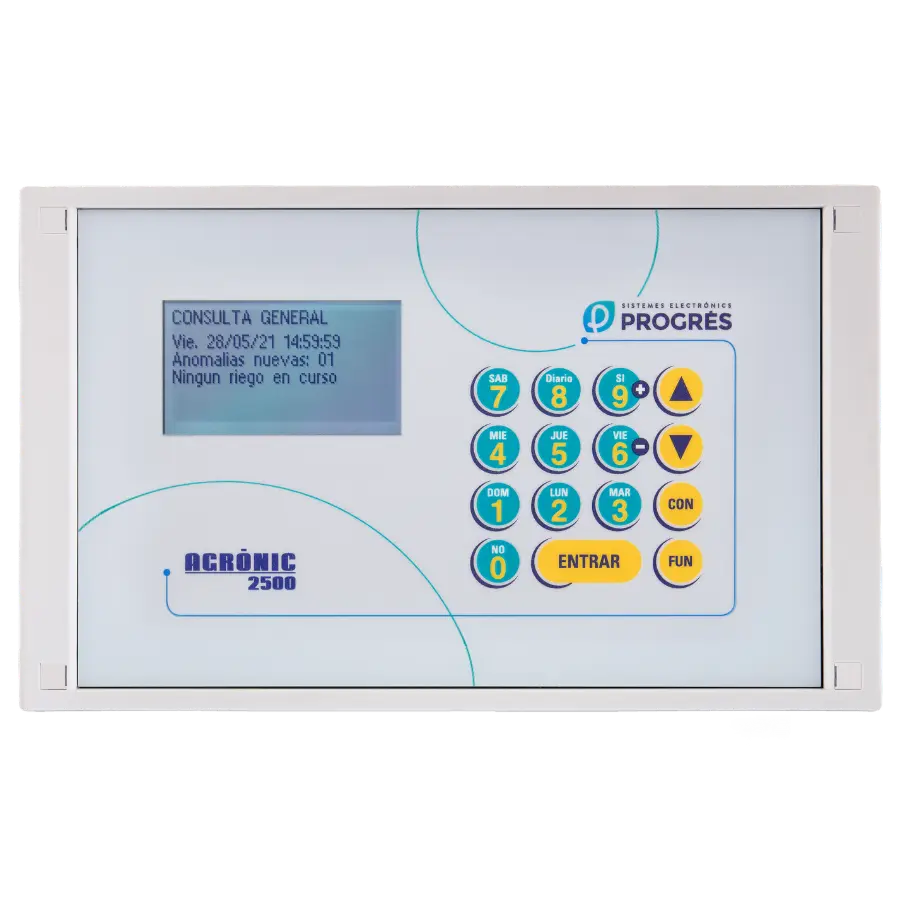
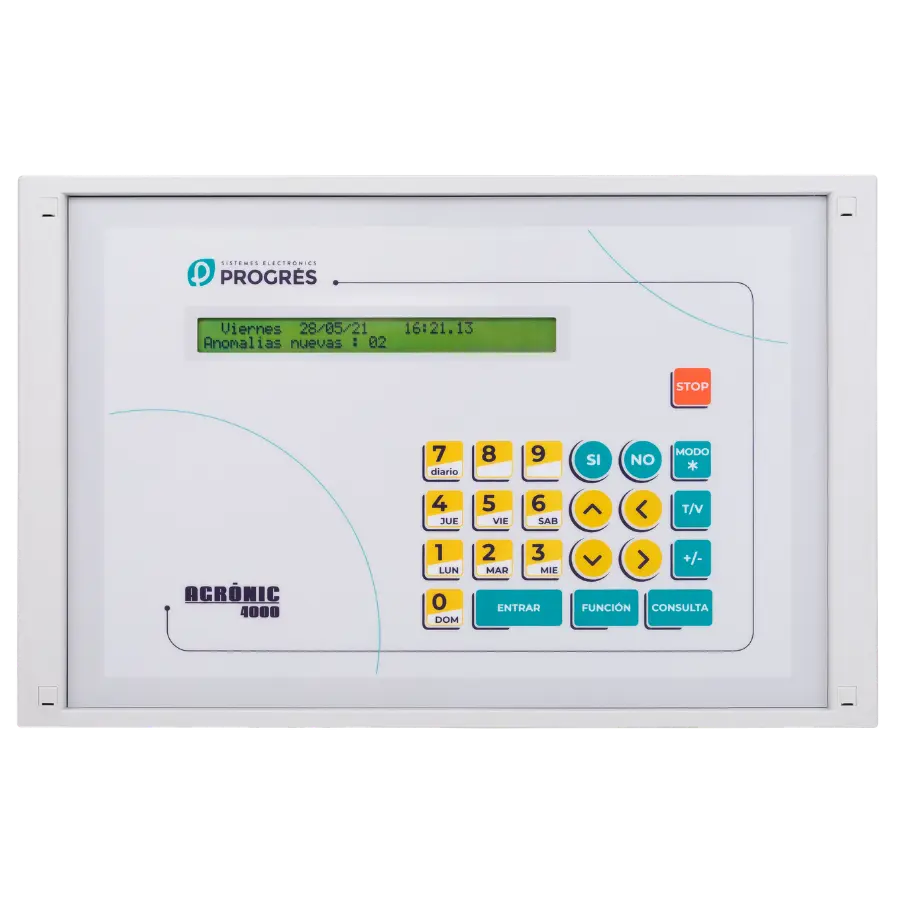
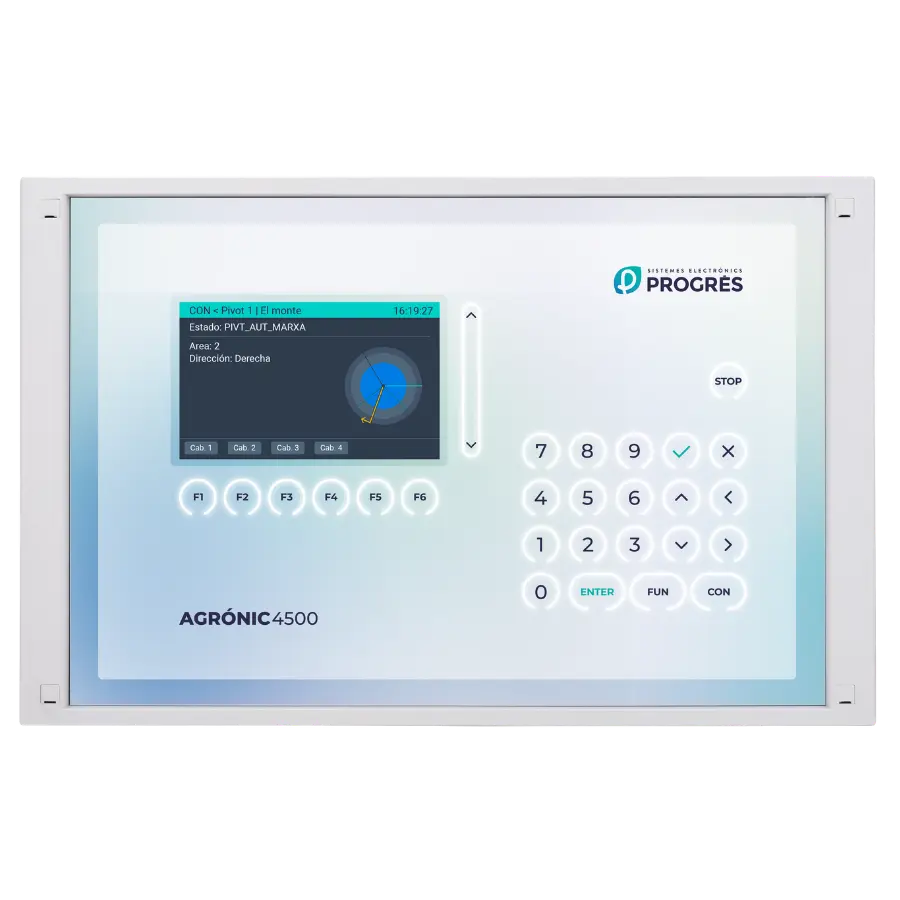
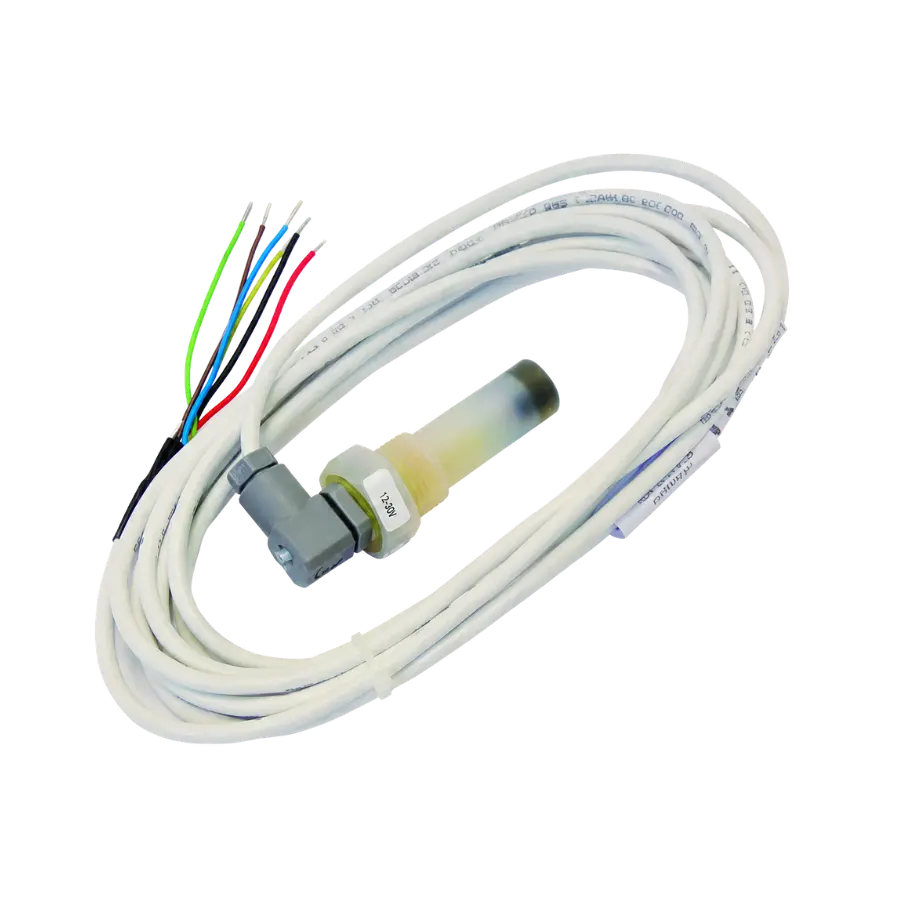
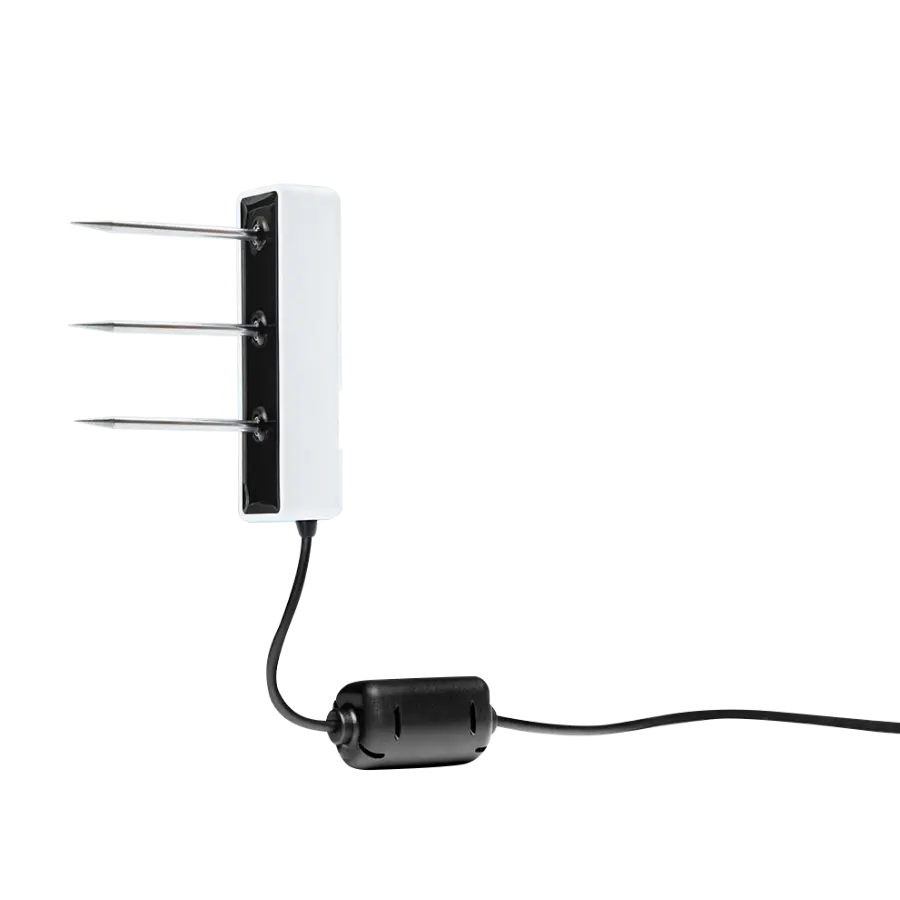
Soil Moisture and EC Sensor
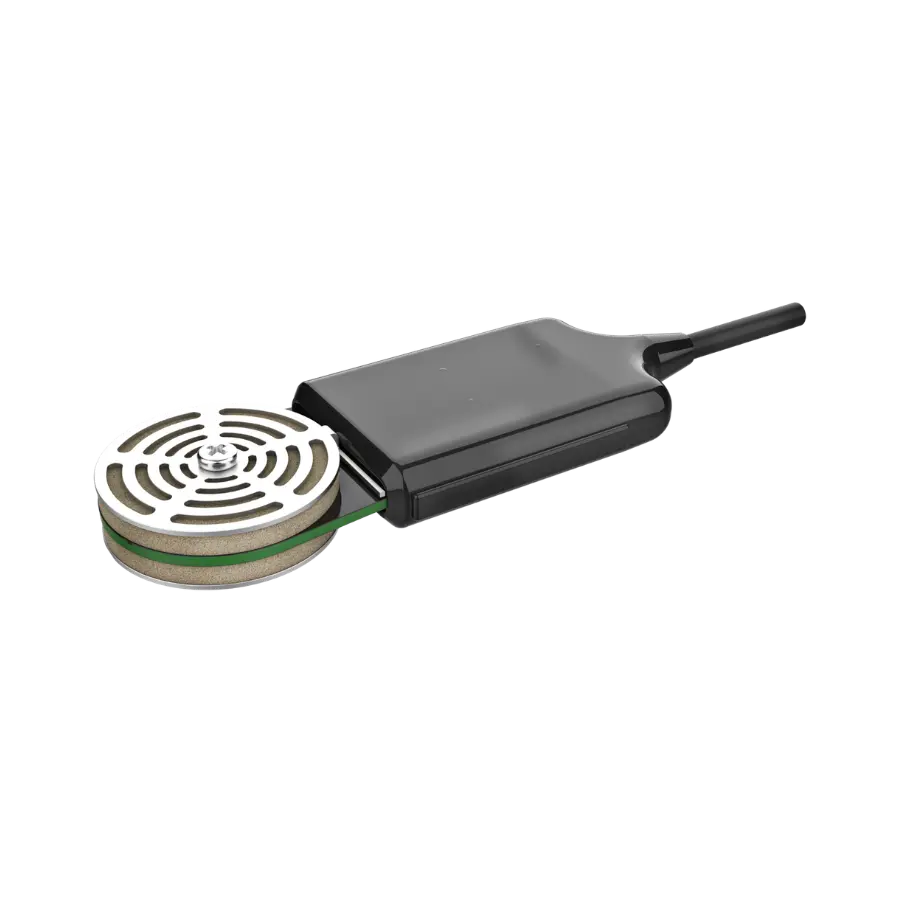
Soil water potential sensor
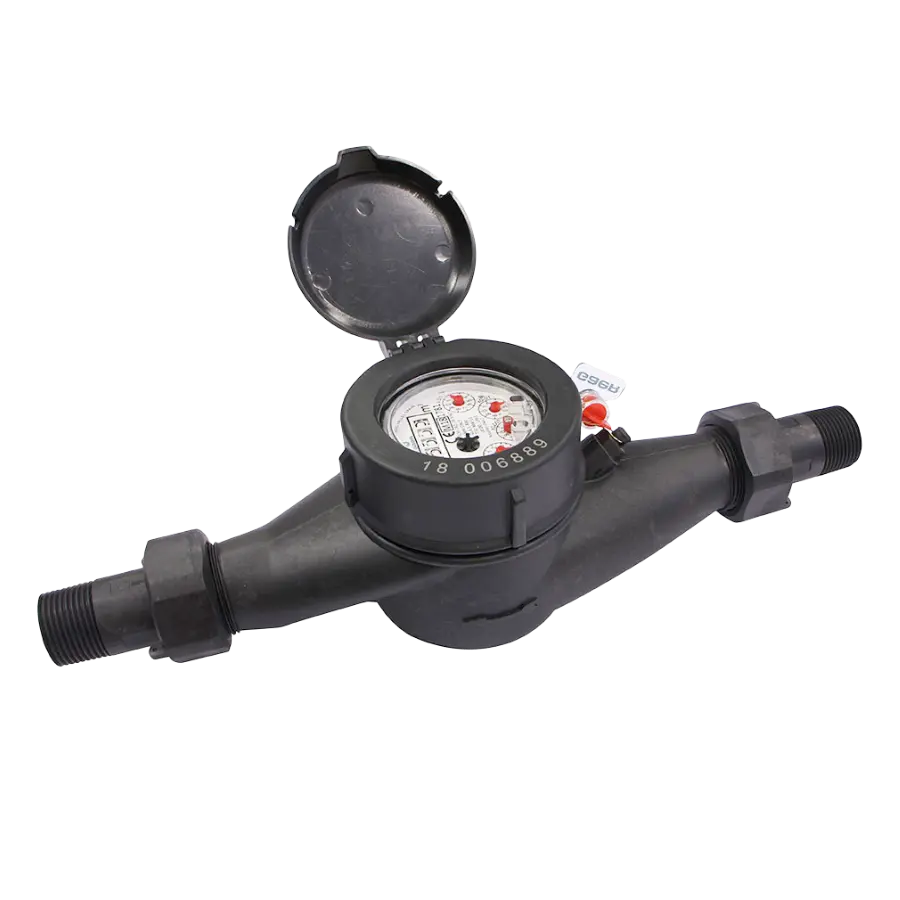
Irrigation meter
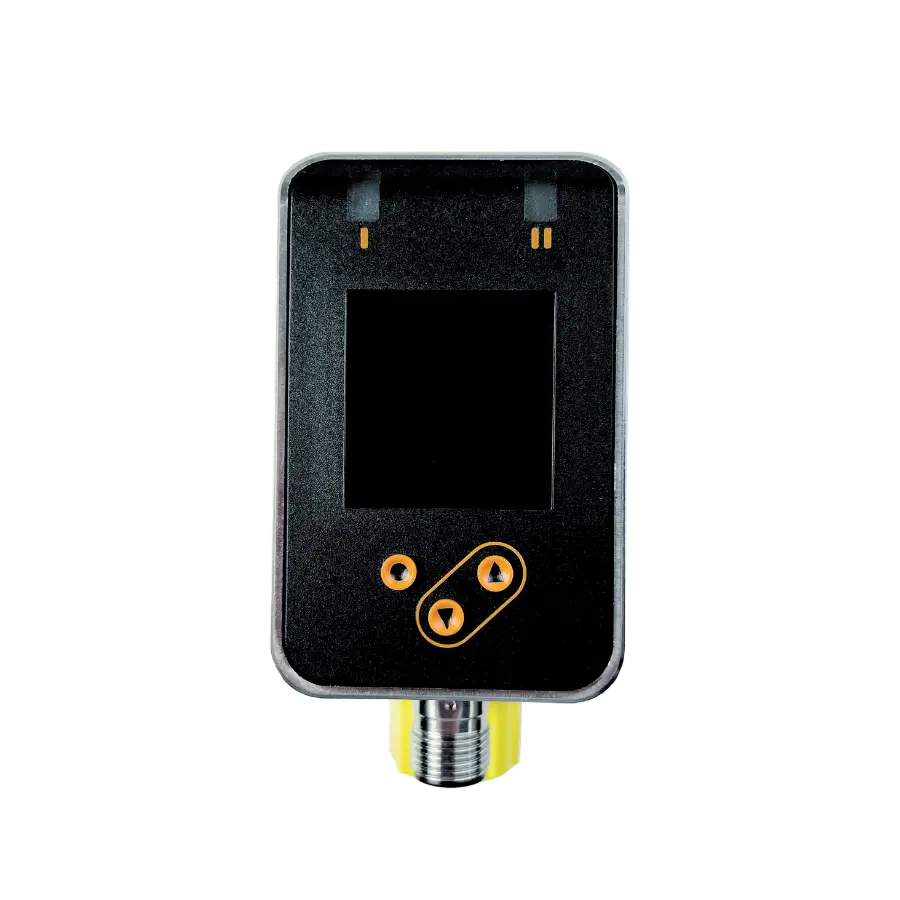
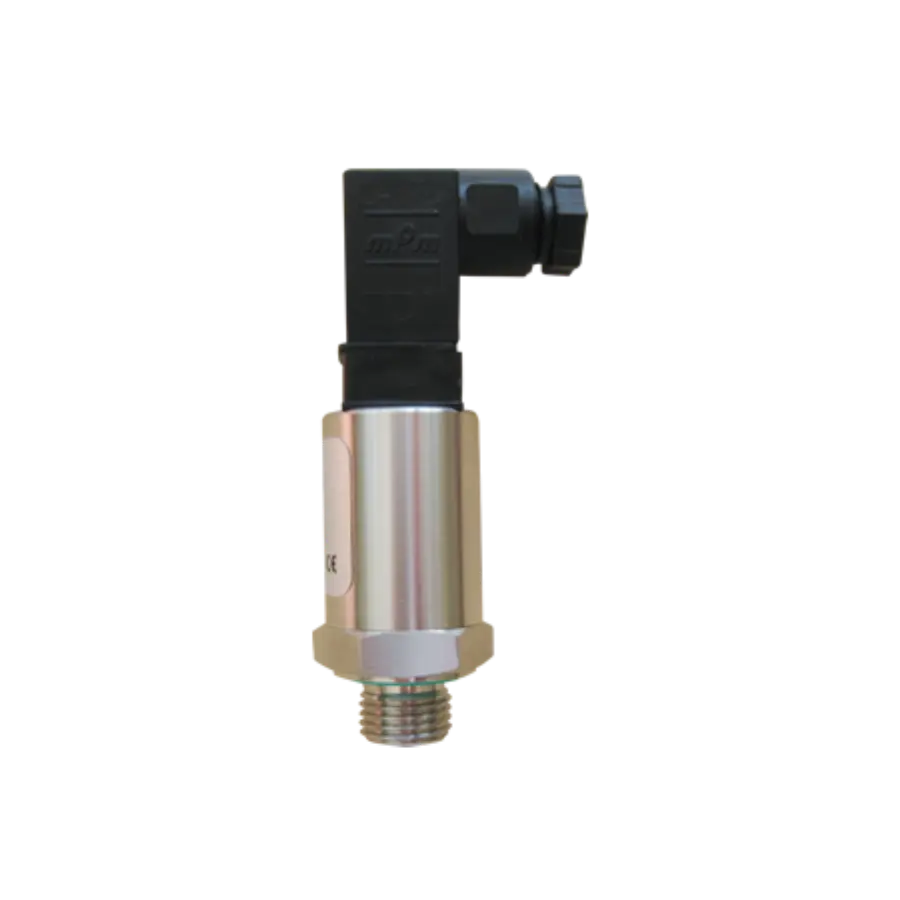
Pressure transducer
Solutions for all crops
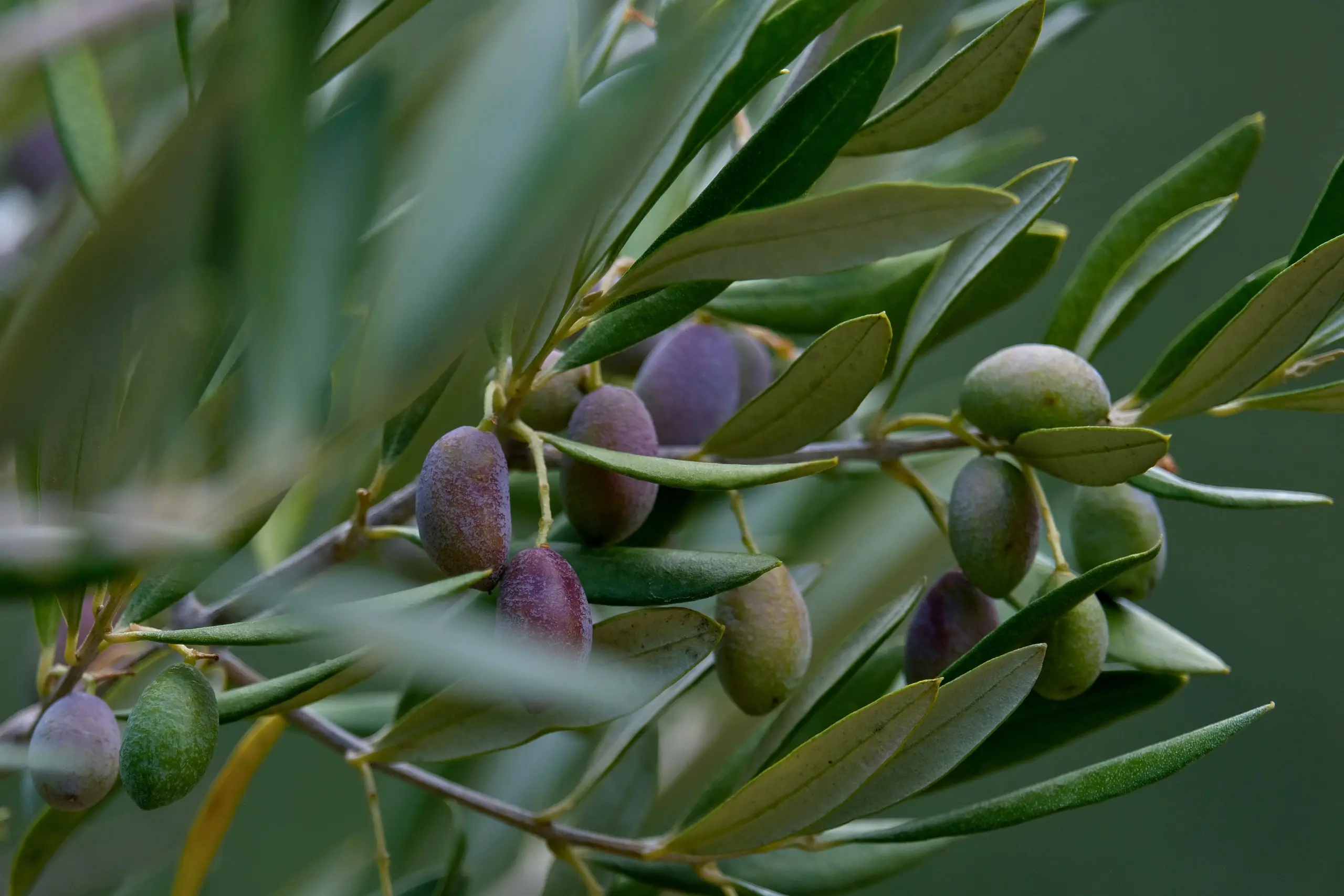
Olive tree
Major Challenges Facing Olive Trees
Optimize water use
Manage Fertilizers Effectively
Control of agricultural inputs
Preventing Pests and Diseases
Anticipating climatical risks
How VEGGA Helps Olive Trees
- Manage fertigation precisely by using programming and monitoring of the irrigation system.
- It balances water supply with irrigation pulses based on the plant’s needs and its stage of growth.
- Access irrigation reports and historical data, including audits, to support decision-making and improve water use efficiency.
- Understand how water and nutrients behave in the soil to plan irrigation and fertilization.
- It monitors weather conditions in real time, helping you determine the optimal time for irrigation, fertigation, and treatments based on weather risks.
- Predict the water needs of your olive crop and optimize oil yield and production stability.
- Predict and assess the risk of pests and diseases in olive groves.
- It enables the efficient application of plant protection treatments, reducing costs and ensuring healthy, high-quality olives.
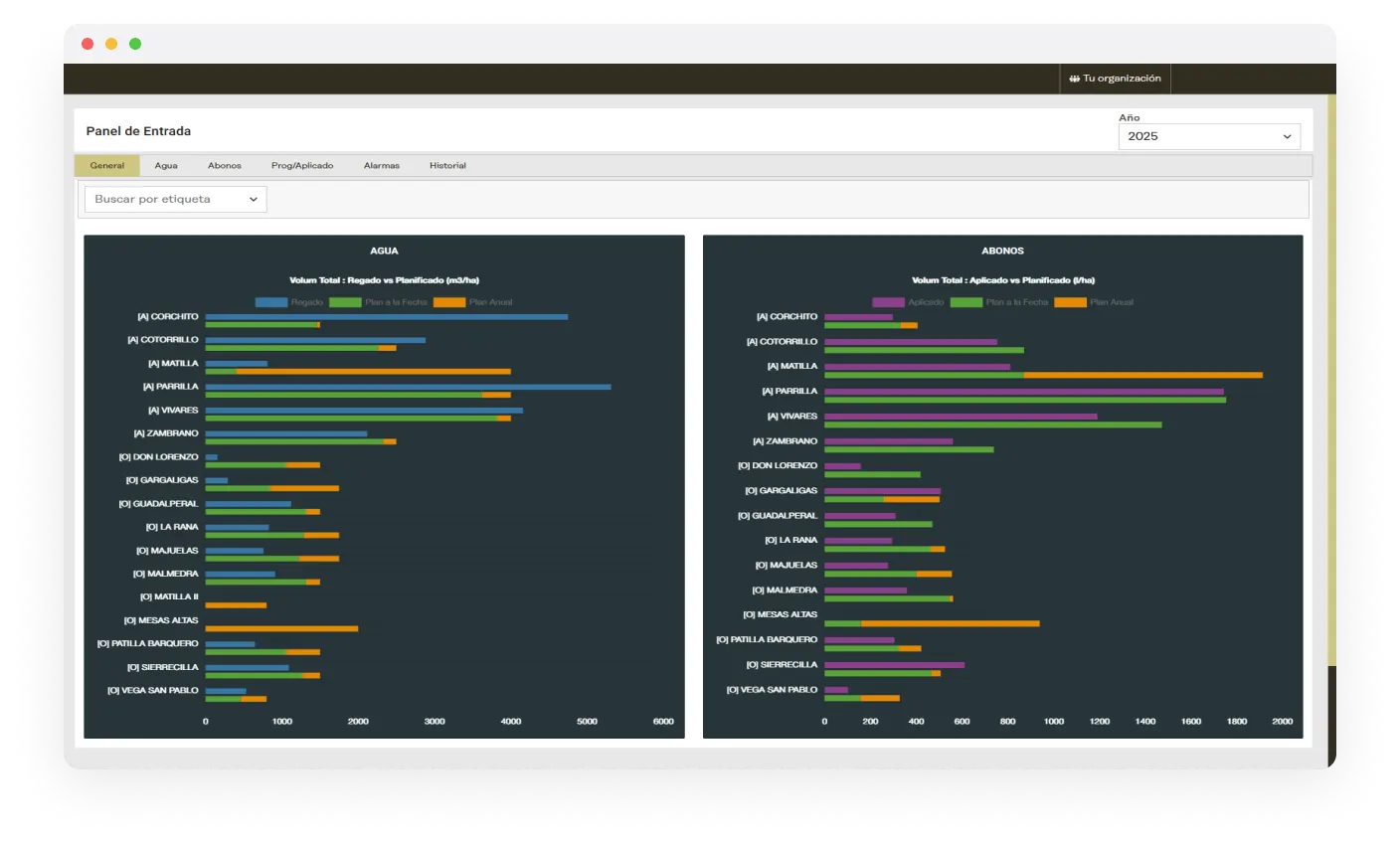
- It optimizes the use of water and fertilizers, streamlines fertilizer order management, and allows for bulk scheduling of irrigation units to improve efficiency.
- It allows for the implementation of strategies such as controlled deficit irrigation when necessary, while maintaining olive productivity and quality.
Benefits of managing olive trees with VEGGA
Productivity and fat yield
Oil quality
Uniformity of ripening
Resistance to stress and climate
Operating Profitability
Possible pests and diseases of the olive tree
Olive tree
Compatible hardware
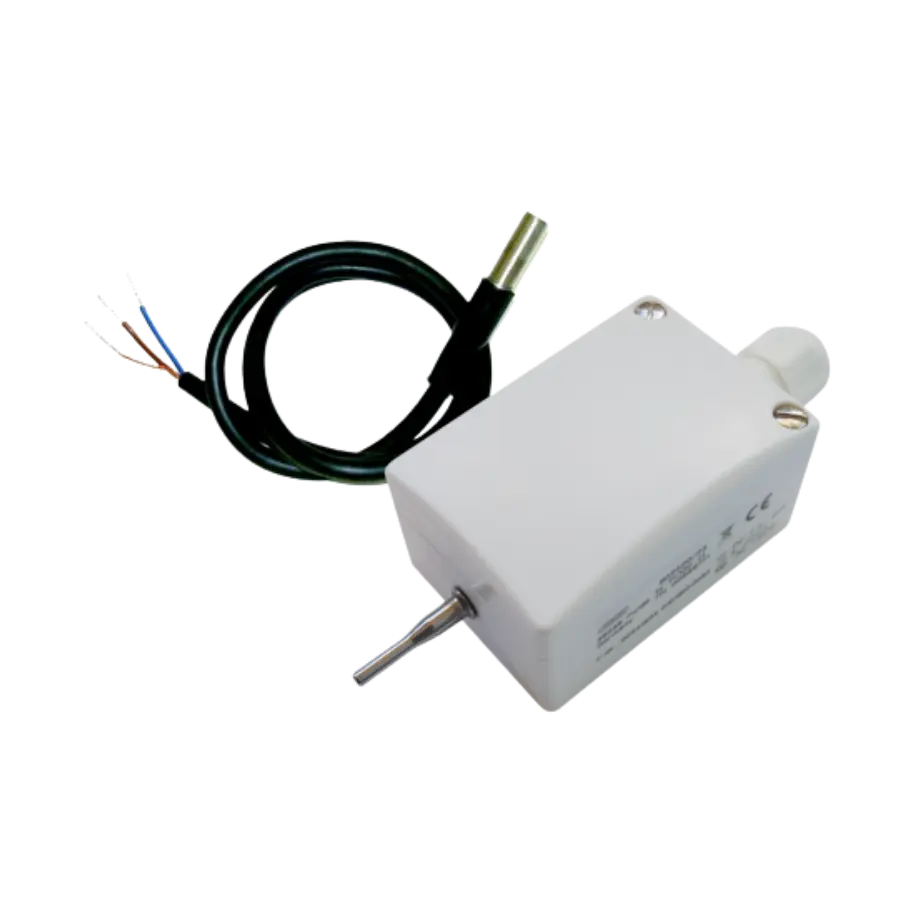
Soil water potential sensor
Irrigation meter
Soil Moisture and EC Sensor
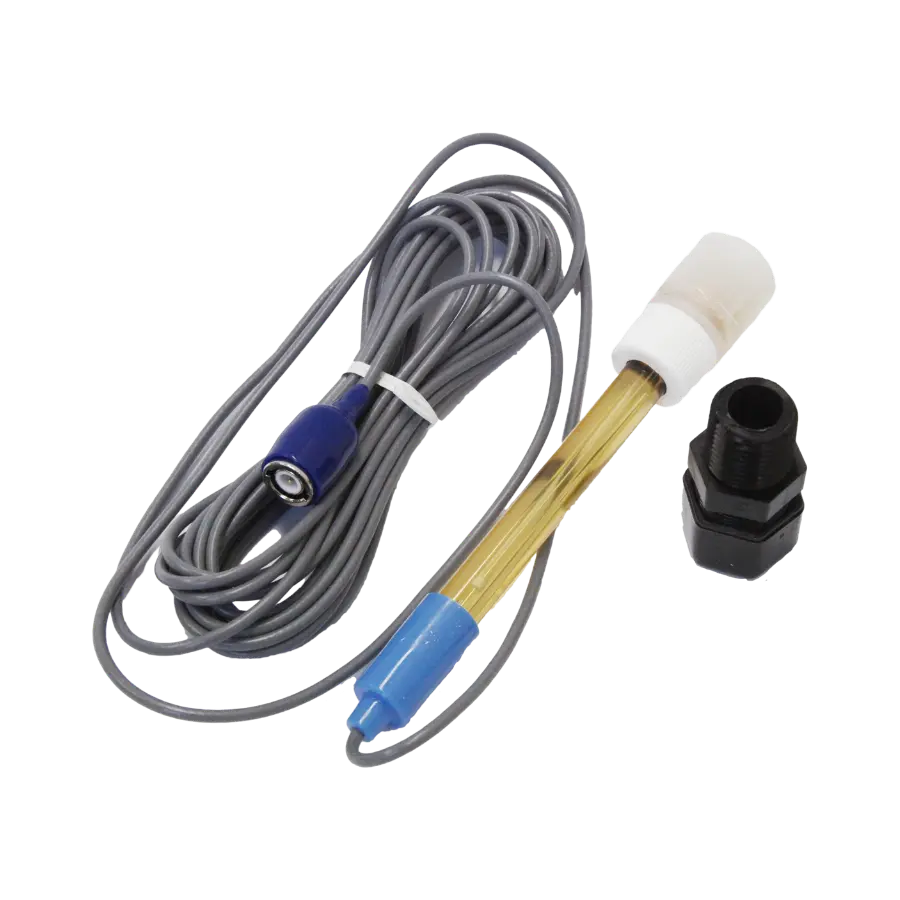
Pressure transducer

Solutions for all crops
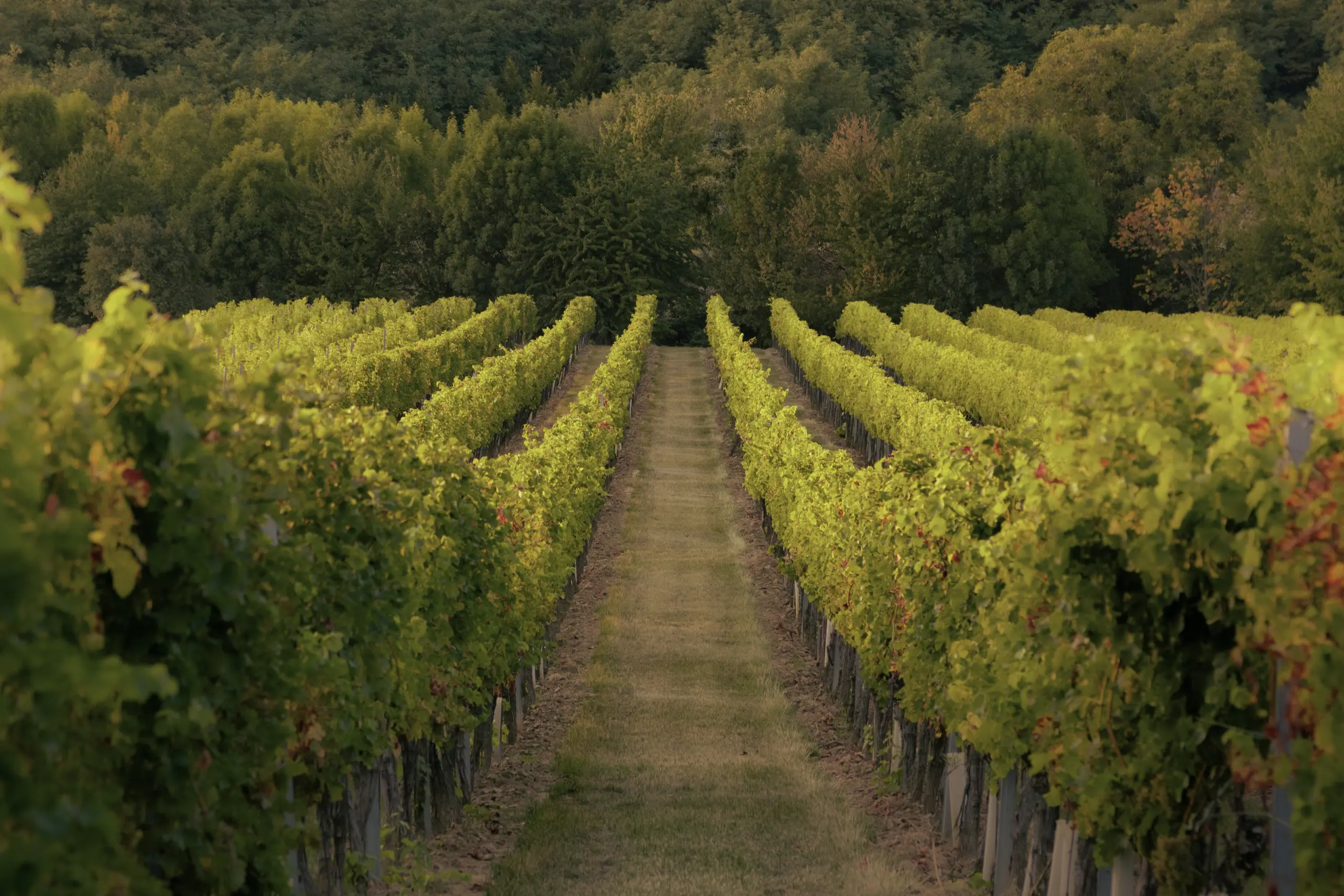
Vine
Major Challenges Facing the Vine
Optimize water use
Manage Fertilizers Effectively
Control of agricultural inputs
Preventing Pests and Diseases
Anticipating climatical risks
How VEGGA Helps with Wine
- Manage fertigation precisely by using programming and monitoring of the irrigation system.
- It balances water supply with irrigation pulses based on the plant’s needs and its stage of growth.
- Access irrigation reports and historical data, including audits, to support decision-making and improve water use efficiency.
- Using soil sensors, it provides insights into water and nutrient levels to help plan irrigation and fertilization.
- It monitors weather conditions in real time, helping you determine the optimal time for irrigation, fertigation, and treatments based on weather risks.
- Predict the water needs of your vineyard to improve stability, uniform ripening, and wine quality through efficient water use.
- Assess pest and disease risks in the vineyard.
- It enables the efficient application of plant protection treatments, reducing costs and ensuring healthy, high-quality grapes.
- It optimizes water and fertilizer use, streamlines fertilizer order management, and allows for bulk scheduling of irrigation units.
- It allows for the implementation of strategies such as controlled deficit irrigation when necessary, while ensuring grape productivity and quality.
Benefits of managing vineyards with VEGGA
Yield and sugar content
Wine quality
Intraplot homogeneity
Resistance to stress and climate
Operating Profitability
Possible pests and diseases of grapevines
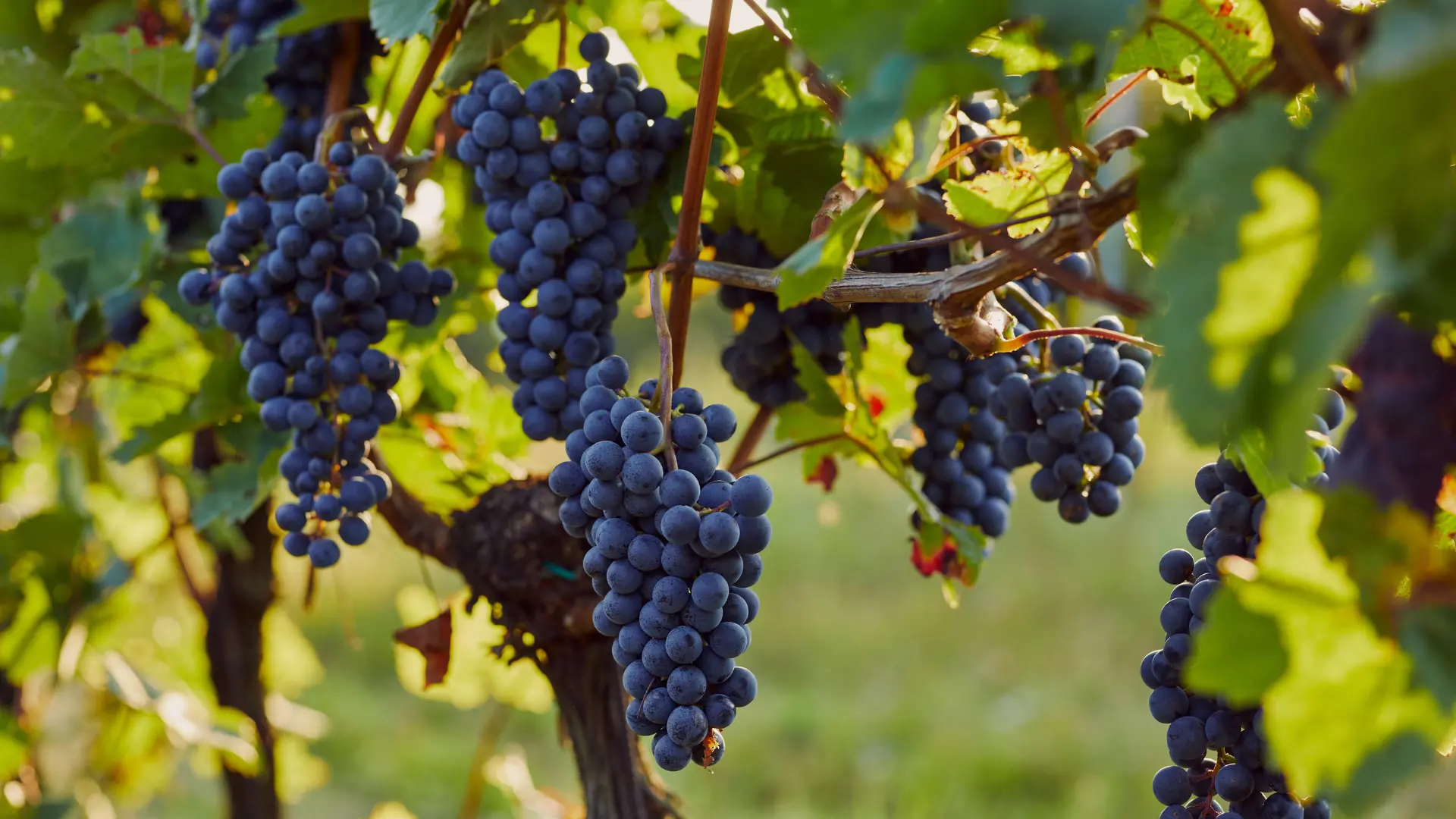
Vineyard
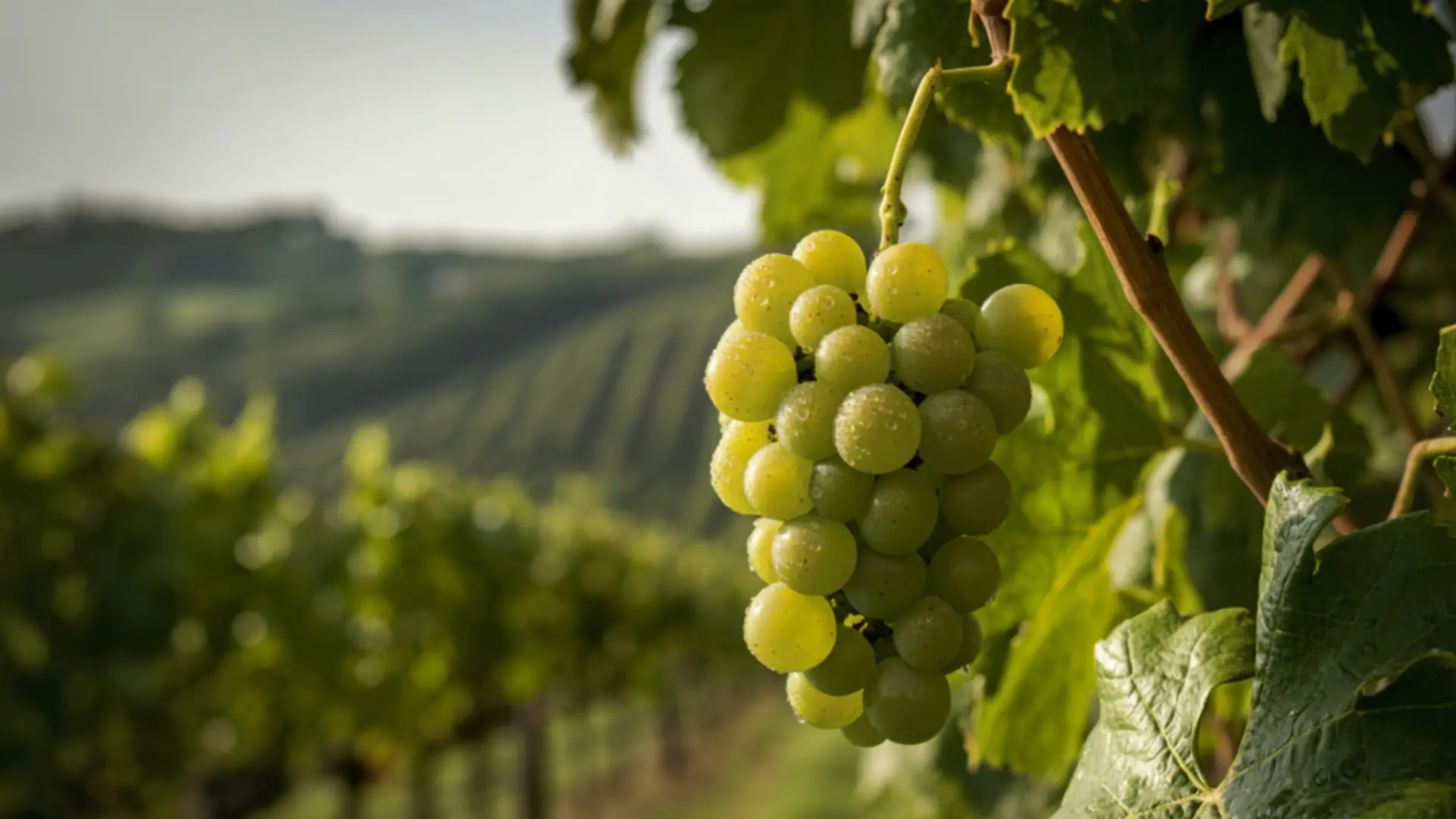
Table grapes
Recommended hardware
Soil water potential sensor
Irrigation meter
Soil Moisture and EC Sensor
Pressure transducer
Solutions for all crops
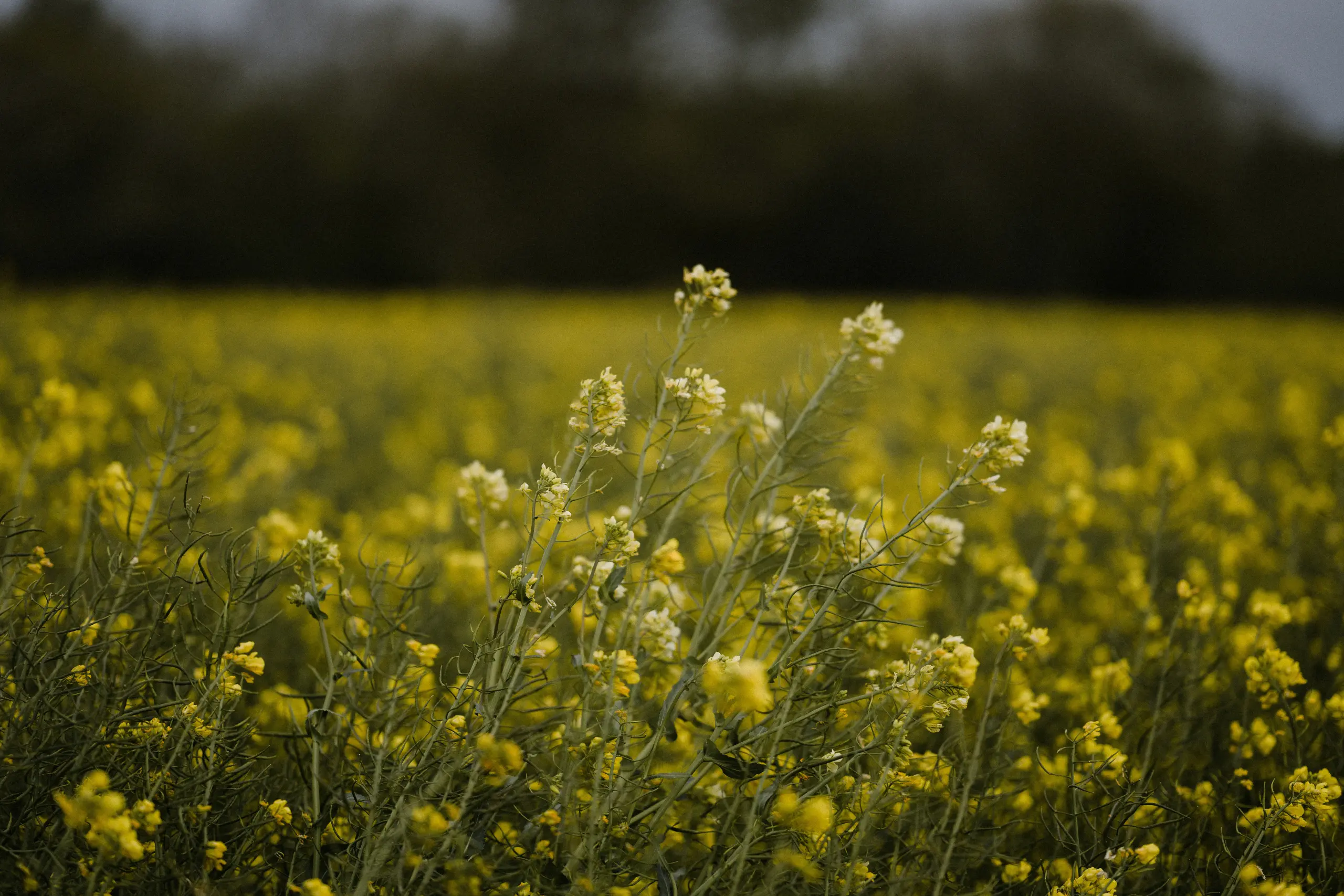
Oilseeds and industrial crops
Featured Crops

Sunflower
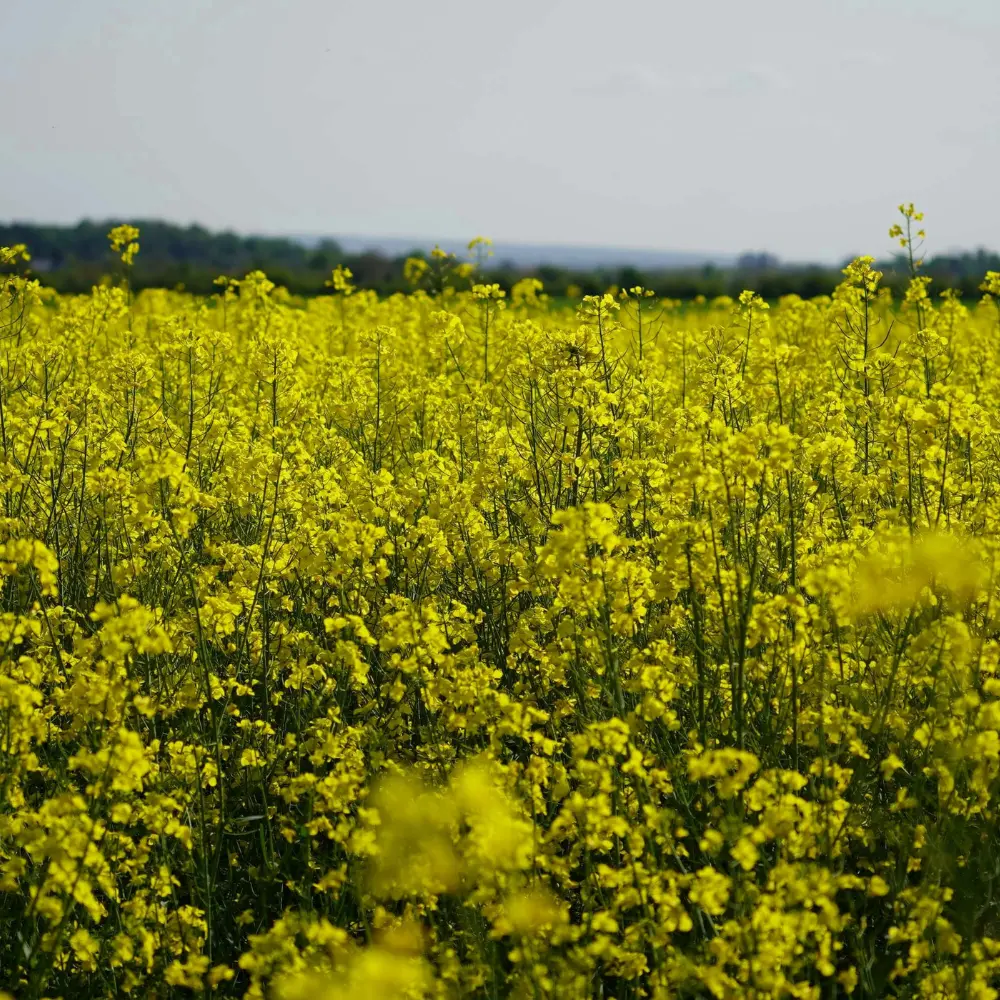
Rapeseed
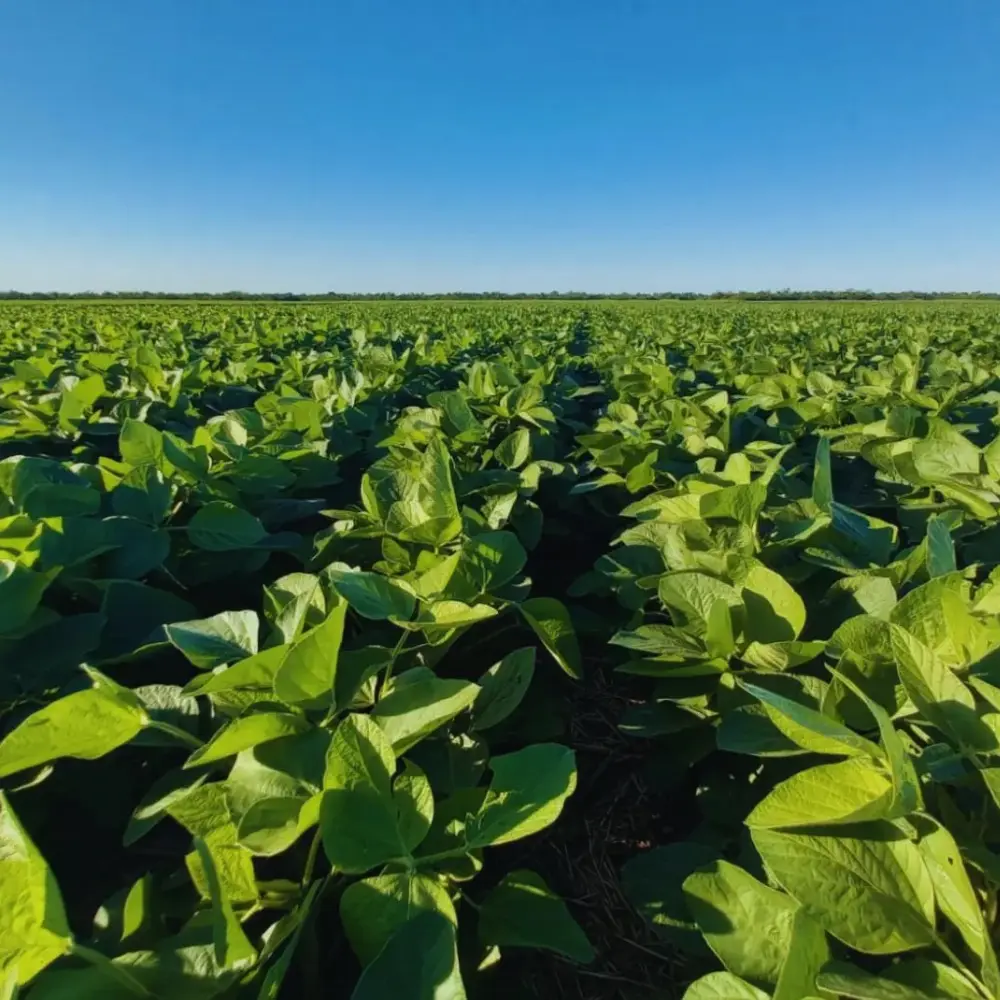
Soy
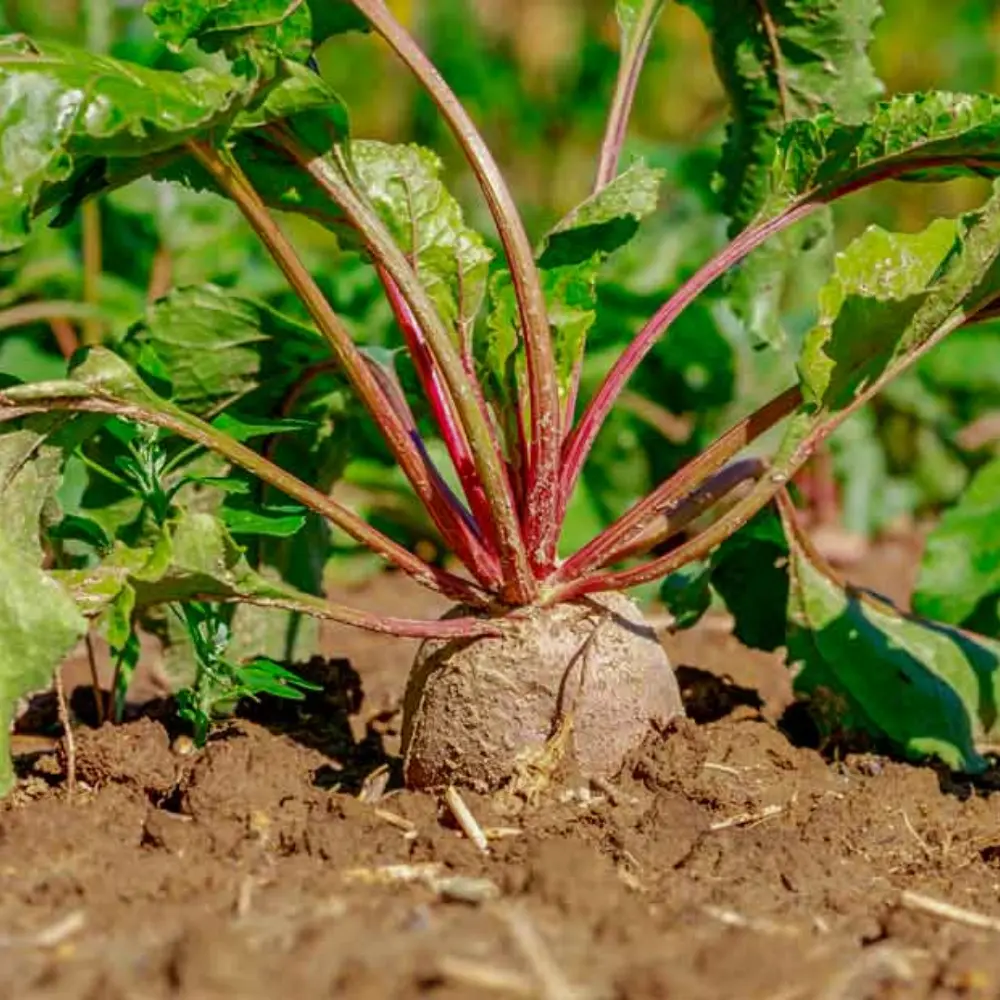
Sugar beet
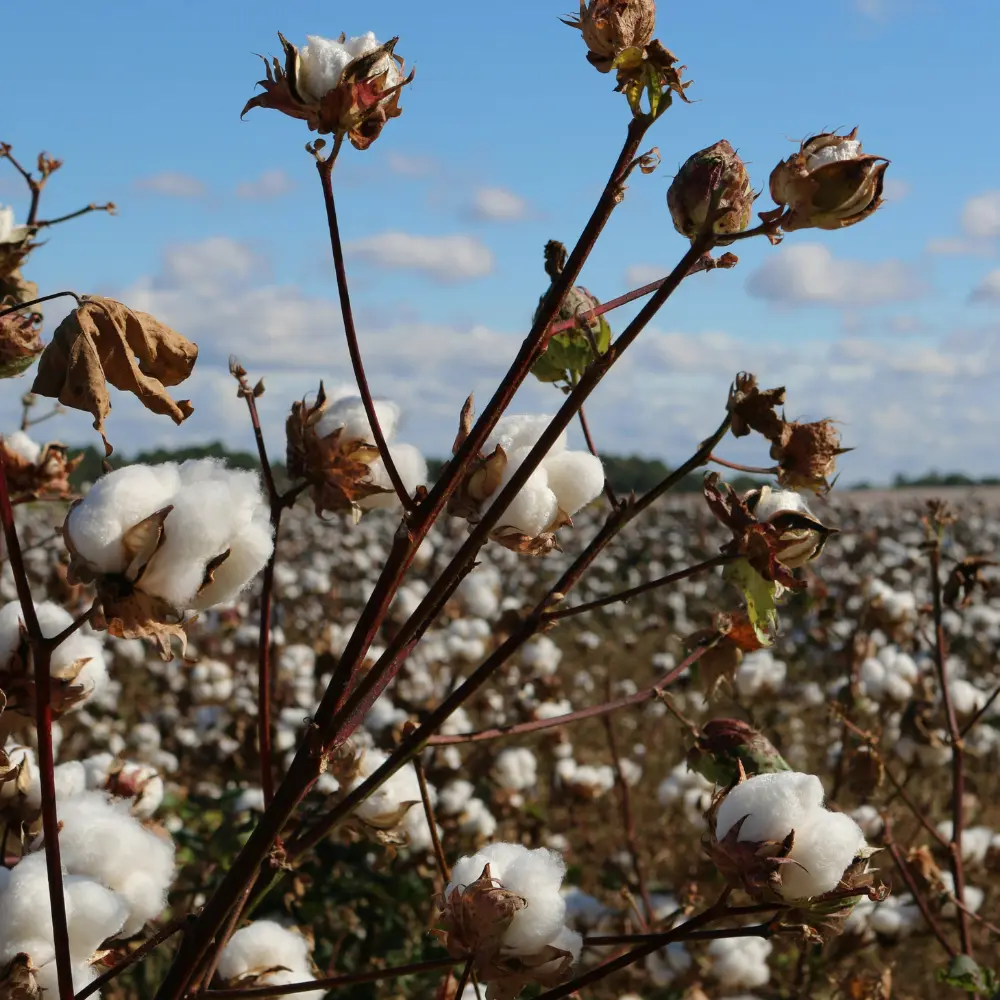
Cotton
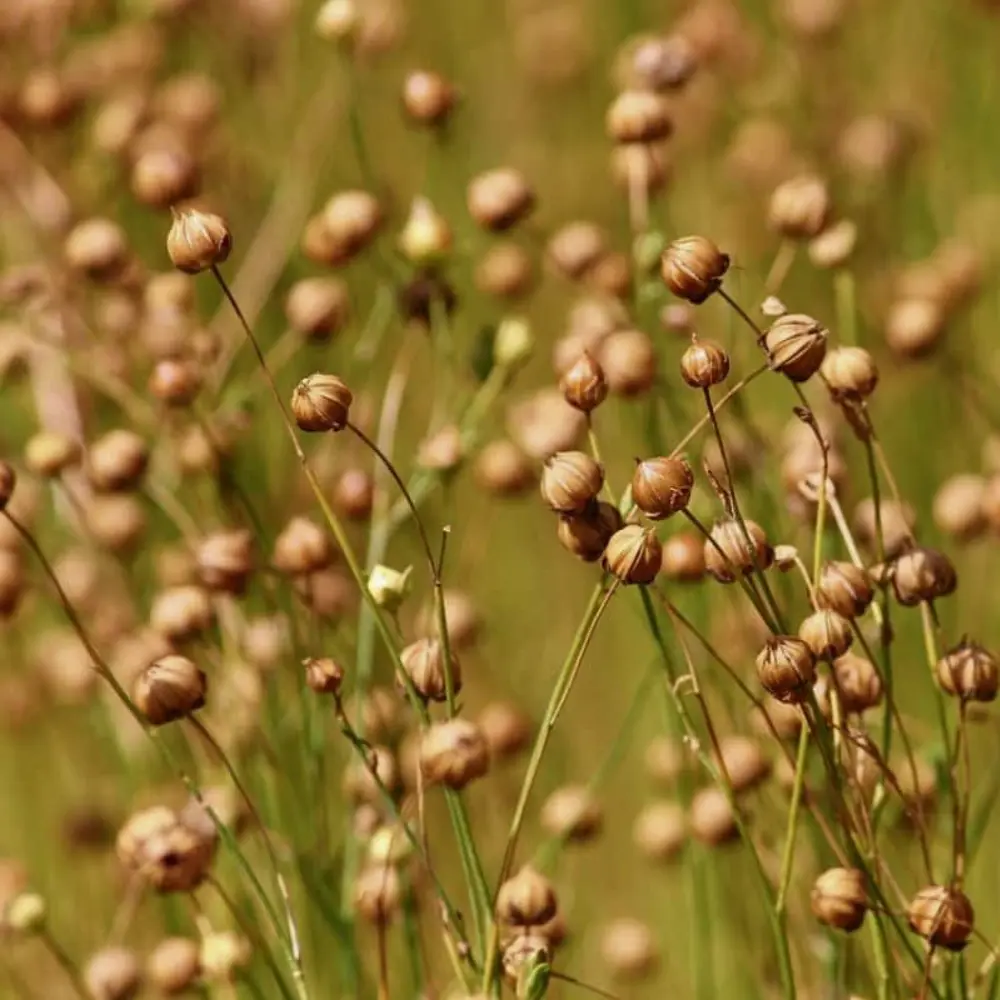
Linen
Key Challenges for Oilseeds and Industrial Crops
Optimize water use
Manage Fertilizers Effectively
Control of agricultural inputs
Preparing for Adverse Climatical Conditions
How VEGGA Helps in Oilseeds and Industrial Crops
- Manage fertigation precisely by using programming and monitoring of the irrigation system.
- It balances water supply with irrigation pulses based on the needs of each crop and its stage of growth.
- Access irrigation reports and historical data, along with audits that help validate decisions and improve water use efficiency.
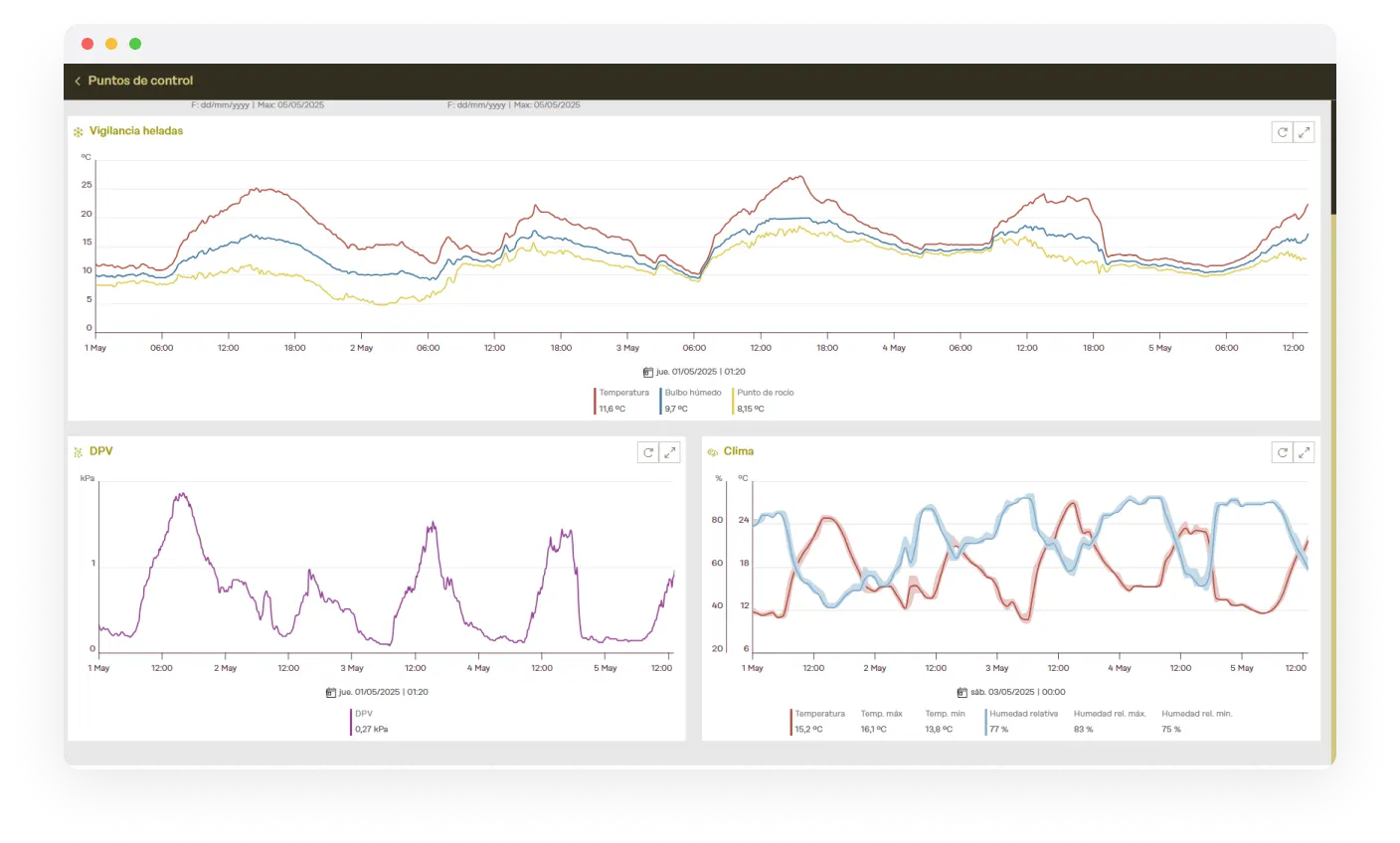
- Using soil sensors, it provides insights into the behavior of water and nutrients in the soil profile, enabling precise decisions regarding irrigation and fertilization.
- It monitors weather conditions in real time, helping to plan irrigation, fertilization, and treatments based on weather risks.
- Predict your crop’s water needs to improve yield stability and productivity.
Benefits of Managing Oilseeds and Industrial Crops with VEGGA
Higher yield and greater uniformity of grain and seed
Crop-specific quality
Control of phenology and efficient use of inputs
Resistance to stress and climate
Integrated water and nutrient management
Operating Profitability
Recommended hardware
Soil water potential sensor
Irrigation meter
Pressure transducer
Solutions for all crops
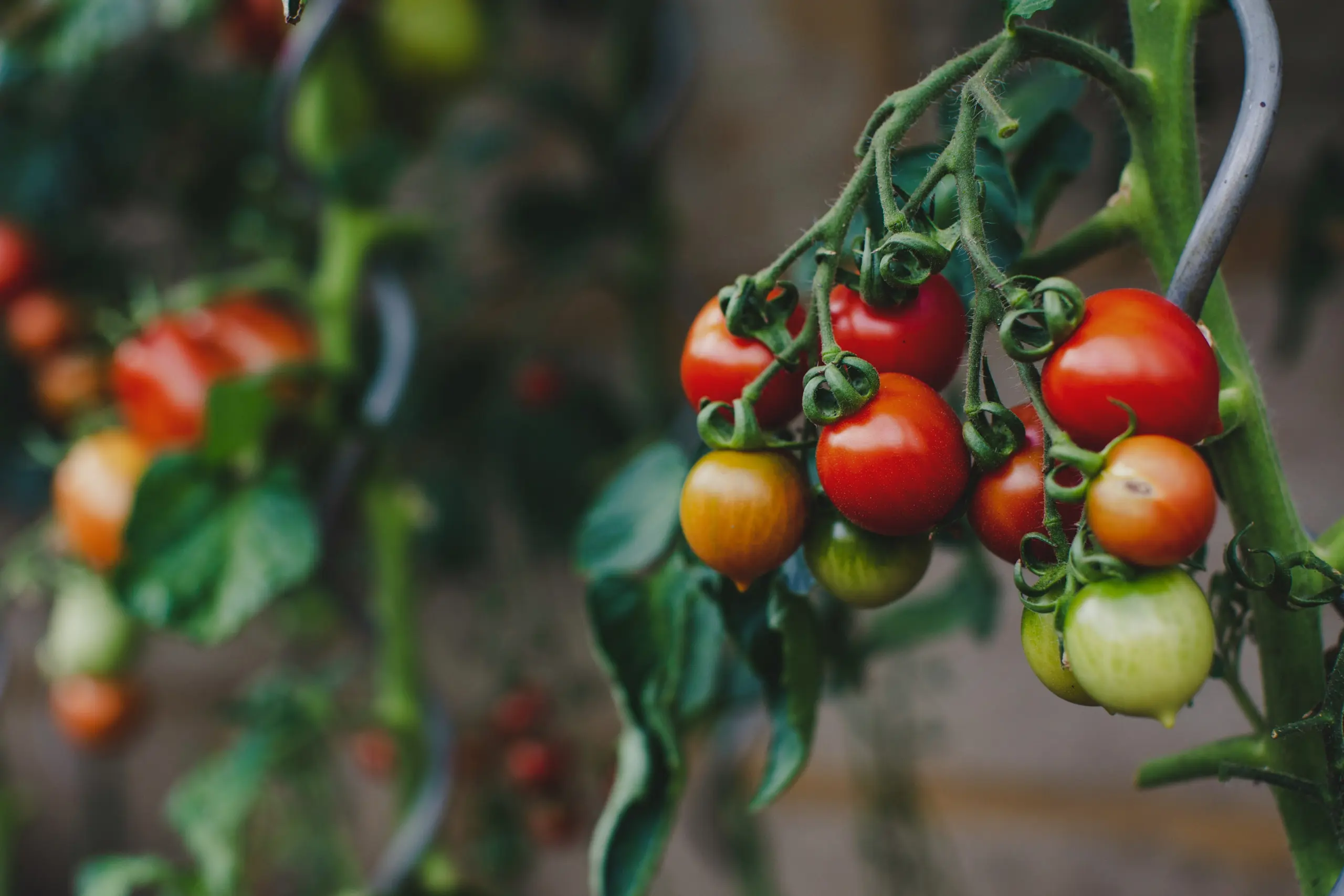
Leafy vegetables and fruit
Featured Crops
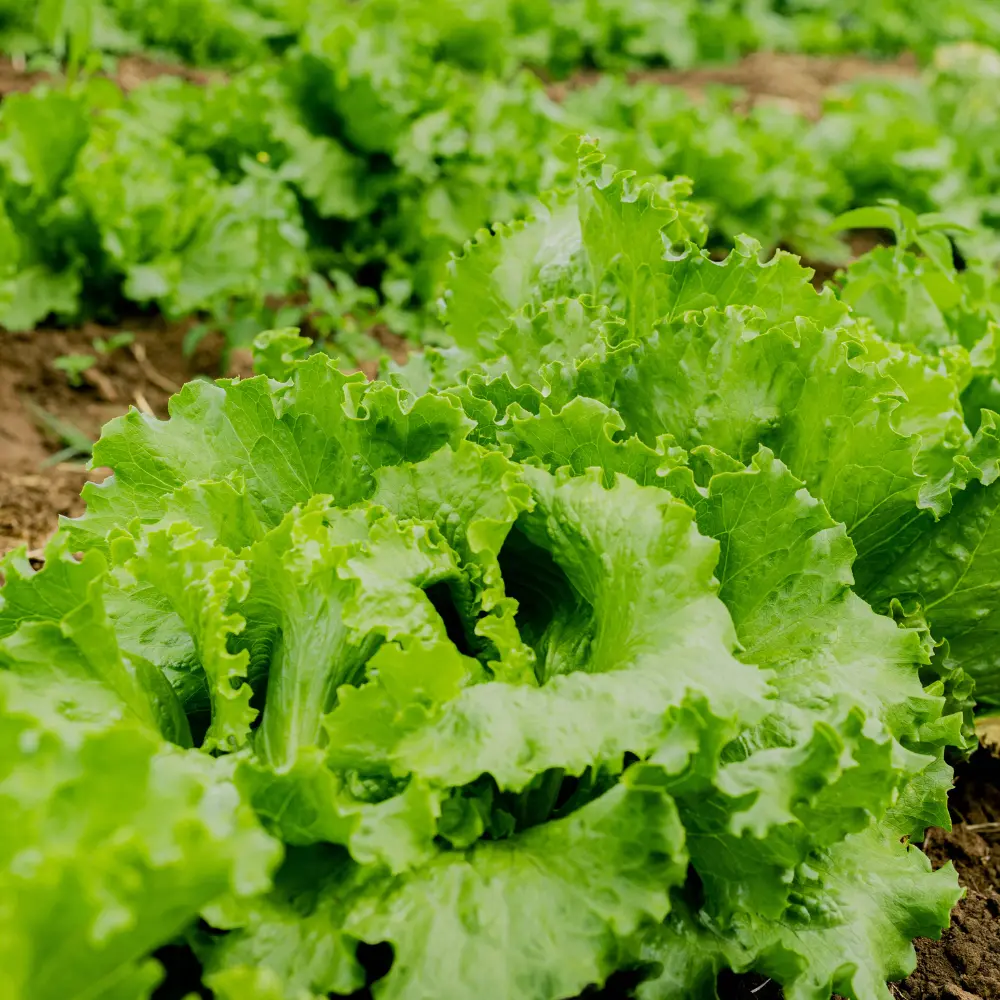
Lettuce
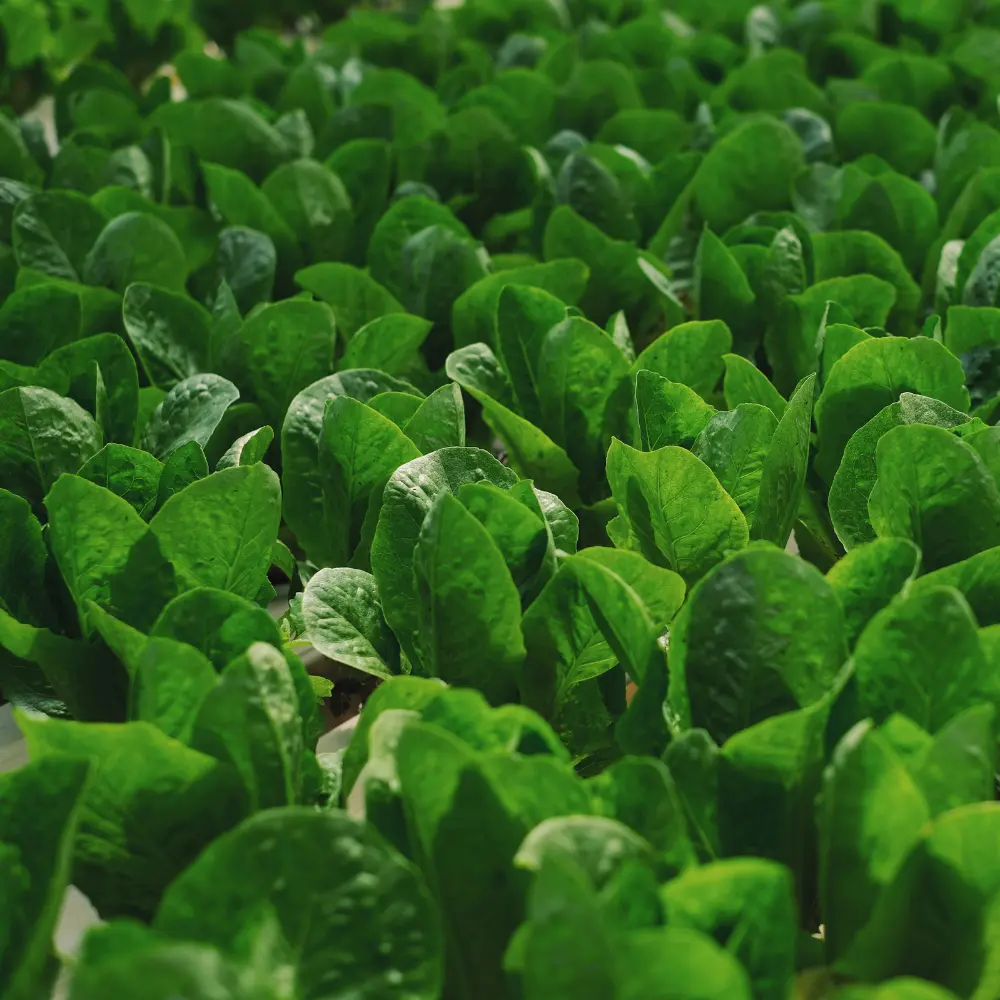
Spinach
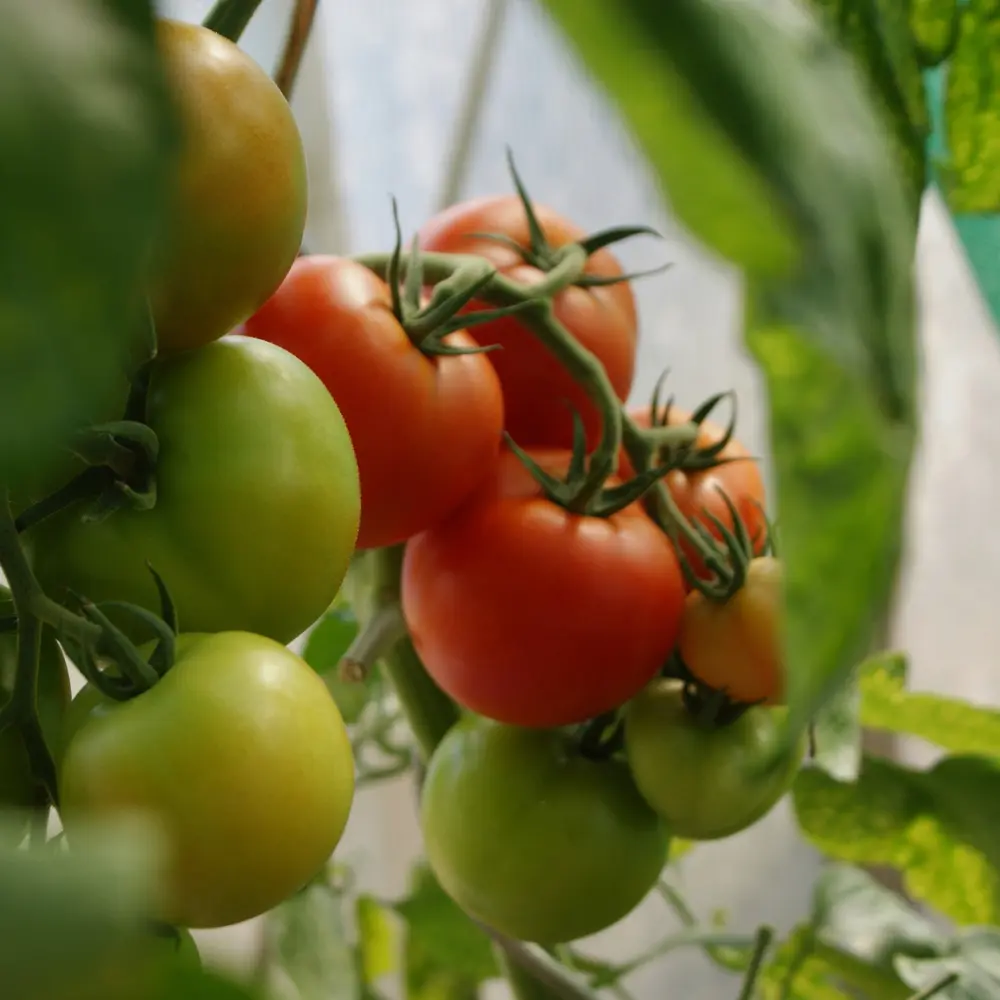
Tomato
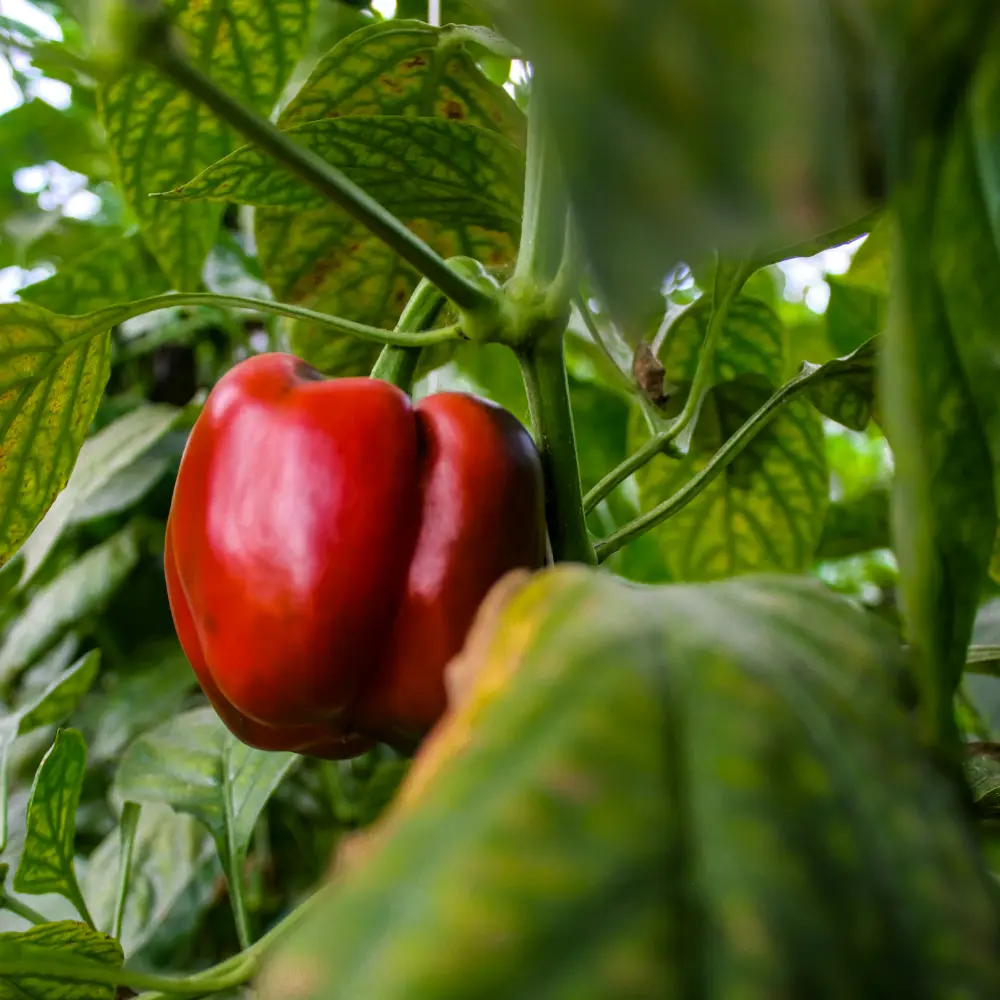
Bell pepper
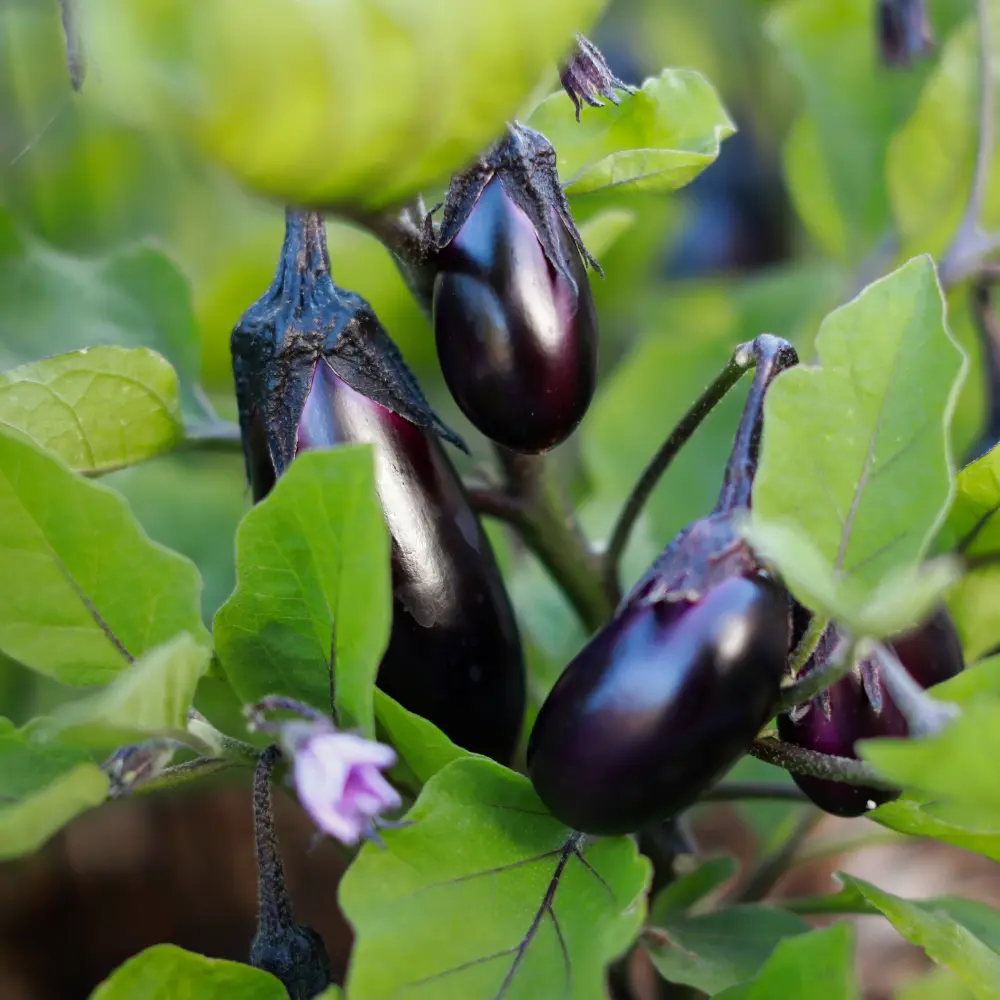
Eggplant
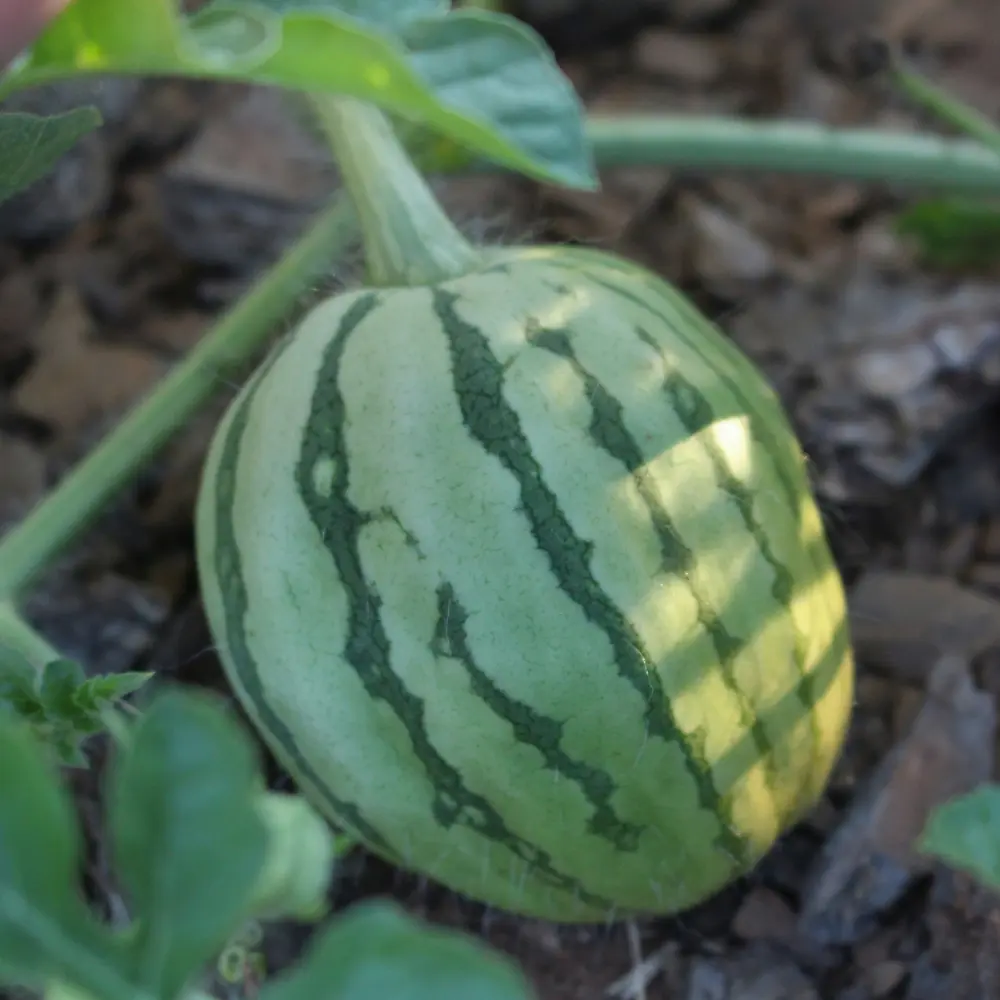
Watermelon
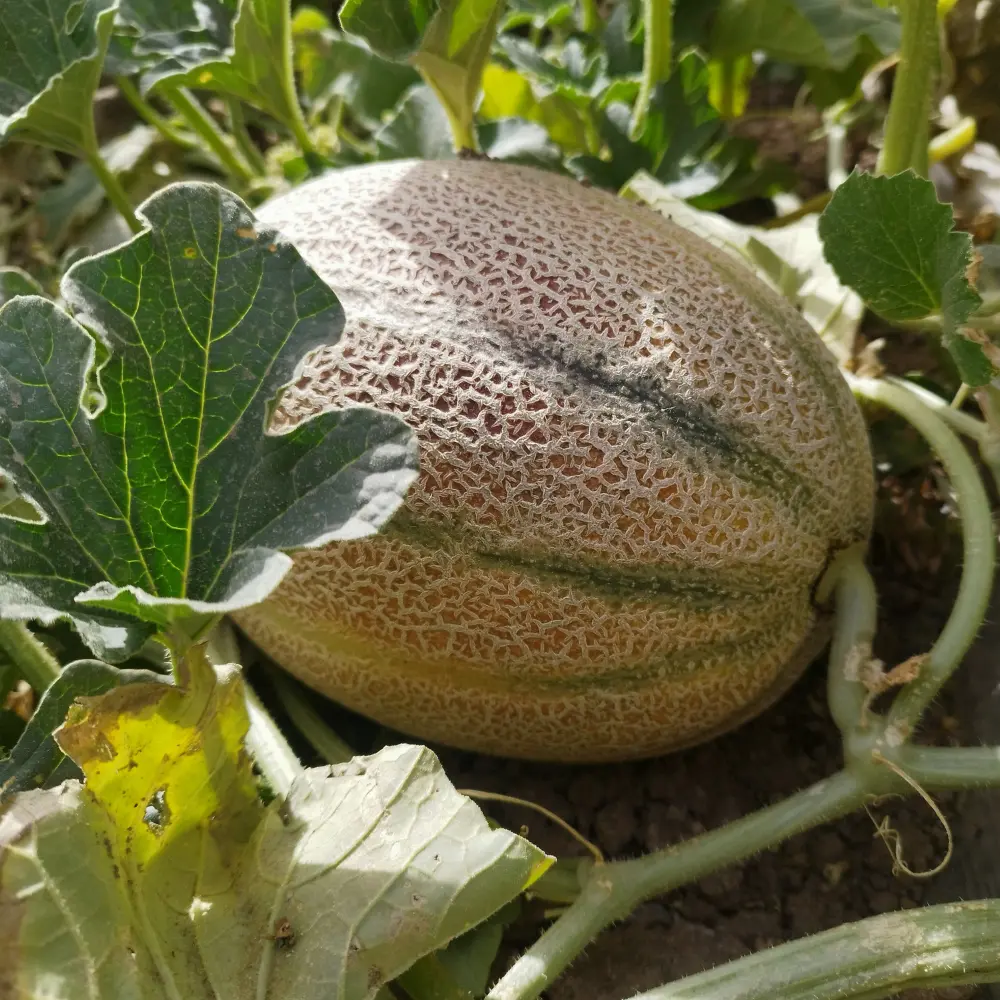
Melon
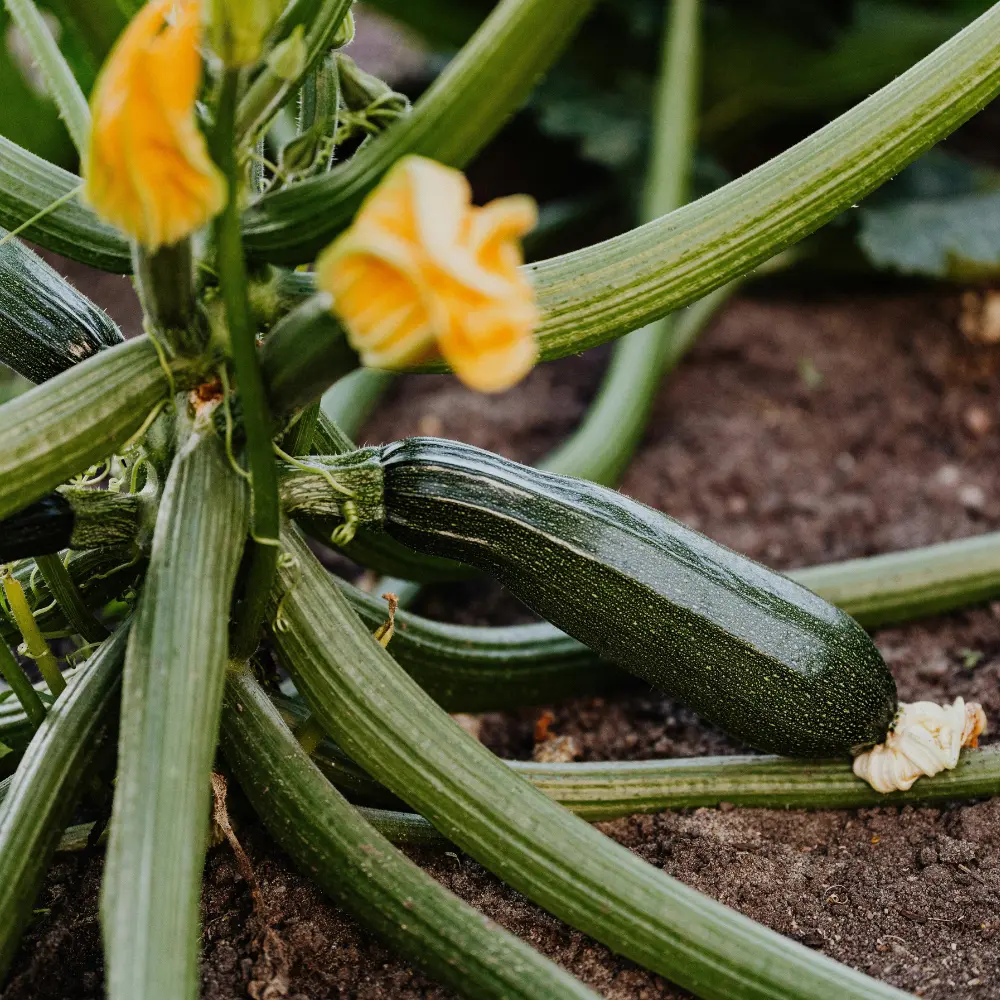
Zucchini
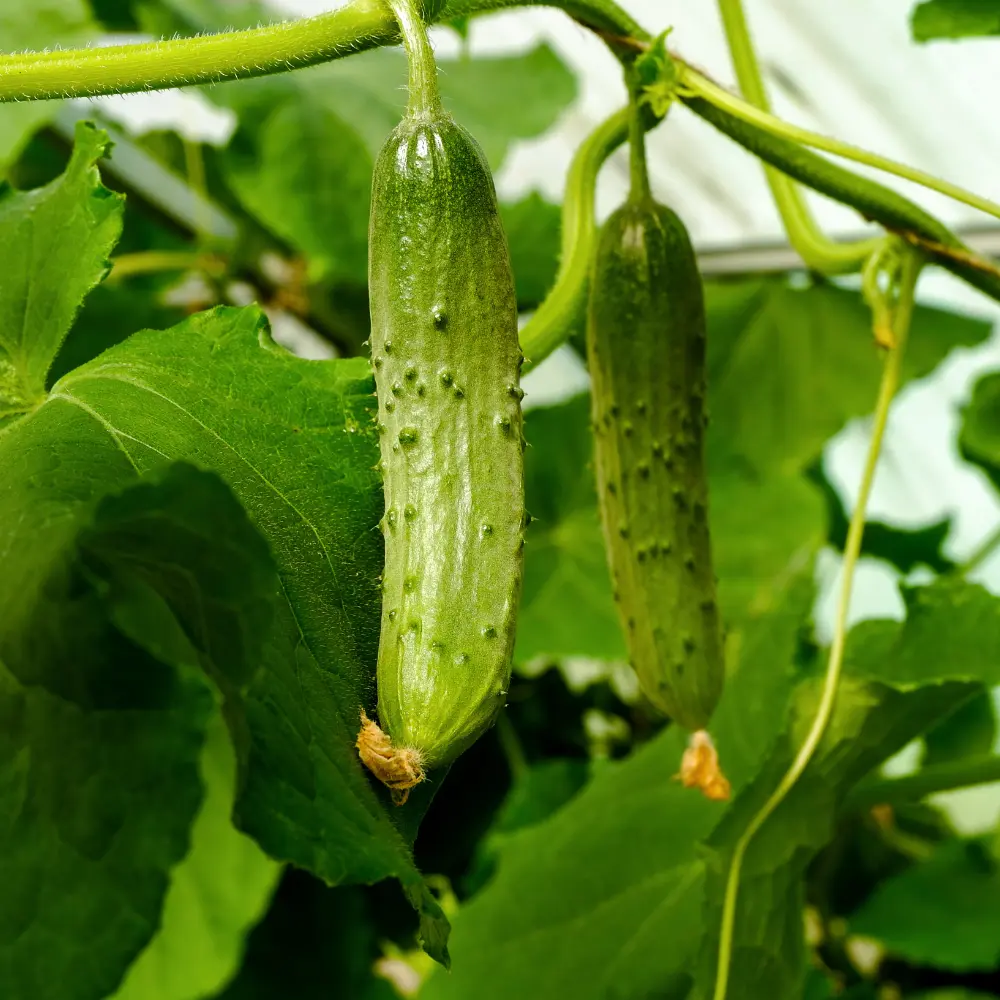
Cucumber
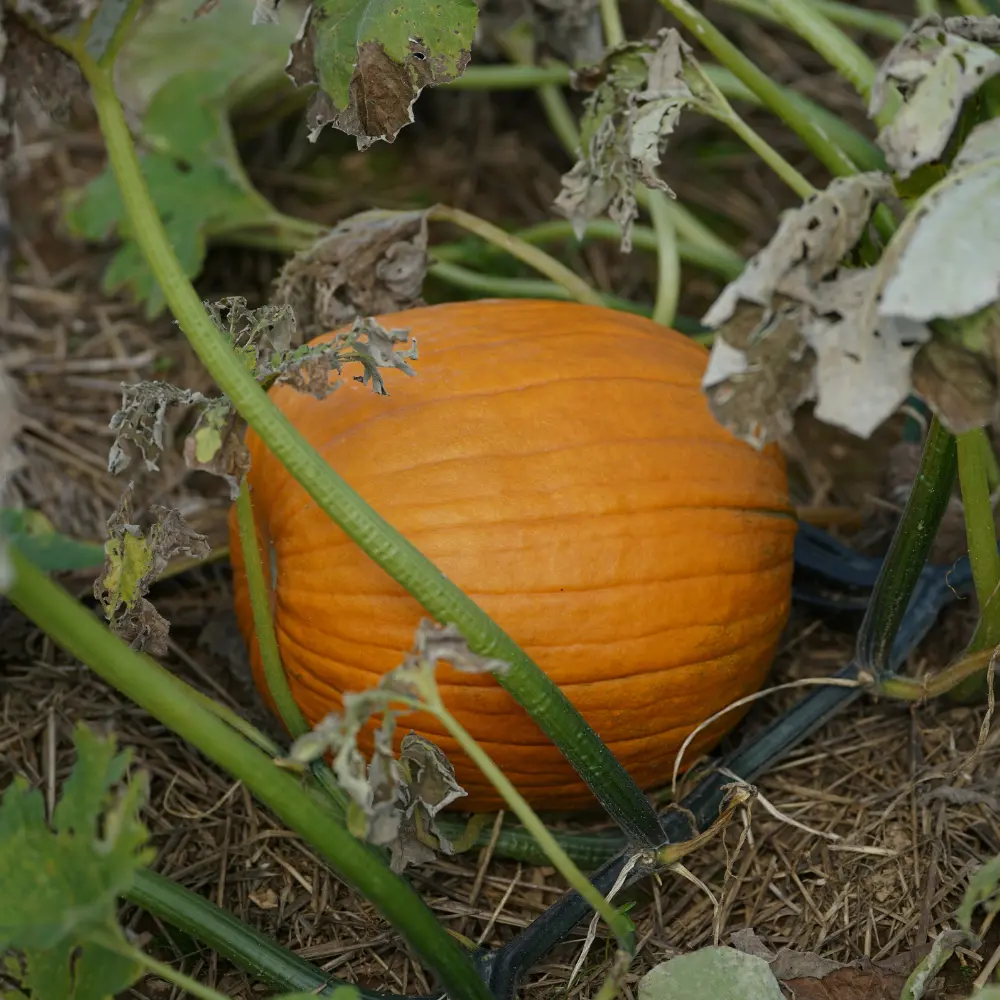
Pumpkin
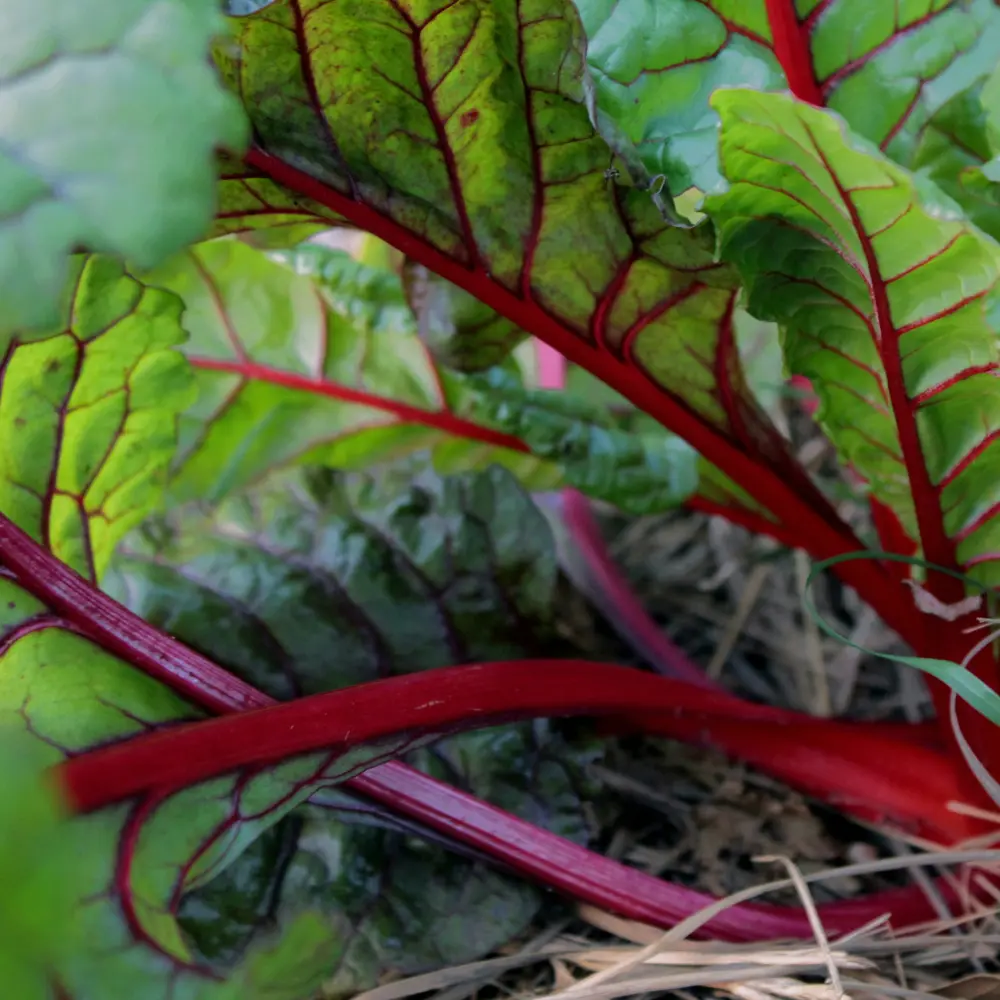
Swiss chard
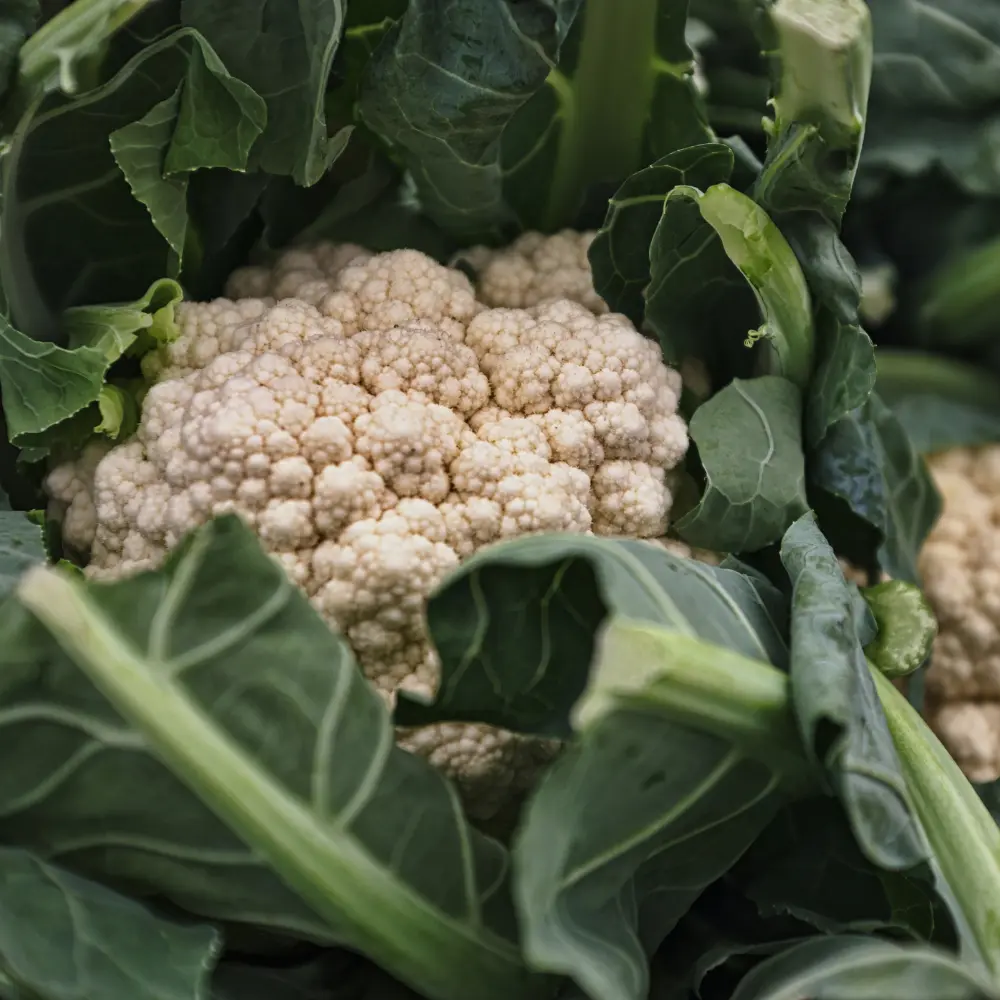
Brassicas: broccoli, cabbage, and cauliflower
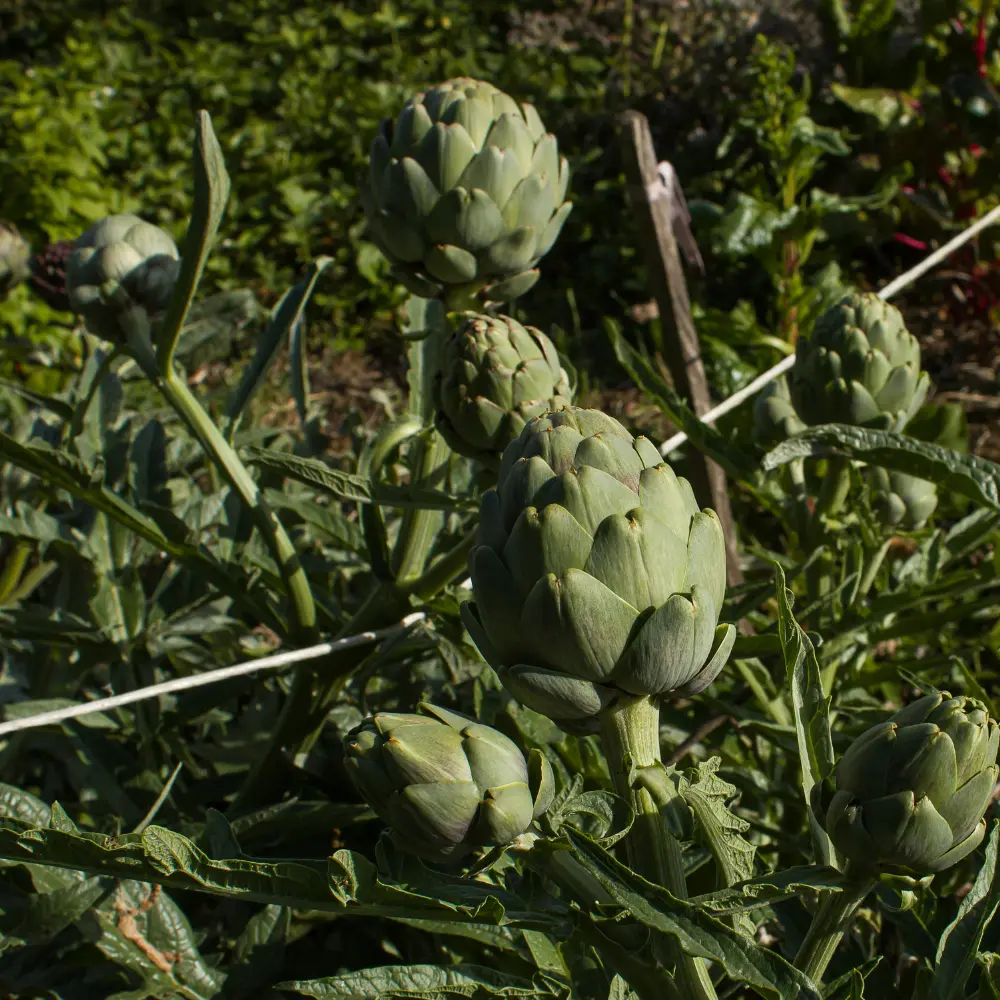
Artichokes
Key Challenges for Leafy and Fruit Vegetables
Optimize water use
Manage Fertilizers Effectively
Control of agricultural inputs
Preventing climatical adverse conditions
Reduce the risk of pests and diseases
Optimizing post-harvest quality
How VEGGA Helps Leafy Vegetables and Fruit
– Manages fertigation precisely by programming and monitoring the irrigation system.
– Balances water supply with irrigation pulses based on crop needs and the crop’s growth stage.
– Access irrigation reports and historical data, including audits, to validate decisions and improve water use efficiency.
– Learn how water behaves in the soil to better plan for irrigation needs and optimize water use.
– Monitors weather conditions in real time to determine irrigation, fertigation, planting, and the activation of protective systems (vents, micro-sprinklers, drainage, mixing of waters) based on climatical risks.
– Predict the water requirements of your vegetable crop to improve yield stability, uniform ripening, and overall yields.
– Assesses pest and disease risks and enables the efficient application of phytosanitary treatments.
– Reduces the use of chemicals and ensures healthier, more productive crops, improving quality and yield, especially in processing tomatoes and sensitive vegetables.
Benefits of managing leafy vegetables and fruit crops with VEGGA
Improved performance and product quality
Specific quality requirements by vegetable type
Post-harvest quality and shelf life
Intraplot uniformity and harvest planning
Stress and Climate Risk Control
Integrated water and nutrient management
Operating Profitability
Common pests and diseases of leafy and fruit vegetables
Tomato
Recommended hardware
Soil water potential sensor
Irrigation meter
Pressure transducer
Solutions for all crops
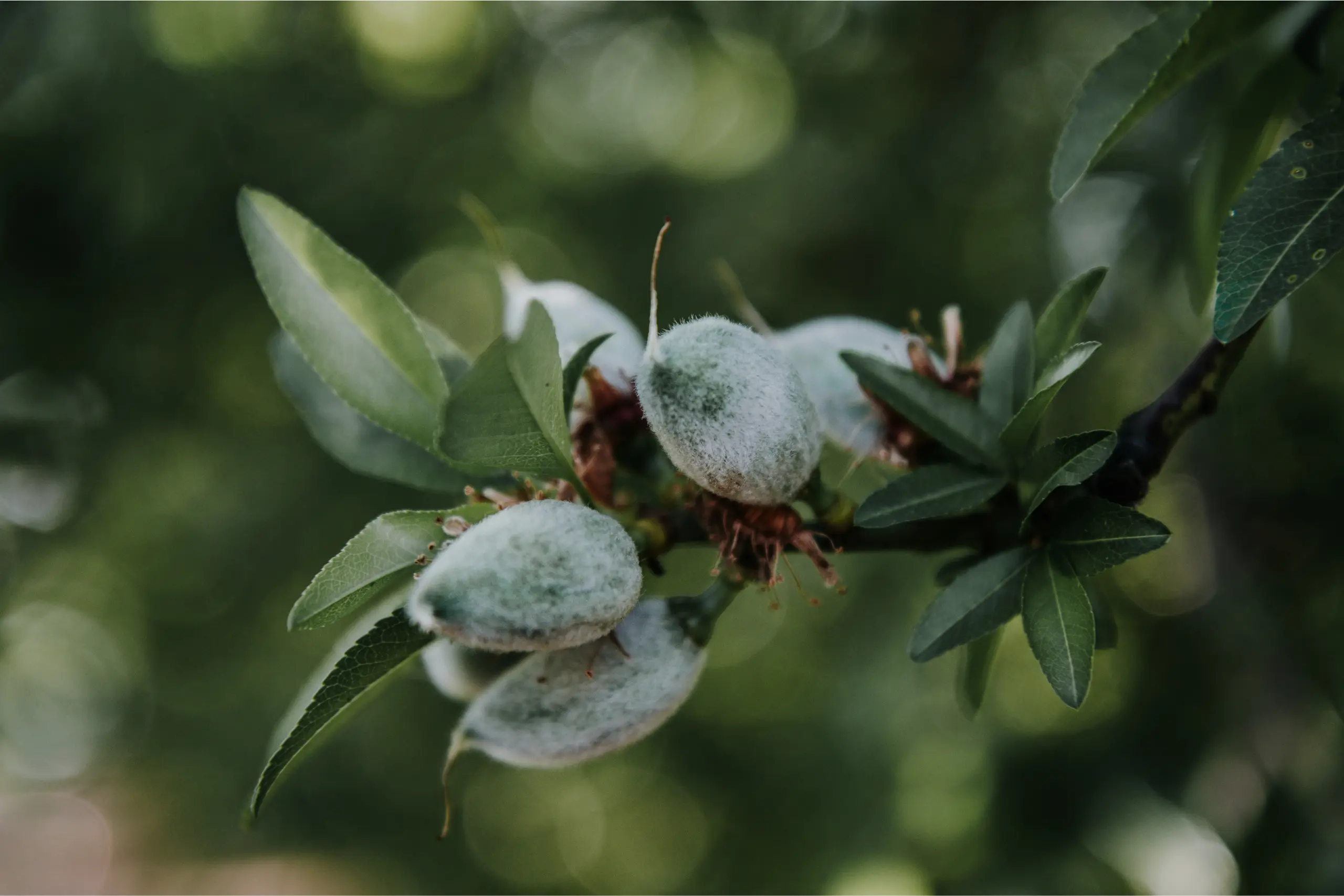
Nuts
Featured Crops
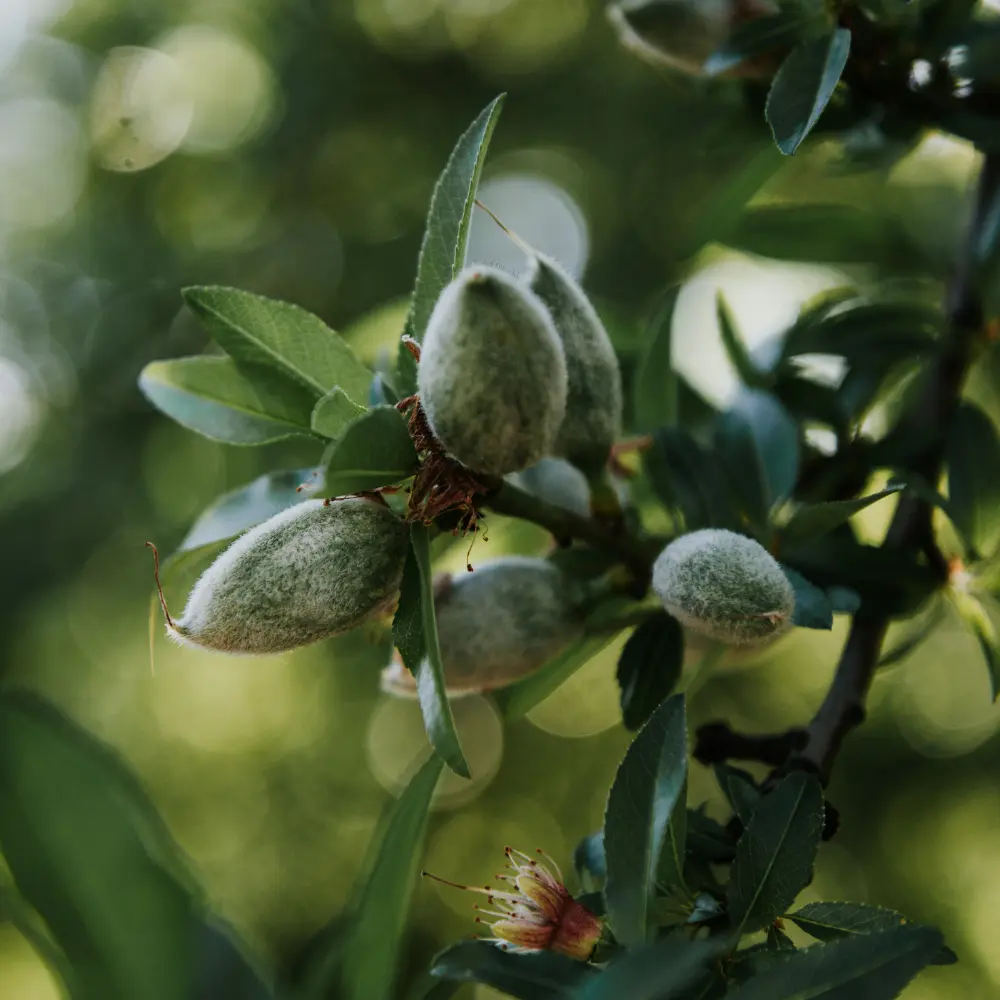
Almond tree
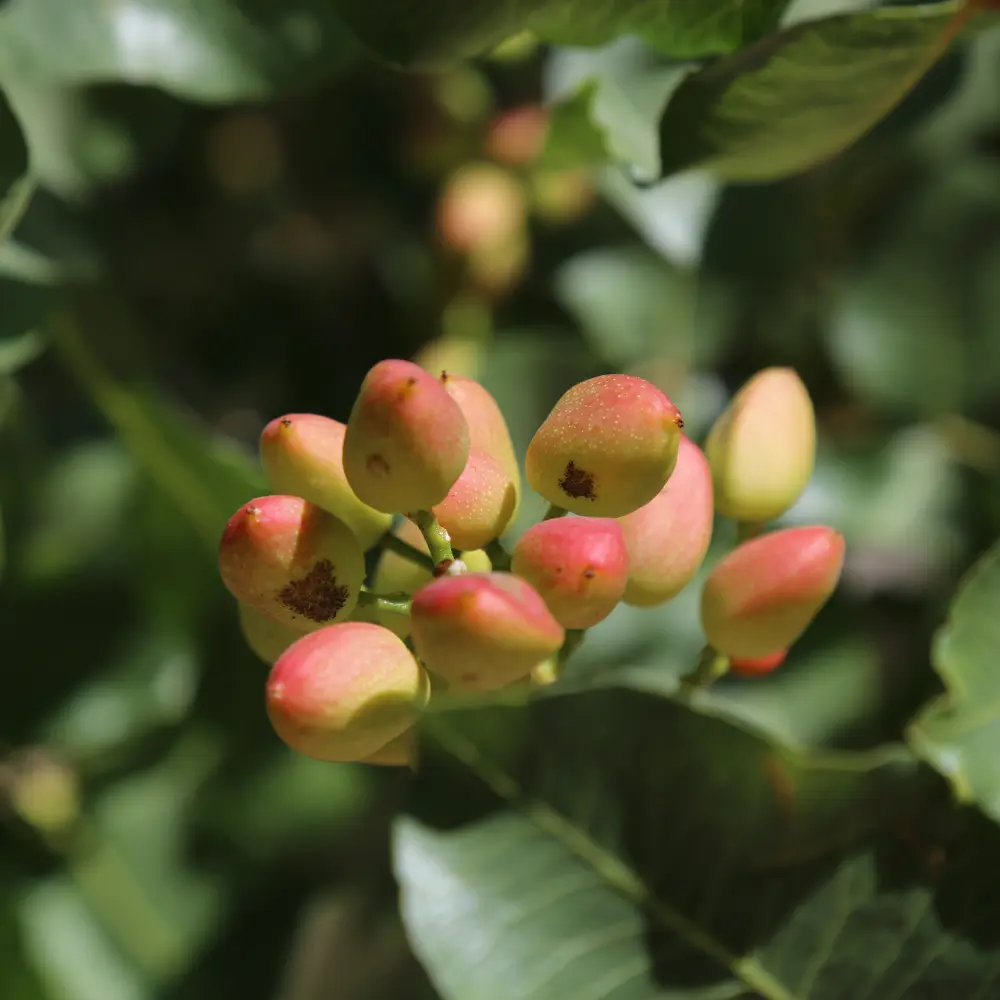
Pistachio
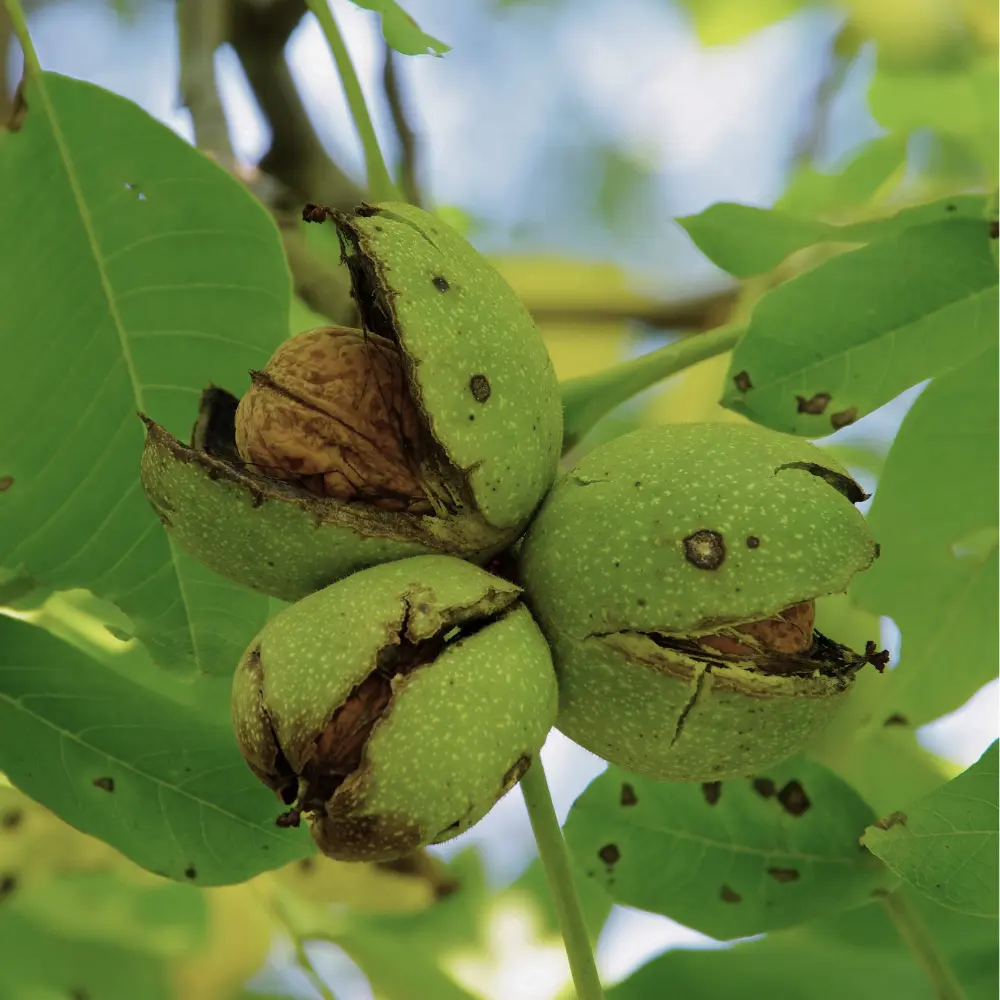
Walnut
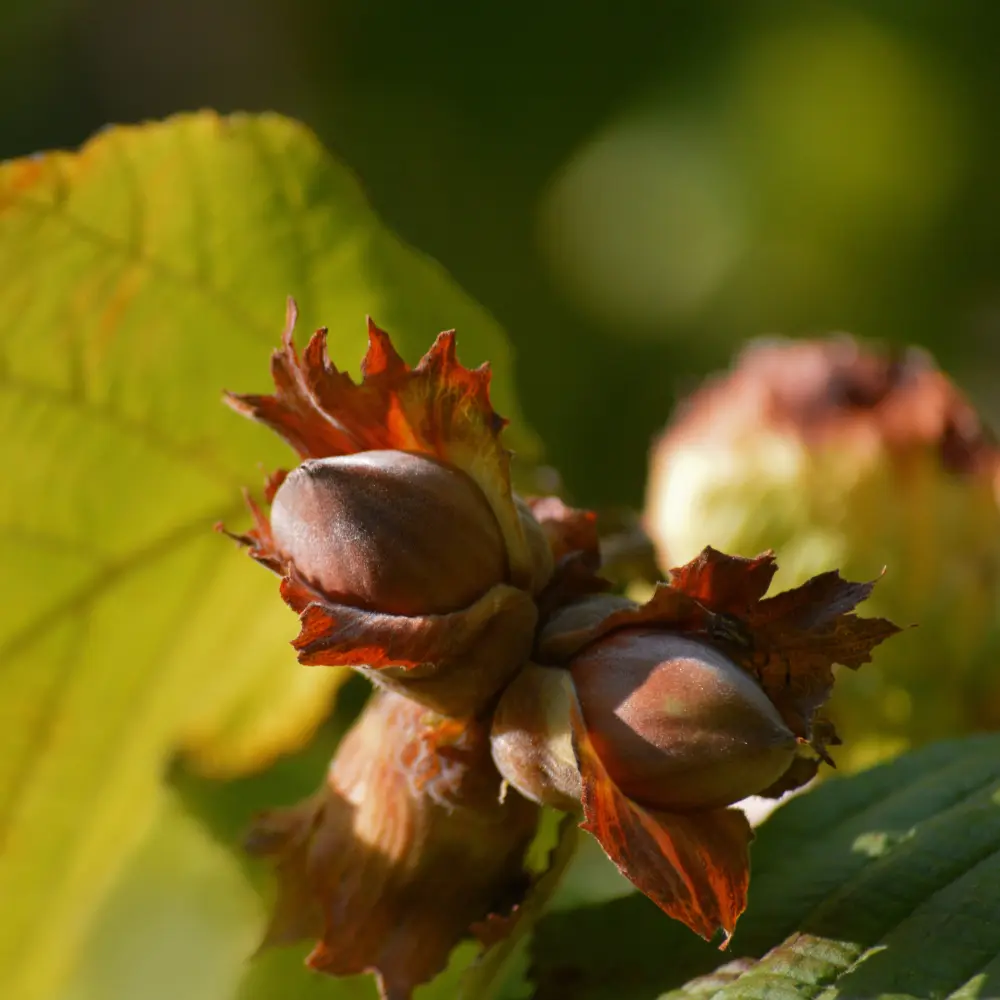
Hazelnut
Key Challenges Facing the Nut Industry
Optimize water use
Manage Fertilizers Effectively
Control of agricultural inputs
Anticipating climatical risks
How VEGGA Helps with Nuts
– Manages fertigation precisely by programming and monitoring the irrigation system.
– It allows for the adjustment of water supply through irrigation pulses based on crop needs and the phenological stage.
– Access irrigation reports and historical data, along with audits that support decision-making and improve efficiency.
– Understand how water and nutrients behave in the soil so you can make informed decisions about irrigation and fertilization.
– Monitors climatical conditions in real time, allowing you to anticipate frost or other adverse conditions and optimize treatments.
– Predict the water requirements of your nut crop to improve yield stability, fruit size, and fruit filling.
– Optimizes the use of water and fertilizers, improves fertilizer order management, and allows for bulk scheduling of irrigation units.
Benefits of managing nuts with VEGGA
Higher productivity and fruit quality
Optimization of nutritional parameters
Intraplot uniformity and harvest planning
Stress and Climate Risk Control
Integrated water and nutrient management
Operating Profitability
Recommended hardware
Soil water potential sensor
Irrigation meter
Soil Moisture and EC Sensor
Pressure transducer
Solutions for all crops
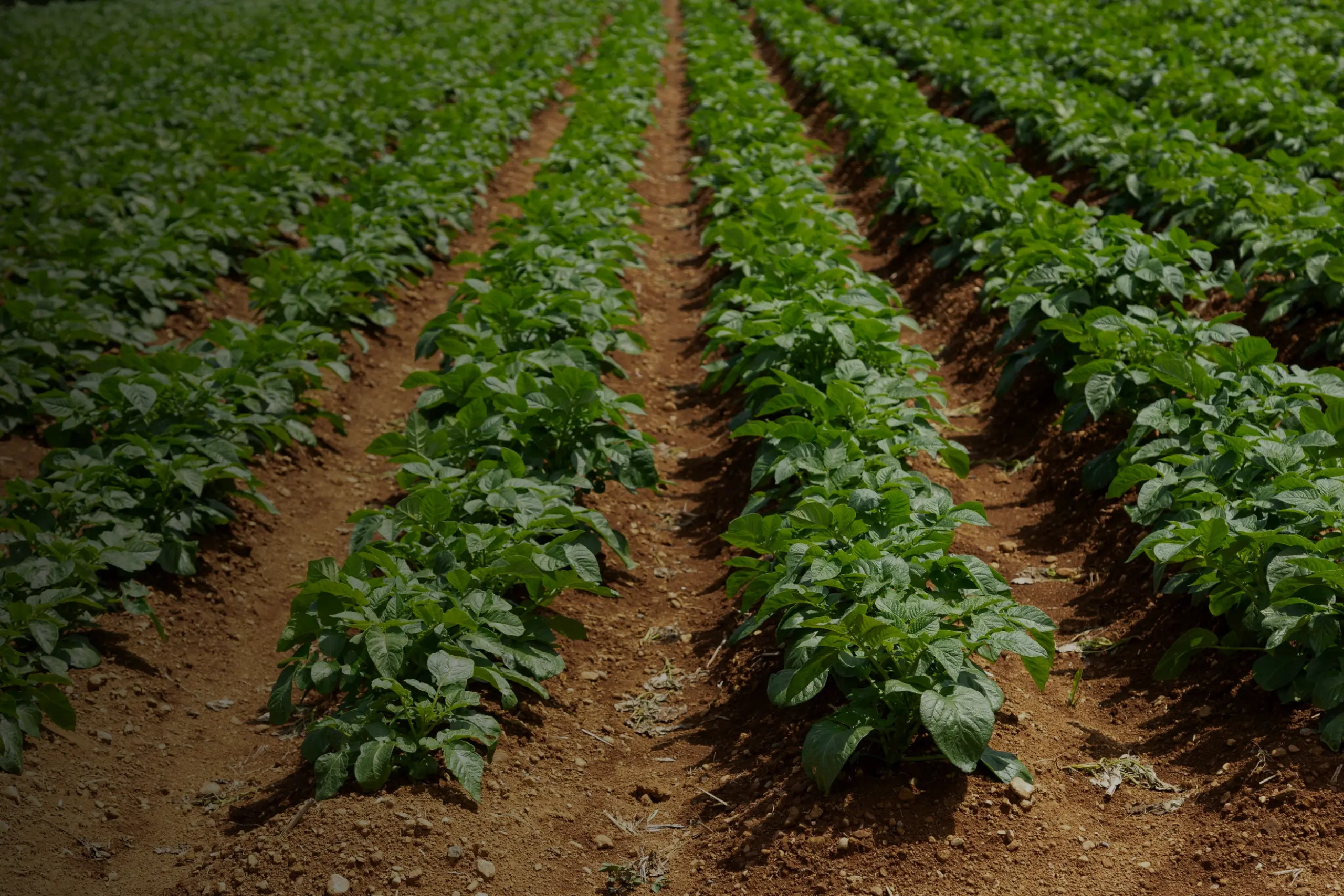
Root vegetables, tubers, and bulbs
Featured Crops
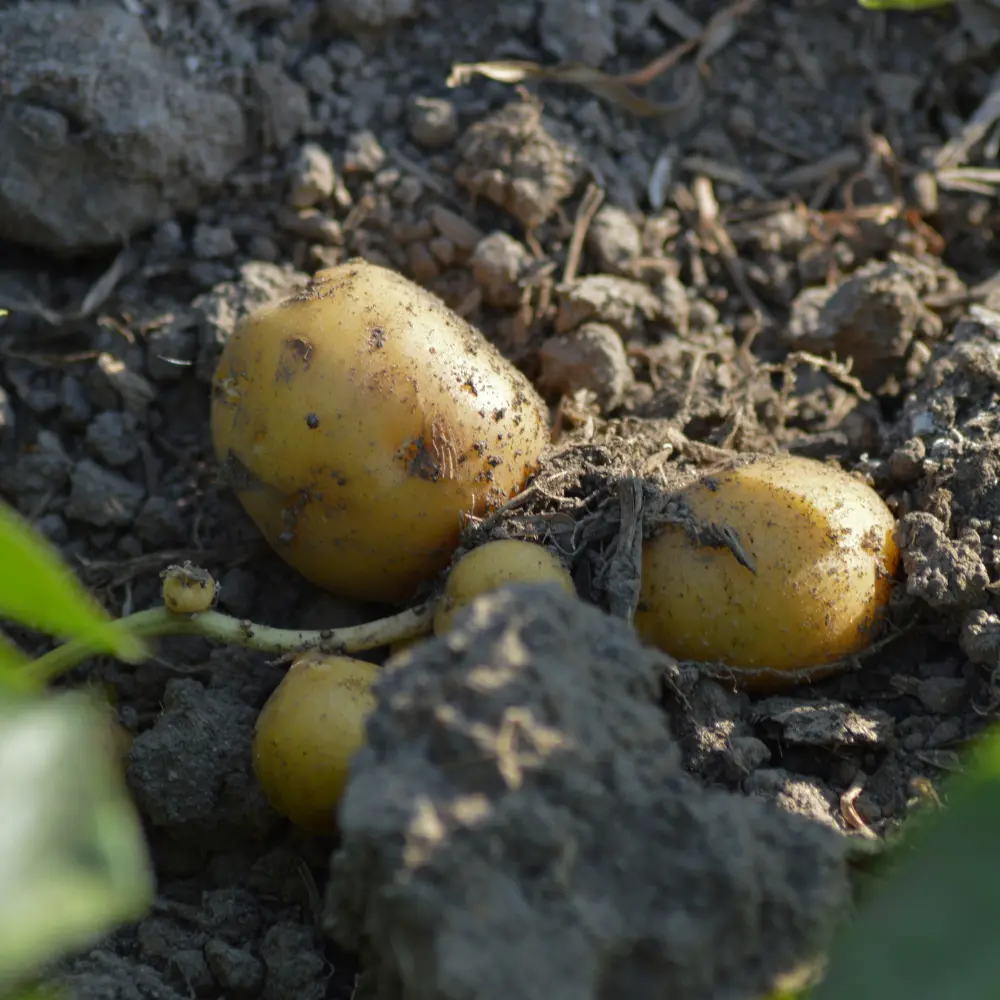
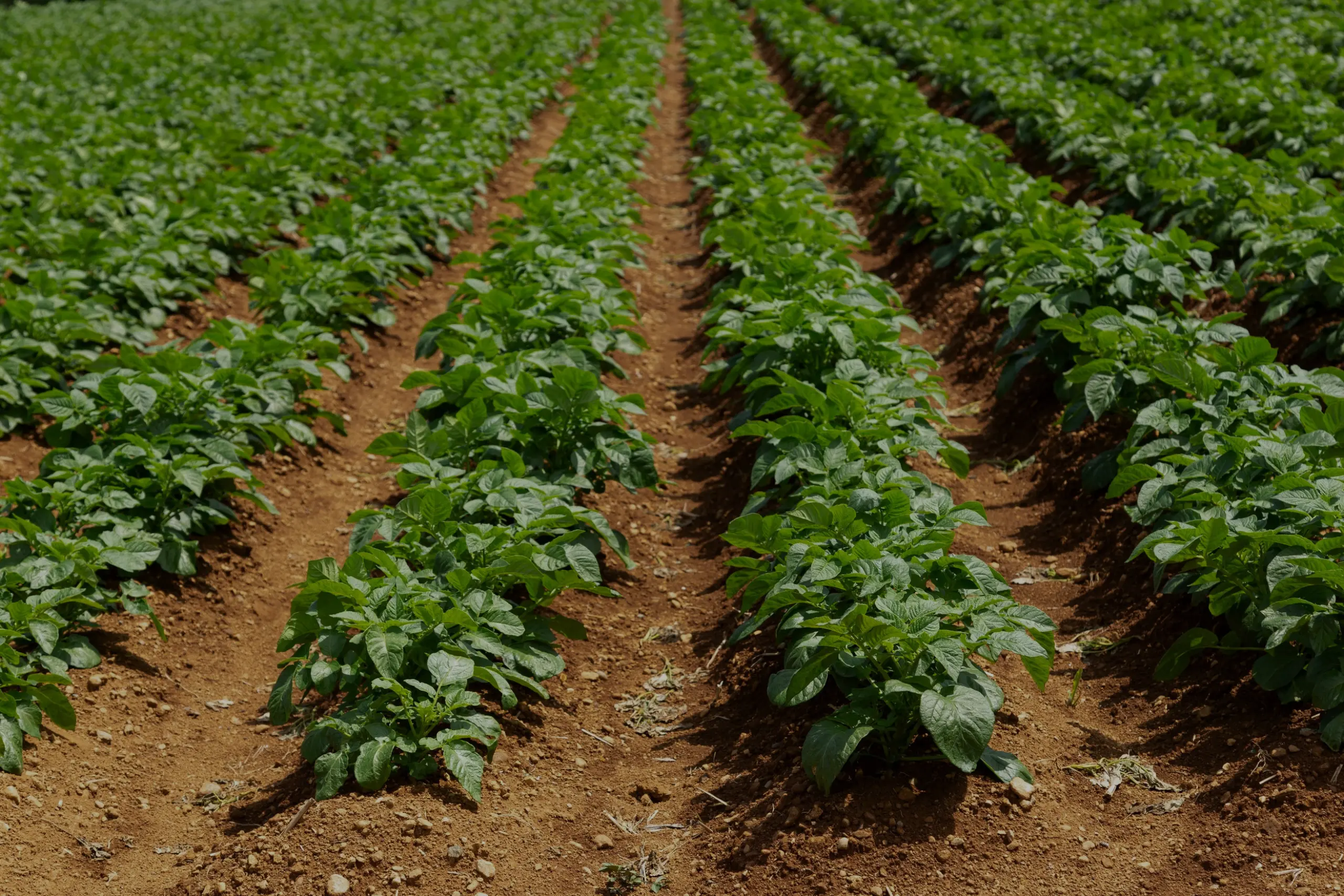
Potato
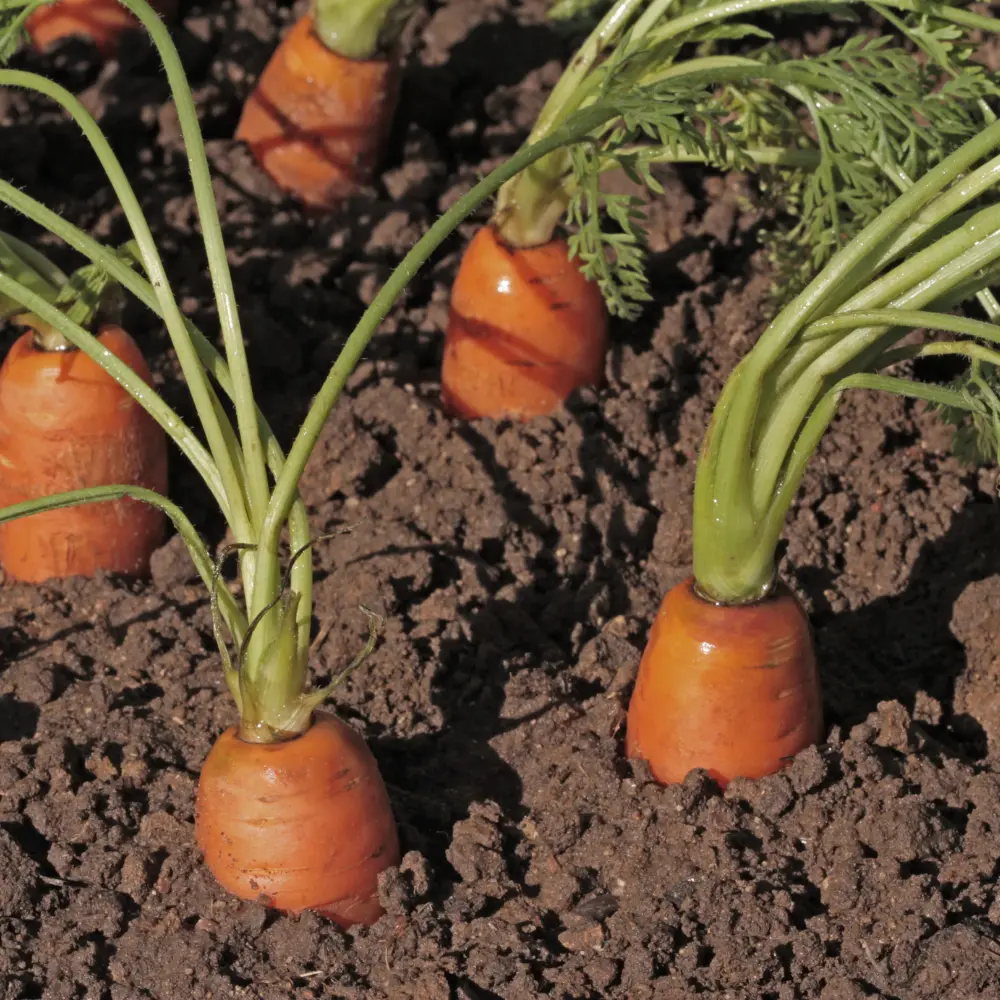
Carrot
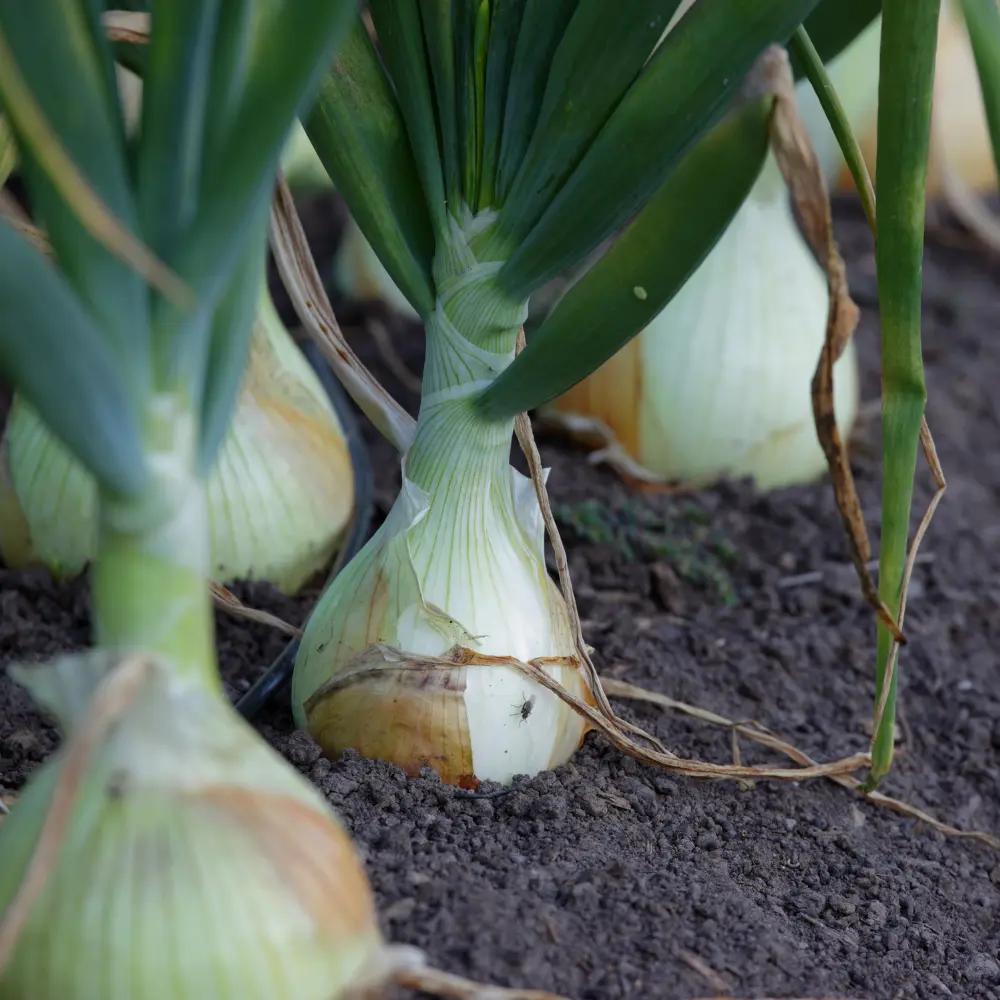
Onion
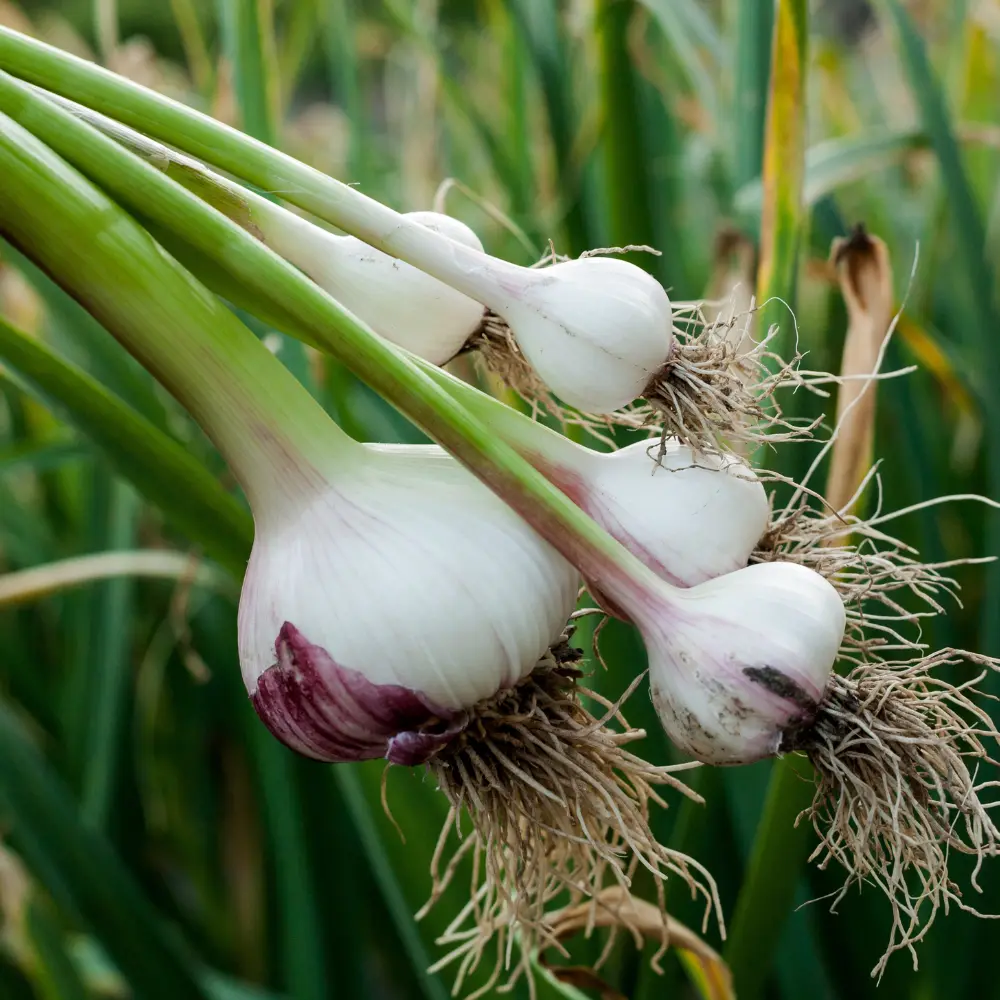
Garlic
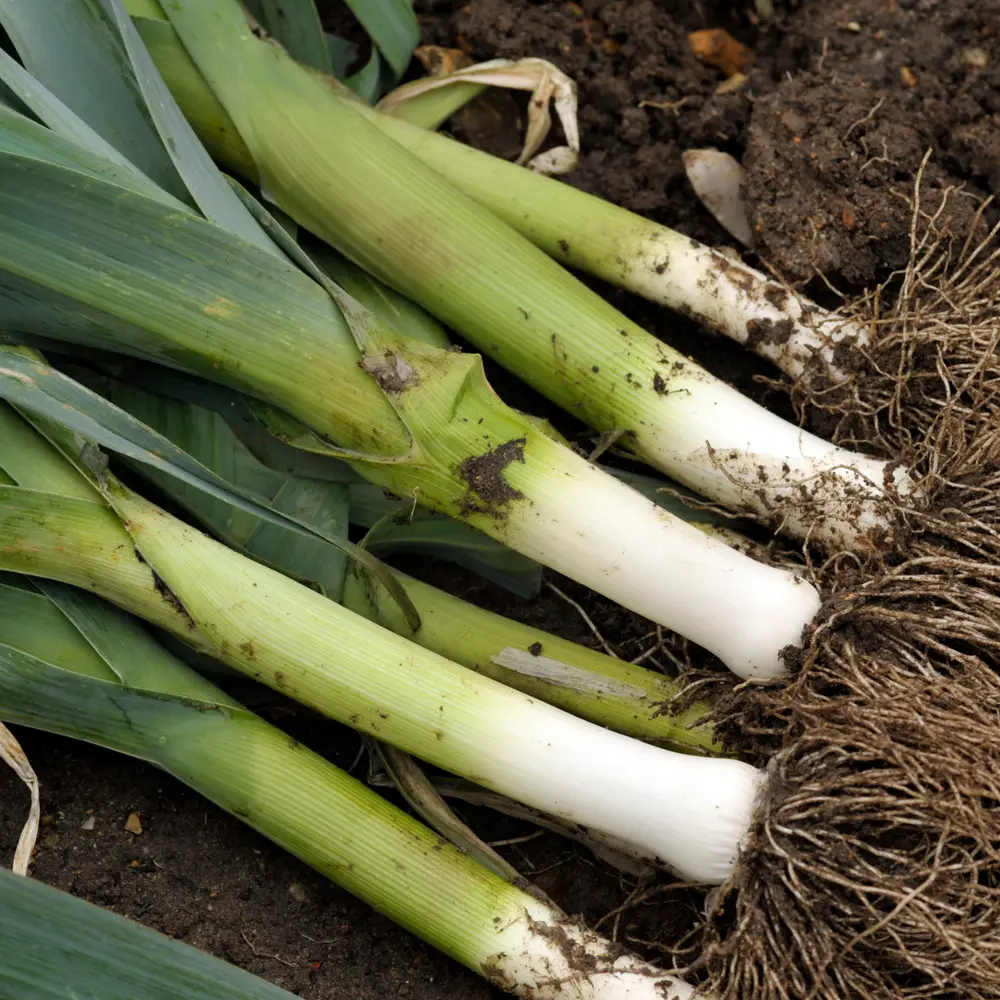
Leek
Key Challenges for Root, Tuber, and Bulb Vegetables
Optimize water use
Manage Fertilizers Effectively
Control of agricultural inputs
Preparing for Adverse Climatical Conditions
Preventing Pests and Diseases
How VEGGA Helps Root Vegetables, Tubers, and Bulbs
– Manages fertigation precisely by programming and monitoring the irrigation system.
– It allows for the adjustment of water supply through irrigation pulses based on crop needs and the phenological stage.
– Access irrigation reports and historical data, including audits, to validate decisions and improve efficiency.
– Understand how water and nutrients behave in the soil to plan for irrigation and fertilization needs.
– Monitors climatical conditions in real time, optimizing irrigation, treatments, and planting.
– Predict the water needs of your root and bulb vegetable crops to improve yields and fruit size.
– Anticipates and assesses the risk of pests and diseases, enabling the efficient application of plant protection treatments.
– Reduces the use of chemicals and ensures healthier, more productive crops, especially potatoes and onions.
Benefits of managing root vegetables, tubers, and bulbs with VEGGA
Greater consistency and product quality
Optimization of nutritional parameters
Improving postharvest quality
Intraplot uniformity and mechanized harvesting
Stress and Climate Risk Control
Integrated water and nutrient management
Operating Profitability
Possible pests and diseases affecting roots, tubers, and bulbs
Onion
Potato
Compatible hardware
Soil water potential sensor
Irrigation meter
Pressure transducer
Solutions for all crops
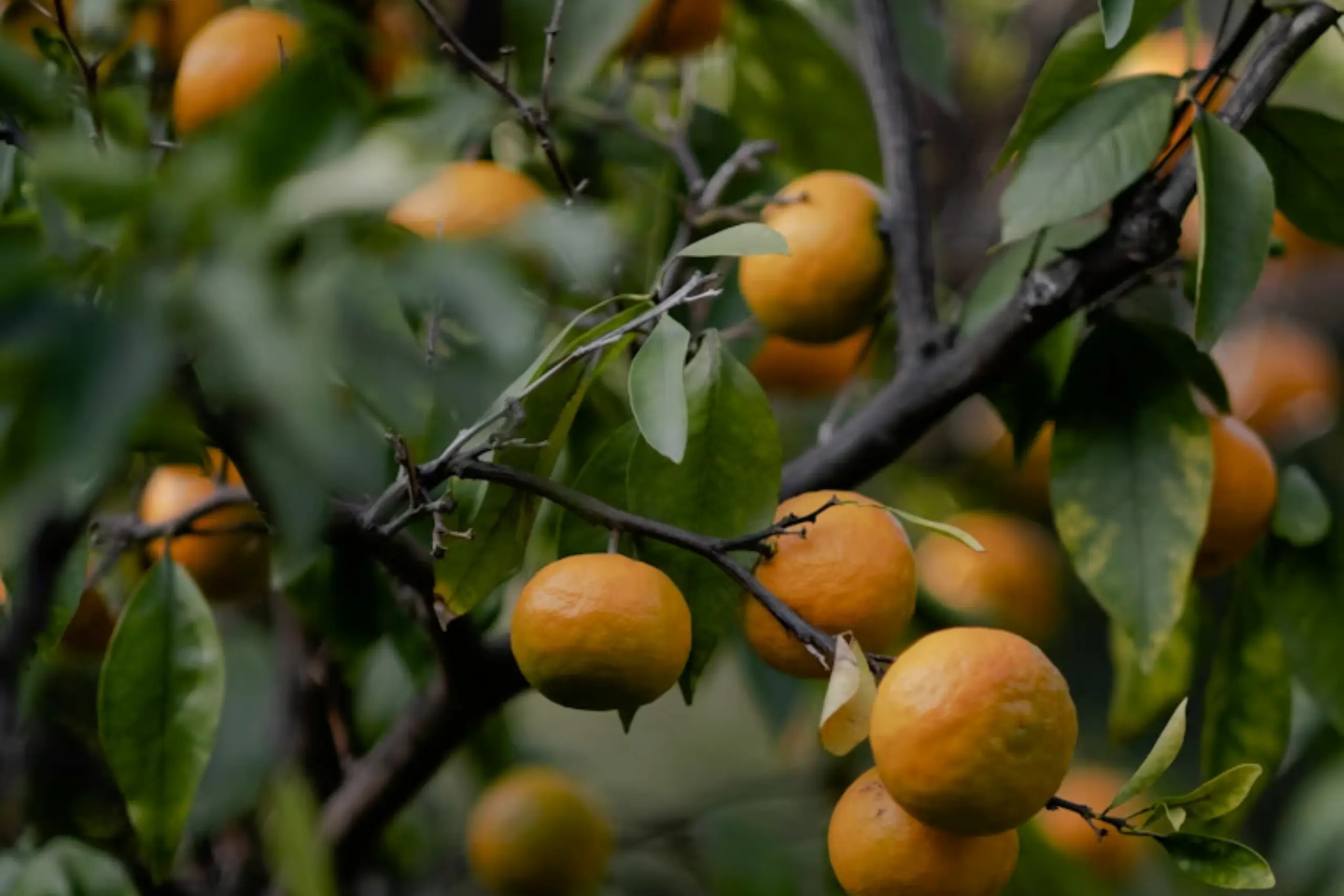
Citrus trees
Featured Crops
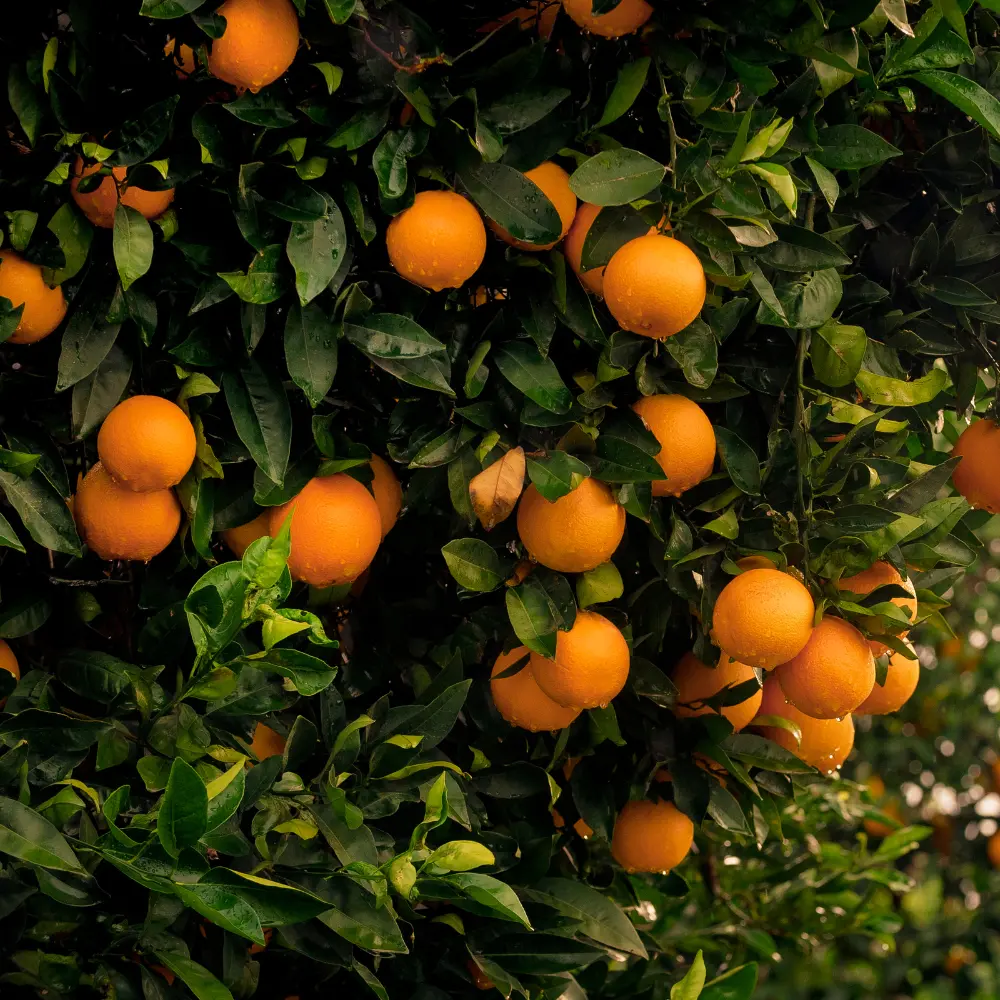
Naranjo
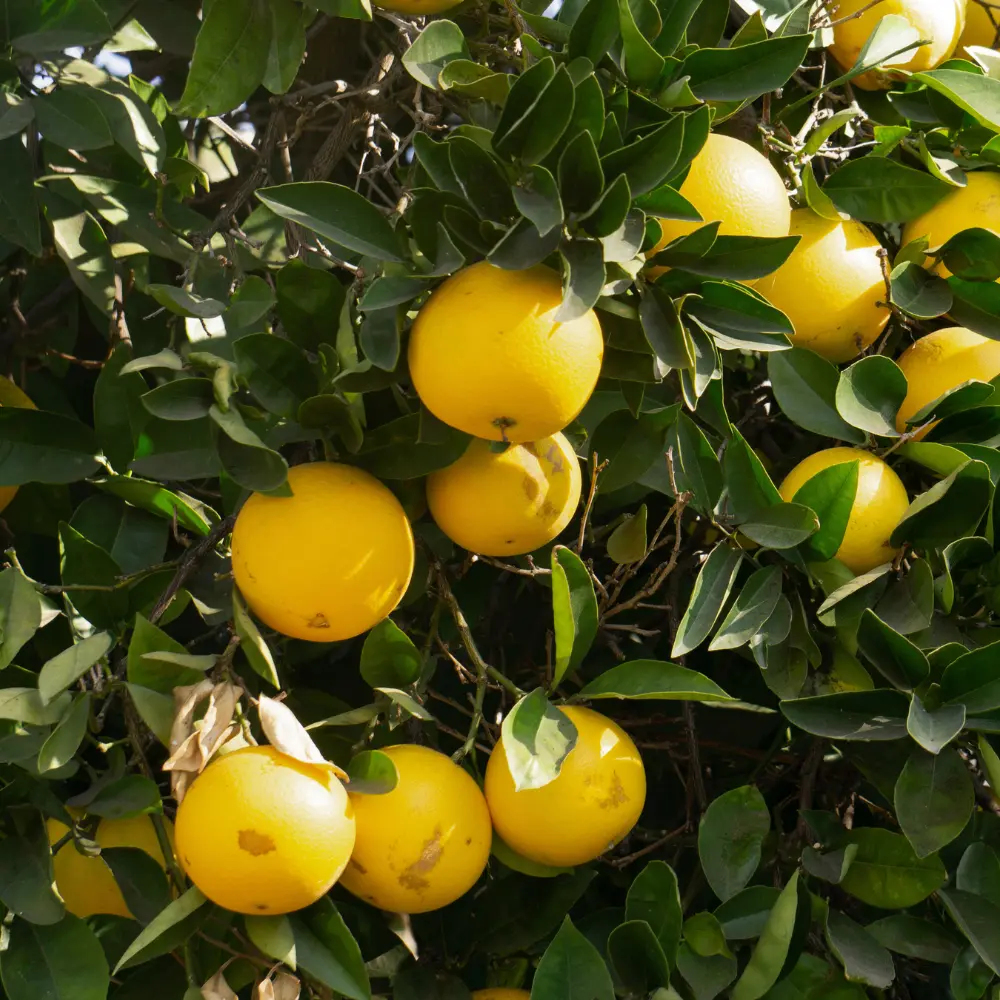
Lemon tree
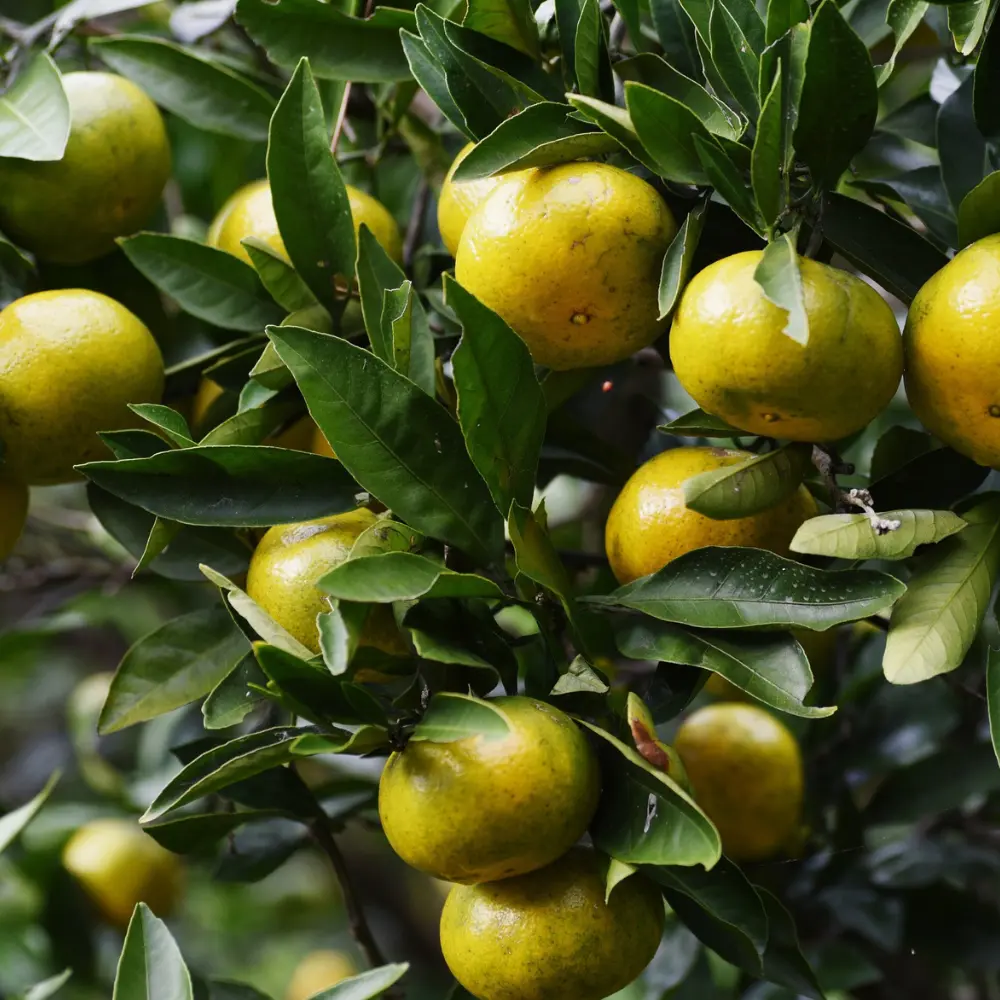
Mandarin
Major Challenges Facing Citrus Trees
Optimize water use
Manage Fertilizers Effectively
Control of agricultural inputs
Preparing for Adverse Climatical Conditions
How VEGGA Helps Citrus Trees
– Manages fertigation precisely by programming and monitoring the irrigation system.
– Access irrigation reports and historical data, including audits, to validate decisions and improve water use efficiency.
– Understand how water and nutrients behave in the soil to plan irrigation and optimize fertigation.
– Monitors weather conditions in real time to make decisions about irrigation, treatments, and fertilization.
– Predict the water needs of your citrus crop to improve yields and fruit size.
– Optimizes the use of water and fertilizers, manages fertilizer orders, and allows for the bulk scheduling of irrigation units to improve efficiency.
Benefits of managing citrus orchards with VEGGA
Fruit yield and size
Organoleptic quality and ripeness
Intraplot uniformity and harvest planning
Stress and Climate Control
Integrated water and nutrient management
Operating Profitability
Recommended hardware
Soil water potential sensor
Irrigation meter
Soil Moisture and EC Sensor
Pressure transducer
Solutions for all crops
Stone and pome fruits
Featured Crops
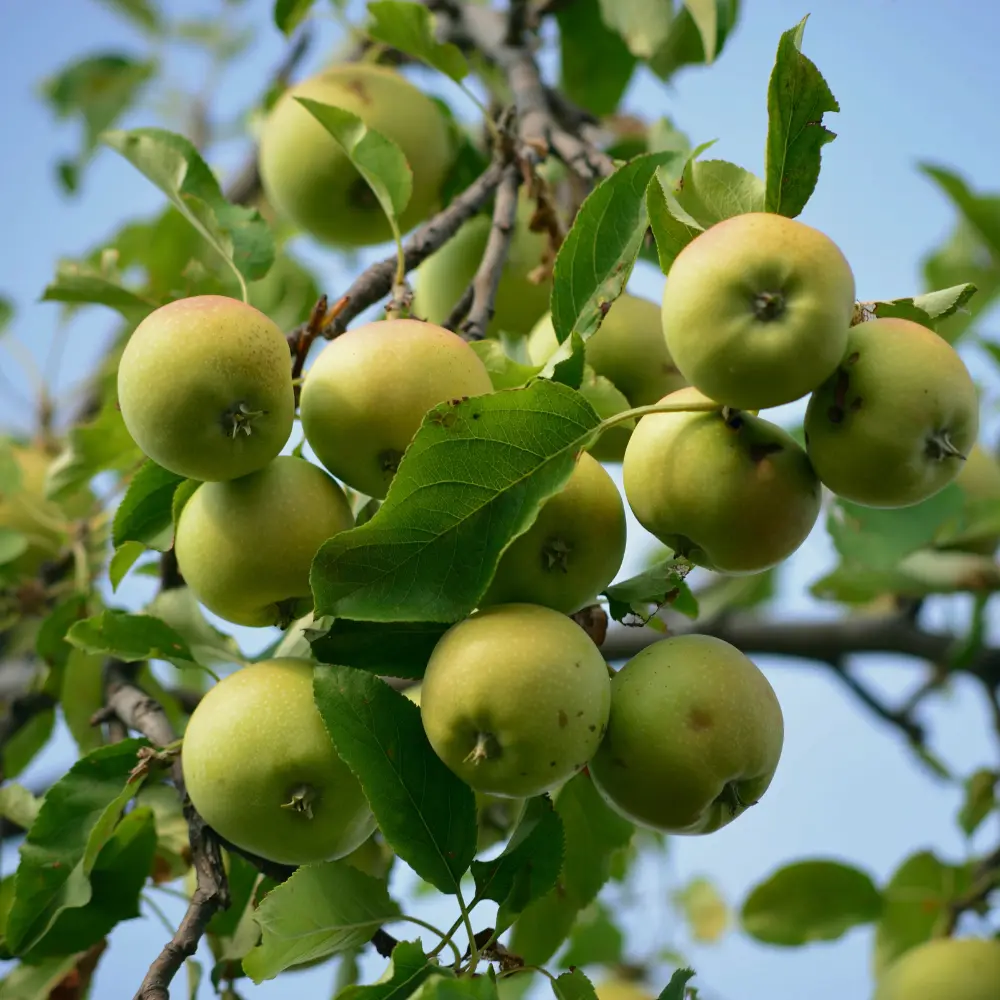
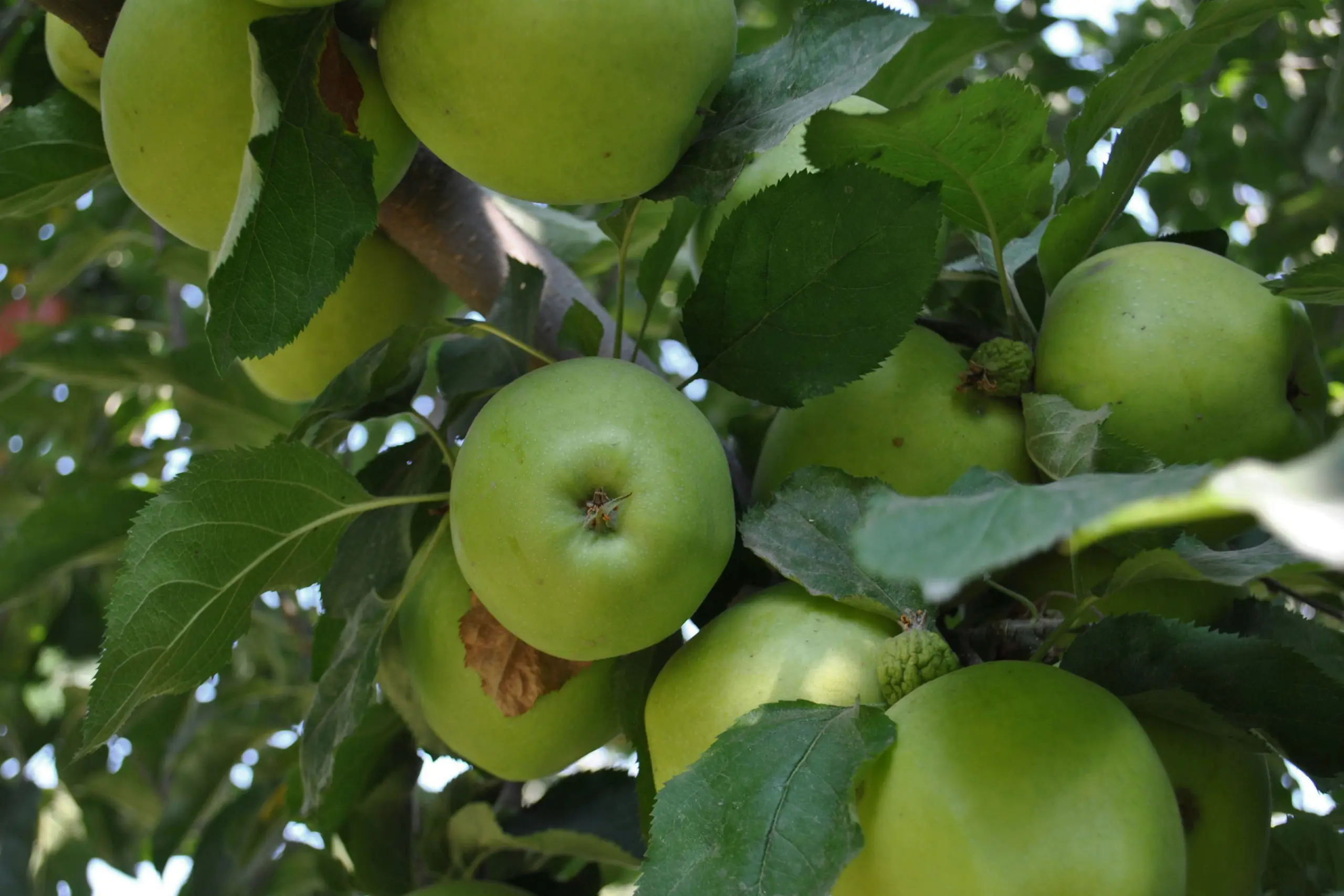
Manzano
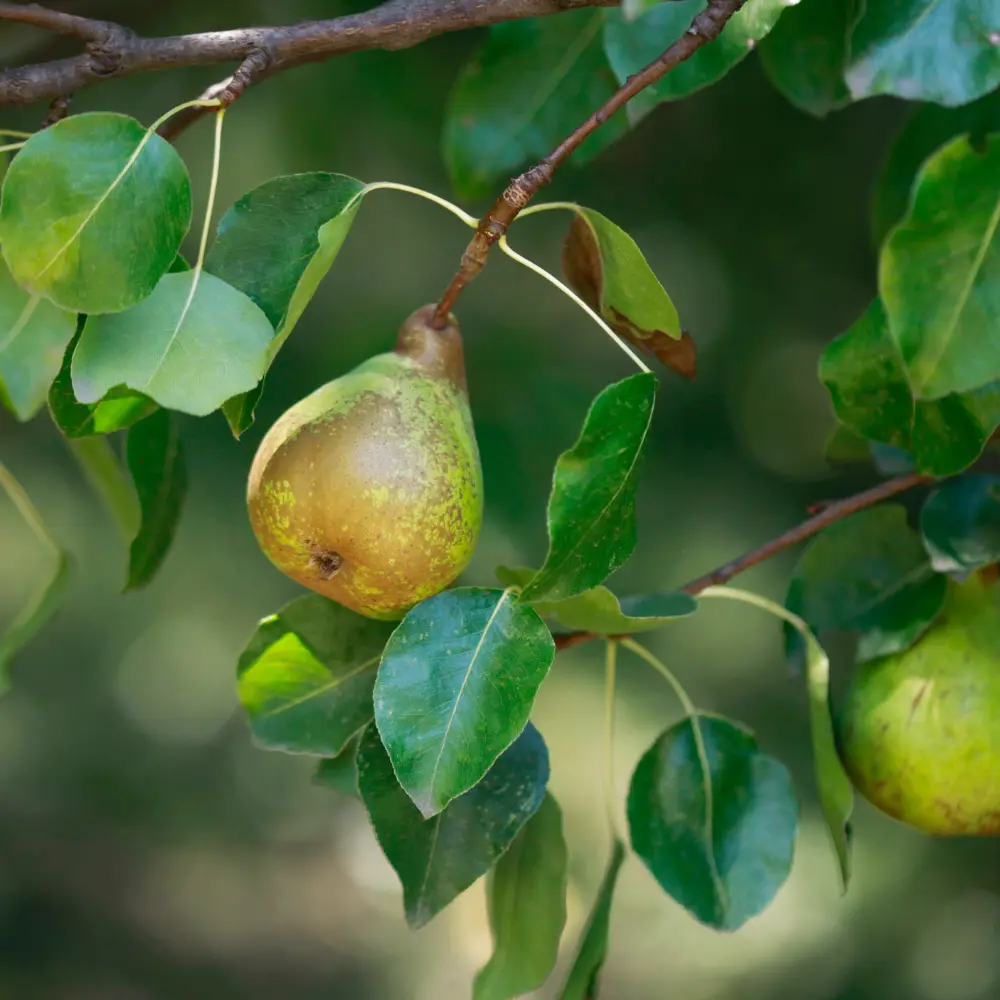
Pear tree
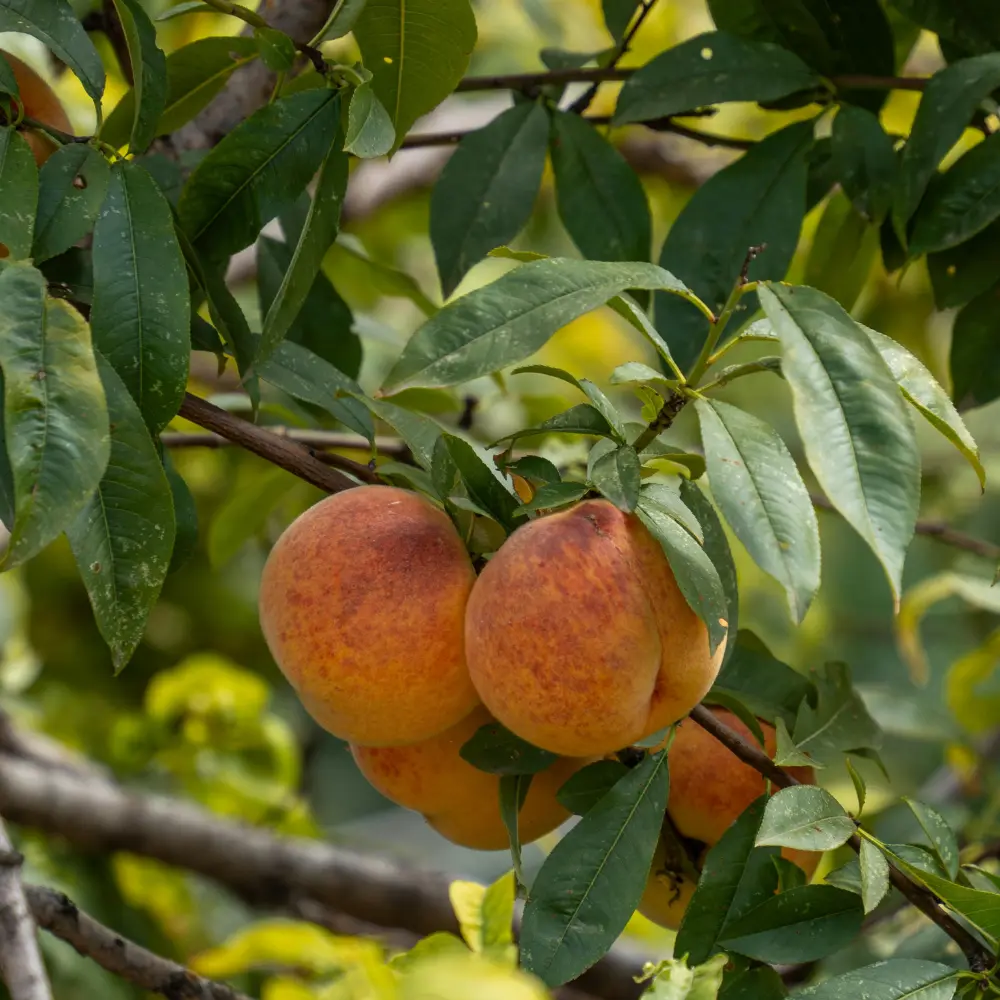
Peach tree
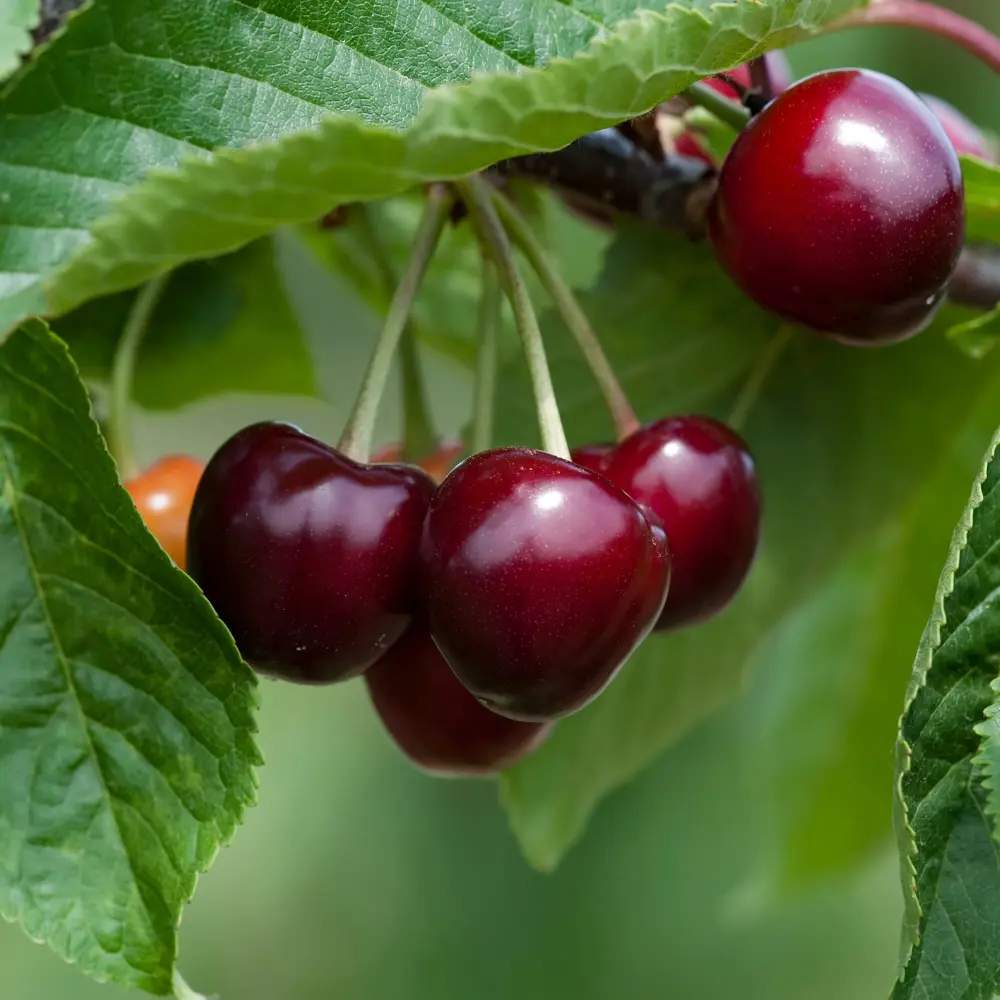
Cherry tree
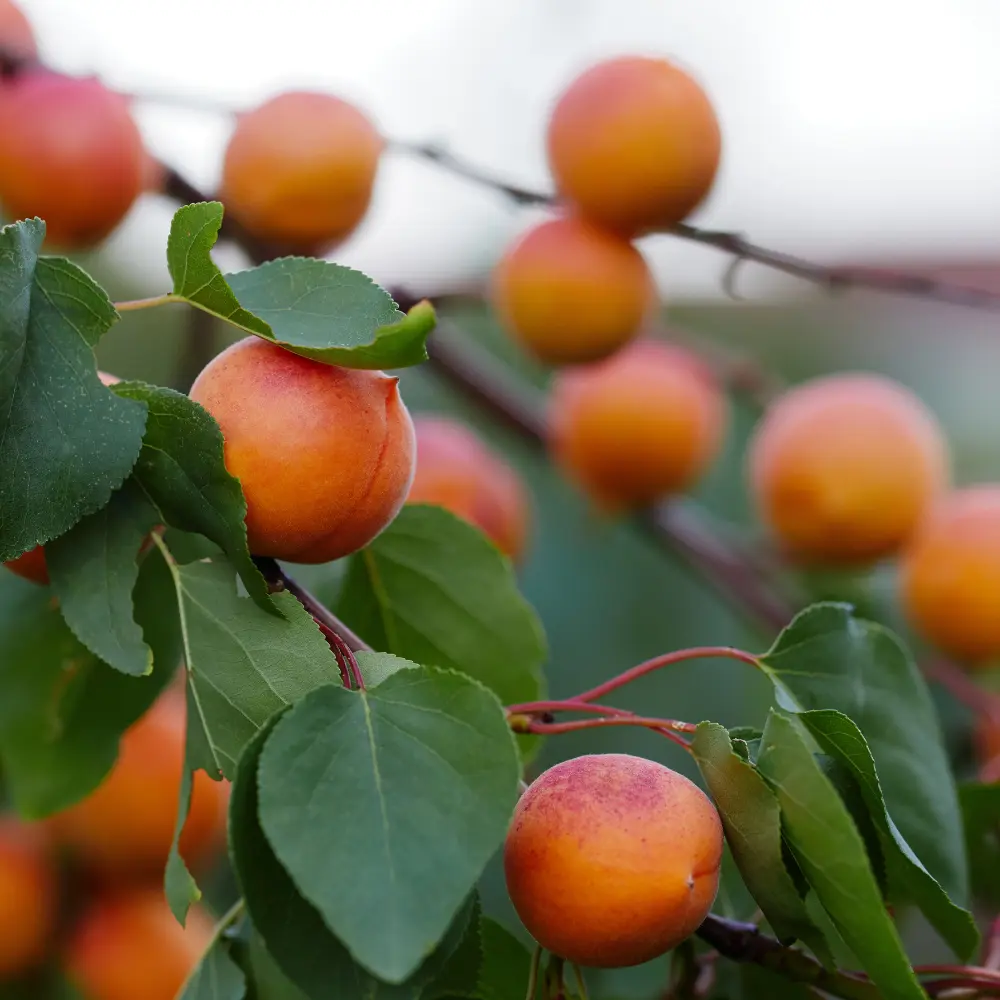
Apricot tree
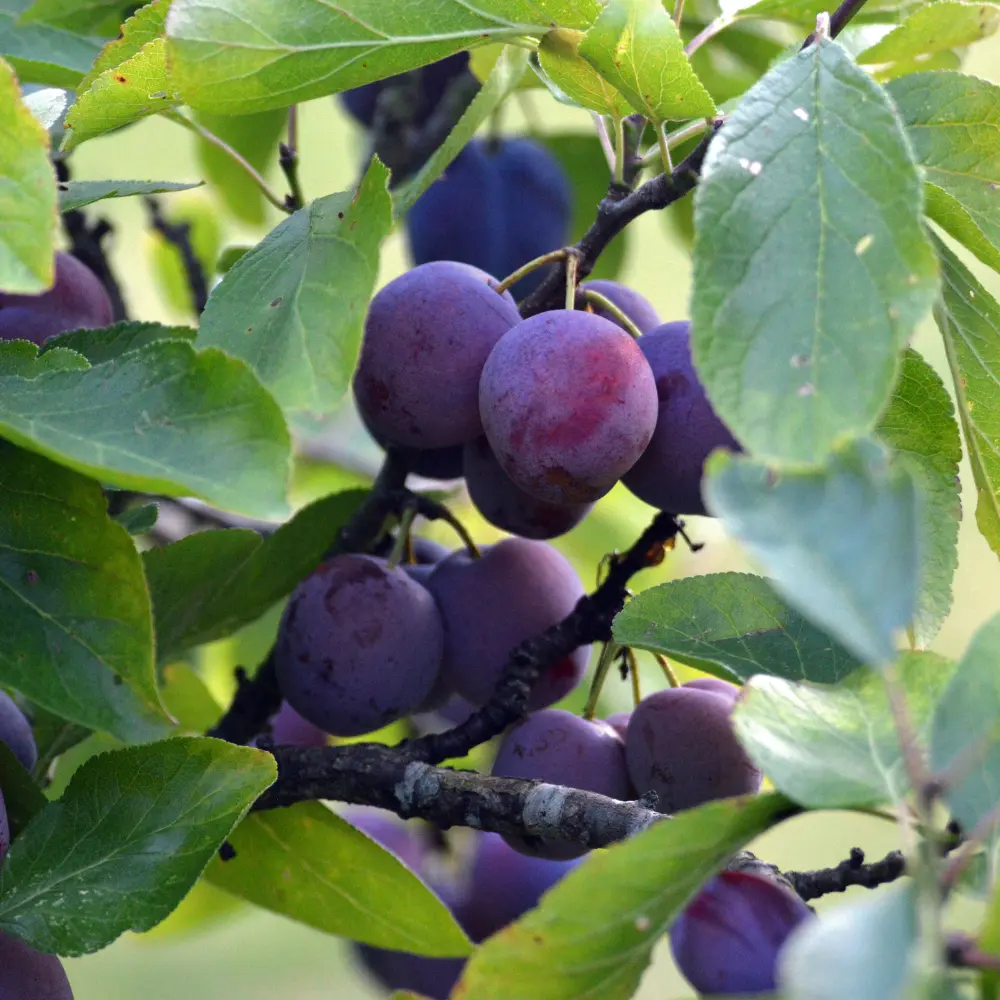
Plum tree
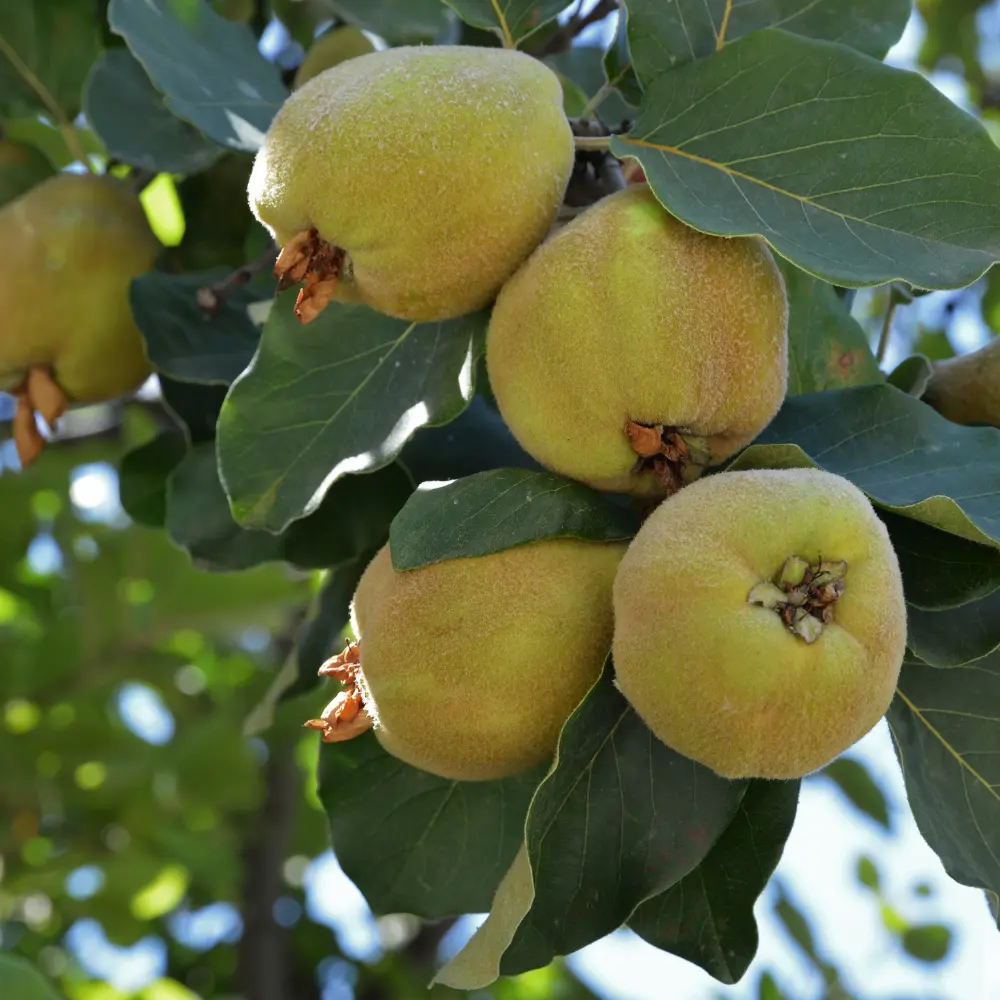
Quince paste
Key Challenges Facing Stone and Pome Fruit Trees
Optimize water use
Manage Fertilizers Effectively
Control of agricultural inputs
Preparing for Adverse Climatical Conditions
How VEGGA Helps Stone and Pome Fruit Trees
– Manages fertigation precisely by programming and monitoring the irrigation system.
– Access irrigation reports and historical data, including audits, to validate decisions and improve water use efficiency.
– Understand how water and nutrients behave in the soil to plan irrigation and optimize fertigation.
– Monitors climatical conditions in real time, supporting decisions regarding irrigation, treatments, and frost protection.
– Predict the water needs of your fruit trees to improve yields and fruit size.
– Optimizes the use of water and fertilizers, manages fertilizer orders, and allows for the bulk scheduling of irrigation units to improve efficiency.
Benefits of managing stone and pome fruit trees with VEGGA
Fruit yield and size
Sensory quality and post-harvest
Intraplot uniformity and harvesting efficiency
Stress and Climate Risk Control
Integrated water and nutrient management
Operating Profitability
Recommended hardware
Soil water potential sensor
Irrigation meter
Soil Moisture and EC Sensor
Pressure transducer
Solutions for all crops
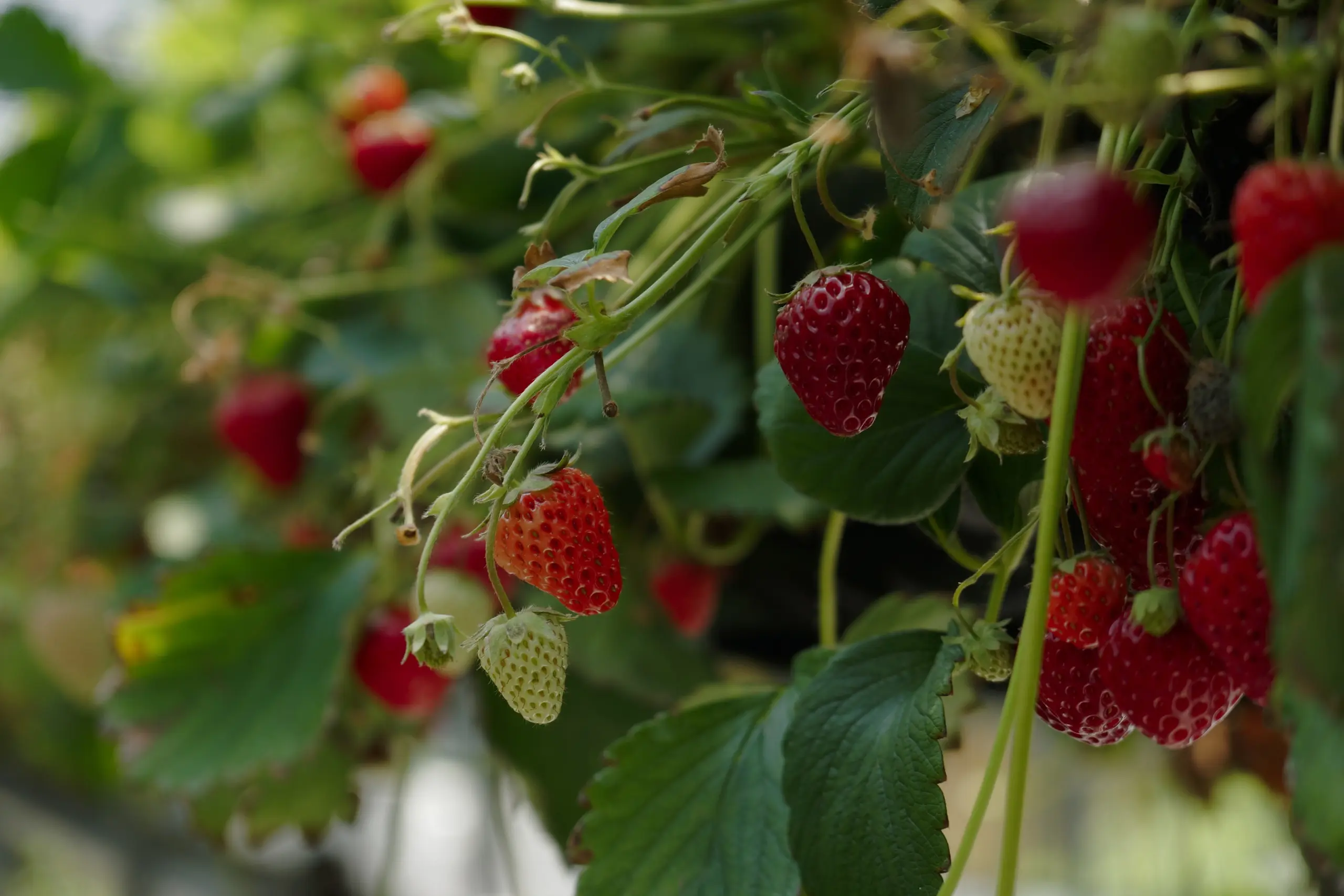
Berries
Featured Crops
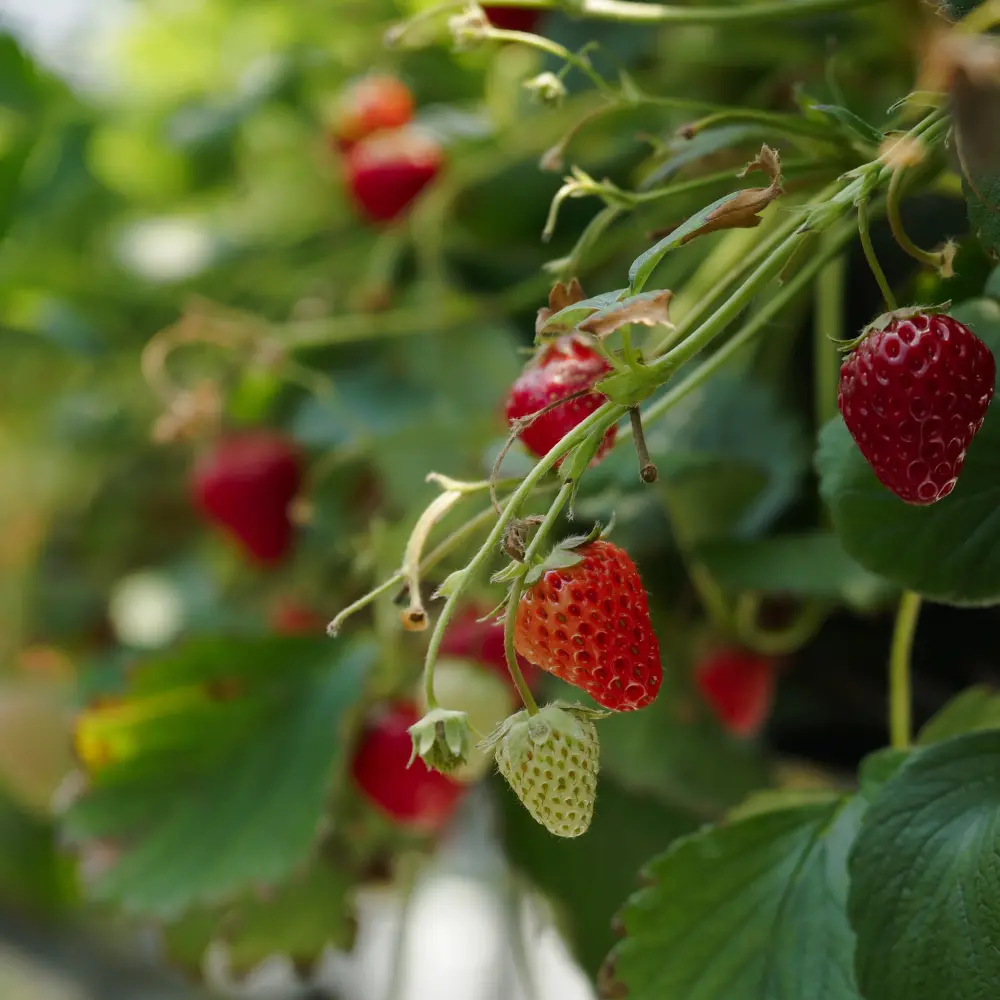
Strawberries
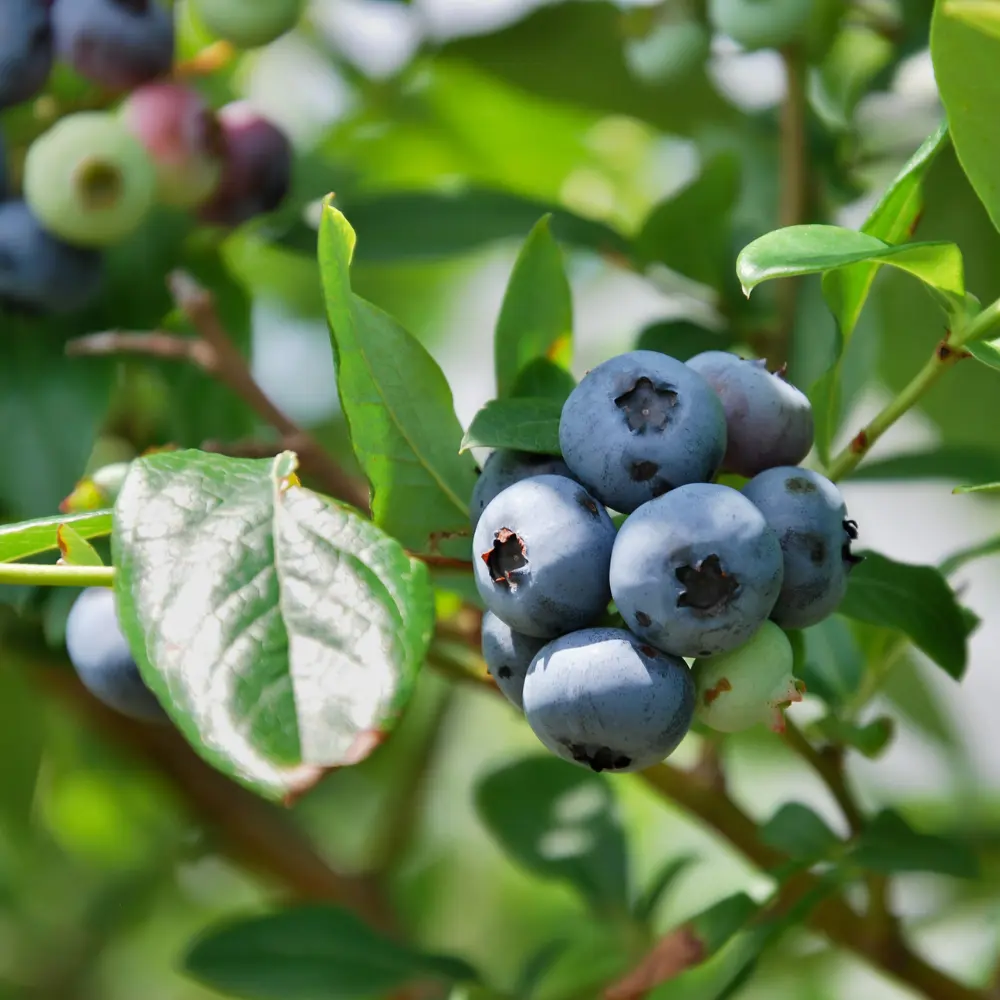
Blueberries
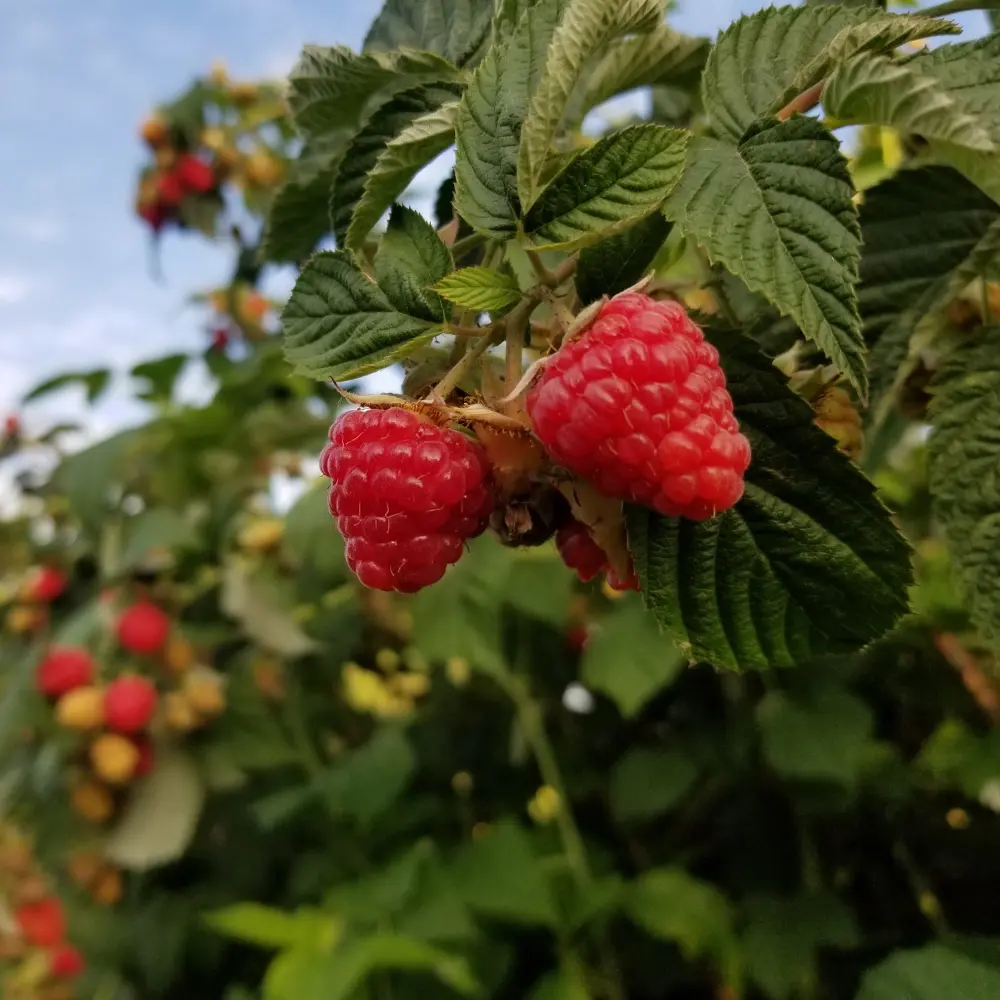
Raspberries
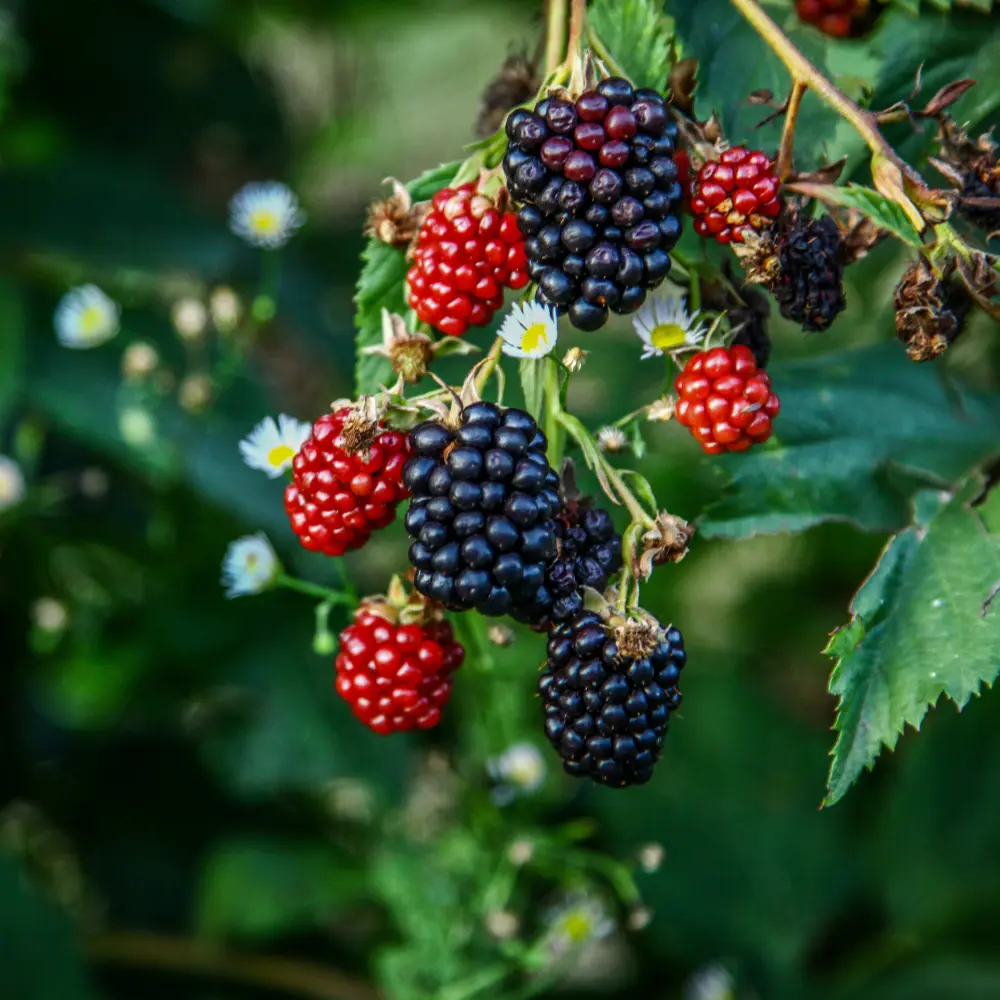
Blackberries
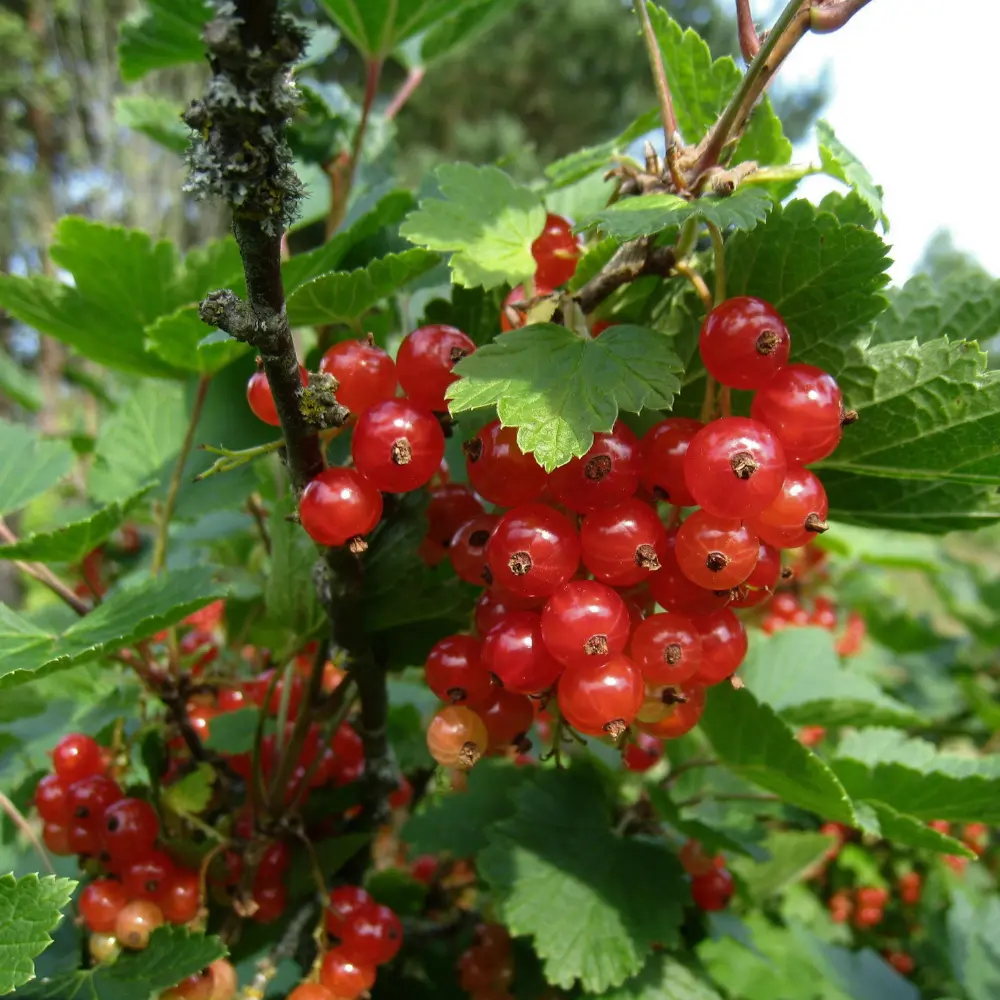
Currants
Key Challenges Facing the Berry Industry
Optimize water use
Manage fertilizers efficiently,
Monitor and control water and substrate parameters
Control of agricultural inputs
Preparing for Adverse Climatical Conditions
How VEGGA Helps with Berries
- Manage fertigation precisely by using programming and monitoring of the irrigation system.
- Access irrigation reports and historical data, along with audits that help validate decisions and improve water use efficiency.
- Understand how water and nutrients behave in the soil to plan irrigation and optimize fertigation.
- Monitor weather conditions in real time to make decisions about irrigation, treatments, and fertilization.
- Predict the water needs of your berry crop to improve yield stability and ensure uniform ripening.