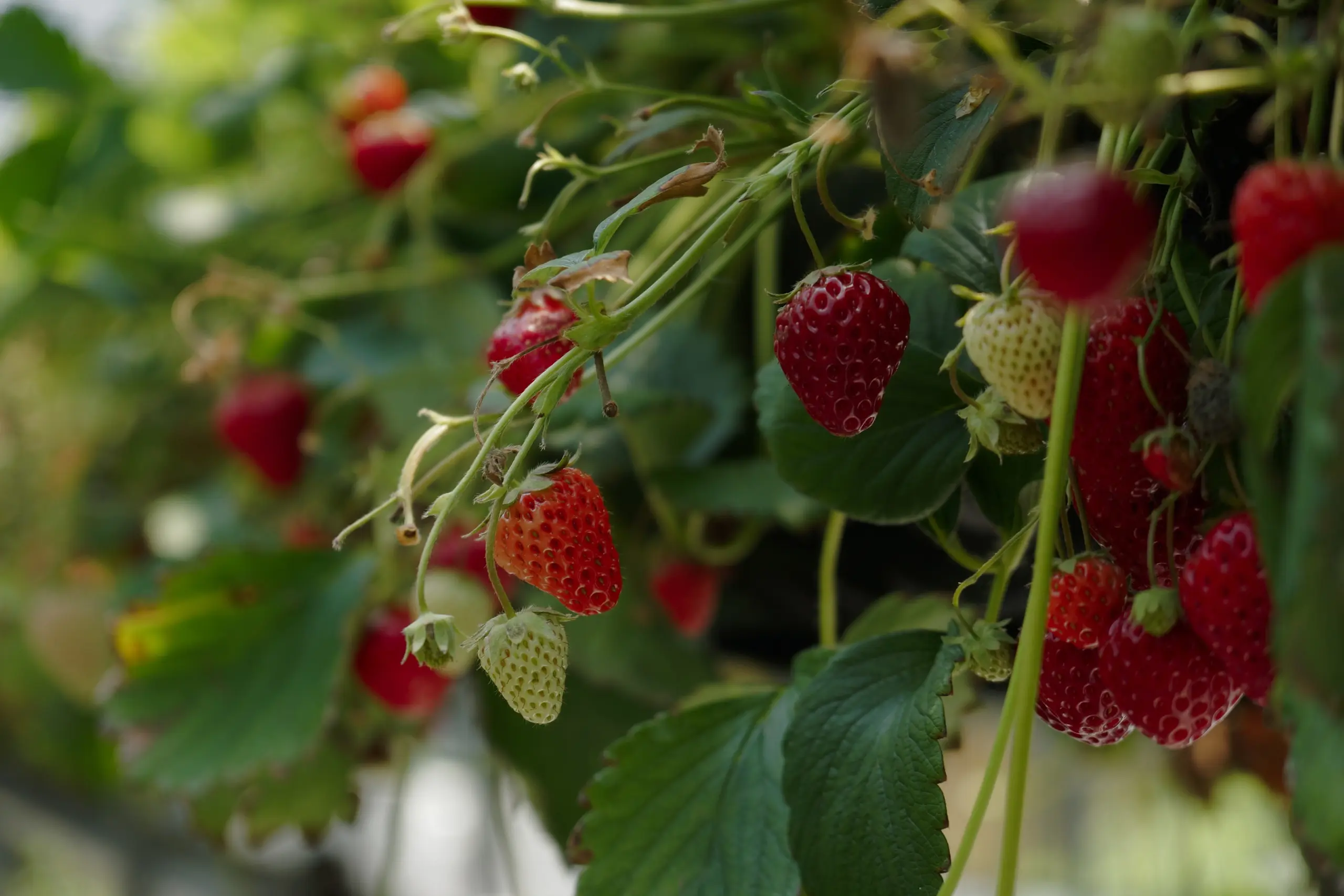
Berries
Monitoring irrigation and the growing medium is key for berries, as water balance and root aeration influence crop development, nutrition, and plant health. Proper control of moisture, conductivity, and drainage helps prevent water stress or waterlogging and optimizes yield.
Featured Crops
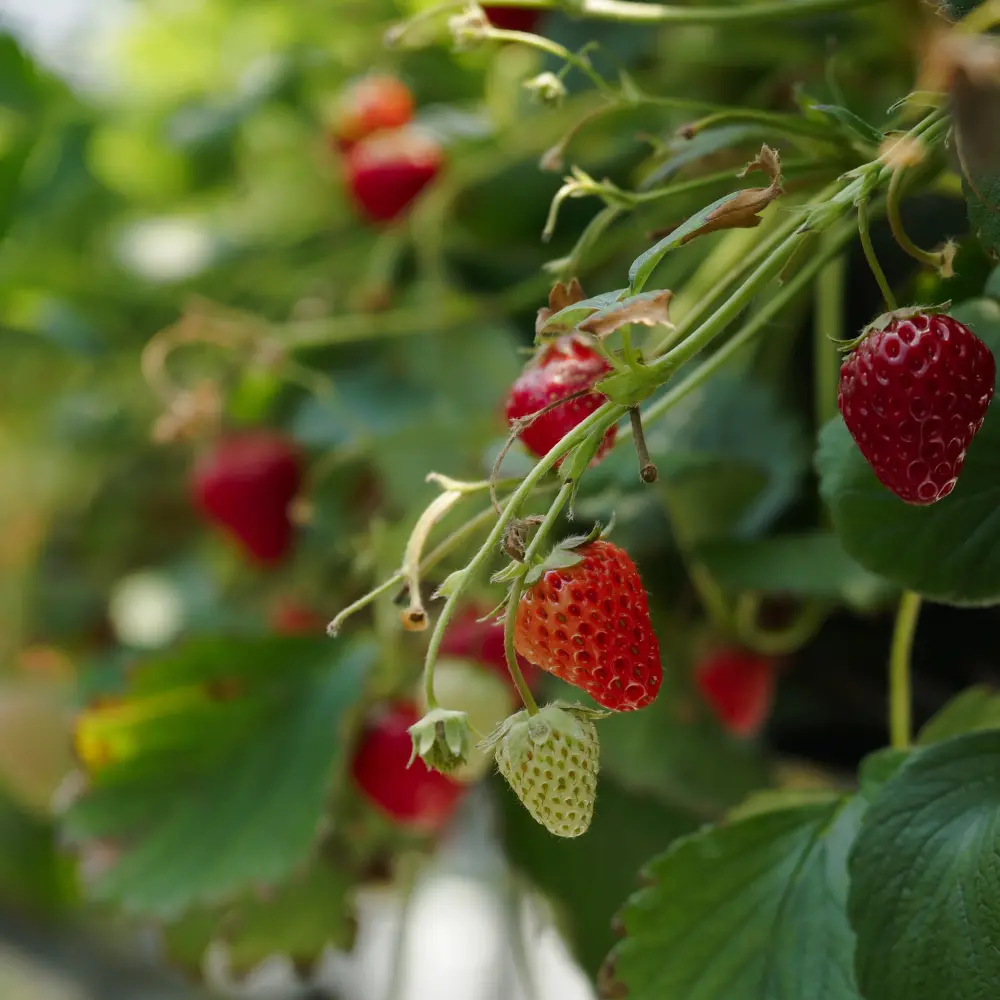
Strawberries
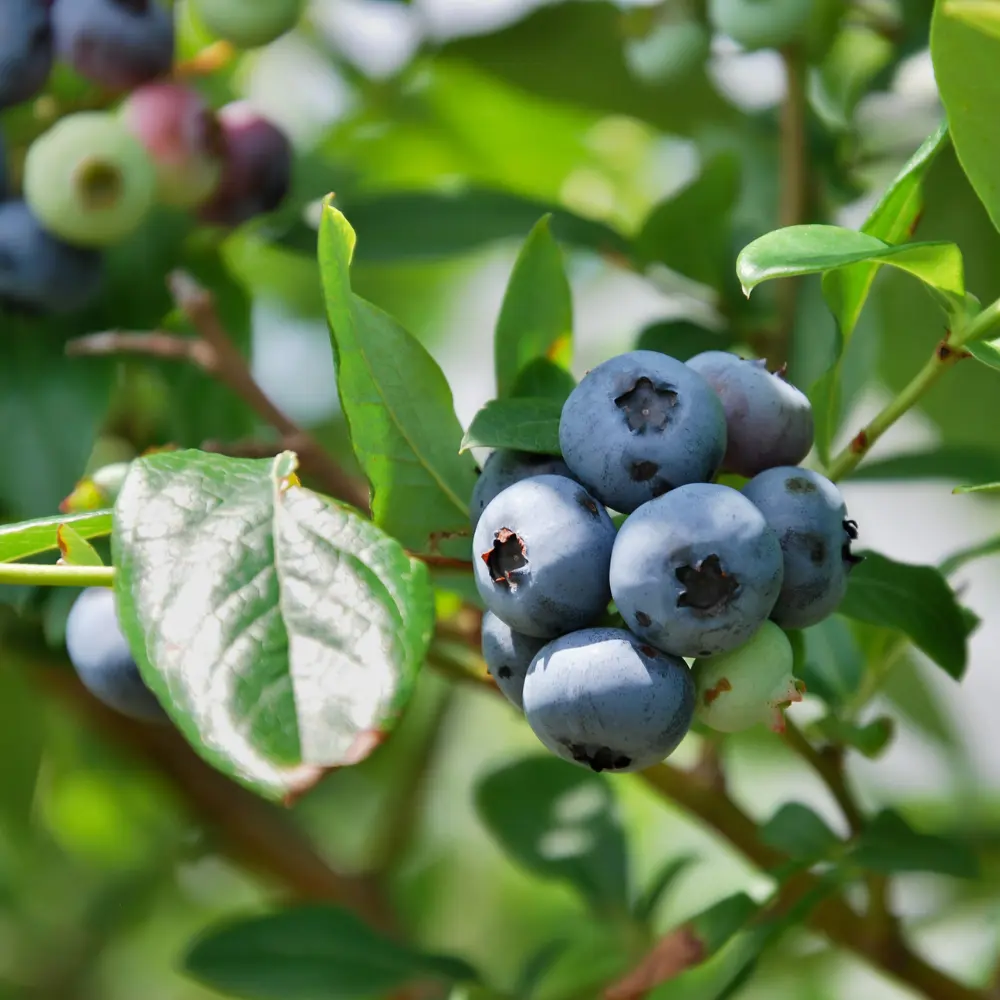
Blueberries
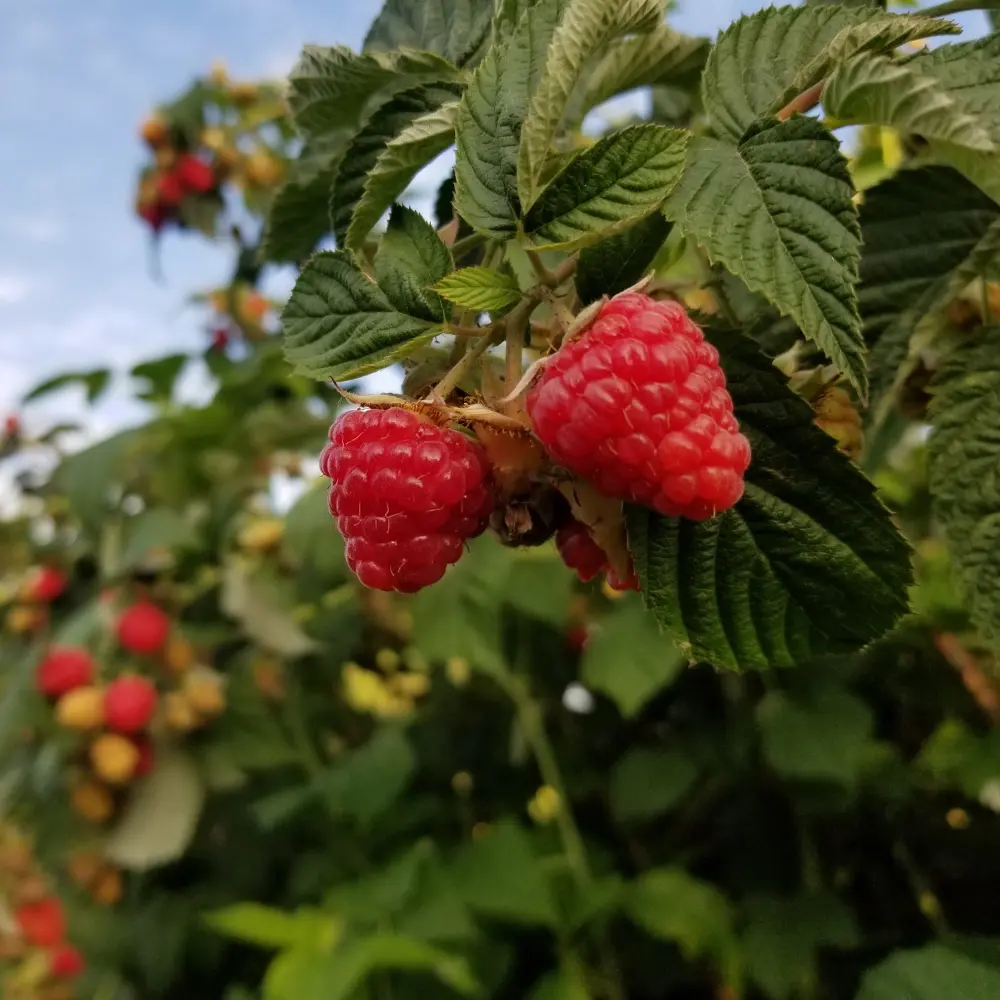
Raspberries
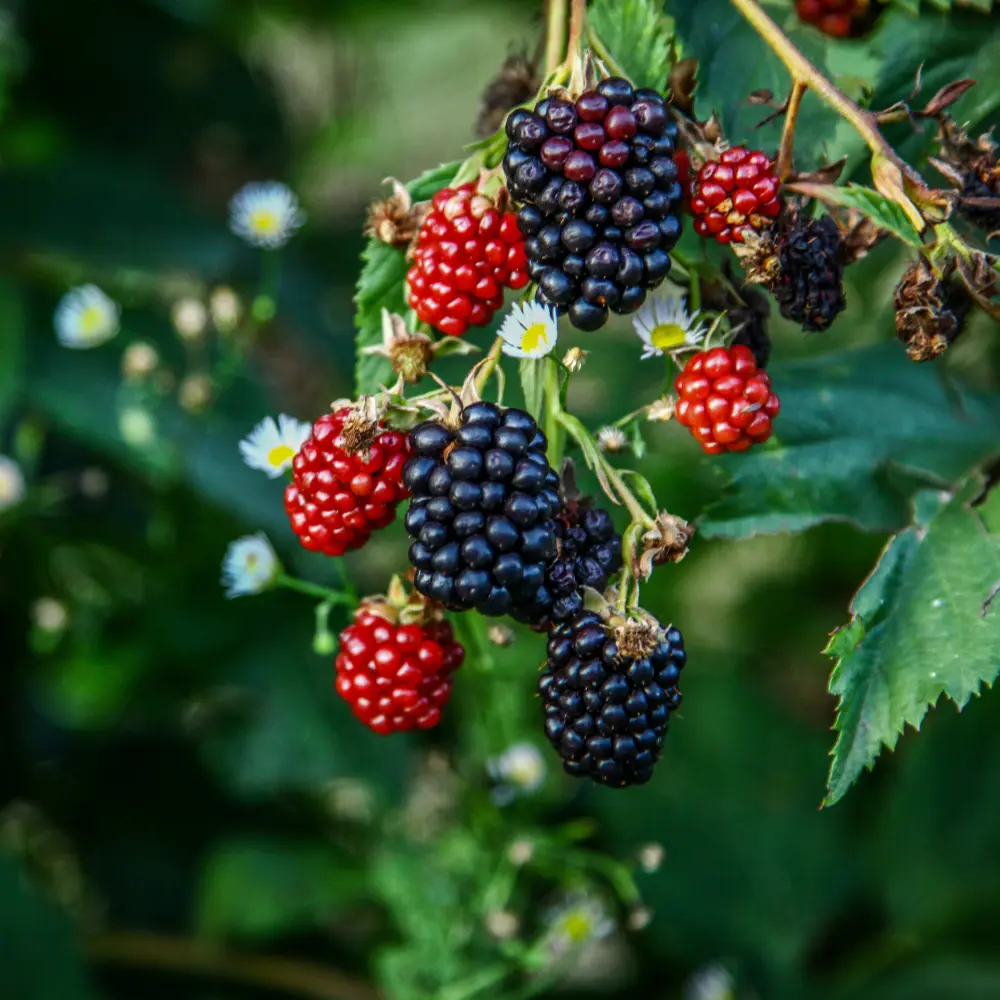
Blackberries
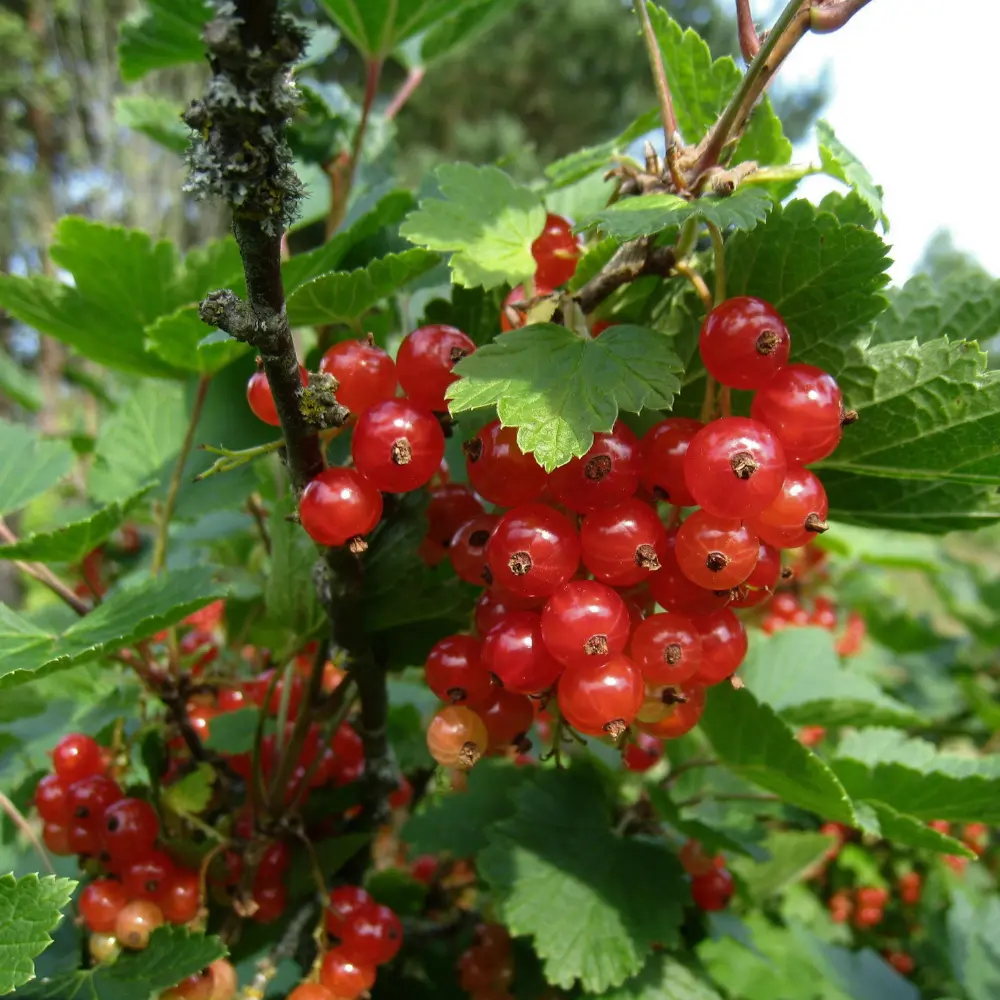
Currants
Key Challenges Facing the Berry Industry
Optimize water use
to improve fruit productivity and quality by adjusting irrigation to the crop’s actual needs.
Manage fertilizers efficiently,
by adjusting fertigation to the phenological stage and ensuring nutrient availability is correctly managed.
Monitor and control water and substrate parameters
such as moisture, electrical conductivity (EC), pH, and drainage to maintain a proper balance in the root zone, prevent water stress or salinity, and promote optimal nutrient uptake.
Control of agricultural inputs
used on the farm, optimizing their use and reducing costs.
Preparing for Adverse Climatical Conditions
that could affect fruit development and quality, such as frost, high temperatures, or periods of water stress.
How VEGGA Helps with Berries
1 / 3
Irrigation Control
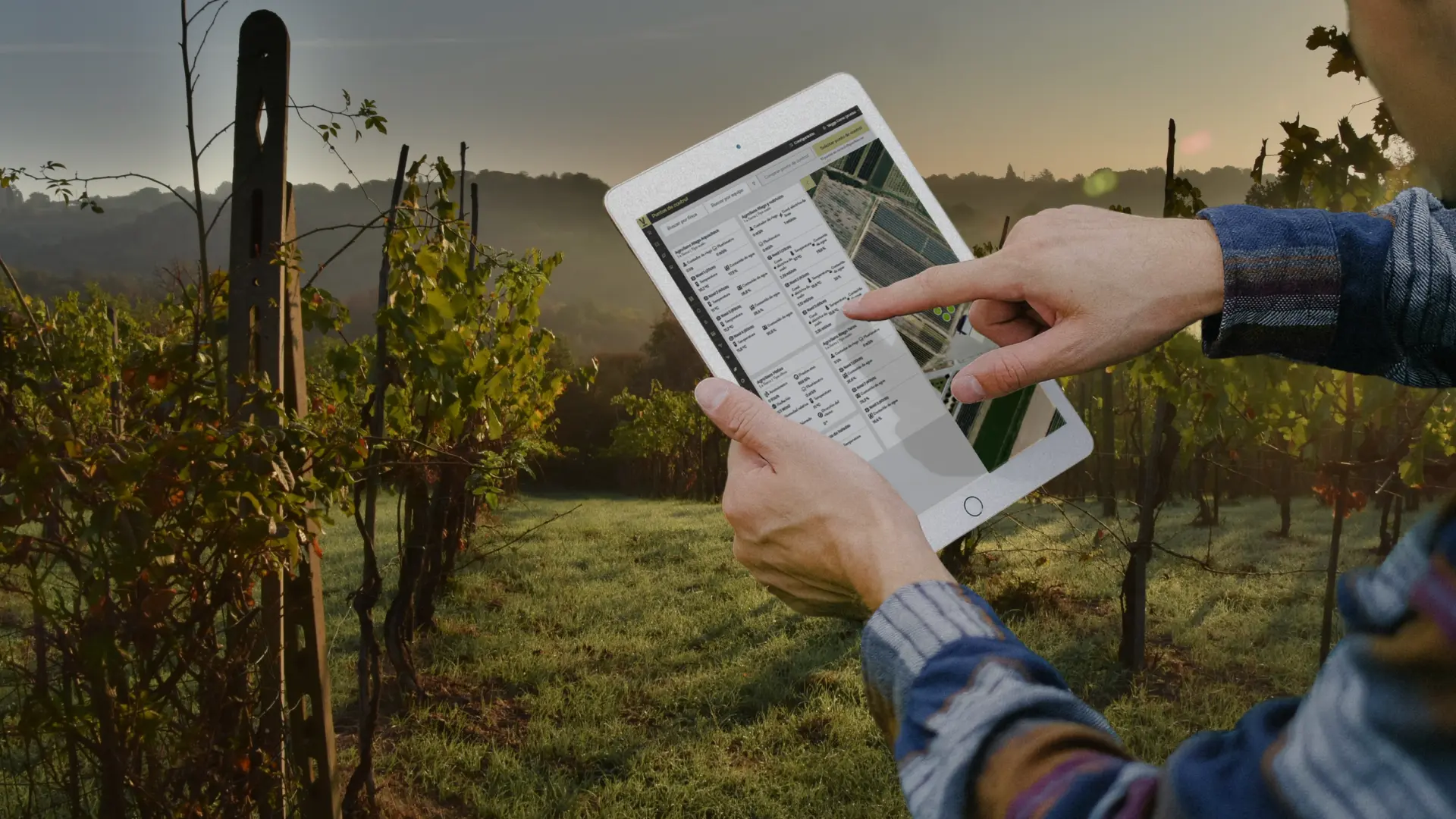
Manage and monitor the data from your Agrónic controllers from anywhere. Save time and water, resolve incidences, and ensure your crops get exactly what they need.
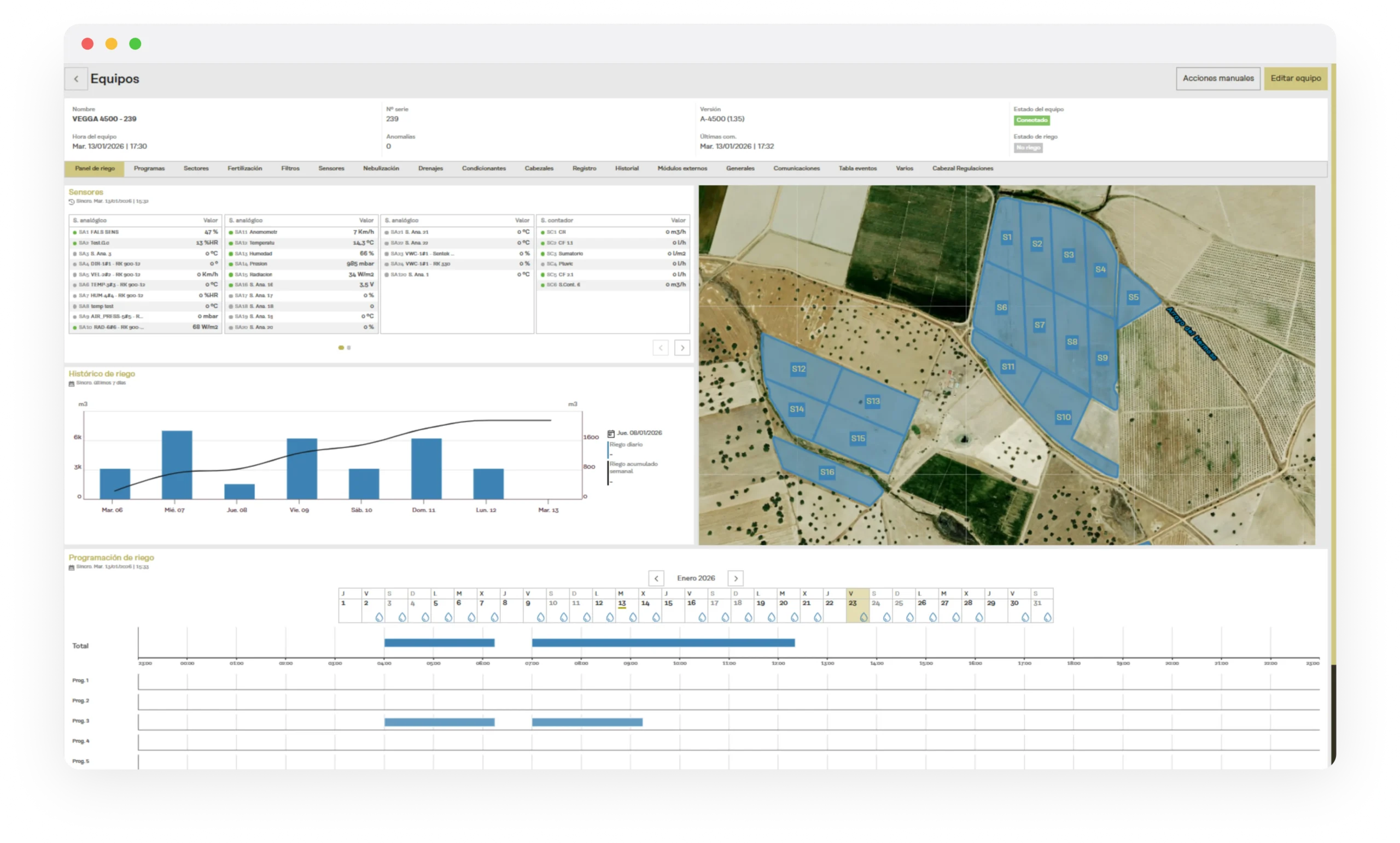
- Manage fertigation precisely by using programming and monitoring of the irrigation system.
- Access irrigation reports and historical data, along with audits that help validate decisions and improve water use efficiency.
2 / 3
Agroclimatic monitoring
Get real-time climate, crop, and soil data based on sensor readings and agroclimatic indices, and make more informed decisions for your farm.
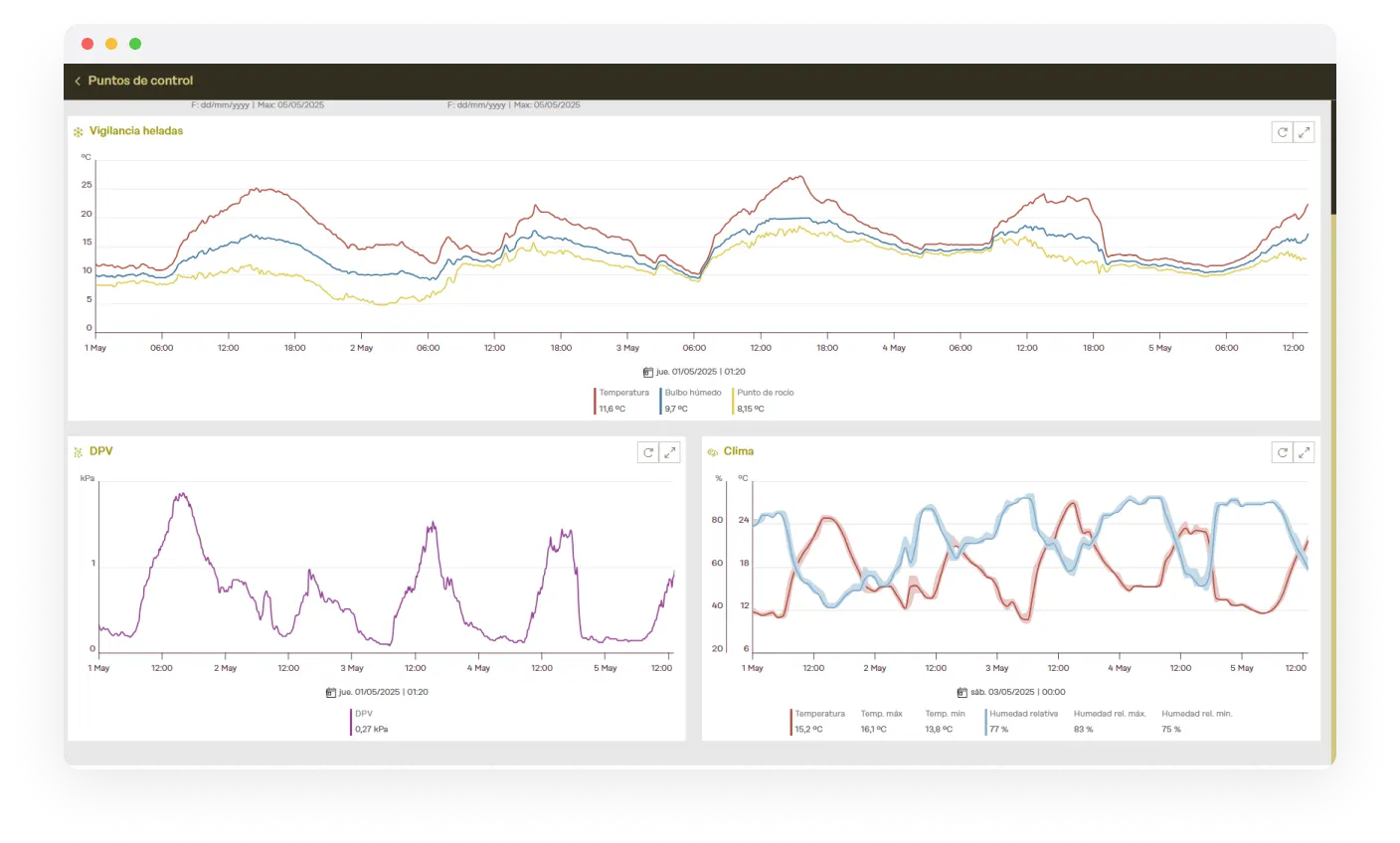
- Understand how water and nutrients behave in the soil to plan irrigation and optimize fertigation.
- Monitor weather conditions in real time to make decisions about irrigation, treatments, and fertilization.
3 / 3
Assisted irrigation
Precision-adjust and automate the irrigation of your crops using smart algorithms based on historical data, sensor readings, and weather forecasts—all without the need for daily monitoring.
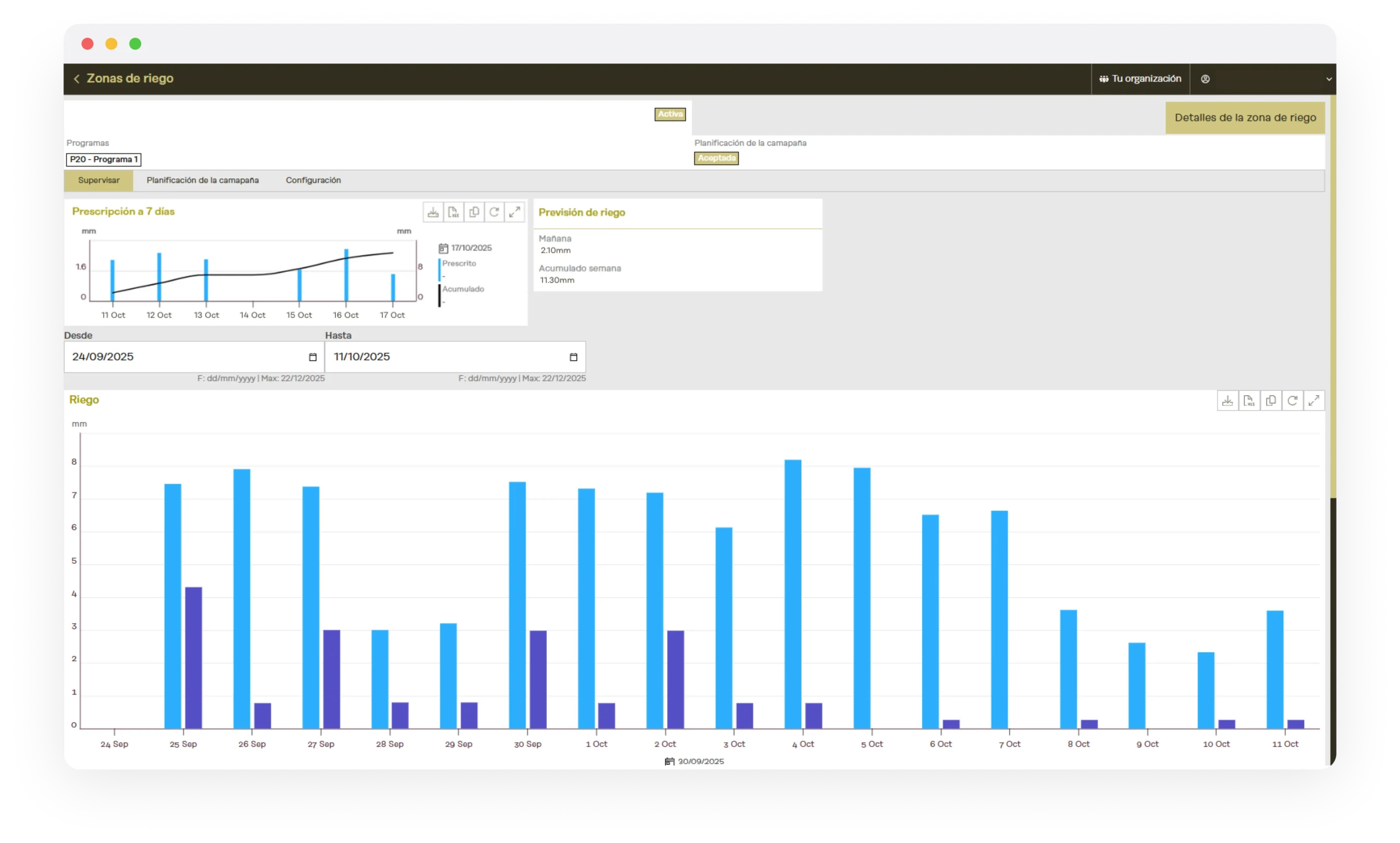
- Predict the water needs of your berry crop to improve yield stability and ensure uniform ripening.
Benefits of managing berry crops with VEGGA
Fruit yield and quality
Precise management of irrigation, fertigation, and substrate parameters (moisture, EC, and pH) improves fruit size, firmness, color, and sugar content, thereby increasing both the yield and market quality of berries such as strawberries, blueberries, and raspberries.
1
Nutritional quality of the fruit
Adjusting irrigation and nutrition according to the phenological stage helps boost key compounds in berries—such as antioxidants, polyphenols, and vitamins—which are highly valued in the market.
2
Intraplot uniformity and improved postharvest quality
Consistent control of water and nutrients across the entire field or crop system promotes uniform ripening, making it easier to plan the harvest and improving shelf life and postharvest quality.
3
Stress and Climate Control
VEGGA allows you to anticipate and correct situations involving water stress, excess moisture, or adverse climatical conditions (high temperatures, frost), which is crucial for sensitive crops such as berries, especially in greenhouses or tunnels. Monitoring the DPV helps determine when to activate micro-sprinklers to prevent water stress on the leaves.
4
Integrated water and substrate management
Thanks to sensors, it is possible to monitor the condition of the growing medium (moisture, conductivity, drainage) in real time, optimizing irrigation pulses, preventing nutrient leaching, and ensuring an optimal root environment. It also facilitates the management of watering vents, drainage, mixing of waters, or micro-sprinkling in protected systems.
5
Efficient use of supplies
Precise adjustment of water and fertilizer reduces waste, improves crop efficiency, and minimizes environmental impact.
6
Operating Profitability
Comprehensive control of production factors enables an optimal balance between production, quality, and costs, thereby increasing profitability on berry farms.
7
Recommended hardware
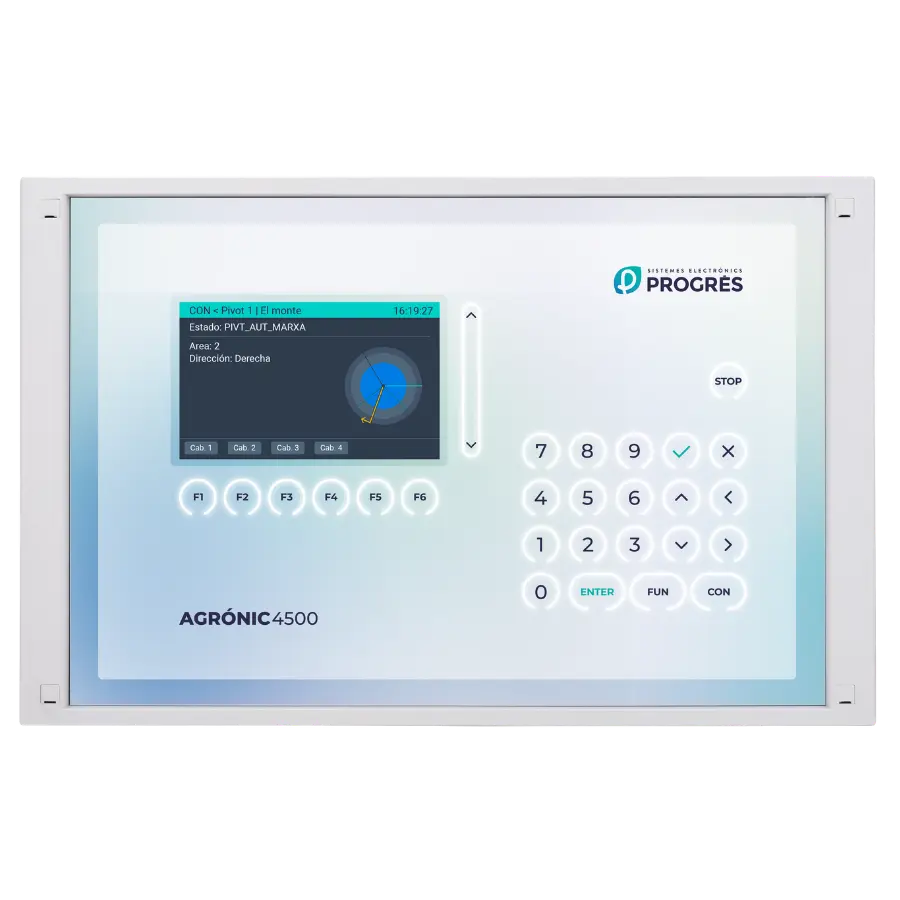
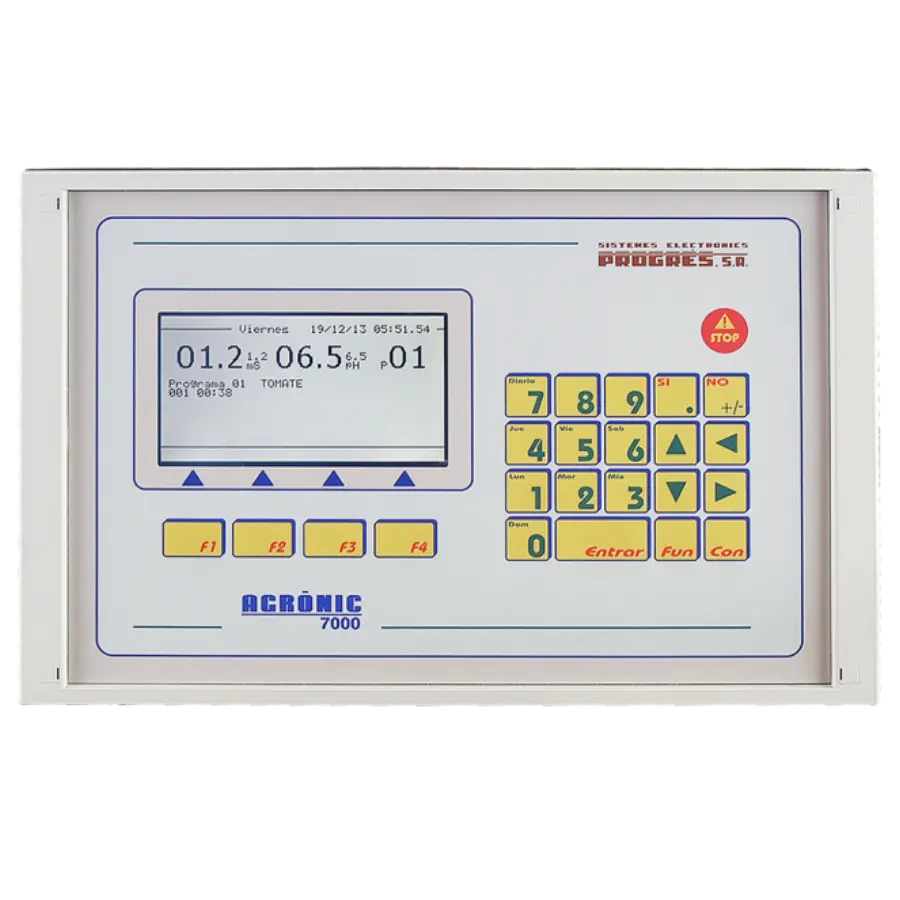
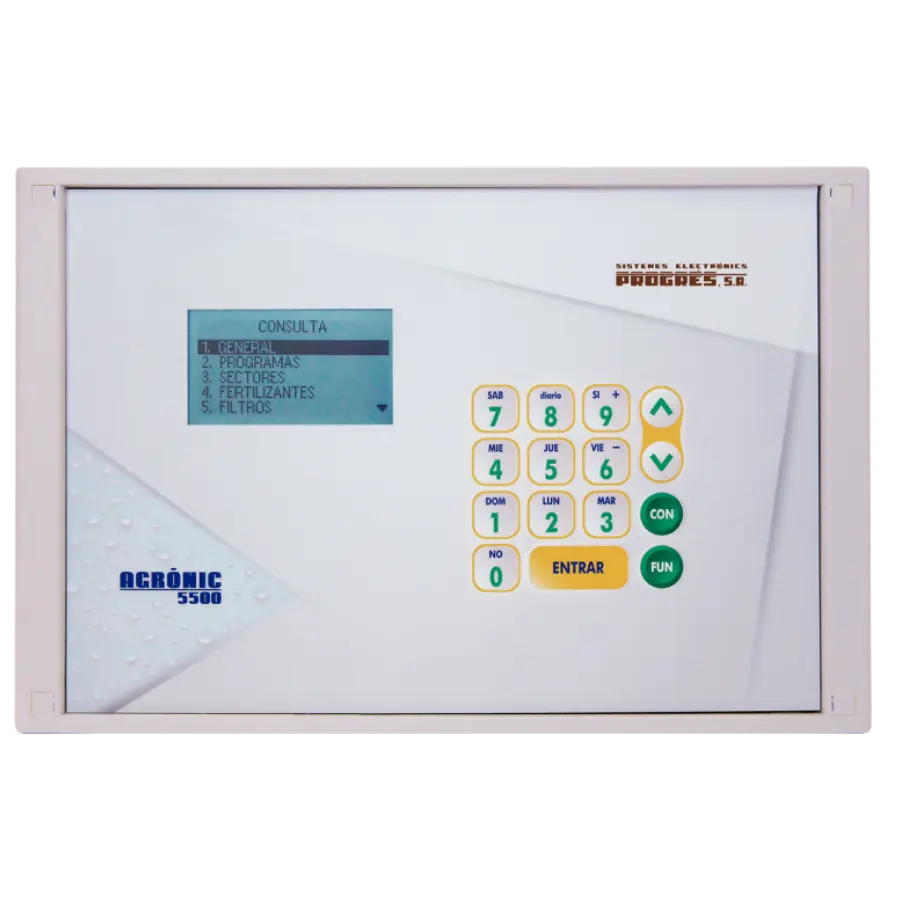
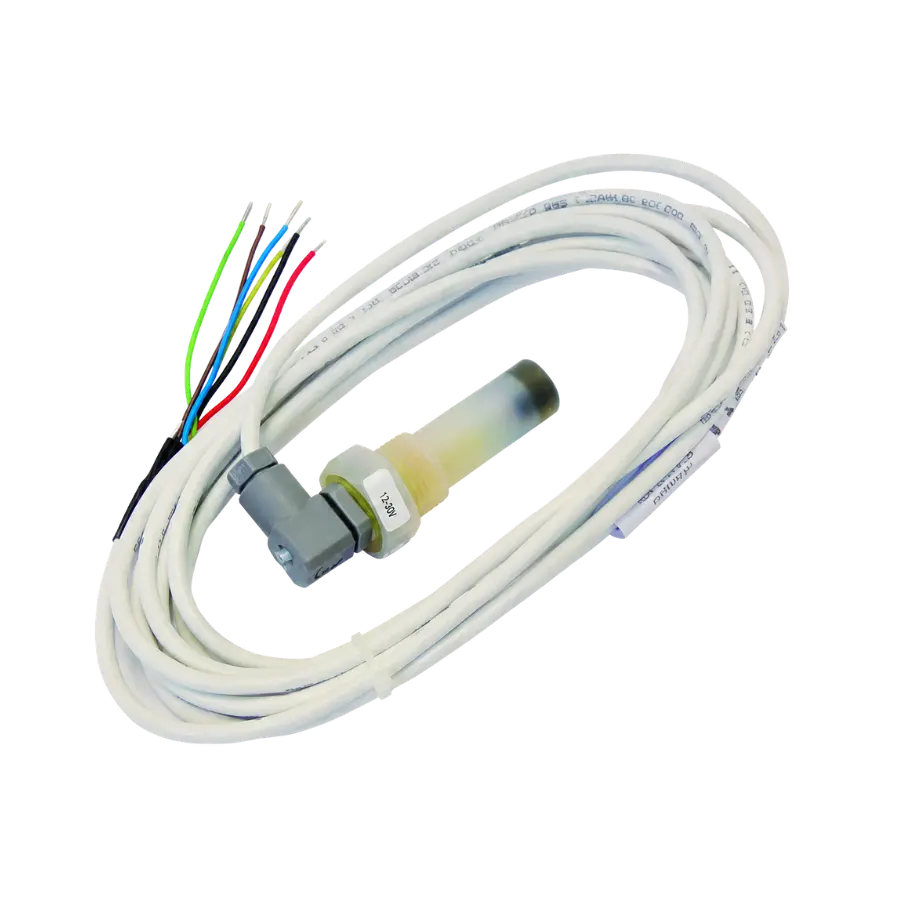
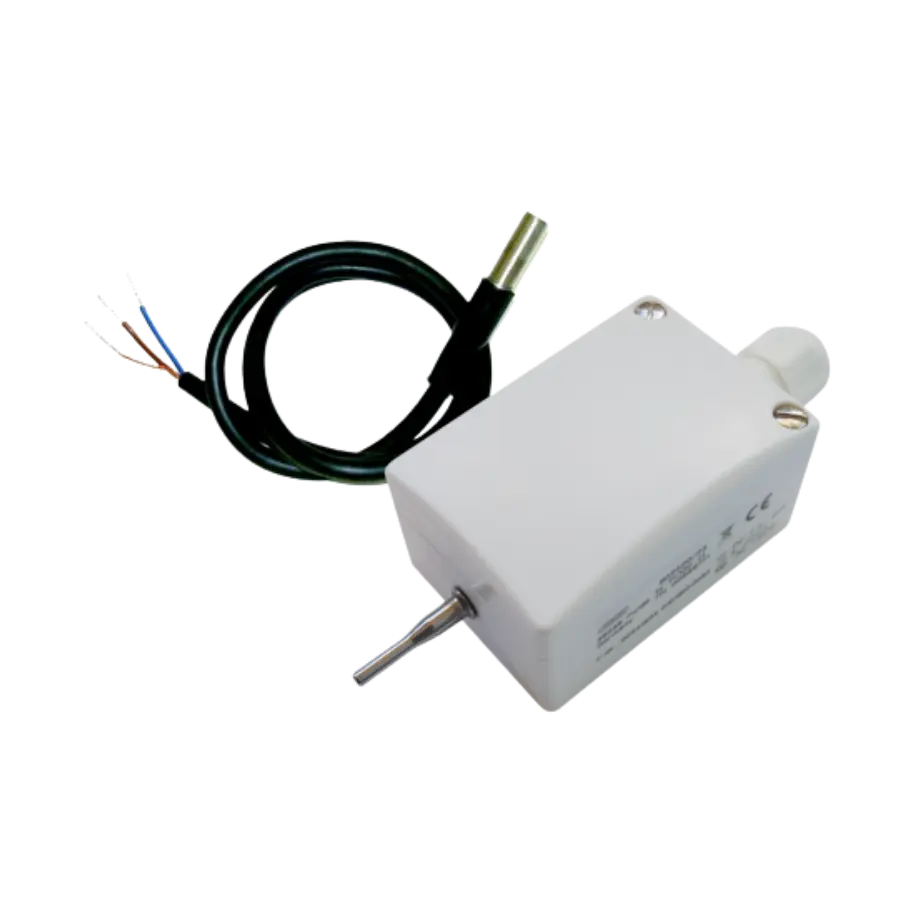
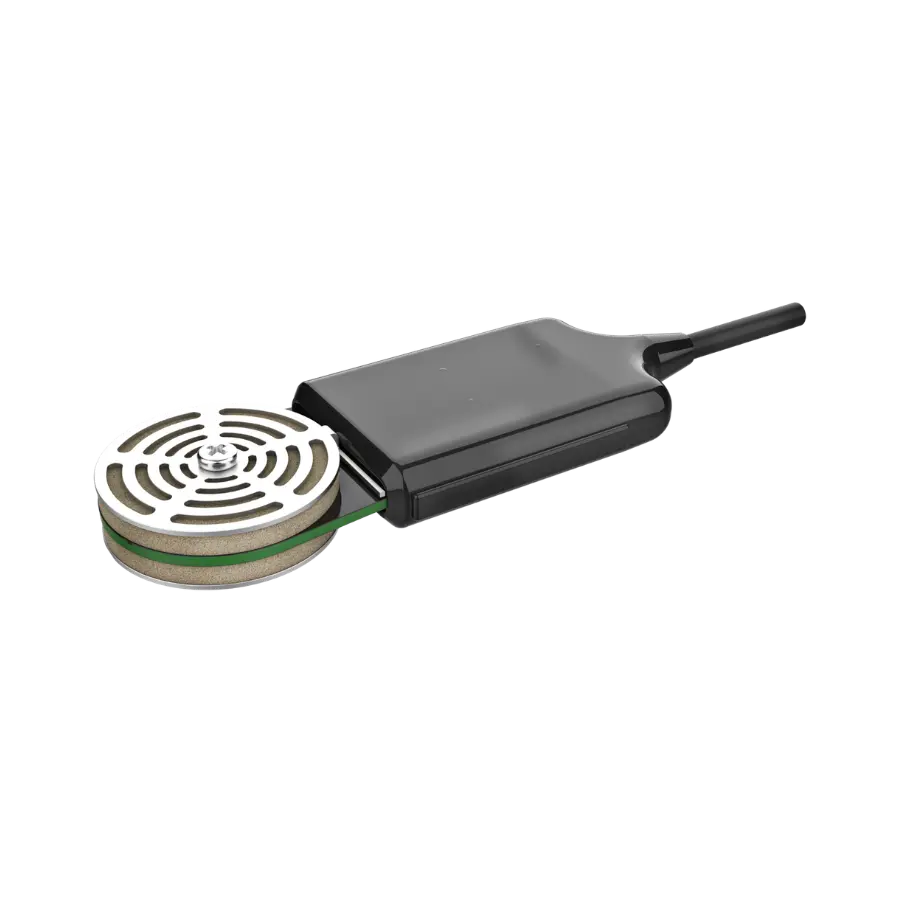
Soil water potential sensor
A matric potential sensor that allows for the assessment of actual water availability to the plant and the detection of water stress in crops. At VEGGA, this data helps optimize irrigation programming and complements soil moisture information for more precise water management.
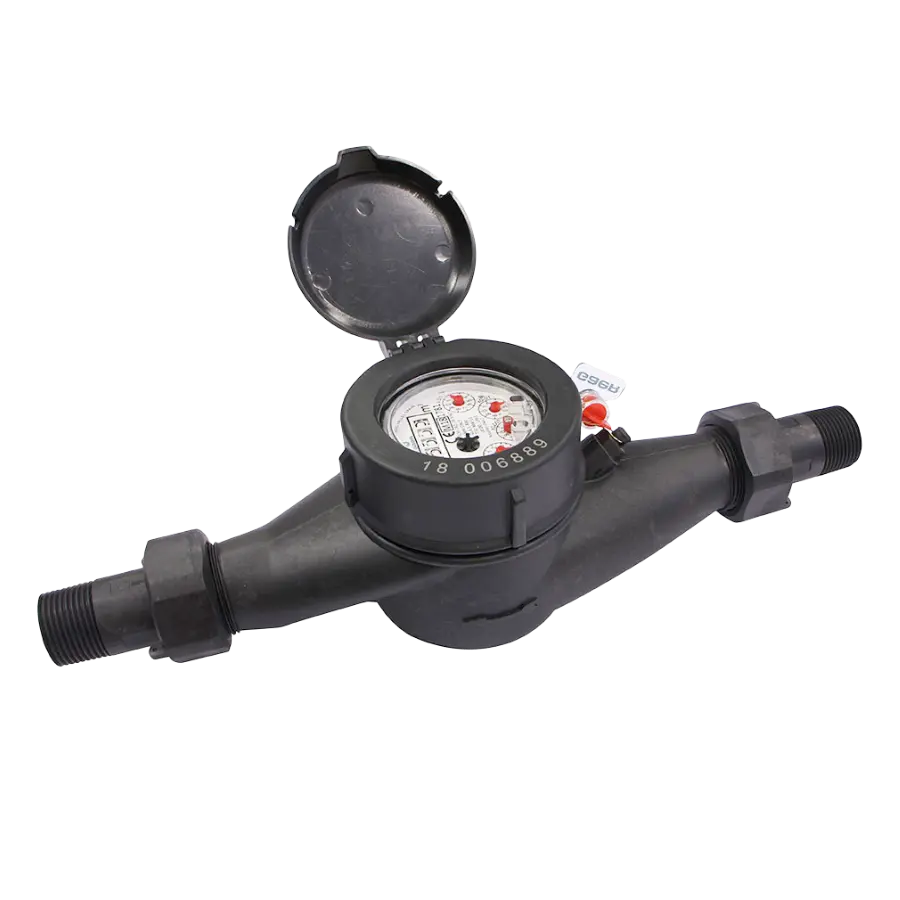
Irrigation meter
An irrigation meter that monitors the volume of water applied and enables users to control water consumption, analyze irrigation pulses, and detect hydraulic anomalies. At VEGGA, this data is integrated with soil and climate sensors to optimize irrigation efficiency and decision-making.
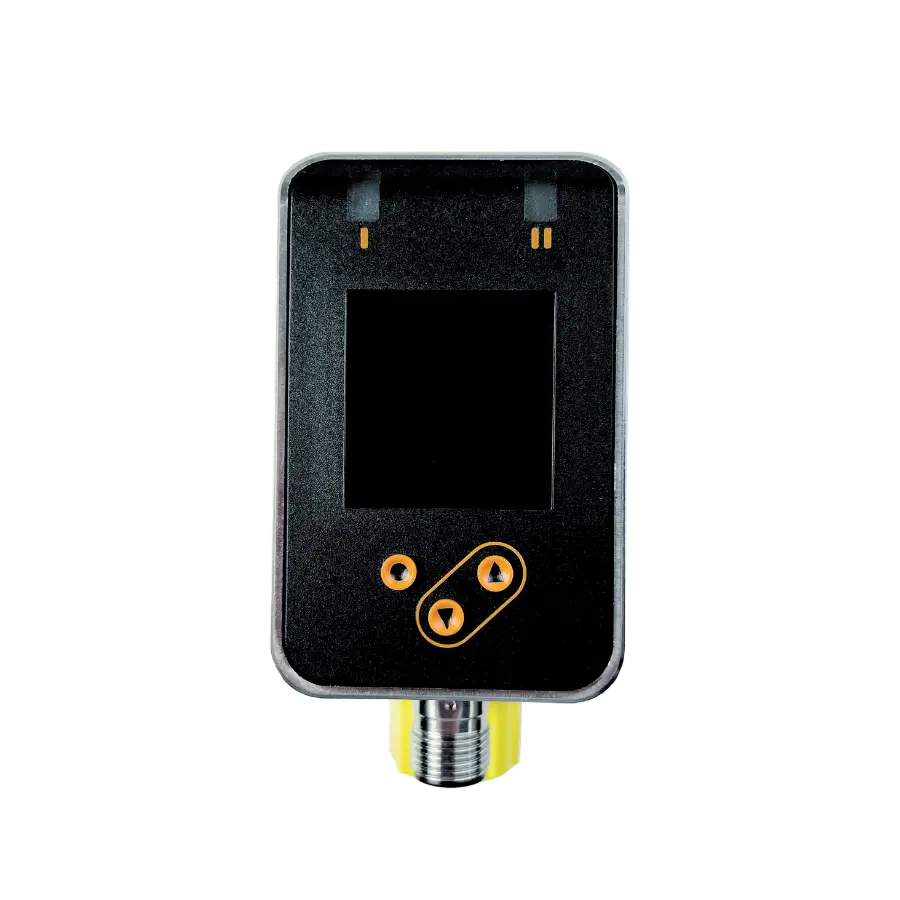
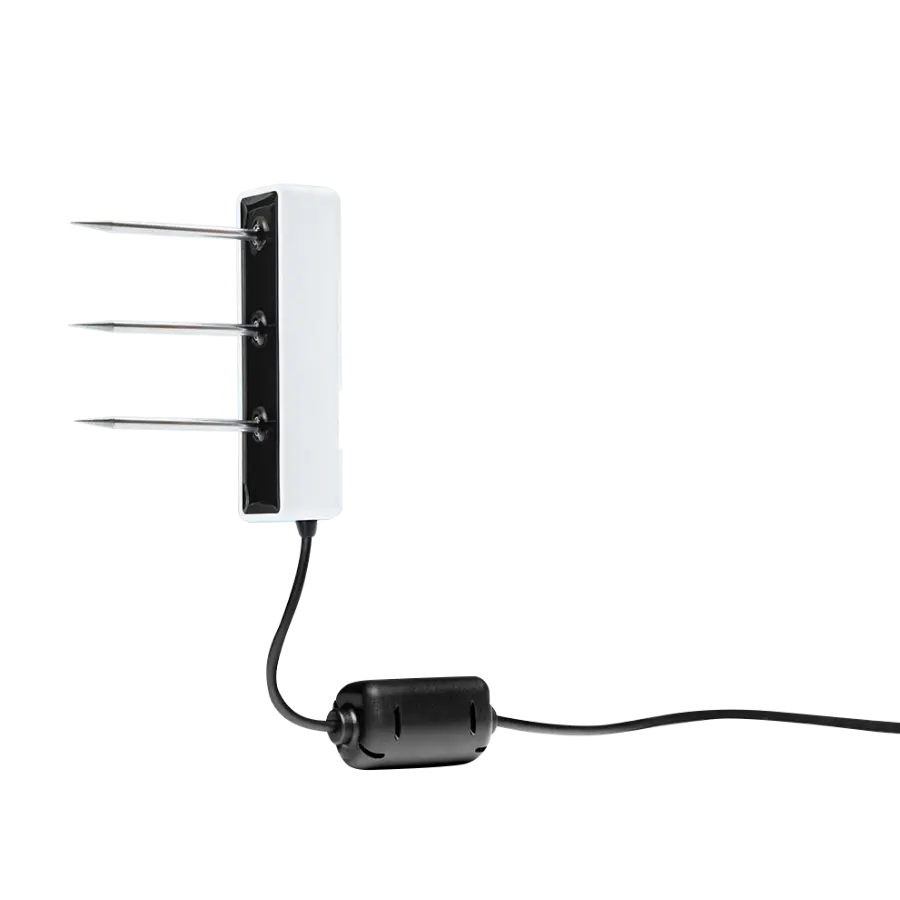
Soil Moisture and EC Sensor
A soil moisture, EC, and temperature sensor that enables integrated monitoring of the water, salinity, and thermal conditions of the root zone. At VEGGA, this data helps optimize irrigation and fertigation, detect risks of salinization, and improve the efficiency of water and fertilizer use.
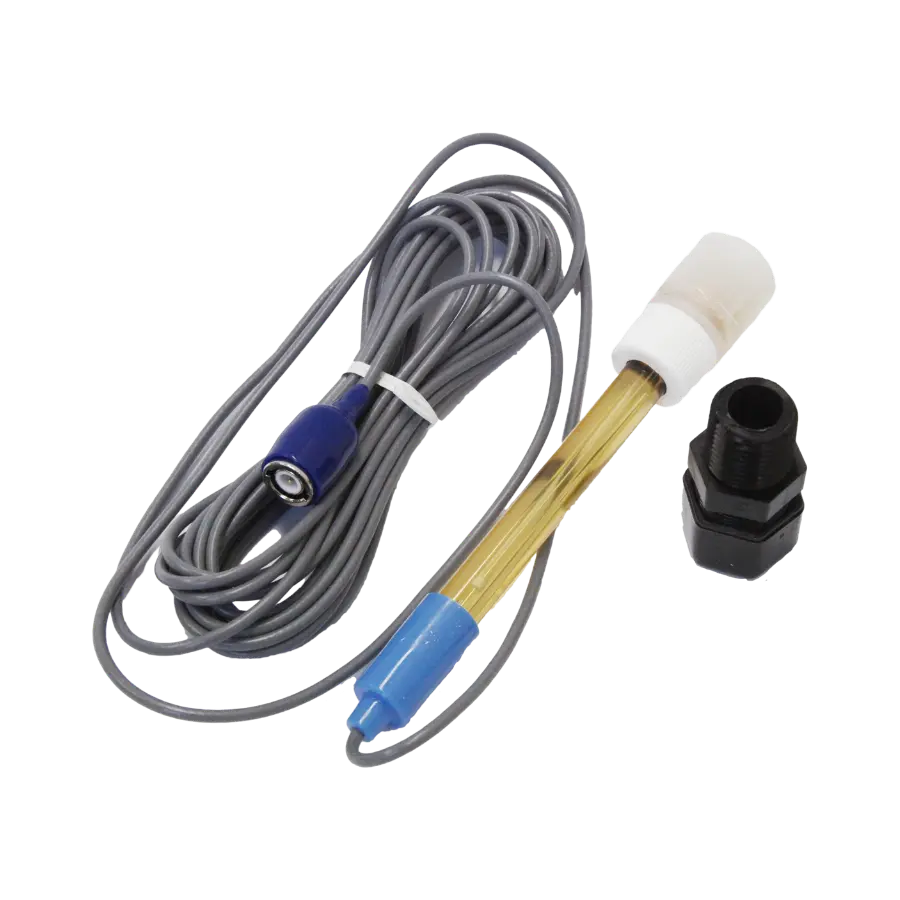
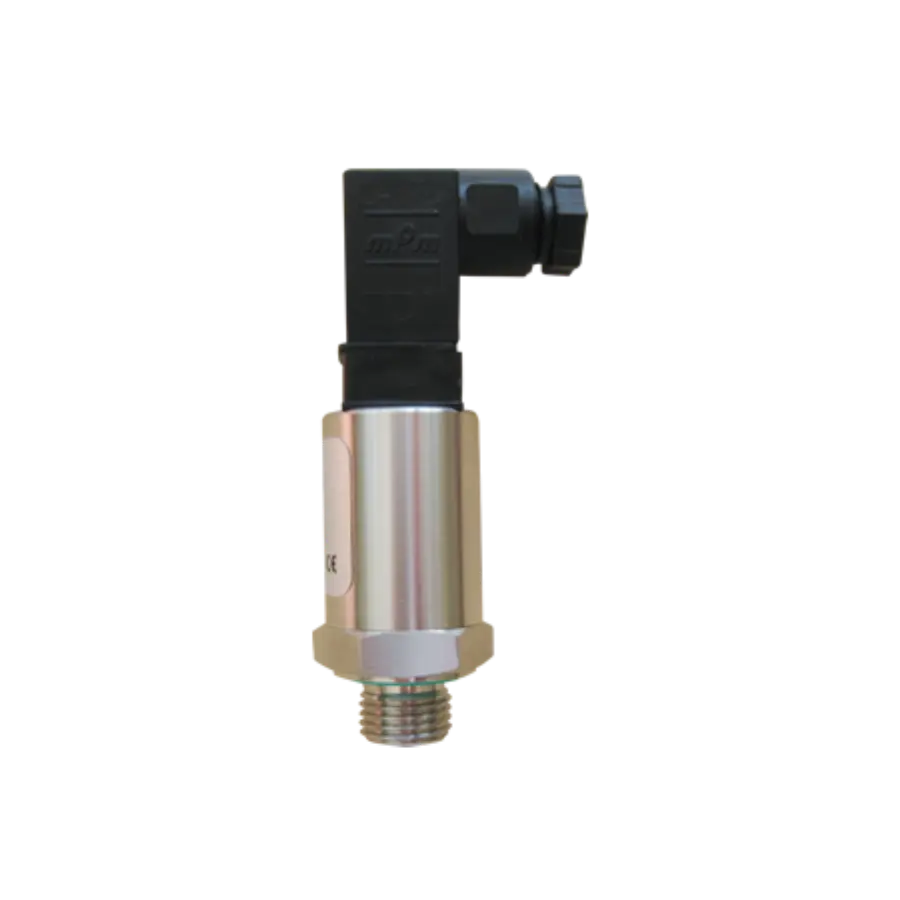
Pressure transducer
A pressure sensor that monitors water pressure in the irrigation system to ensure correct operation and uniform distribution on the VEGGA platform, detecting anomalies such as leaks, blockages, or drops in pressure, and ensuring the effectiveness of irrigation and frost protection systems.