De Prado
Challenge
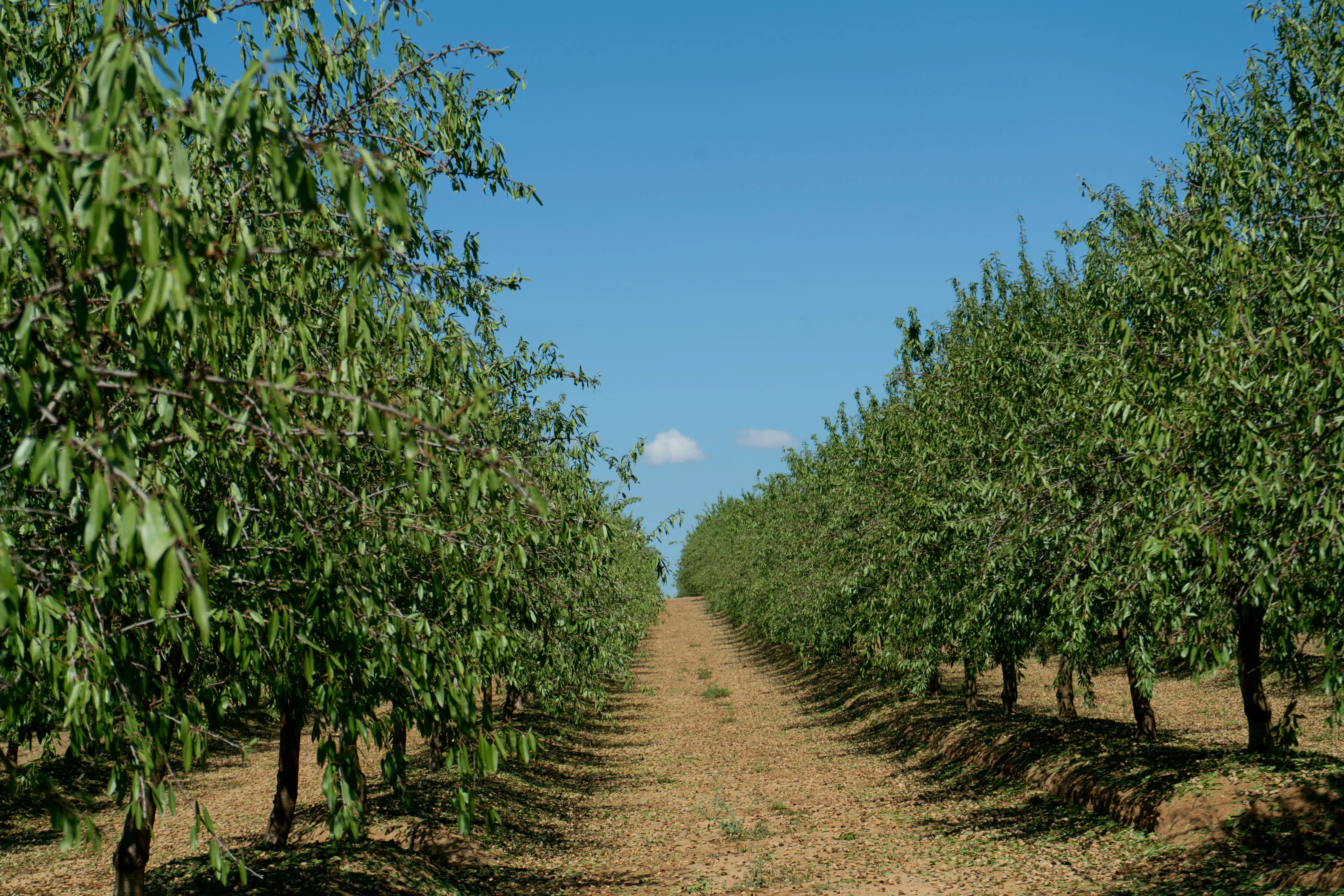
With more than 34,000 hectares and numerous farms and staff to coordinate, De Prado needed to standardize its approach to irrigation and fertilization management. The scattered nature of information and the lack of a standardized system made supervision difficult, caused delays in fertilization schedules, and increased the risk of errors in the field.
The goal was to implement a solution that would centralize management, facilitate control, and standardize operations across all farms.
Integrated solutions
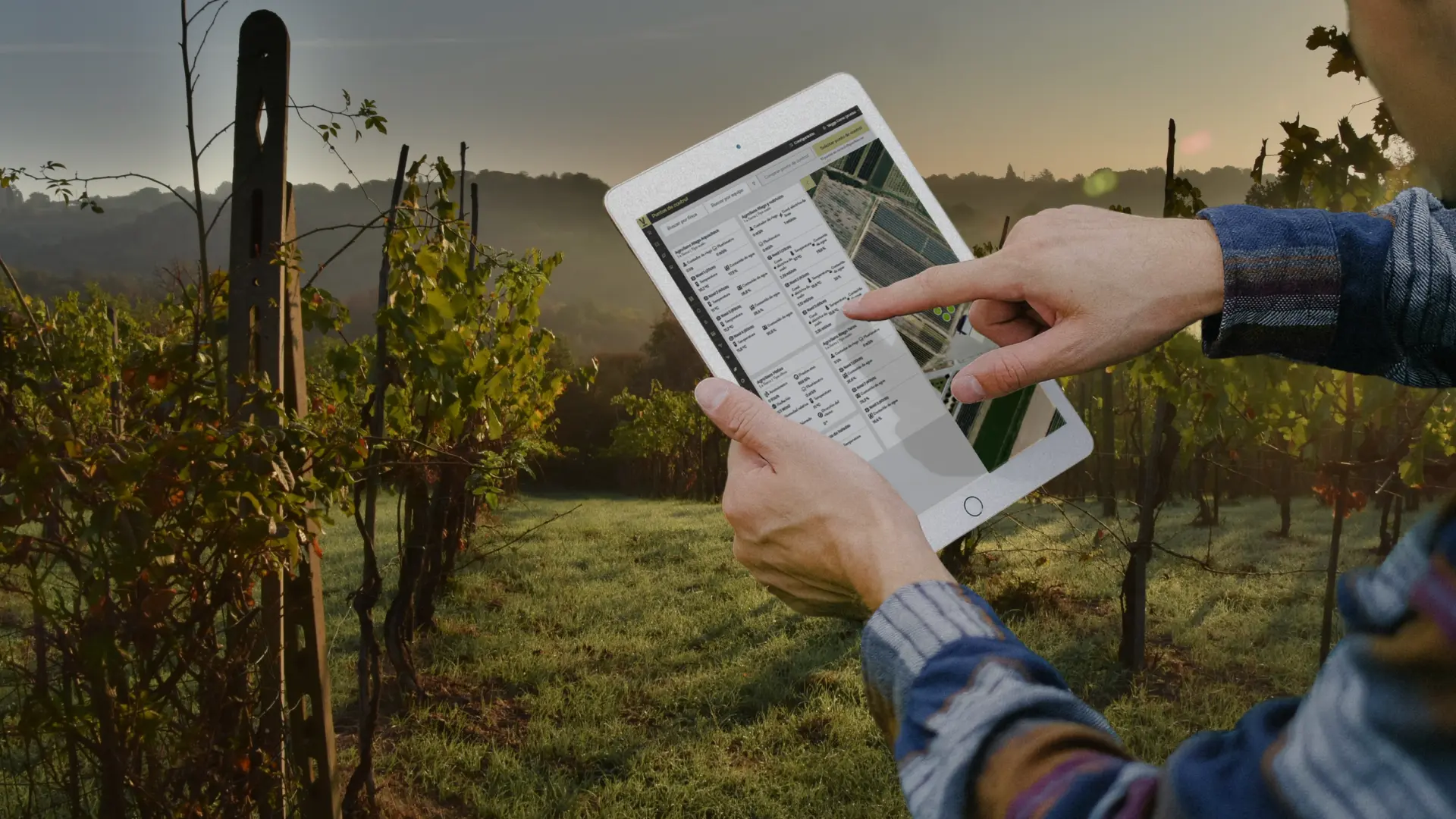
De Prado integrates VEGGA’s Irrigation Manager module, a tool that enables centralized and aggregated programming and control of farms. Irrigation Manager manages water and fertilizer orders, optimizing irrigation based on energy rates and the company’s fertigation plan. Irrigation Manager ensures:
- Centralize irrigation and fertilization operations across more than 150 farms, enabling a unit of two people to carry out the irrigation and fertilization plans.
- Identify problems in irrigation systems and address delays in fertilization schedules.
- Maintain a consistent standard of operation week after week throughout the campaign, ensuring consistency and efficiency.
- Manage water and fertilizers efficiently and sustainably, taking into account energy costs and fertigation plans.
Results obtained
Using VEGGA has brought De Prado clear benefits:
- Reduce long-term incidences, such as malfunctions in irrigation meters or flow deviations.
- Standardization of processes across all farms, ensuring consistency in management.
- Maintain a comprehensive historical record of plans, modifications, and implementations, facilitating comparisons between campaigns and enabling continuous improvement.
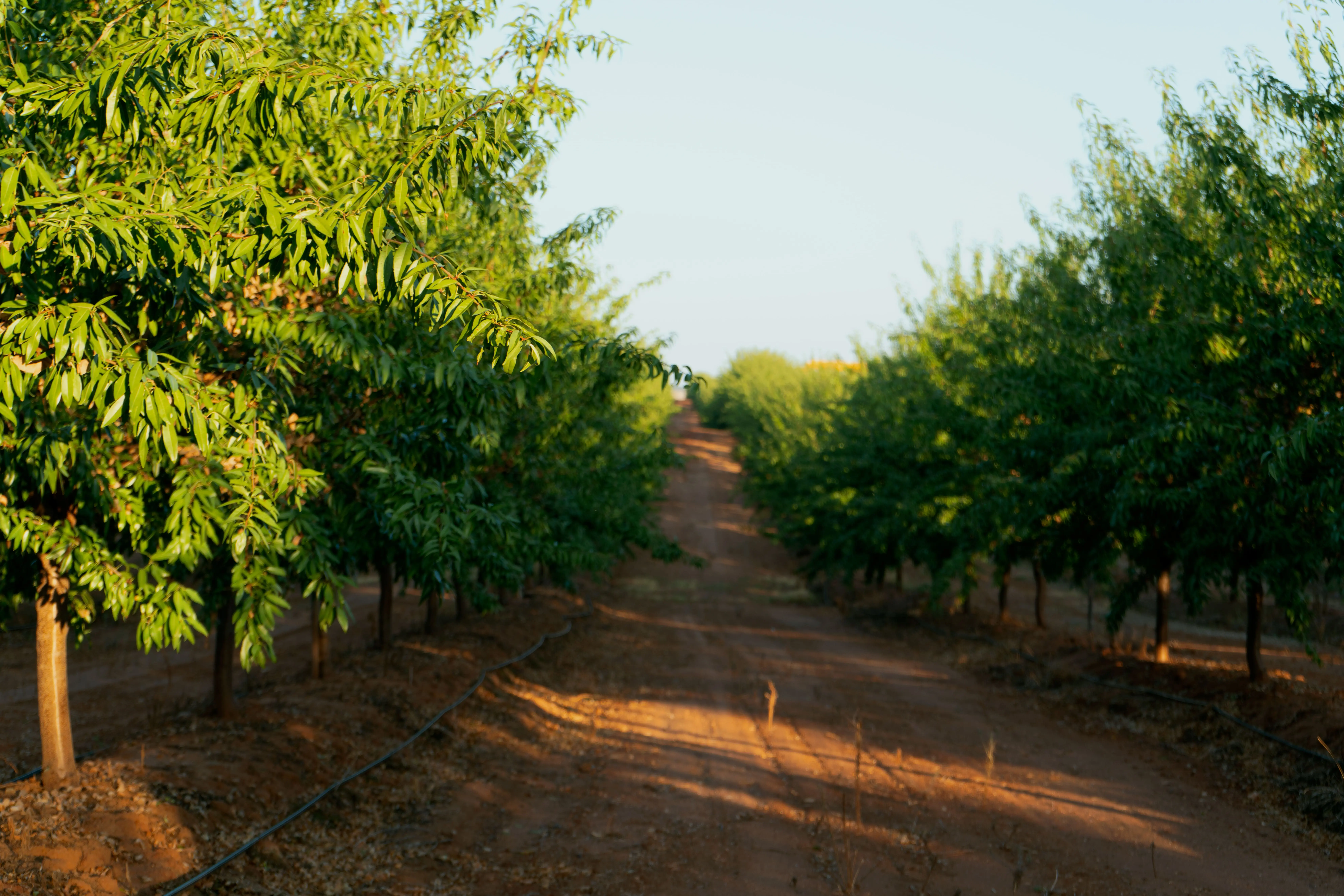
- Optimize water use in almond orchards by adjusting irrigation rates to the crop’s needs without compromising production.
Joan Fortuny, General Manager of Almendro en De Prado“With Irrigation Manager, we have been able to centralize the management of irrigation and fertilization on our farms, ensuring precise control, early detection of problems, and continuous improvement season after season.”