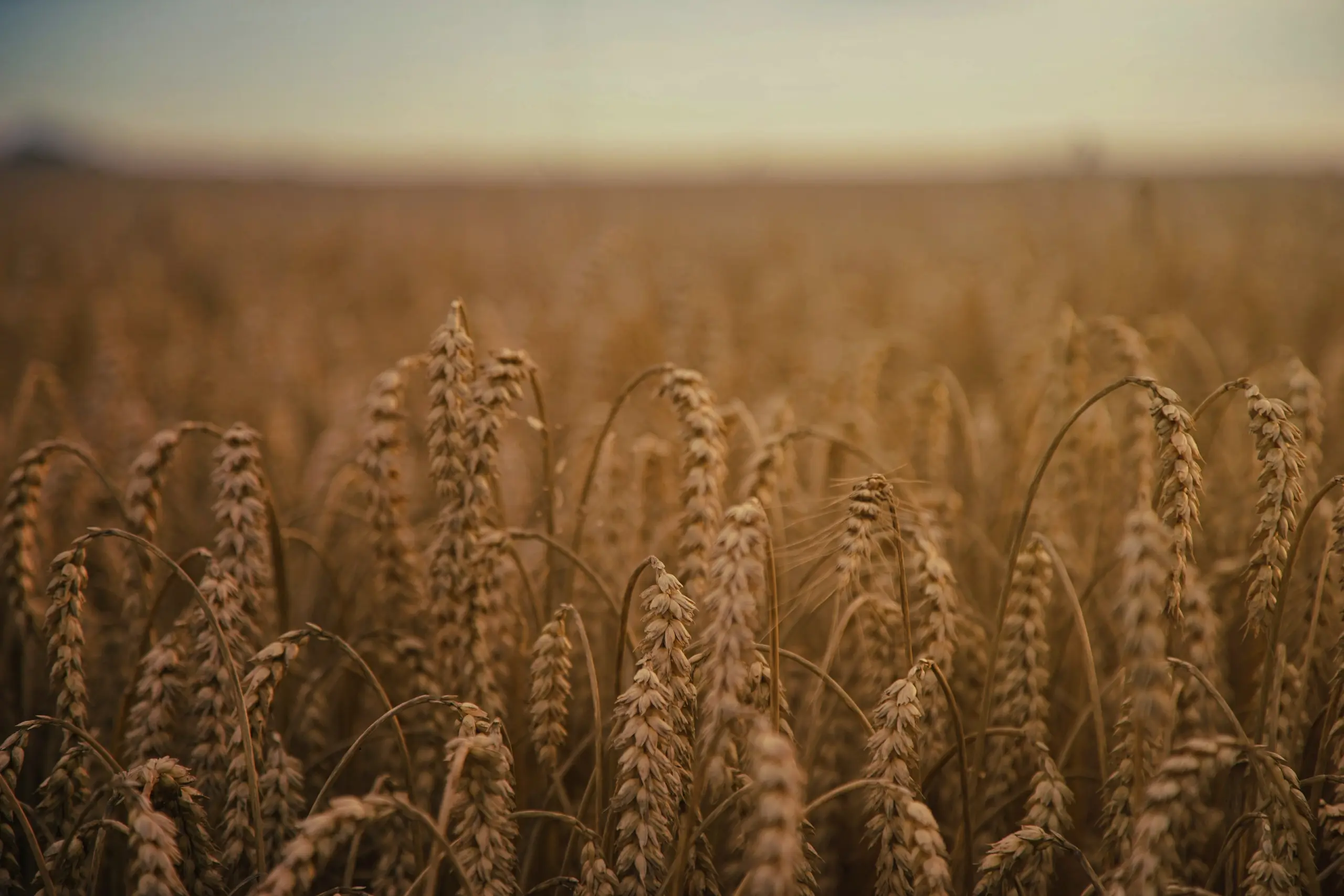
Grains and legumes
Grains and legumes, such as wheat, corn, and alfalfa, require efficient water management, input control, and pest protection. With VEGGA, manage your fields digitally, optimize irrigation, and make quick decisions to maximize the productivity and quality of your crops.
Featured Crops
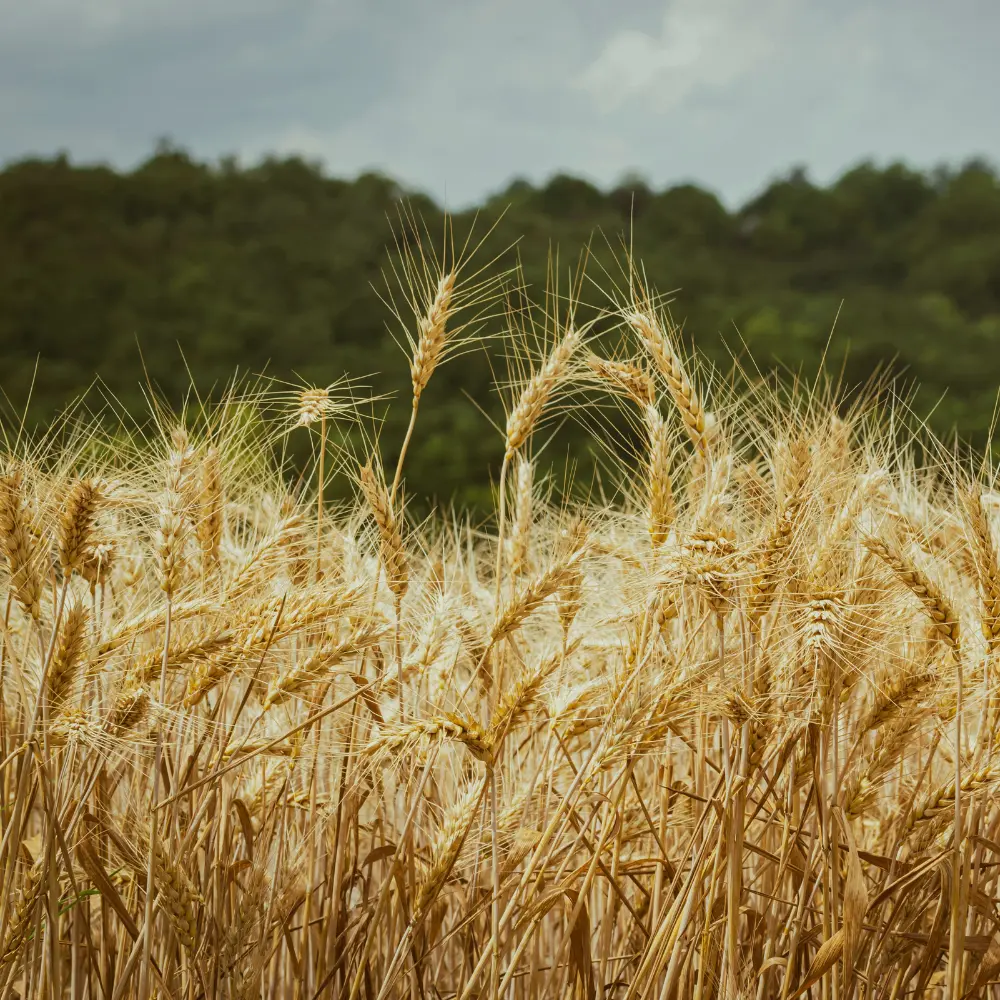
Wheat
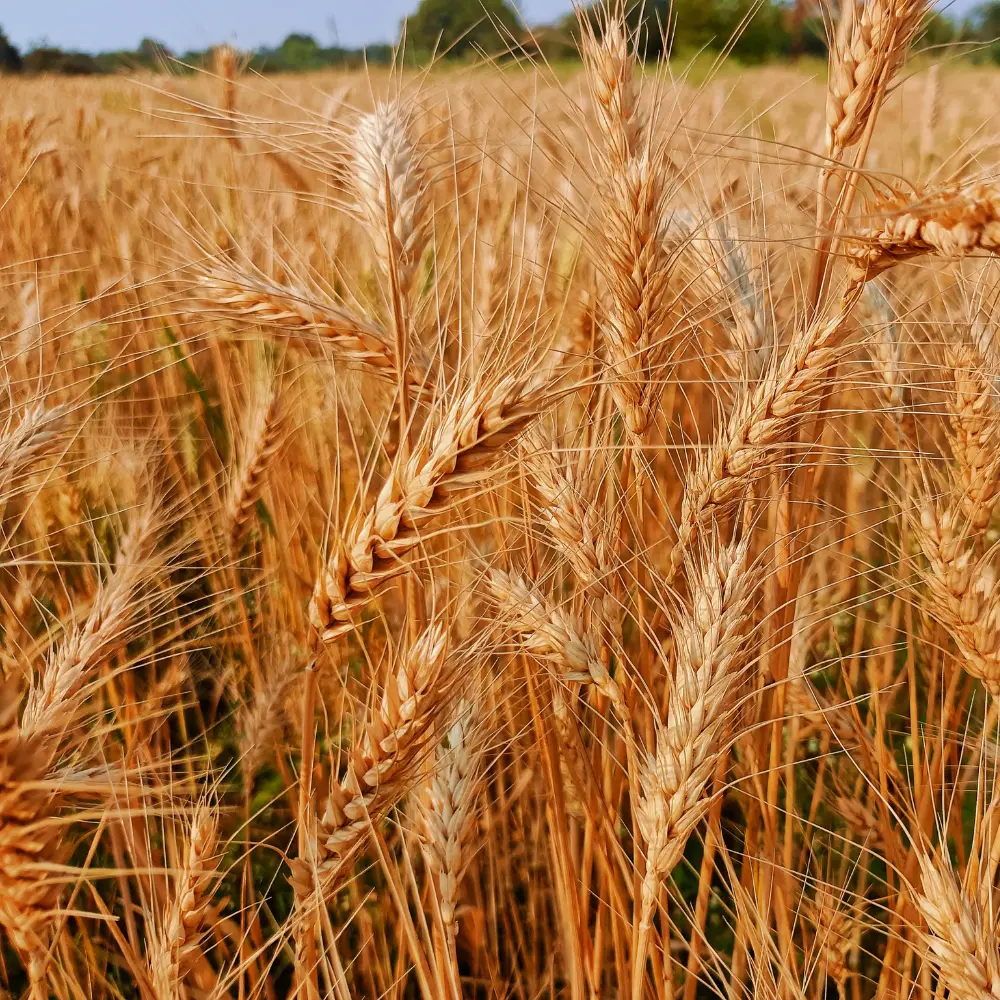
Barley
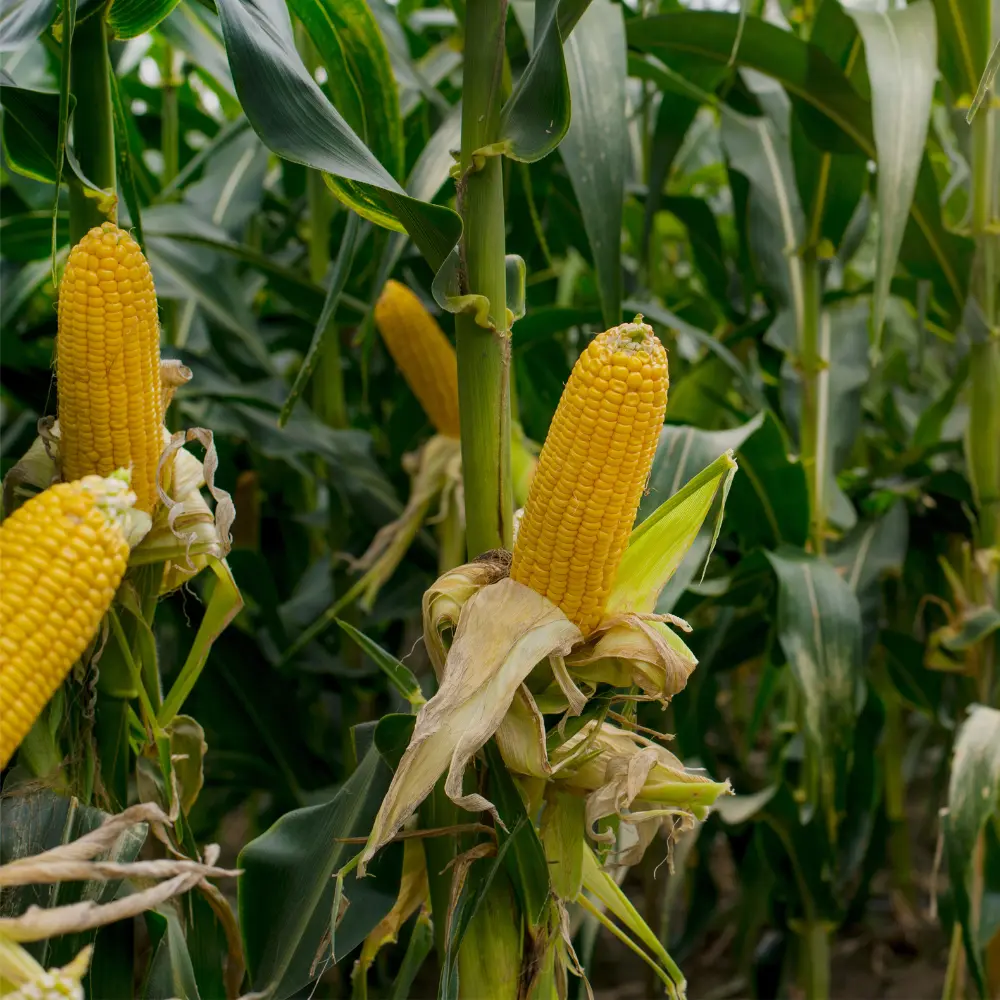
Corn
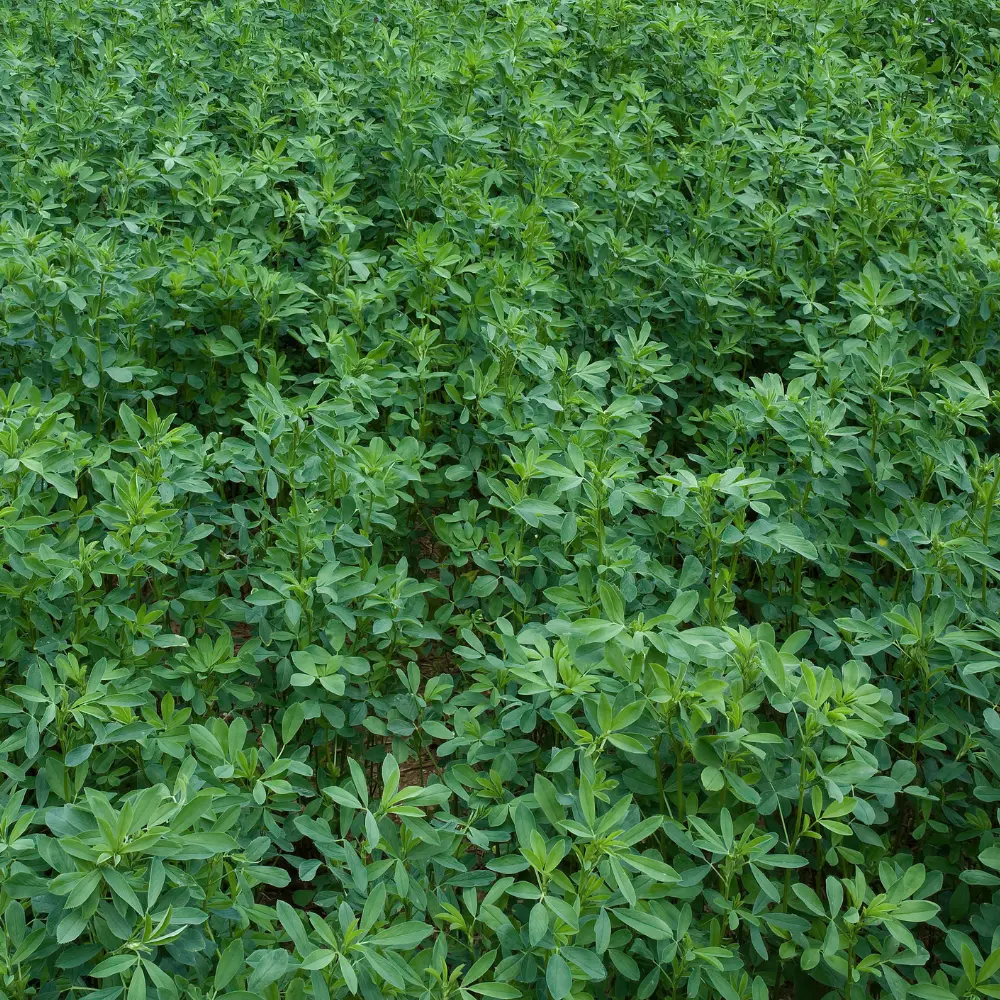
Alfalfa
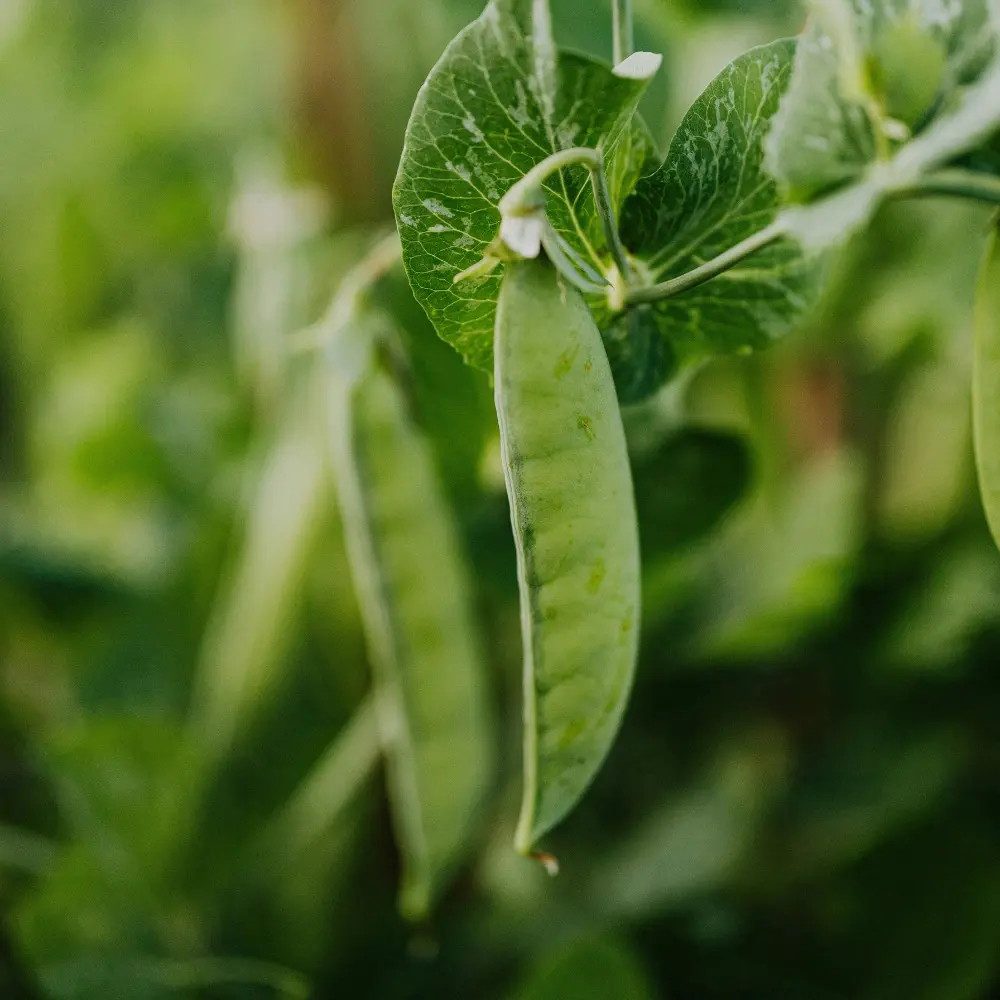
Peas
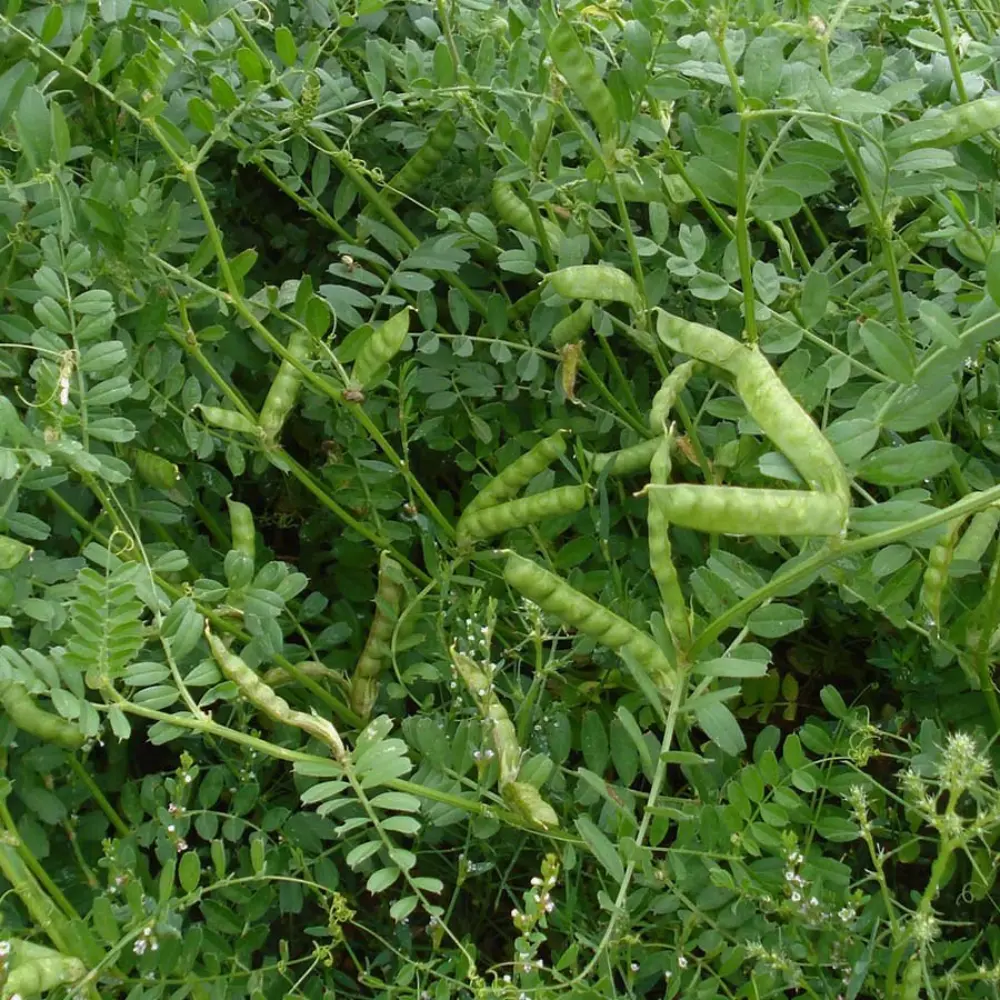
Vezas
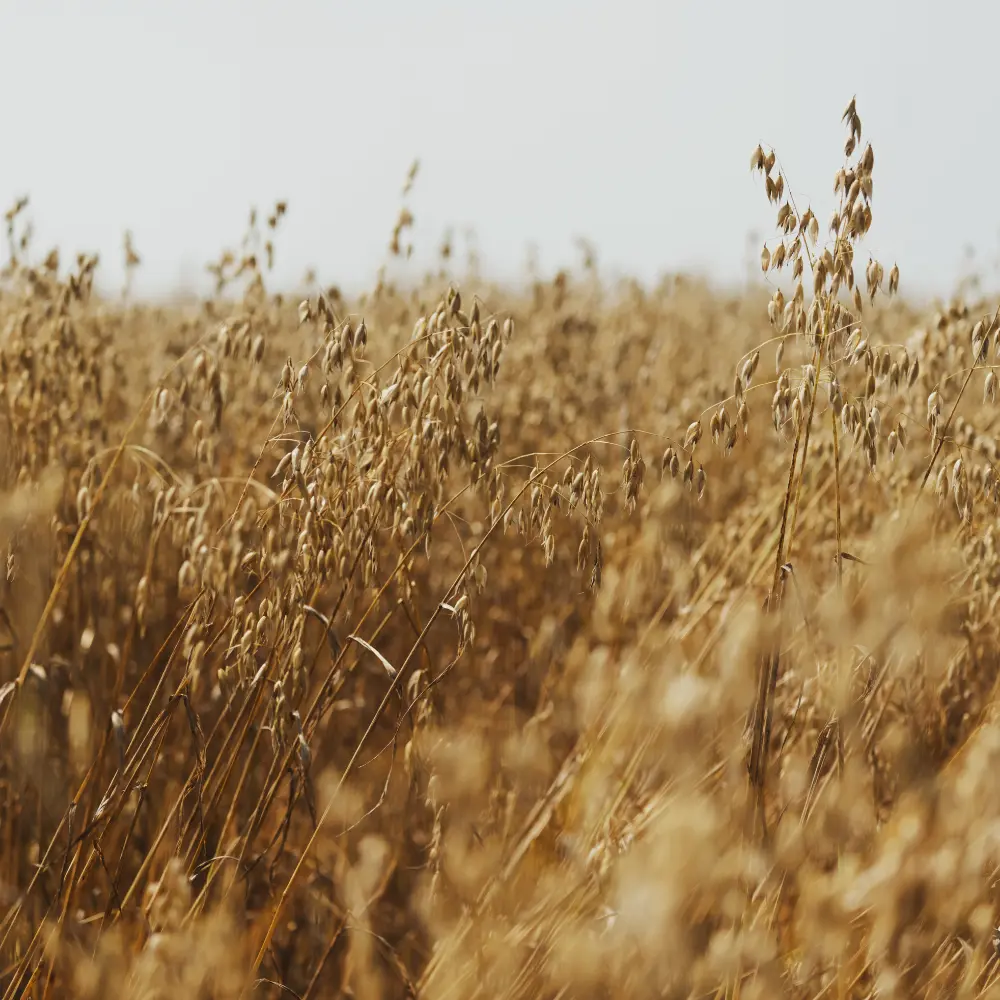
Oats
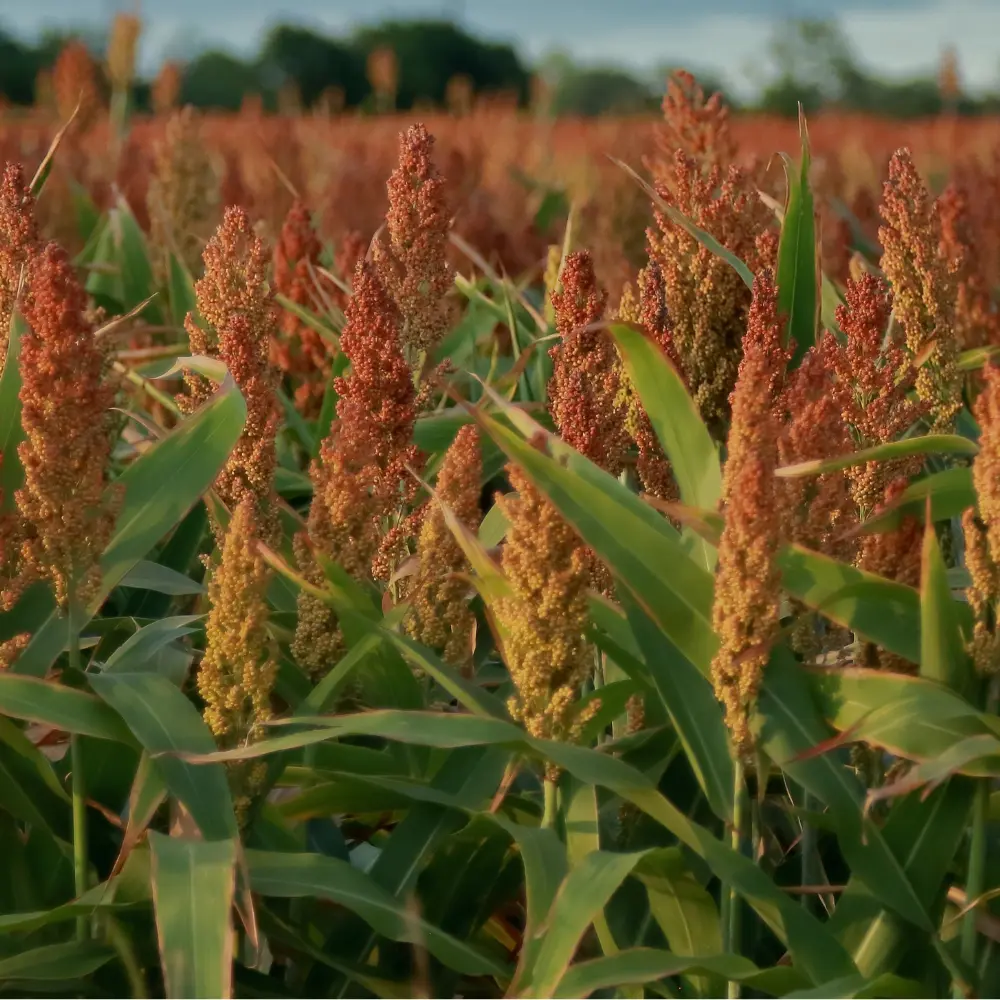
Sorghum
Key Challenges Facing Cereals and Legumes
Optimize the use of water and fertilizers
to improve crop productivity and quality, as well as their resistance to periods of water stress, strong winds that can knock crops over, or frost.
Precisely control agricultural inputs
by applying fertilizers such as nitrogen, phosphorus, and potassium at the appropriate phenological stage for each field.
Anticipating climatical risks
to plan planting, irrigation, and treatments to prevent losses.
Preventing Pests and Diseases
which particularly affect grains such as wheat and barley.
How VEGGA Helps with Grains and Legumes
1 / 4
Irrigation Control
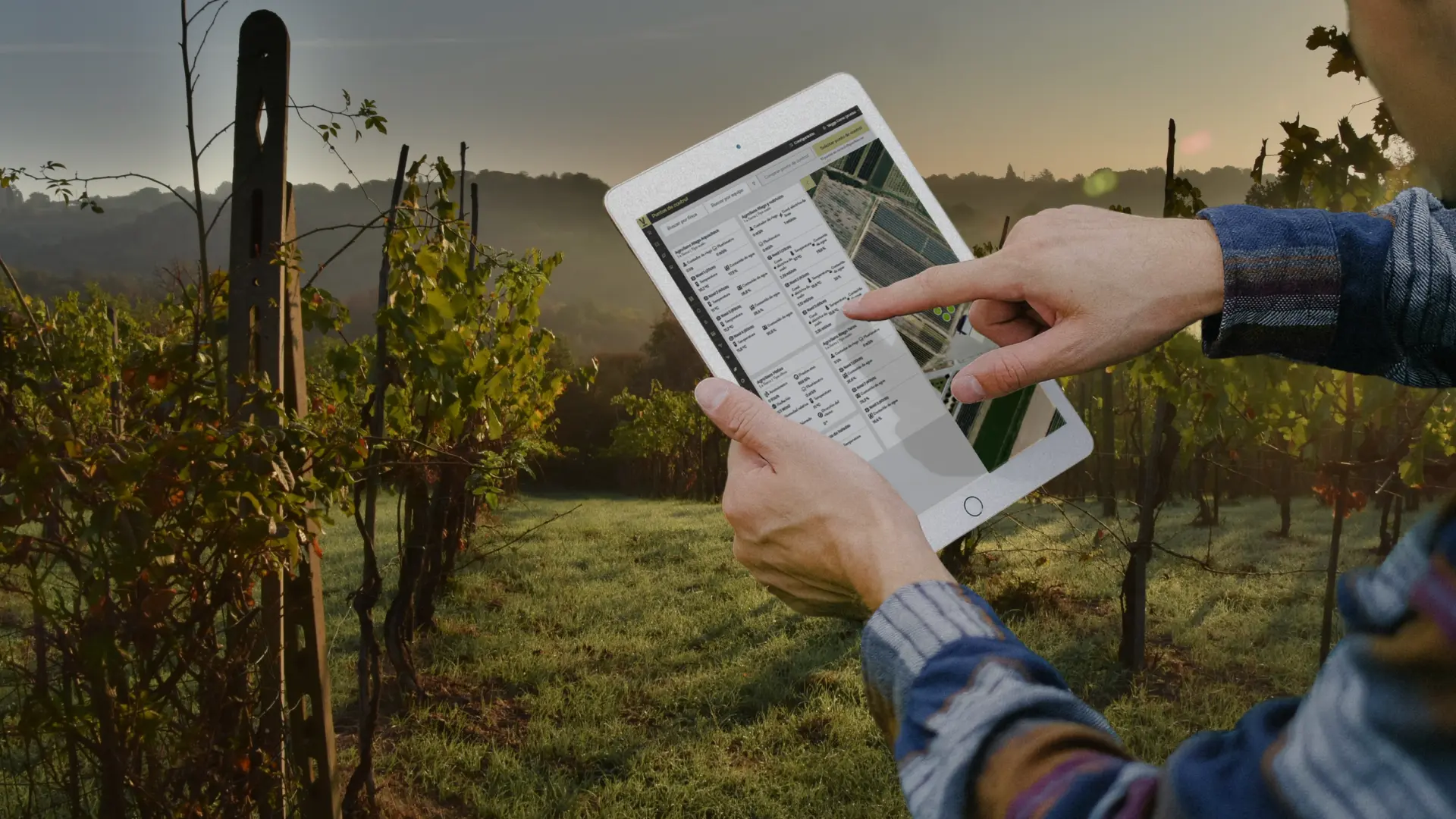
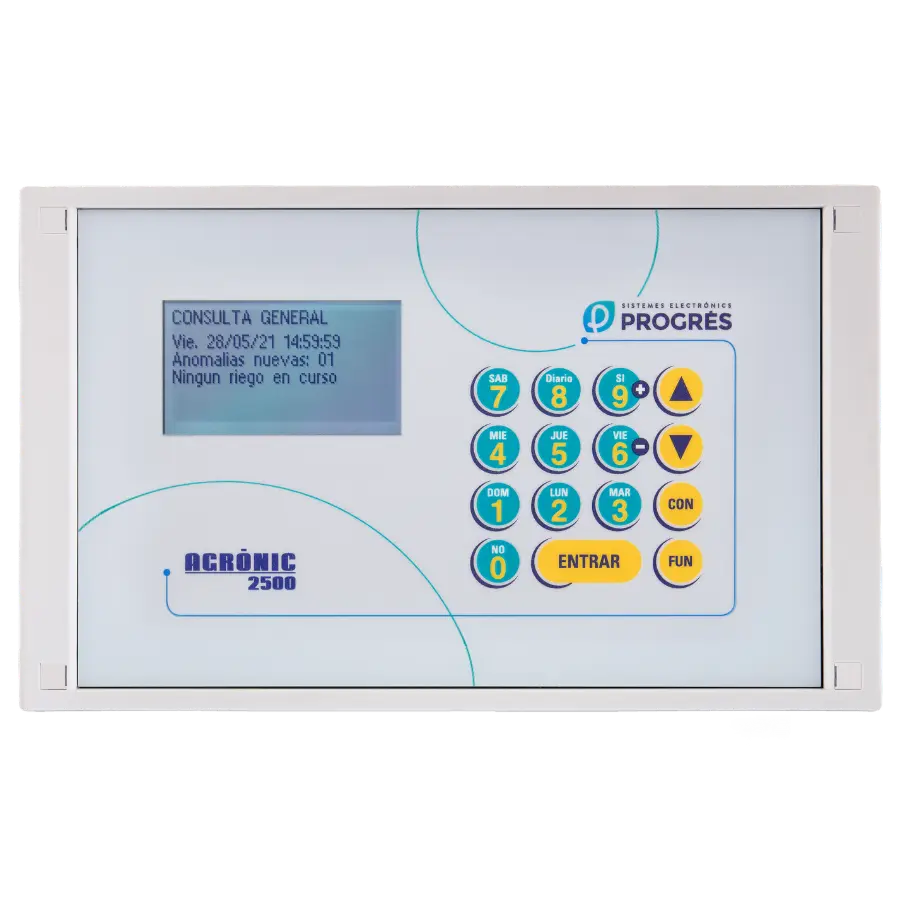
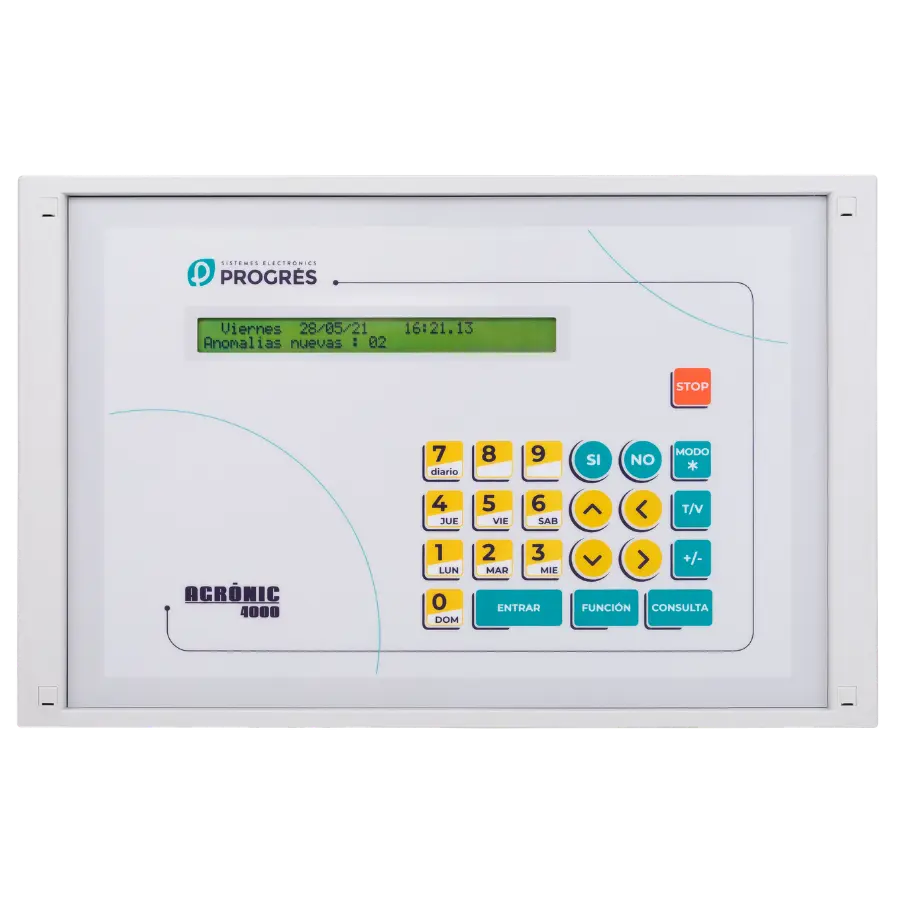
Manage and monitor the data from your Agrónic controllers from anywhere. Save time and water, resolve incidences, and ensure your crops get exactly what they need.
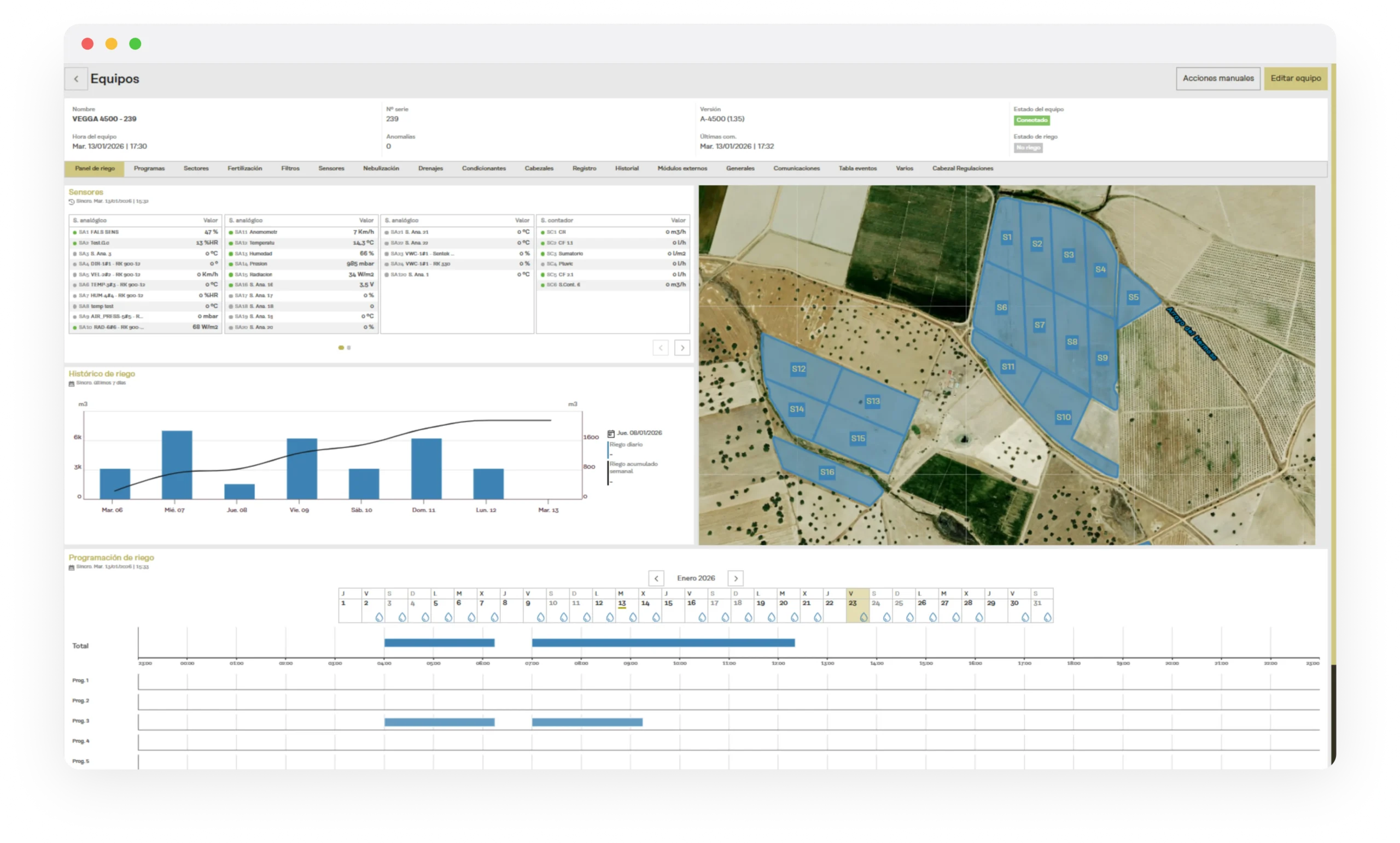
- Manage fertigation precisely by using programming and monitoring of the irrigation system.
- Balance water supply with irrigation pulses based on crop needs and the current stage of growth.
- Access irrigation reports and historical data, including audits, to support decision-making and improve water use efficiency.
2 / 4
Agroclimatic monitoring
Get real-time climate, crop, and soil data based on sensor readings and agroclimatic indices, and make more informed decisions for your farm.
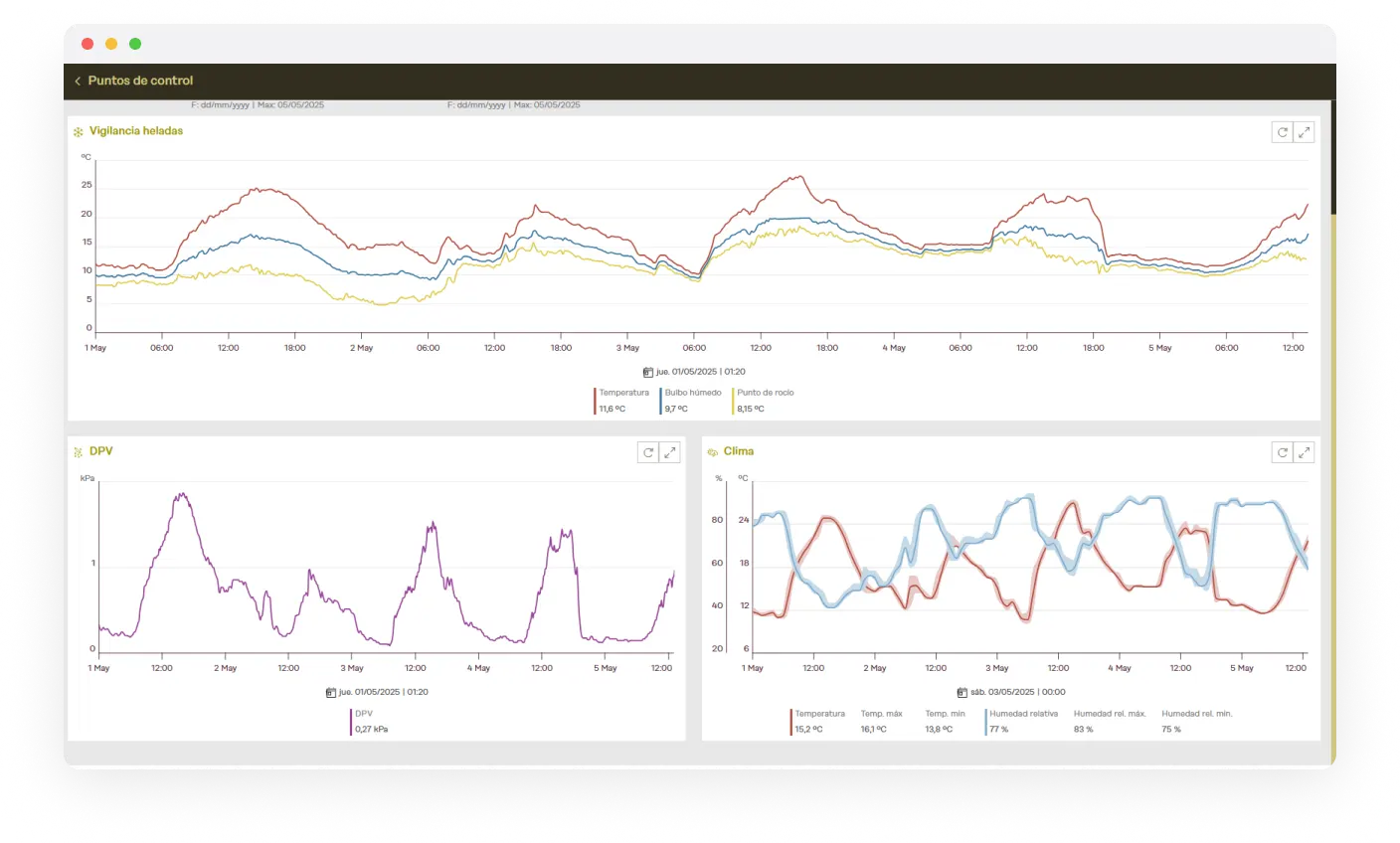
- With soil sensors, you can monitor water and nutrient levels to make informed decisions about irrigation and fertilization.
- Monitor weather conditions in real time to make decisions about planting, irrigation, and treatments, thereby minimizing weather-related risks.
3 / 4
Assisted irrigation
Precision-adjust and automate the irrigation of your crops using smart algorithms based on historical data, sensor readings, and weather forecasts—all without the need for daily monitoring.
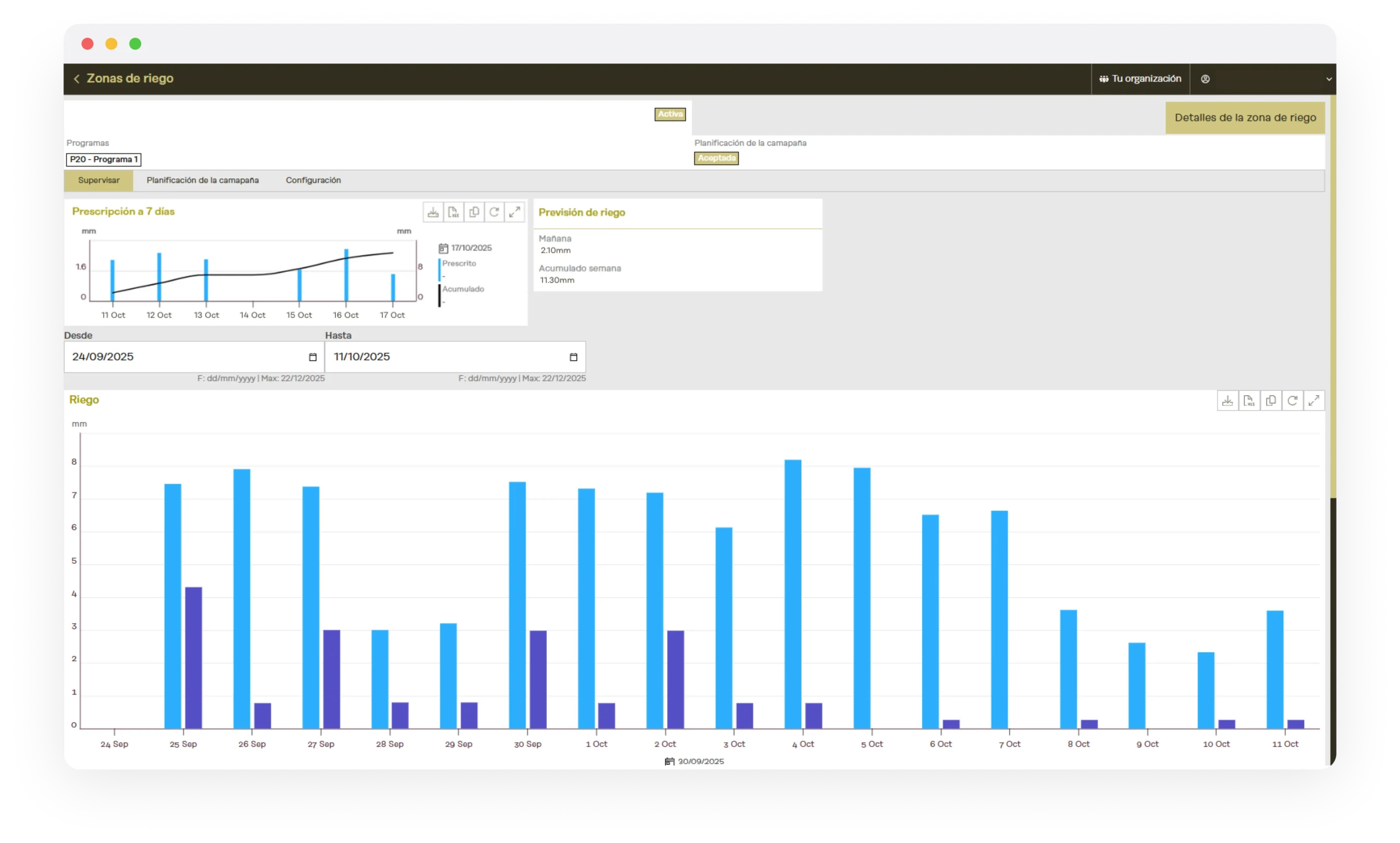
- Predict the water requirements of your cereal and legume crops to improve yield, yield stability, and grain quality.
4 / 4
Crop Protection
Anticipate pests and diseases and apply plant protection treatments at the optimal time, minimizing residues, costs, and crop losses.
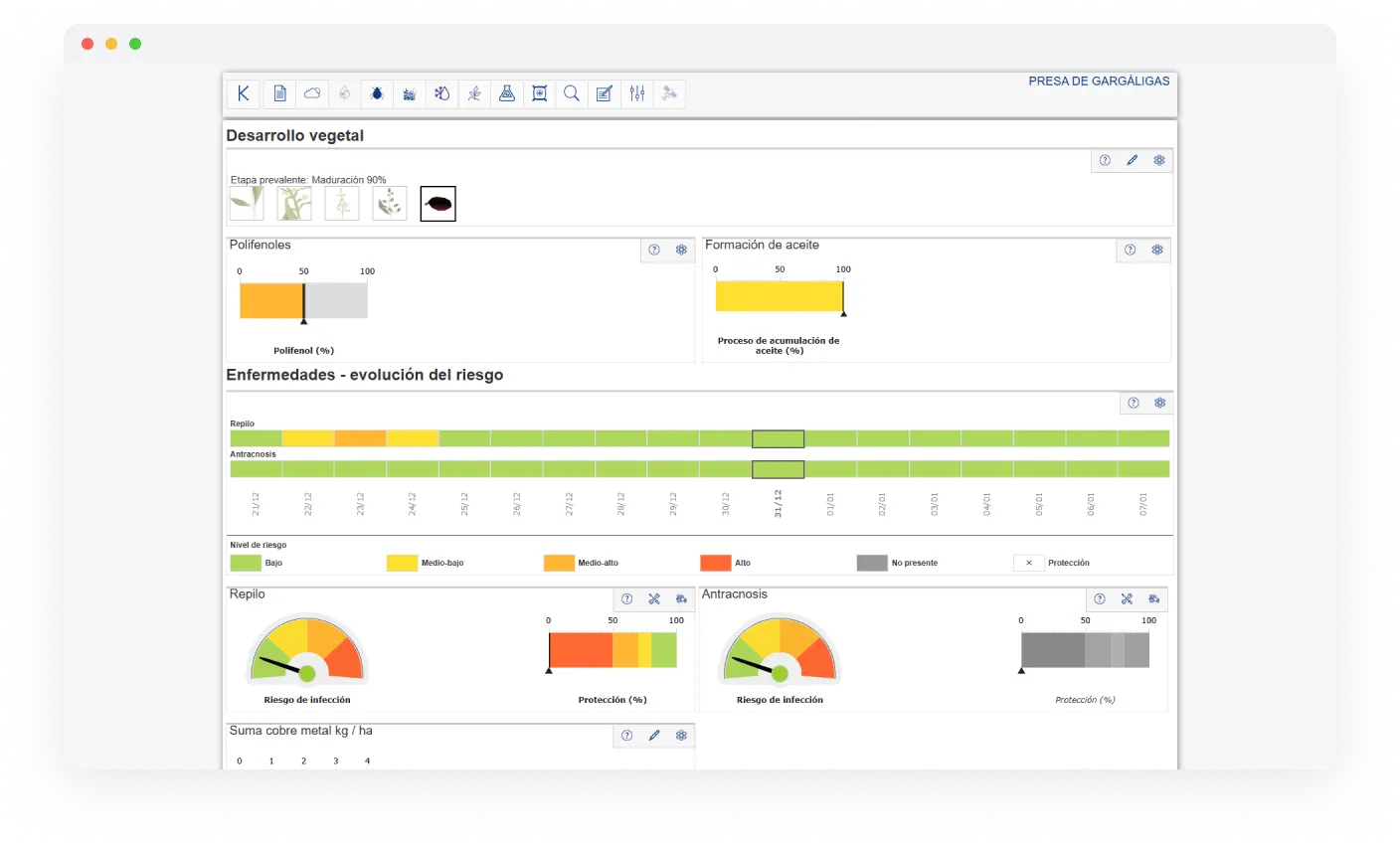
- Predicts and assesses the risk of pests and diseases in cereals such as wheat and barley.
- It allows for more efficient application of plant protection treatments, reducing costs and product usage while ensuring healthier and more productive crops.
Benefits of managing grains and legumes with VEGGA
Higher crop productivity and quality
Precise control of irrigation and fertilization improves grain quality: protein, starch, and specific gravity in cereals; weight and protein in forage crops; and grain uniformity in legumes. In legumes such as peas, key parameters such as starch and sugar content are also optimized.
1
Optimization of nutritional and storage parameters
It increases the protein and fiber content in forage, as well as the storage life of grains and forage.
2
Resistance to water stress and adverse climatical conditions
It improves tolerance to periods of drought, frost, and strong winds that can compromise crop stability, as well as other climatical conditions.
3
Control of phenology and efficient use of inputs
Adjustment of fertilizer application rates for nitrogen, phosphorus, and potassium based on the phenological stage of each field, thereby optimizing quality and profitability.
4
Integrated water and nutrient management
Using soil sensors, it helps balance water and fertilizer application by delivering irrigation pulses as needed. It also monitors how fertilizers behave within the soil profile.
5
Informed decisions regarding weather risks
Climatical monitoring makes it easier to plan planting, irrigation, and treatments, thereby increasing efficiency and reducing losses.
6
Potential pests and diseases of cereals and legumes
Wheat
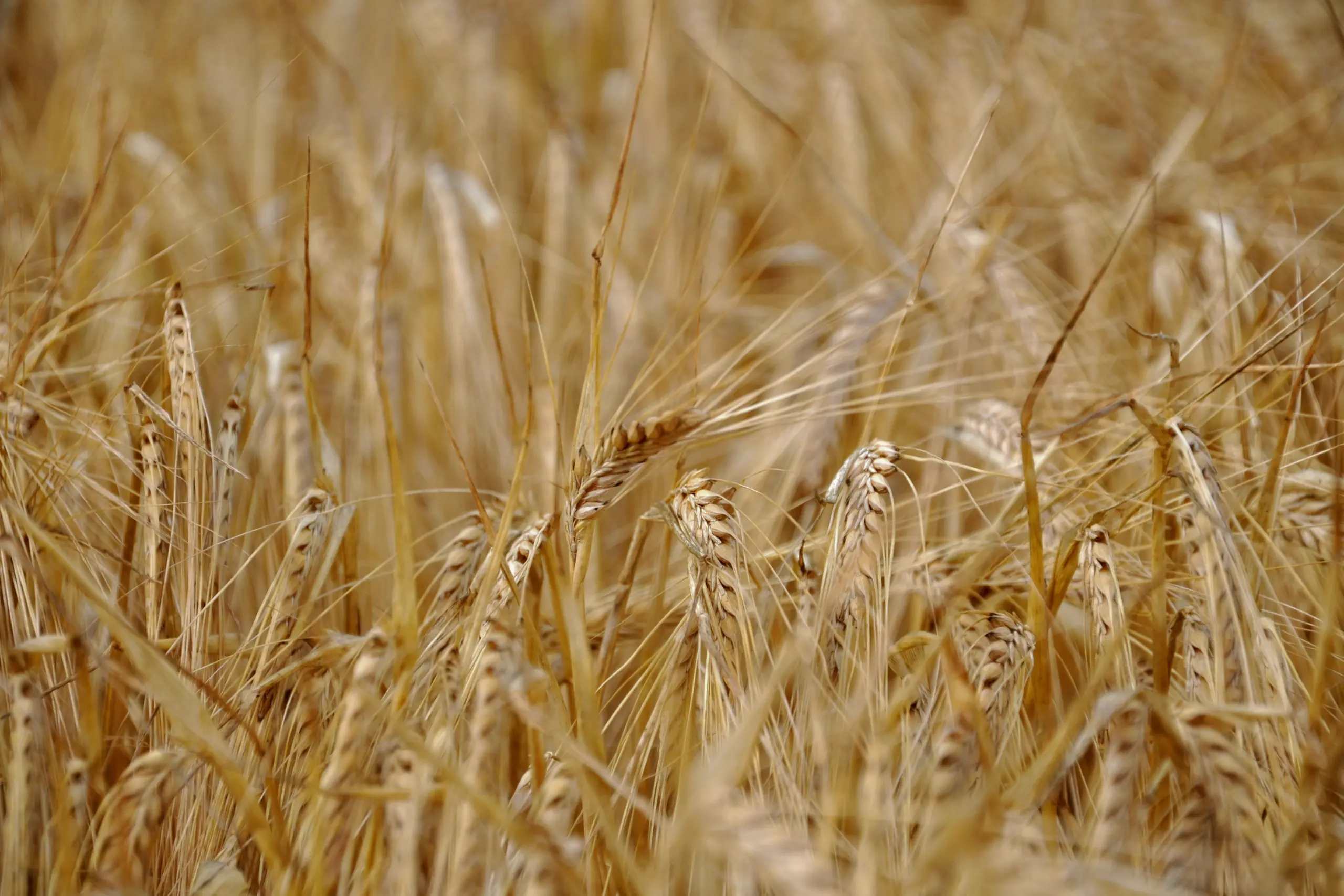
Barley
Compatible hardware
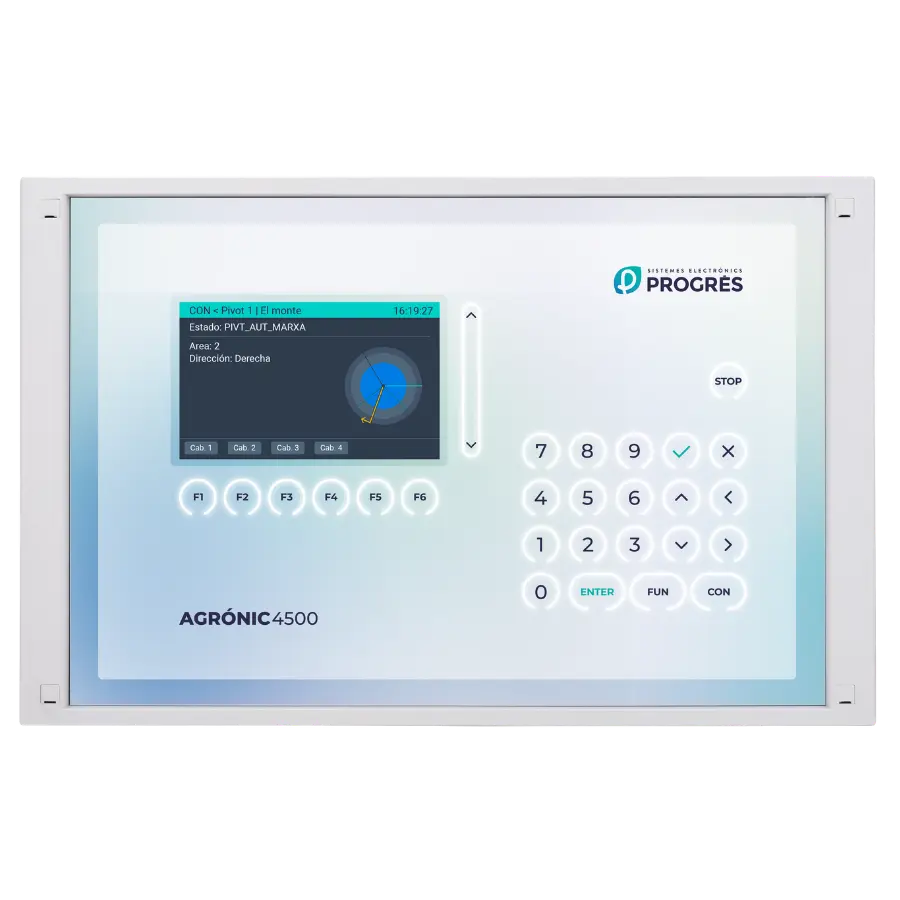
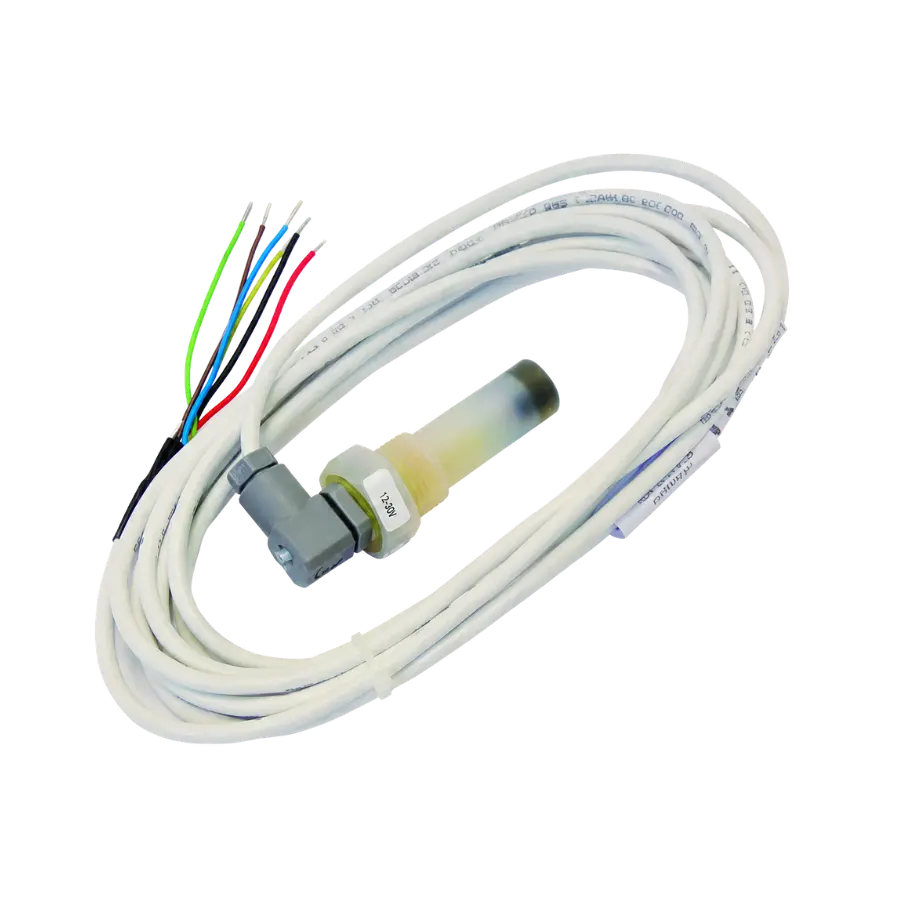
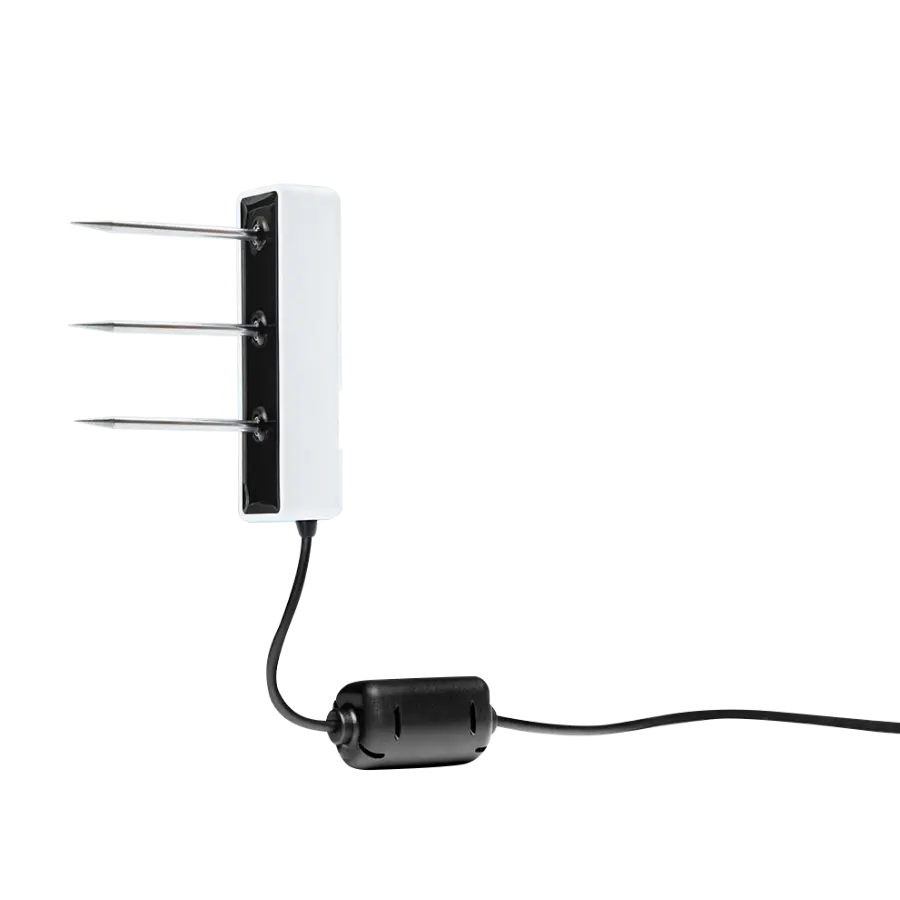
Soil Moisture and EC Sensor
A soil moisture, EC, and temperature sensor that enables integrated monitoring of the water, salinity, and thermal conditions of the root zone. At VEGGA, this data helps optimize irrigation and fertigation, detect risks of salinization, and improve the efficiency of water and fertilizer use.
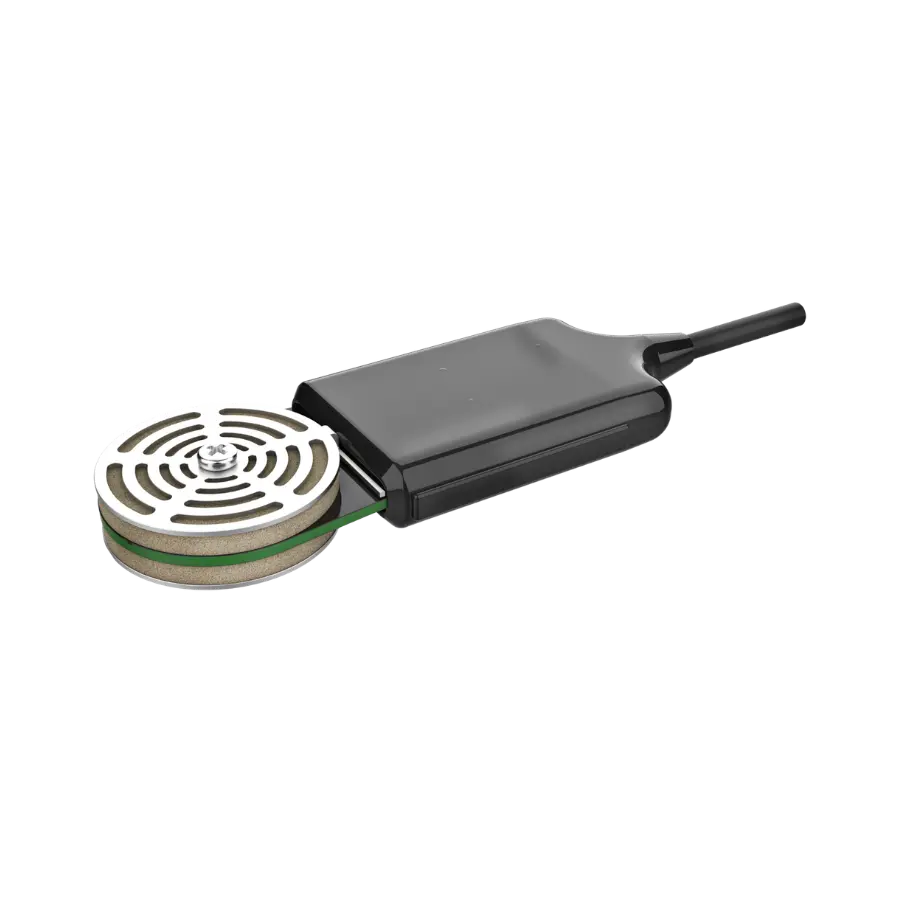
Soil water potential sensor
A matric potential sensor that allows for the assessment of actual water availability to the plant and the detection of water stress in crops. At VEGGA, this data helps optimize irrigation programming and complements soil moisture information for more precise water management.
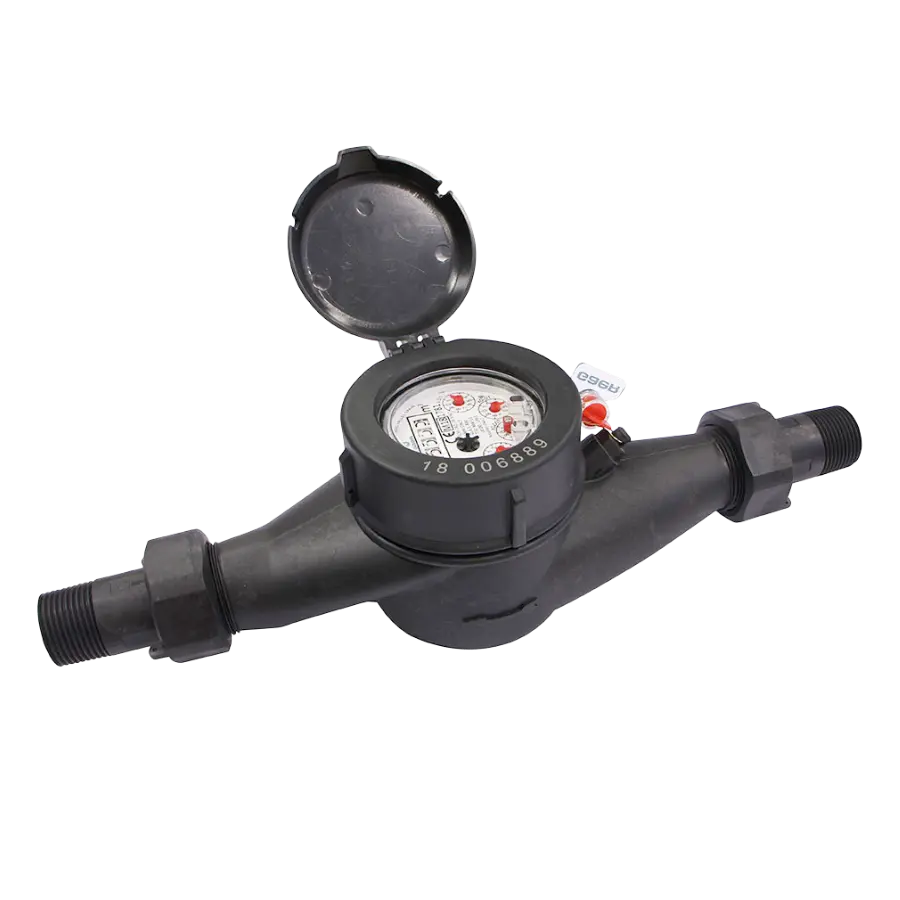
Irrigation meter
An irrigation meter that monitors the volume of water applied and enables users to control water consumption, analyze irrigation pulses, and detect hydraulic anomalies. At VEGGA, this data is integrated with soil and climate sensors to optimize irrigation efficiency and decision-making.
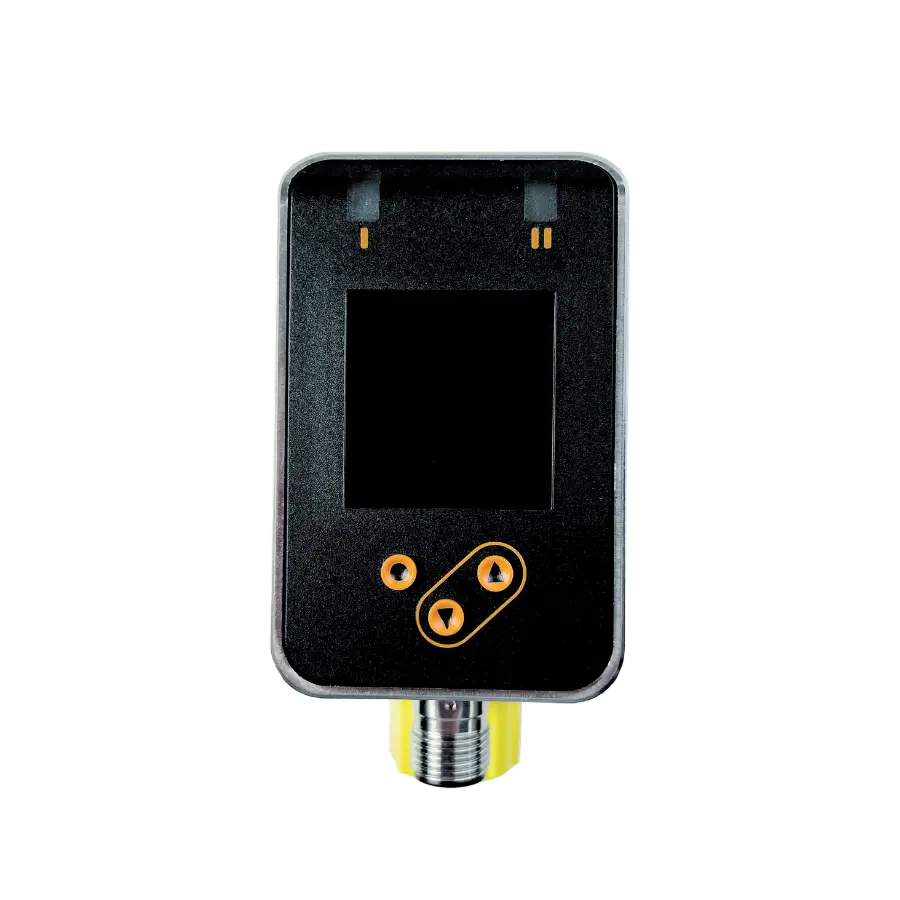
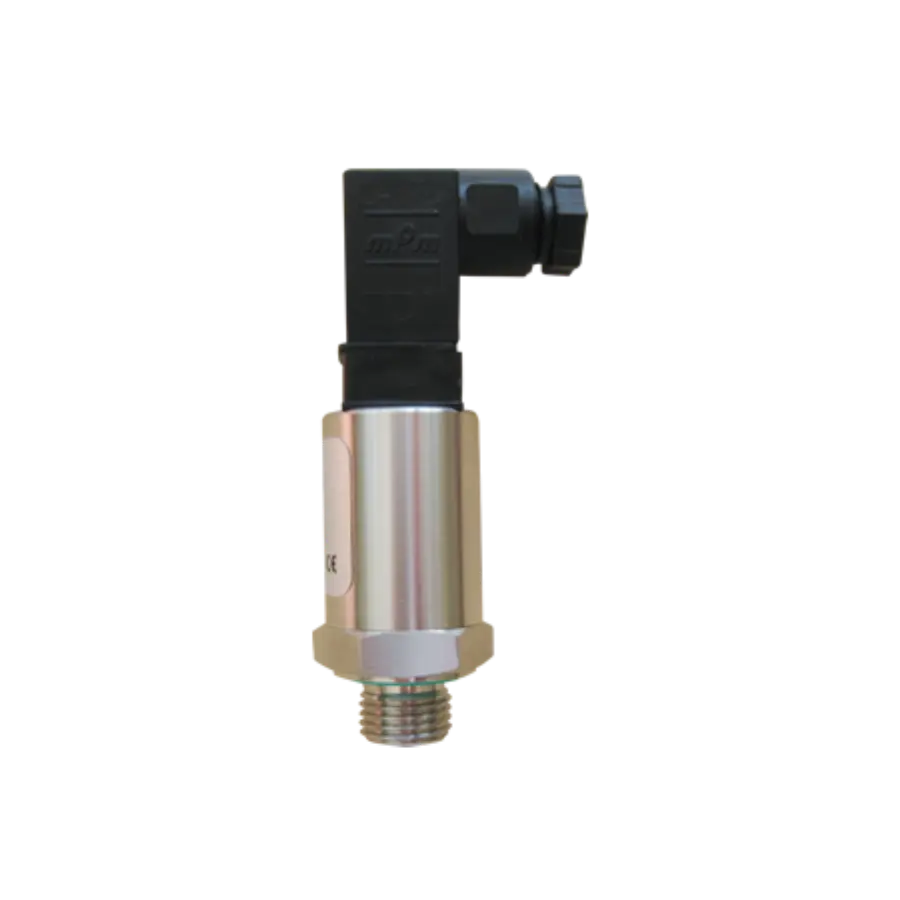
Pressure transducer
A pressure sensor that monitors water pressure in the irrigation system to ensure correct operation and uniform distribution on the VEGGA platform, detecting anomalies such as leaks, blockages, or drops in pressure, and ensuring the effectiveness of irrigation and frost protection systems.