Pulse irrigation: An innovative technique for optimizing water use in agriculture
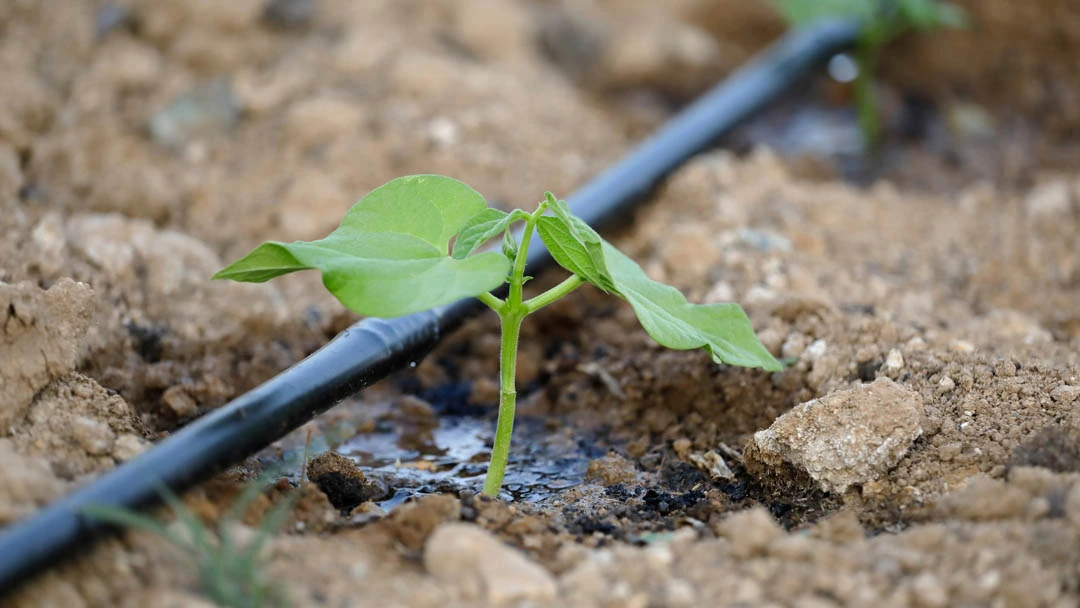
Pulse irrigation is an innovative irrigation technique that applies water intermittently in short, repeated cycles known as “pulses.” Unlike continuous irrigation, pulse irrigation delivers water at intervals, allowing the soil to absorb it more effectively and thereby reducing loss due to runoff and deep percolation.
How does it work?
This system provides more precise control over water application, helping to reduce soil erosion and prevent water loss through percolation. It is particularly useful in soils with varying infiltration rates, where the pulse timing can be adjusted to ensure uniform water uptake by the plants.
Pulse irrigation works by programming water application cycles, which are divided into two main phases: the application time and the interval between pulses.
Adaptability to different soil types
One of the key advantages of pulse irrigation is its ability to adapt to different soil types. Pulse programming can be adjusted based on soil texture and structure to optimize water application efficiency. In soils with slower infiltration, longer cycles can be used, while in soils with high infiltration, shorter cycles are recommended to prevent water loss through percolation.
Benefits:
Pulse irrigation offers a number of benefits for agriculture, particularly in terms of water efficiency and crop yield. Here are its most significant advantages:
1. More even water distribution: Pulse irrigation allows for a more even distribution of water, preventing over-irrigation and reducing the amount of water needed to keep crops hydrated. This results in significant water savings and lower irrigation costs.
2. Improved balanced plant growth: A water supply that is better adjusted to the plant’s needs promotes vegetative growth and increases crop yields.
3. Reduction of soil erosion: By preventing excess water and runoff, pulse irrigation helps minimize soil erosion, maintaining soil structure and preserving the topsoil.
4. Promoting environmental sustainability: The pulse irrigation system not only minimizes water consumption but also helps conserve water resources. By using less water for efficient irrigation, it reduces environmental impact and promotes more sustainable agriculture that is mindful of local ecosystems.